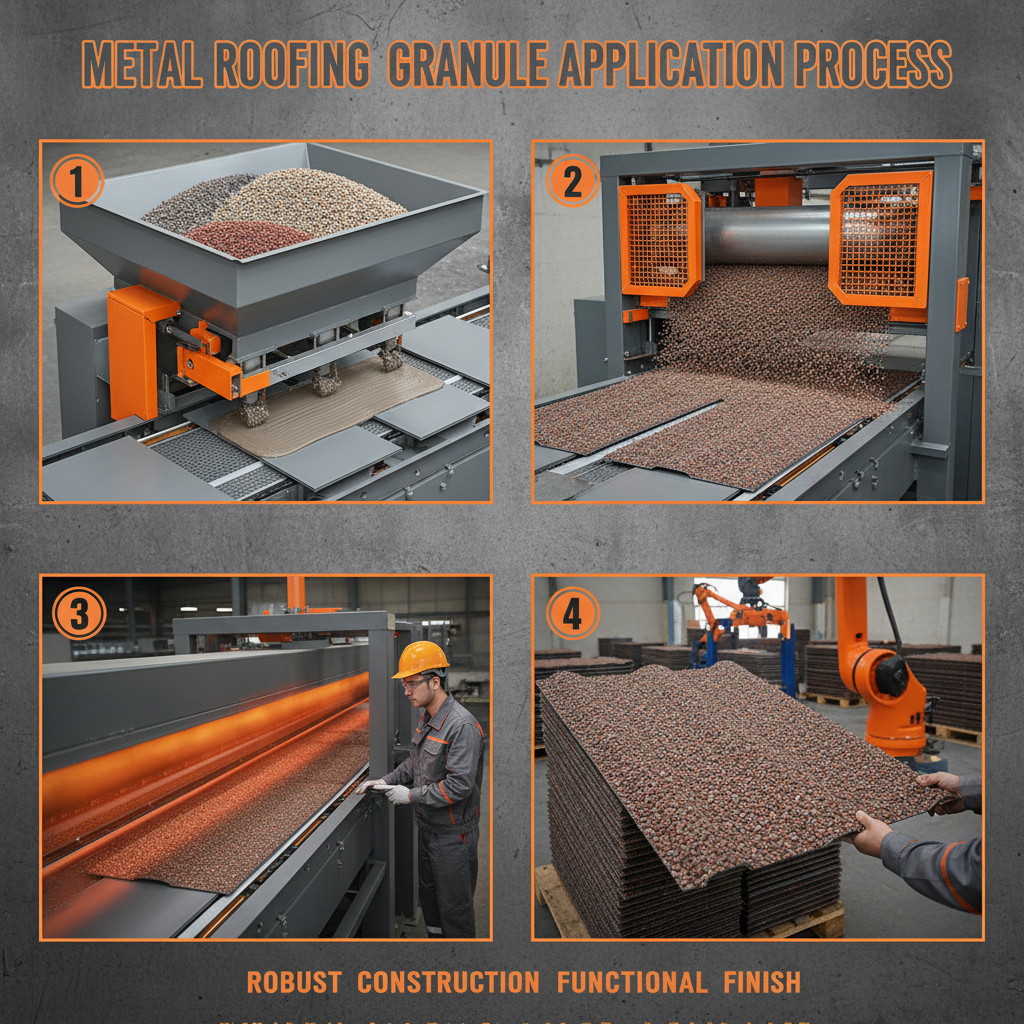
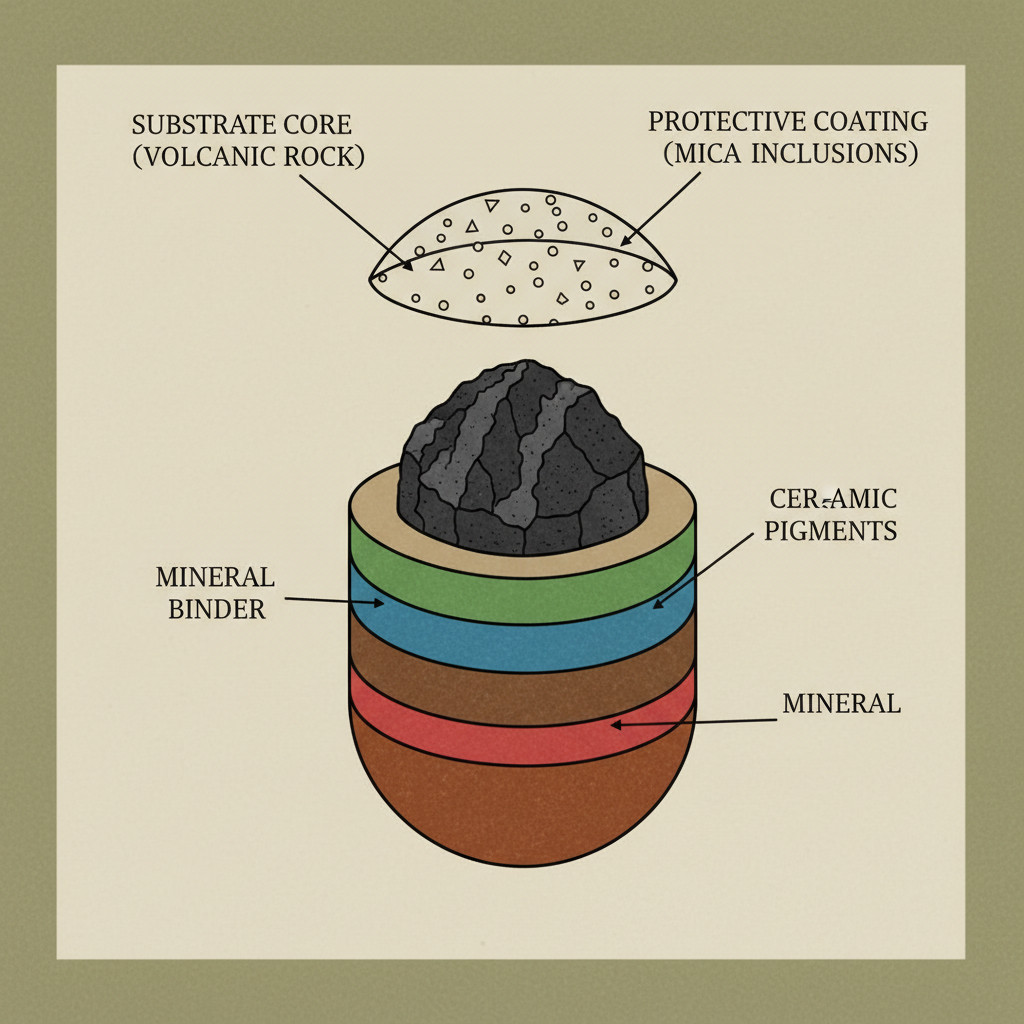
The presence of granules on roof is a growing concern for homeowners and building professionals alike, often signaling potential issues with the roofing system. These small particles, typically ceramic or mineral-based, are an integral component of asphalt shingles and other roofing materials, designed to protect the underlying layers from UV degradation and weathering. Understanding the causes, implications, and preventative measures related to granules on roof is crucial for maintaining the longevity and performance of a roof.
Globally, roofing systems face a constant battle against environmental elements. The lifespan of a roof is directly linked to its ability to resist these forces, and the protective layer of granules plays a significant role. The loss of these granules exposes the asphalt to direct sunlight, accelerating its deterioration and leading to costly repairs or replacements. The economic impact of roof maintenance and replacement is substantial, driving innovation in materials and installation techniques.
Addressing the issue of granules on roof proactively contributes to sustainable building practices by extending roof lifespan and reducing the demand for new materials, lessening environmental impact.
Understanding Granule Loss on Roofs
Granule loss is a natural process, particularly in the early years of a roof’s life, as loose granules settle into gutters and surrounding areas. However, excessive or premature granules on roof can indicate underlying issues. These range from normal weathering to improper installation or even hail damage. Identifying the cause is the first step towards effective resolution.
The type of granule used also plays a role. High Reflective Ceramic Granules (HIREFLE) for cool roofs are engineered for enhanced reflectivity and durability, but even these can experience loss over time. Understanding the composition of the granules on your roof can help assess the severity of the issue.
Defining Granules on Roof and Their Purpose
Roof granules are the small, colorful particles embedded in the surface of asphalt shingles. They serve a vital protective function. Primarily, they shield the asphalt from the sun's ultraviolet (UV) rays, which cause degradation and premature aging. Without this protection, the asphalt would become brittle and crack over time, significantly reducing the roof's lifespan.
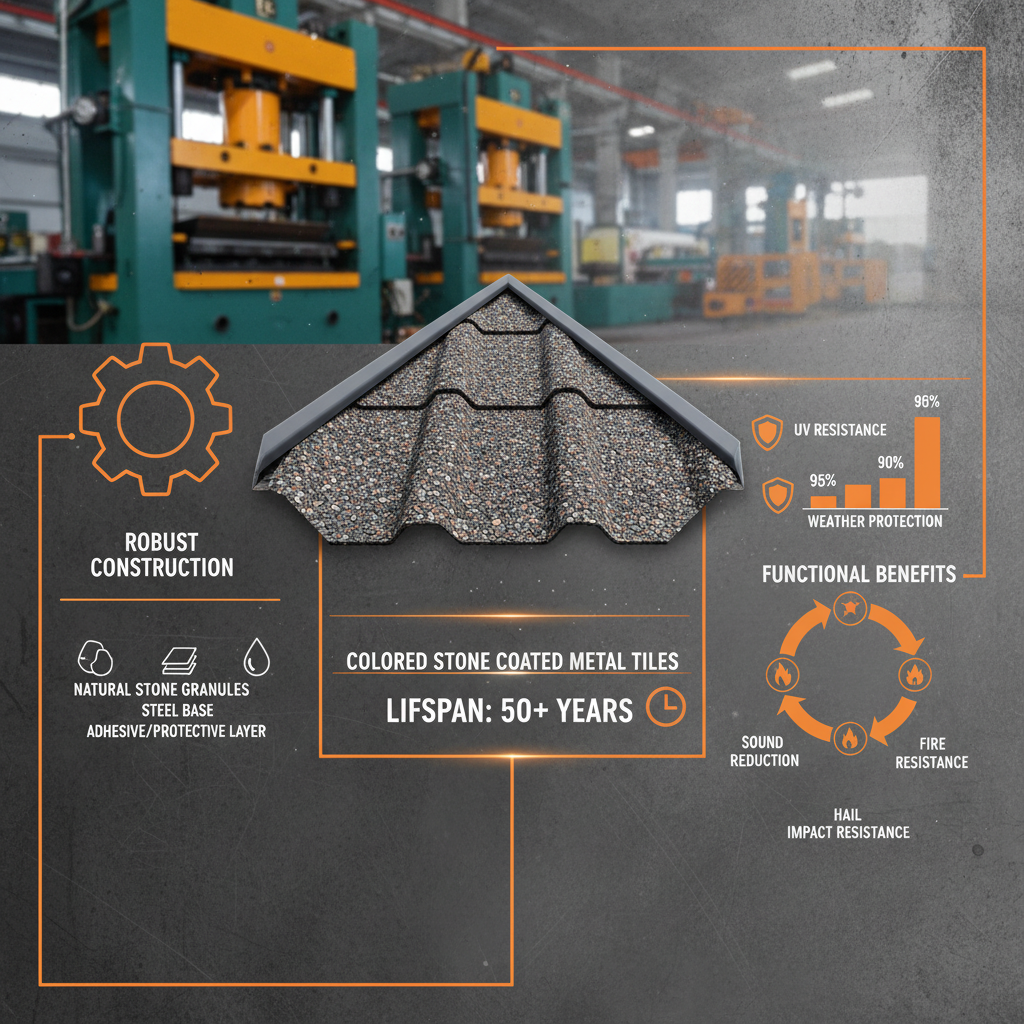
Beyond UV protection, granules on roof also act as a barrier against physical impact from rain, hail, and windblown debris. They provide a degree of fire resistance and contribute to the overall aesthetic appeal of the roof. The color of the granules is achieved through ceramic coating, offering a range of design options.
In the context of modern cool roofing technologies, specialized granules like HIREFLE are utilized. These are designed to reflect sunlight, reducing heat absorption and lowering energy costs, further highlighting the importance of granule composition and performance.
Key Factors Influencing Granule Loss
Several factors contribute to the loss of granules on roof. Normal weathering is a primary cause, particularly in areas with harsh climates. Thermal cycling – the expansion and contraction of roofing materials due to temperature fluctuations – gradually loosens the granules.
Another significant factor is the age of the roof. Asphalt shingles have a limited lifespan, typically ranging from 15 to 30 years, depending on the quality of materials and environmental conditions. Older roofs are naturally more prone to granule loss. Improper installation techniques, such as inadequate sealing or improper nail placement, can also accelerate the process.
External factors like severe weather events – including hail storms, strong winds, and extreme temperature swings – can cause rapid and significant granule loss. Additionally, foot traffic on the roof, particularly during maintenance or repairs, can dislodge granules over time.
The Impact of Granule Loss on Roof Performance
The loss of granules on roof compromises the protective barrier against UV radiation. This leads to accelerated asphalt degradation, causing the shingles to become brittle, crack, and curl. These damaged shingles are more susceptible to water infiltration, potentially leading to leaks and structural damage.
A roof with significant granule loss also loses its ability to reflect sunlight effectively, especially with HIREFLE granules. This reduces its energy efficiency and increases cooling costs. Furthermore, the aesthetic appeal of the roof is diminished, potentially lowering property value.
Granule Loss Causes and Severity
Global Applications and Mitigation Strategies
Mitigation strategies for granules on roof are applied globally, varying based on local climate conditions and building codes. In regions prone to severe weather, such as the southeastern United States, roofs are often built to withstand higher wind speeds and hail impact, using more durable shingles and installation techniques.
In hotter climates, like those found in the Middle East and parts of Asia, cool roofing technologies utilizing HIREFLE granules are increasingly popular to reduce energy consumption and mitigate the urban heat island effect. In Europe, stricter building regulations focus on roof longevity and sustainable materials, driving demand for high-quality shingles and proper installation practices.
Advantages of Proactive Granule Loss Management
Proactive management of potential granules on roof translates to significant long-term benefits. Early detection of granule loss allows for timely repairs, preventing minor issues from escalating into major, costly problems. Extending the lifespan of the roof reduces the need for frequent replacements, saving homeowners money and minimizing landfill waste.
Maintaining a properly functioning roof ensures the structural integrity of the building, protecting its contents and occupants. Furthermore, a well-maintained roof enhances the building's aesthetic appeal and overall property value. Implementing preventative maintenance programs can also provide peace of mind, knowing that the roof is protected against potential damage.
By investing in quality materials and proper installation, homeowners can minimize granule loss and enjoy a durable, reliable roof for years to come.
Future Trends in Granule Technology and Roof Durability
Innovation in granule technology is ongoing. Researchers are exploring new materials and coatings that offer enhanced UV protection, impact resistance, and reflectivity. Nanotechnology is being investigated to create granules with self-healing properties, capable of repairing minor damage and reducing granule loss.
Digital technologies, such as drone-based roof inspections, are becoming increasingly common, allowing for early detection of granule loss and other roofing issues. Advanced modeling and simulation tools are also being used to optimize roof designs and material selection for maximum durability.
The trend towards sustainable building practices is driving demand for eco-friendly roofing materials and energy-efficient technologies, further accelerating innovation in granule technology and roof durability.
Summary of Factors Affecting Granule Loss & Mitigation
| Factor Category |
Specific Contributing Element |
Severity Level (1-10) |
Mitigation Strategy |
| Environmental |
UV Exposure |
8 |
Use UV-resistant granules; regular inspection. |
| Weather Related |
Hail Impact |
9 |
Install impact-resistant shingles; insurance coverage. |
| Installation |
Improper Nailing |
7 |
Ensure proper nailing technique; professional installation. |
| Material Quality |
Low Granule Adhesion |
6 |
Choose high-quality shingles with strong granule adhesion. |
| Maintenance |
Lack of Inspection |
5 |
Annual roof inspection; prompt repair of any damage. |
| Age |
Shingle Deterioration |
10 |
Plan for roof replacement as shingles reach end of life. |
FAQS
Yes, it’s entirely normal to see some granules on roof during the first few months after installation. These are typically loose granules that weren’t fully adhered during manufacturing or installation. This initial loss shouldn’t be excessive, and the rate should decrease over time. It’s more concerning if you notice a significant amount of granule loss continuing beyond the first year.
Granules wash into gutters primarily due to weathering, thermal cycling, and water runoff. As shingles age, the granules gradually loosen and are carried away by rainwater. Hail damage, strong winds, and foot traffic can also contribute to this process. Regularly cleaning your gutters can help remove accumulated granules and prevent clogs.
If you notice a significant amount of granules on roof collecting in your gutters, or if you can see bare spots on the shingles where the asphalt is exposed, the granule loss is likely excessive. Also, if the rate of granule loss doesn't slow down after the first year, it's a cause for concern. A professional roof inspection is recommended.
Absolutely. Hail can dislodge granules without causing obvious cracks or punctures in the shingles. The impact of the hail can weaken the adhesion of the granules, leading to gradual loss over time. Even seemingly minor hail damage can compromise the roof’s protective barrier and reduce its lifespan. A thorough inspection by a qualified professional is crucial to identify hail damage.
Cleaning your gutters will help prevent clogs and ensure proper water drainage, but it won't address the underlying cause of the granules on roof loss. It's a temporary solution. You need to identify and address the root cause, whether it's aging shingles, weather damage, or improper installation, to prevent further granule loss.
HIREFLE granules are typically engineered for enhanced durability and adhesion, making them more resistant to loss compared to standard granules. However, even HIREFLE granules are subject to weathering and age-related degradation. Proper installation and regular maintenance are still essential to maximize their lifespan and performance.
Conclusion
In conclusion, understanding the factors influencing granules on roof, from natural weathering to installation quality and external impacts, is vital for maintaining a durable and efficient roofing system. Proactive inspection, timely repairs, and the selection of high-quality materials like HIREFLE granules can significantly extend roof lifespan and protect your investment. Addressing this issue isn't just about aesthetics; it's about preserving the structural integrity and energy efficiency of your building.
Looking ahead, advancements in granule technology and roofing materials promise even greater durability and performance. Embracing these innovations, along with regular maintenance practices, will ensure that roofs continue to provide reliable protection for years to come. Visit our website at www.coolroofmaterials.com to explore our range of high-performance roofing solutions and learn more about how we can help you protect your property.