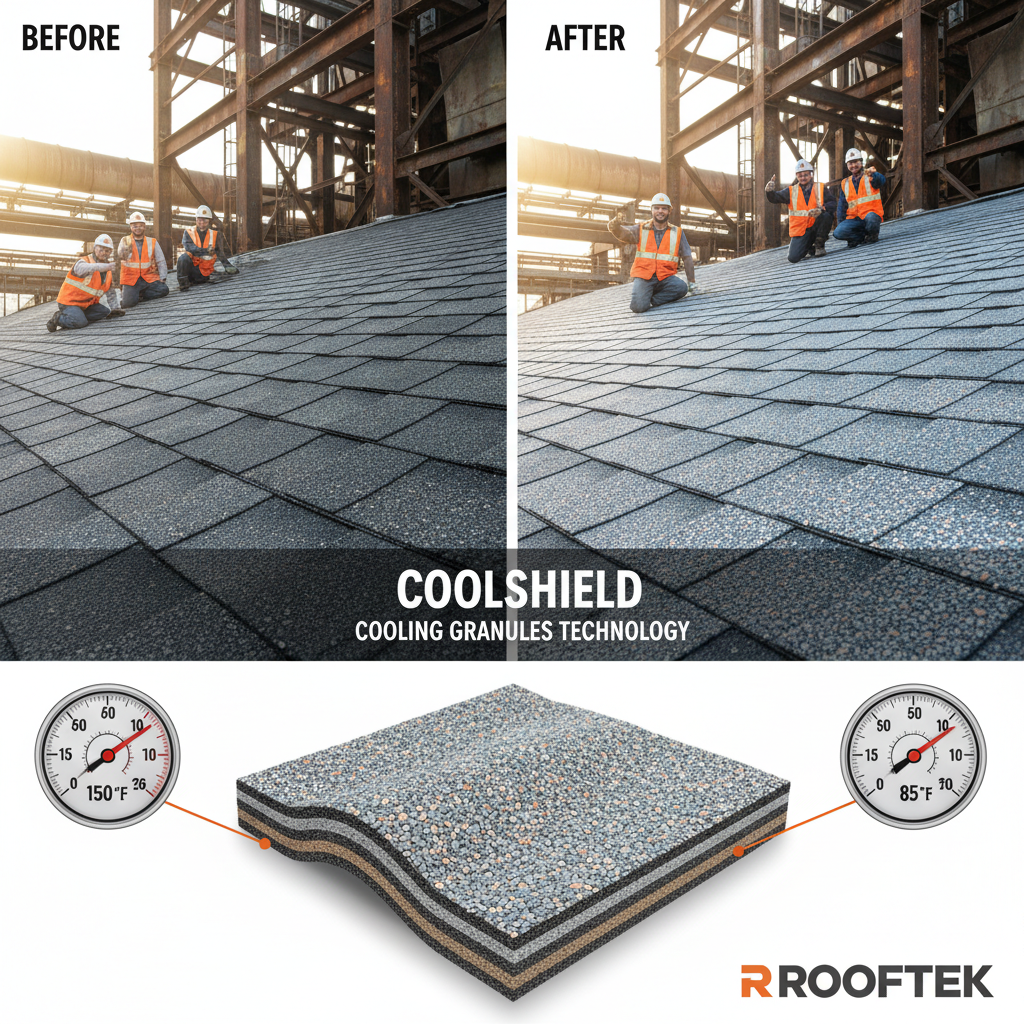
The escalating global challenge of rising temperatures necessitates innovative solutions for building climate resilience. One crucial aspect of this is efficient thermal management of buildings, particularly roofs. A house roof cooling sheet represents a significant advancement in this area, offering a cost-effective and relatively simple method to reduce heat absorption and lower indoor temperatures. Understanding the principles, applications, and future potential of these sheets is vital for architects, builders, policymakers, and individuals seeking sustainable and comfortable living spaces.
The demand for energy-efficient buildings is driven by both environmental concerns and economic factors. Traditional roofing materials often contribute significantly to the “urban heat island” effect, increasing energy consumption for cooling and exacerbating climate change. A house roof cooling sheet provides a tangible solution, reflecting sunlight and reducing the amount of heat transferred into the building. This technology is gaining traction globally as a key component of green building standards and sustainability initiatives.
Moreover, the ease of installation and adaptability of house roof cooling sheets makes them a versatile option for both new constructions and retrofitting existing structures, particularly in regions prone to extreme heat or experiencing rapid urbanization. As climate change intensifies, the importance of mitigating heat stress and reducing energy demands will only continue to grow, making these cooling solutions increasingly essential.
The Core Principles of house roof cooling sheet
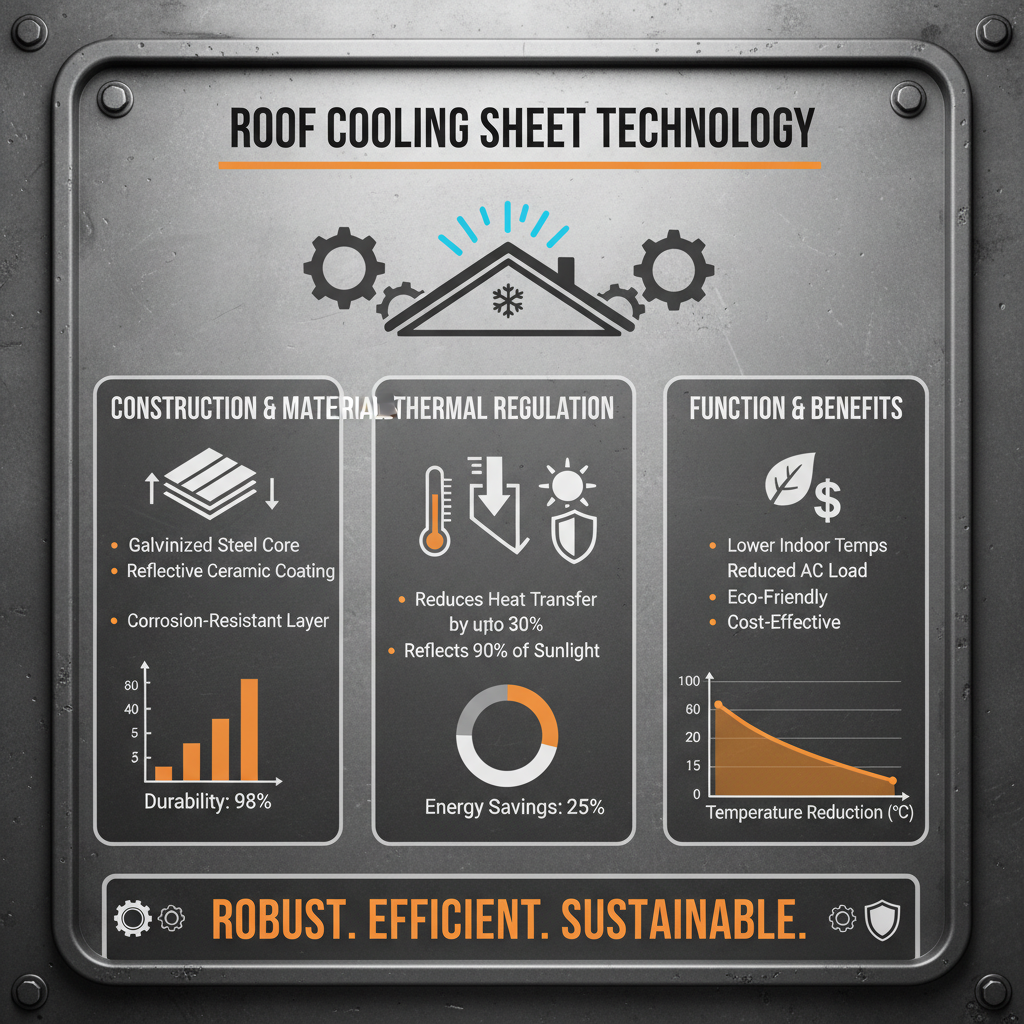
At its core, a house roof cooling sheet operates on the principle of high solar reflectance and thermal emittance. Traditional roofing materials absorb a significant portion of the sun's energy, converting it into heat that is then transferred into the building. Cooling sheets, however, are engineered to reflect a large percentage of solar radiation back into the atmosphere, minimizing heat absorption.
Furthermore, these sheets excel at emitting absorbed heat efficiently. This dual functionality – reflecting incoming solar energy and radiating existing heat – significantly reduces the overall heat load on the building, leading to lower cooling costs and improved indoor comfort. The specific materials used and their composition determine the exact reflectance and emittance properties, influencing their overall performance.
Global Relevance and Market Trends
The global market for cool roofing materials, including house roof cooling sheets, is experiencing substantial growth, driven by increasing awareness of climate change, stricter building codes, and rising energy costs. According to a report by the United Nations Environment Programme, buildings account for approximately 40% of global energy consumption, making energy efficiency improvements in the building sector a critical priority.
This trend is particularly pronounced in regions with hot climates, such as the Middle East, Southeast Asia, and parts of Africa and Australia. Governments in these areas are actively promoting the adoption of cool roofing technologies through incentives and regulations. North America and Europe are also witnessing increasing demand, fueled by sustainability initiatives and green building certifications like LEED.
The International Standards Organization (ISO) is also playing a role in establishing standardized testing methods and performance criteria for cool roofing materials, contributing to greater consumer confidence and market transparency. The market is expected to continue to expand as technology advances and the cost of materials decreases.
Defining house roof cooling sheet Technology
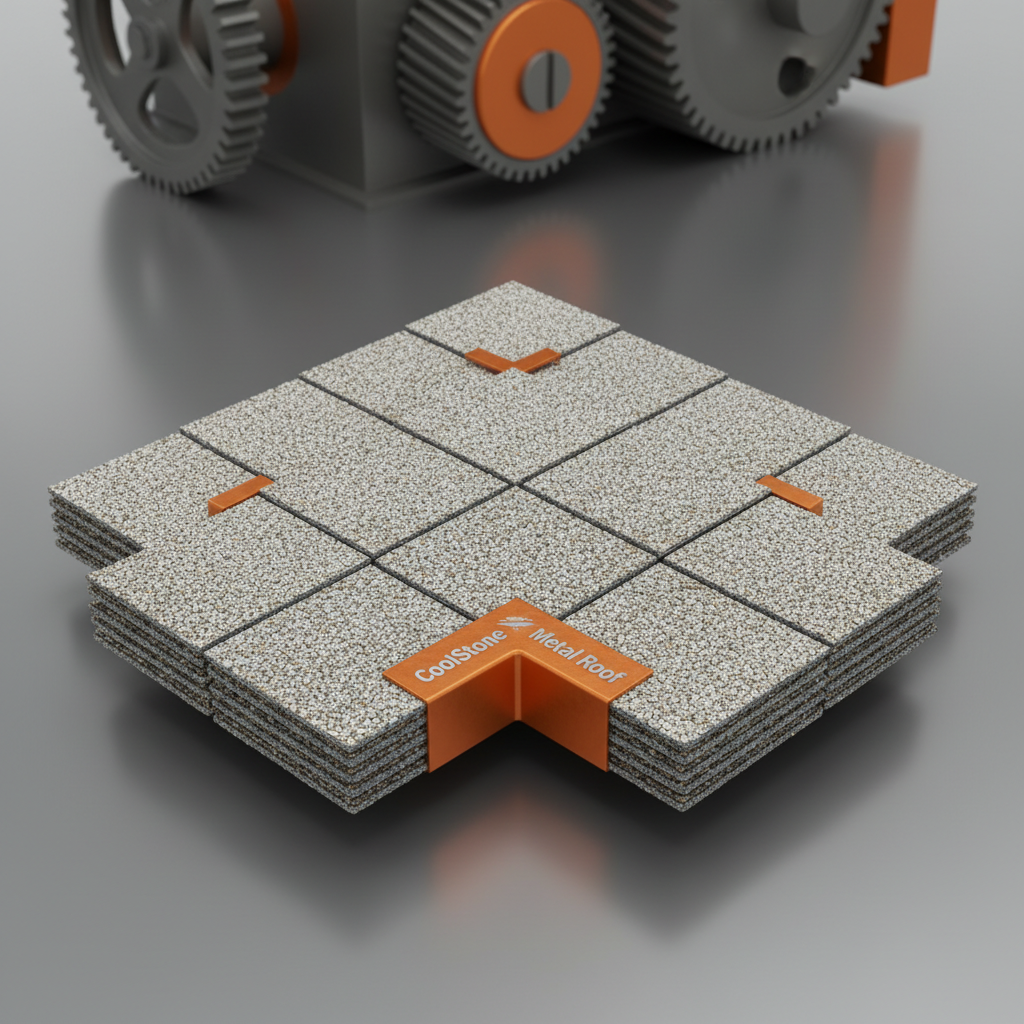
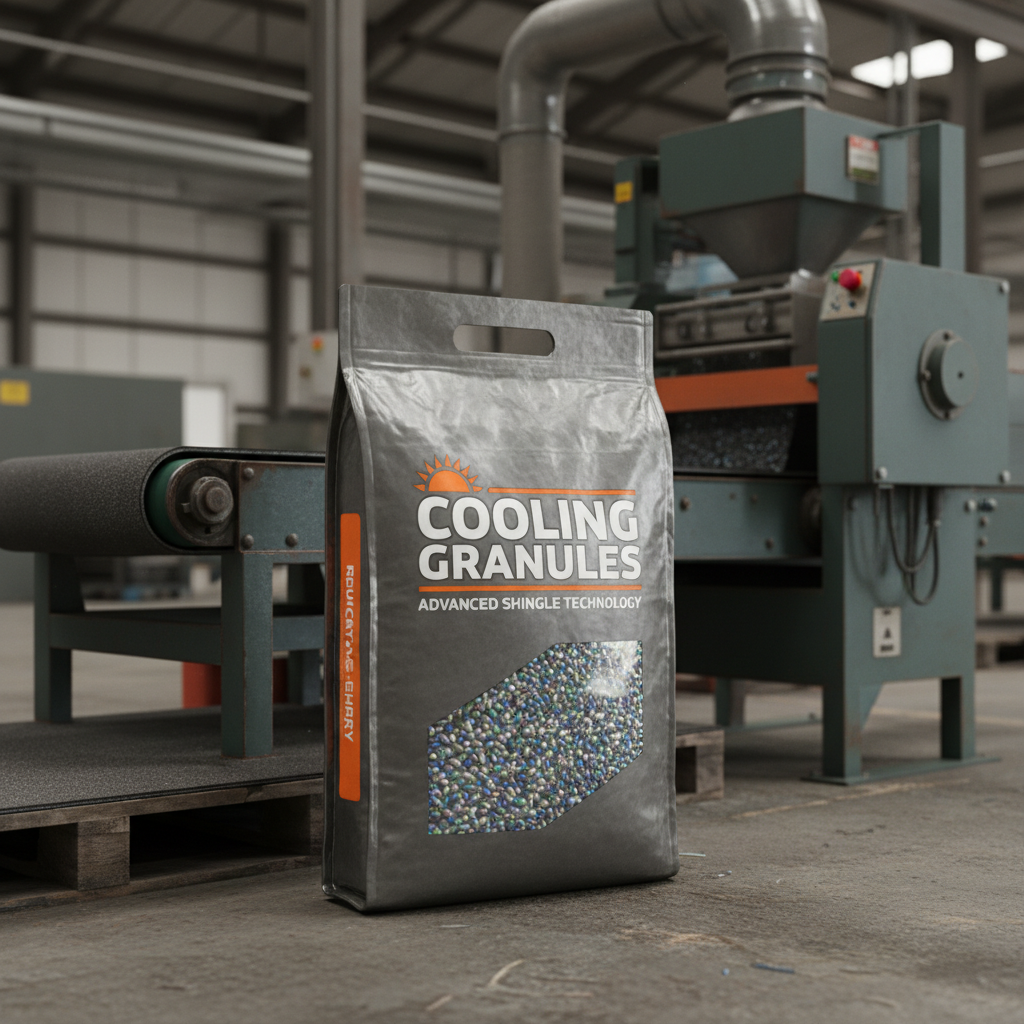
A house roof cooling sheet is generally a thin, lightweight material designed to be applied to existing roofing surfaces or integrated into new roofing systems. They are typically manufactured from highly reflective polymers, often incorporating specialized pigments or coatings to maximize solar reflectance. Common materials include modified acrylics, thermoplastic polyolefins (TPOs), and other advanced polymer blends.
Unlike traditional roofing materials that readily absorb heat, these sheets are engineered to minimize heat gain. They achieve this through a combination of factors: high albedo (reflectivity), high thermal emittance (ability to release absorbed heat), and low heat absorption capacity. The specific formulation and manufacturing process significantly influence these properties, determining the sheet’s overall cooling performance.
The connection of these sheets to modern industry is found in material science and nanotechnology, which constantly innovate in polymer chemistry and coating technologies. They address humanitarian needs by providing affordable and accessible cooling solutions for vulnerable populations in hot climates, improving living conditions and reducing heat-related illnesses.
Key Performance Indicators for house roof cooling sheet
Evaluating the effectiveness of a house roof cooling sheet requires considering several key performance indicators. Solar Reflectance is paramount, measured as the percentage of incoming solar radiation reflected by the sheet. Higher reflectance values indicate better cooling performance.
Thermal Emittance is equally crucial, representing the sheet’s ability to radiate absorbed heat back into the atmosphere. A high emittance value is desirable. Durability, expressed as the material's resistance to weathering, UV exposure, and physical damage, is another critical factor. Finally, cost-effectiveness, considering both initial material costs and long-term energy savings, plays a significant role in adoption.
Performance Comparison of house roof cooling sheet Methods
Real-World Applications of house roof cooling sheet
House roof cooling sheets are increasingly deployed in diverse settings. In post-disaster relief operations, they provide rapid, affordable shelter cooling, improving living conditions for affected communities. In remote industrial zones with limited access to traditional cooling infrastructure, they offer a sustainable alternative.
Urban areas are also seeing widespread adoption, with city governments incentivizing building owners to install cooling roofs to mitigate the urban heat island effect. Furthermore, the agricultural sector is exploring their use in greenhouses and livestock barns to regulate temperature and improve crop yields and animal welfare.
The Long-Term Benefits and Value Proposition
The advantages of employing a house roof cooling sheet extend far beyond simple temperature reduction. Tangible benefits include substantial energy cost savings, reduced strain on electricity grids, and prolonged roof lifespan due to decreased thermal stress. These economic benefits are coupled with significant environmental advantages, such as reduced greenhouse gas emissions and a smaller carbon footprint.
Beyond the practical advantages, the implementation of this technology promotes a sense of safety and well-being, particularly for vulnerable populations susceptible to heat-related illnesses. It fosters innovation in materials science and sustainable building practices, contributing to a more resilient and environmentally responsible future. It builds trust by demonstrating a commitment to climate action and responsible resource management.
Future Innovations in house roof cooling sheet Technology
The future of house roof cooling sheet technology is brimming with potential. Research is ongoing into incorporating phase-change materials (PCMs) into the sheet's composition, allowing them to store and release thermal energy, further enhancing their cooling capacity. Self-cleaning coatings are being developed to reduce maintenance and improve long-term performance.
Integration with smart building technologies, such as sensors and automated controls, will enable dynamic adjustment of cooling properties based on real-time weather conditions and occupancy patterns. Furthermore, advances in nanotechnology promise to create even more efficient and durable reflective coatings, pushing the boundaries of cool roofing performance.
The integration of renewable energy sources, such as thin-film solar cells embedded within the sheets, represents another exciting avenue for innovation, turning roofs into energy-generating assets.
Summary of Challenges and Solutions for house roof cooling sheet Implementation
| Challenge Area |
Impact on house roof cooling sheet Performance |
Proposed Solution |
Implementation Cost (Scale 1-10) |
| Initial Material Cost |
Can hinder widespread adoption, especially in developing countries. |
Government subsidies and bulk purchasing programs. |
6 |
| Durability and UV Resistance |
Degradation over time reduces reflectance and effectiveness. |
Advanced polymer formulations with UV stabilizers. |
7 |
| Installation Complexity |
Incorrect installation can compromise performance. |
Simplified installation guidelines and training programs. |
4 |
| Maintenance Requirements |
Dirt and debris accumulation can reduce reflectance. |
Self-cleaning coatings and regular cleaning schedules. |
5 |
| Lack of Awareness |
Limited understanding of benefits among consumers and builders. |
Public awareness campaigns and educational programs. |
3 |
| Scalability of Production |
Meeting growing demand requires increased manufacturing capacity. |
Investment in new manufacturing facilities and streamlined production processes. |
8 |
FAQS
Most high-quality house roof cooling sheets come with warranties ranging from 10 to 20 years, reflecting their durability and resistance to degradation. However, the actual lifespan can extend beyond the warranty period with proper maintenance. Factors like UV exposure, climate conditions, and installation quality can influence longevity. Expect a well-maintained sheet to perform effectively for 15-25 years, maintaining significant reflective properties.
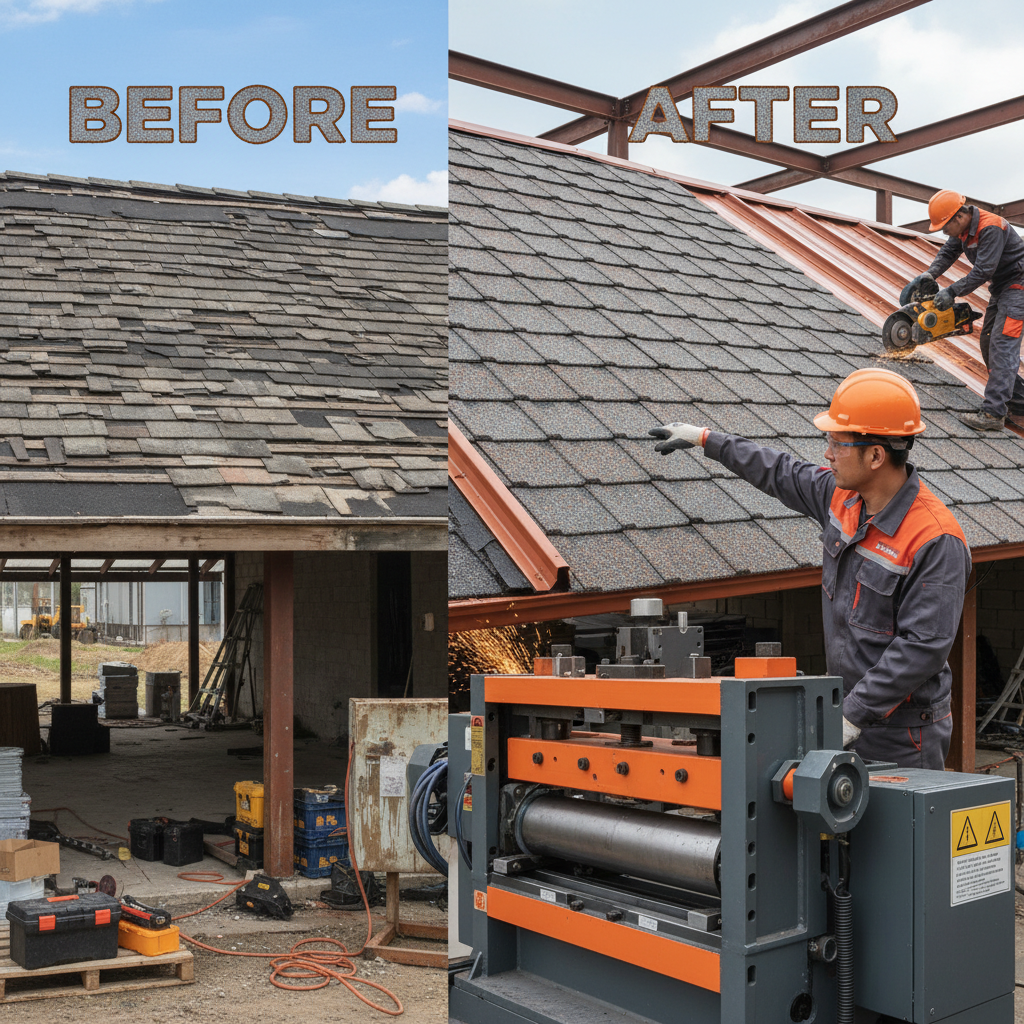
Installing house roof cooling sheets is generally simpler and less disruptive than replacing an entire roof. They can often be applied directly over existing roofing materials, reducing labor costs and minimizing waste. Installation typically involves cleaning the roof surface, unrolling the sheet, and securing it with adhesives or fasteners. Professional installation is recommended to ensure proper sealing and long-term performance, but a DIY approach is possible for experienced homeowners.
Many house roof cooling sheets are manufactured with recycled materials and are recyclable at the end of their lifespan, making them a more sustainable option compared to traditional roofing. By reducing energy consumption for cooling, they also contribute to lower greenhouse gas emissions. However, it's essential to check the manufacturer's specifications to ensure the product meets your environmental standards and has appropriate certifications.
The ROI for house roof cooling sheets varies depending on factors like climate, energy costs, and building size. However, most installations result in significant energy savings, often leading to a payback period of 3-7 years. Reduced maintenance costs and extended roof lifespan further contribute to the overall ROI. Government incentives and rebates can also accelerate the payback period.
While house roof cooling sheets are adaptable to many roofing surfaces, compatibility depends on the existing material. They generally adhere well to metal, modified bitumen, and single-ply membranes. Compatibility with slate or wood shakes may require special preparation or adhesives. Always consult the manufacturer's guidelines to ensure proper adhesion and long-term performance for your specific roofing type.
While primarily designed for heat reduction, house roof cooling sheets can also offer benefits in colder climates. By reflecting solar radiation during winter, they can reduce snow melt and ice dam formation. However, some heat loss may occur through the sheet itself, so proper insulation is crucial to maximize energy efficiency. Careful consideration of the climate and insulation levels is important for optimal performance.
Conclusion
In conclusion, house roof cooling sheet technology represents a compelling solution for mitigating the impacts of rising temperatures and reducing energy consumption in buildings. Their ability to reflect sunlight, emit heat, and adapt to diverse climates makes them a valuable asset in the pursuit of sustainable and resilient infrastructure. From reducing energy costs to improving indoor comfort and protecting the environment, the benefits are multifaceted and far-reaching.
Looking ahead, continued innovation in materials science and integration with smart building technologies will further enhance the performance and affordability of these cooling solutions. By embracing this technology, we can create more comfortable, energy-efficient, and environmentally responsible buildings, contributing to a more sustainable future for all. Visit our website at www.coolroofmaterials.com to learn more and explore our range of high-performance cooling sheet products.