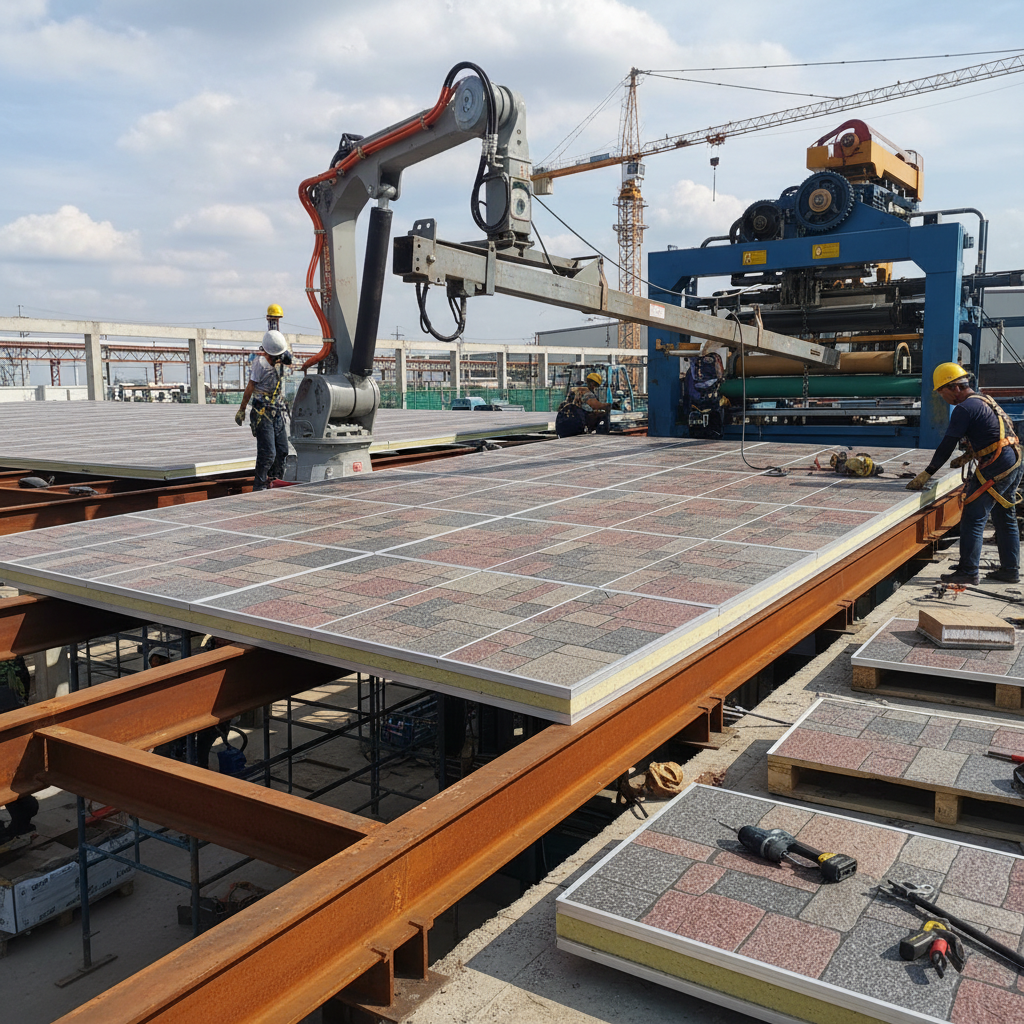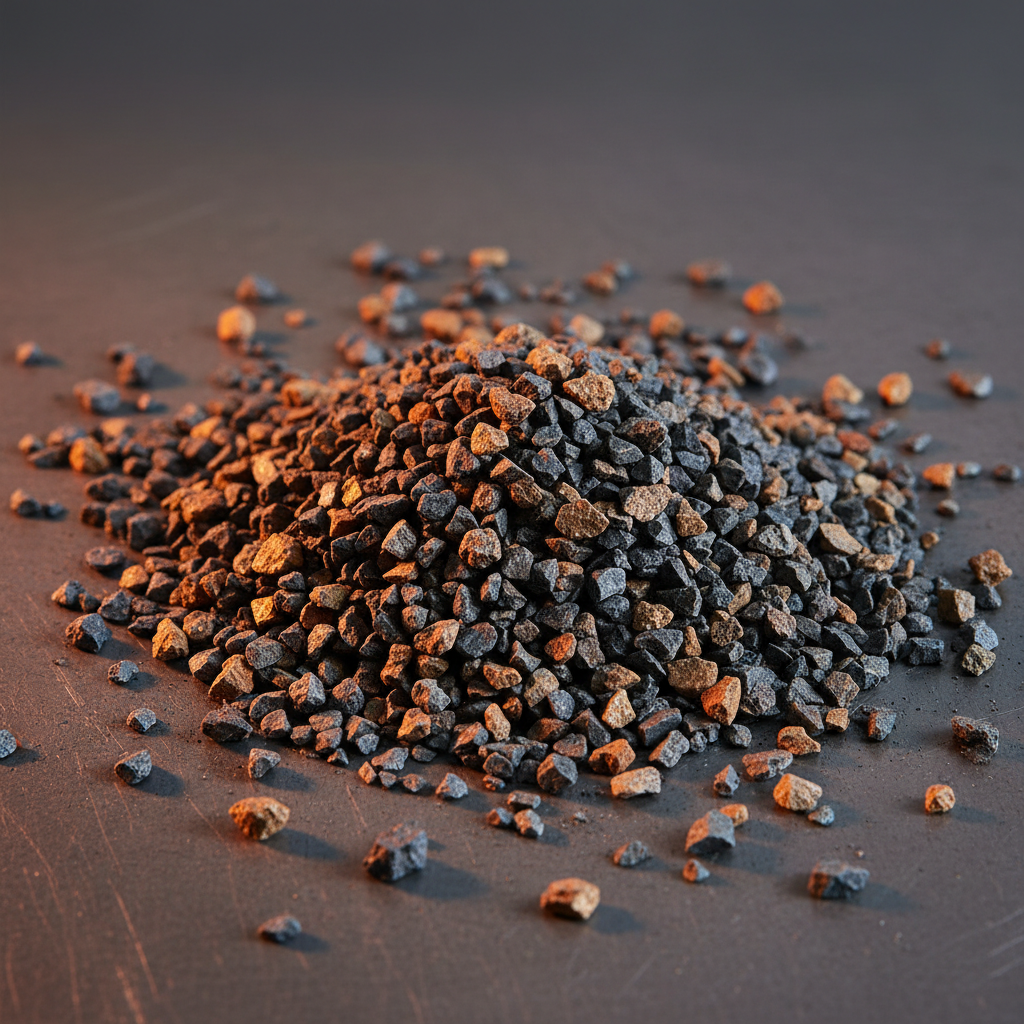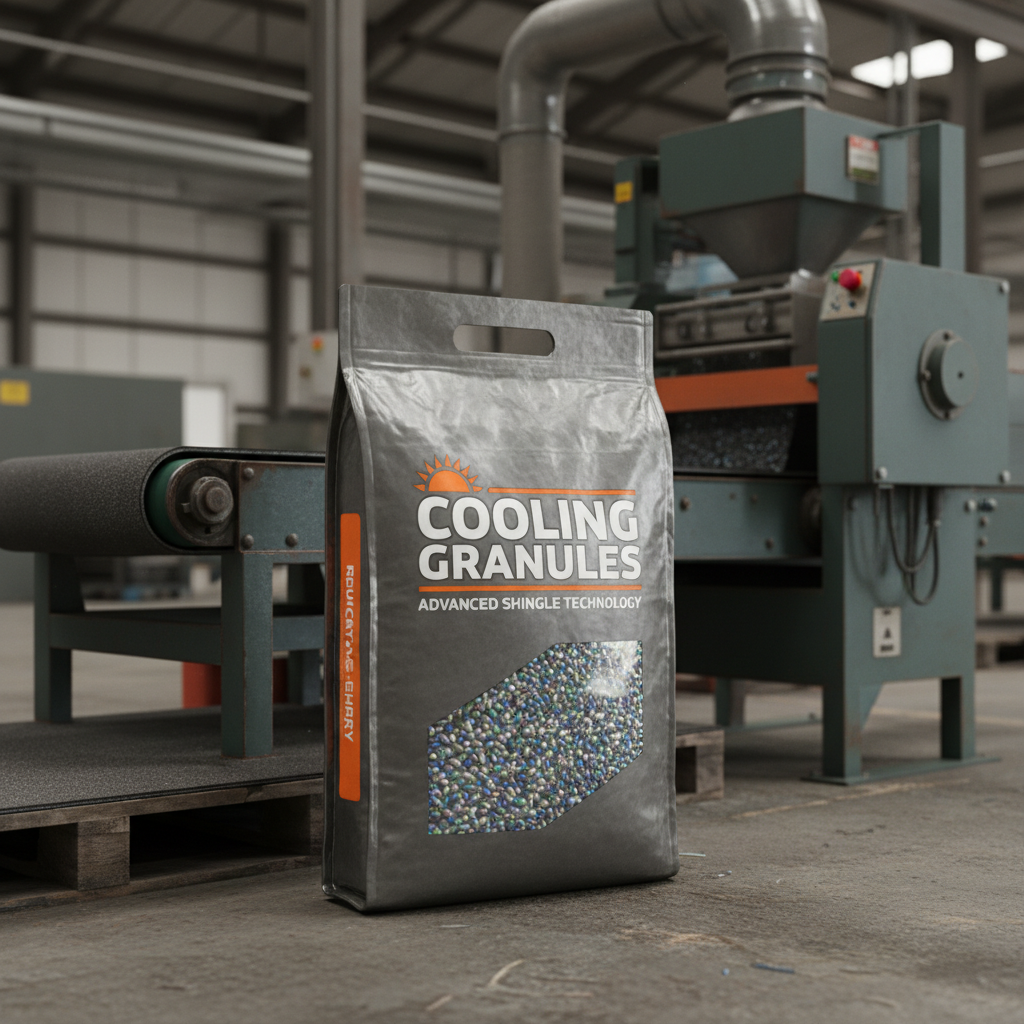
To be honest, this roofing granule stuff…it’s been a year. A year of dust, heat, and trying to explain to foremen why “slightly off-color” does matter. It’s funny, you spend all this time in design, running simulations, and then you get on-site and it's all about feel. The weight of the bag, how the granules flow…that’s what tells you something. Right now, everyone’s obsessed with sustainability, which is good, don’t get me wrong. But "eco-friendly" became a buzzword. Everyone wants recycled content, and that’s great, but the consistency... that’s where it gets tricky.
Have you noticed, though, how everyone’s trying to go lighter weight? It’s all about reducing structural load. Makes sense, saves money on steel. But lighter doesn't always mean better. I encountered this at a factory in Foshan last time - they were pushing a new polymer-based granule, super light, supposedly revolutionary. Looked good on paper. But when it got rained on…let’s just say it didn’t hold up. It swelled, lost its integrity. Turns out, the bonding agent wasn’t compatible with prolonged moisture exposure. Silly, right? Should’ve seen it coming.
Anyway, I think a lot of folks underestimate the actual materials. We’re using basalt, mostly. Feels gritty, a little oily to the touch. Smells… well, it smells like rock. Which is good, honestly. You want something natural. We get it from a quarry in Shanxi province. They send us samples every batch, and we put it through the wringer.
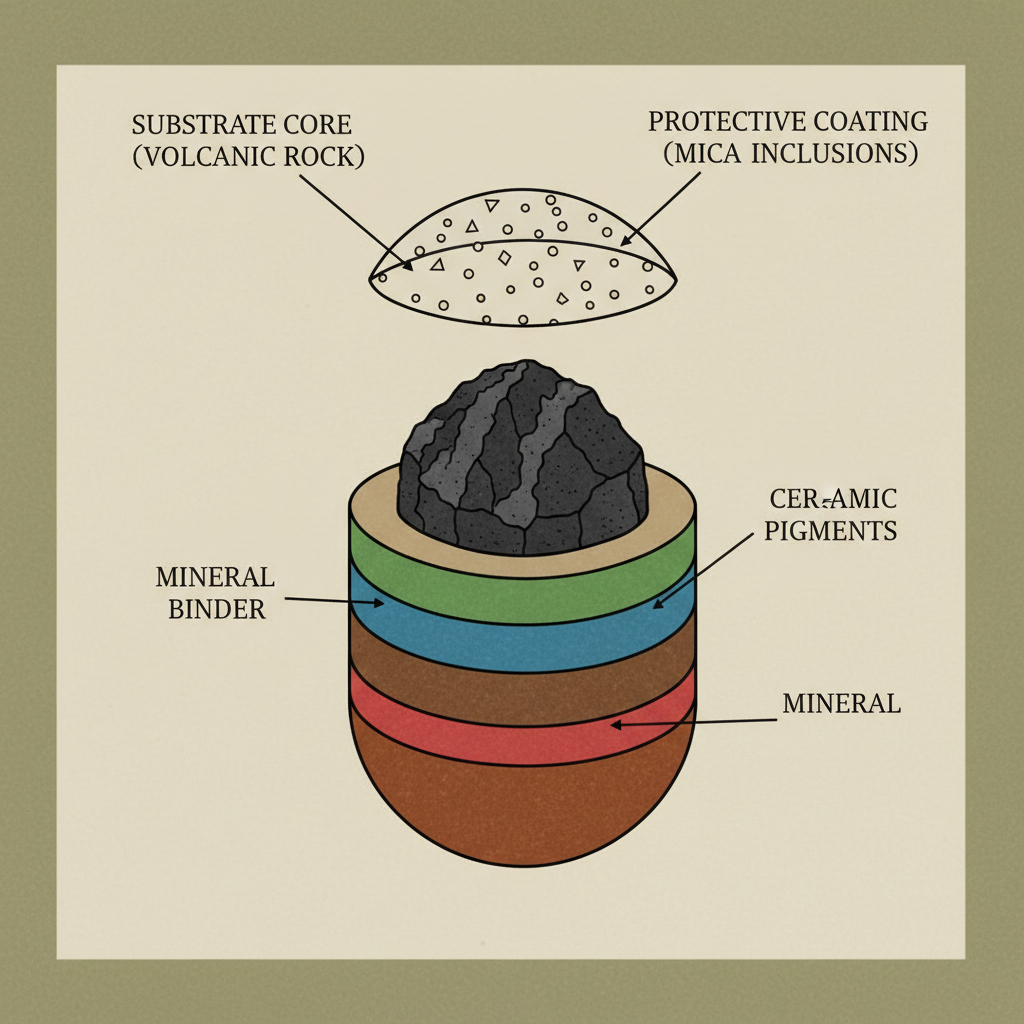

Strangely enough, the biggest driver of change isn’t technology, it’s regulation. Stringent VOC requirements, fire safety codes…they’re pushing innovation more than any new coating or binding agent. We’re seeing a lot of demand for granules that meet specific environmental standards, particularly in Europe and California. It's a headache, honestly, constantly updating formulations, but it’s necessary.
The market’s also segmented now. You've got your standard asphalt shingle granules, your modified bitumen granules, and then the premium stuff – the ones with the algae resistance and enhanced UV protection. It's getting complicated.
It varies greatly depending on the climate and the quality of the granules, but generally, you can expect a significant loss of granules within 10-15 years. This doesn't necessarily mean the roof is failing, but it does indicate that the protective layer is thinning. We usually recommend inspection at the 10-year mark. The initial years usually see the most loss, and it stabilizes after that, but depends heavily on foot traffic.
No, not at all. Particle size distribution is critical. You want a mix of sizes to create a tight, interlocking layer. Too fine, and they'll wash away. Too coarse, and they won't embed properly. We carefully control the particle size distribution during manufacturing. It's a deceptively complex process. A good mix will have everything from very fine particles to small chips.
That depends on the coating. Standard granules are susceptible to algae growth, especially in humid climates. We offer algae-resistant granules with copper or zinc compounds embedded in the coating. These inhibit algae growth, but they're more expensive. It’s a tradeoff between cost and aesthetics. You can often tell if a roof needs cleaning if it has dark streaks running down it.
Darker colored granules absorb more heat, while lighter colored granules reflect more heat. This can significantly impact roof temperature and energy costs. If you live in a hot climate, lighter-colored granules are a good choice. They can help reduce your cooling bills. It's a simple concept, but it makes a big difference.
It's difficult, but we're working on it. Traditional recycling methods aren't effective because the granules are mixed with asphalt. We are exploring methods to separate the granules, but it's a major challenge. Some companies are using them as aggregate in road construction, but that's not a widespread practice. It’s a priority for us, but there’s still a long way to go.
Absolutely. Granules designed for asphalt shingles are different from those used for modified bitumen or metal roofing. The binder compatibility and abrasion resistance requirements vary significantly. You can't just use any granule on any roof. It's a specialized field, and choosing the right granule is crucial for long-term performance. You really need to understand the chemistry involved.
Ultimately, roofing granules are a surprisingly complex and vital component of any asphalt shingle roof. They’re not glamorous, but they do a tough job, protecting the underlying asphalt from the elements. It's a delicate balance of material science, manufacturing precision, and real-world performance. We spend a lot of time chasing small improvements, tweaking formulations, and testing new materials.
But at the end of the day, whether this thing works or not, the worker will know the moment he tightens the screw. That's what it comes down to – the feel, the weight, the confidence that it’s going to hold up for years to come. If you want to learn more about finding the right roofing granules for your project, visit our website: www.coolroofmaterials.com