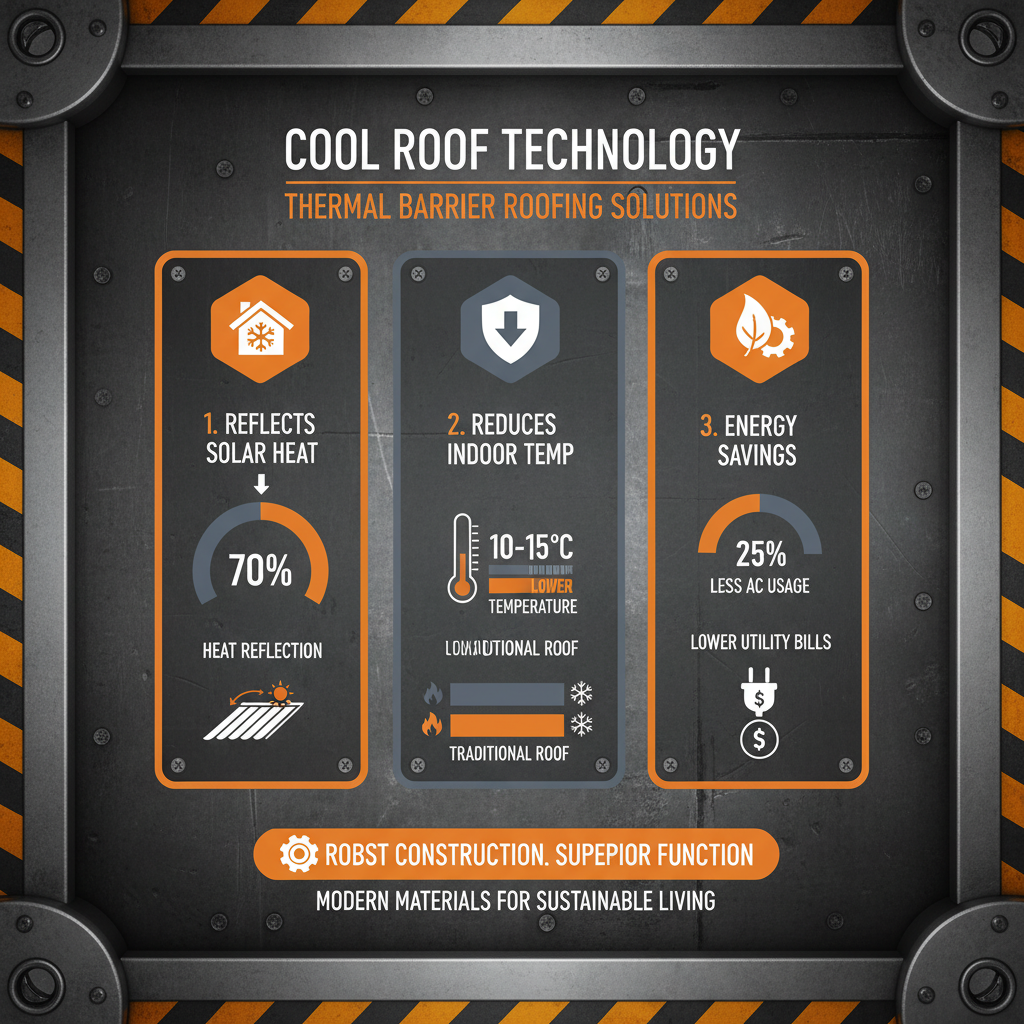
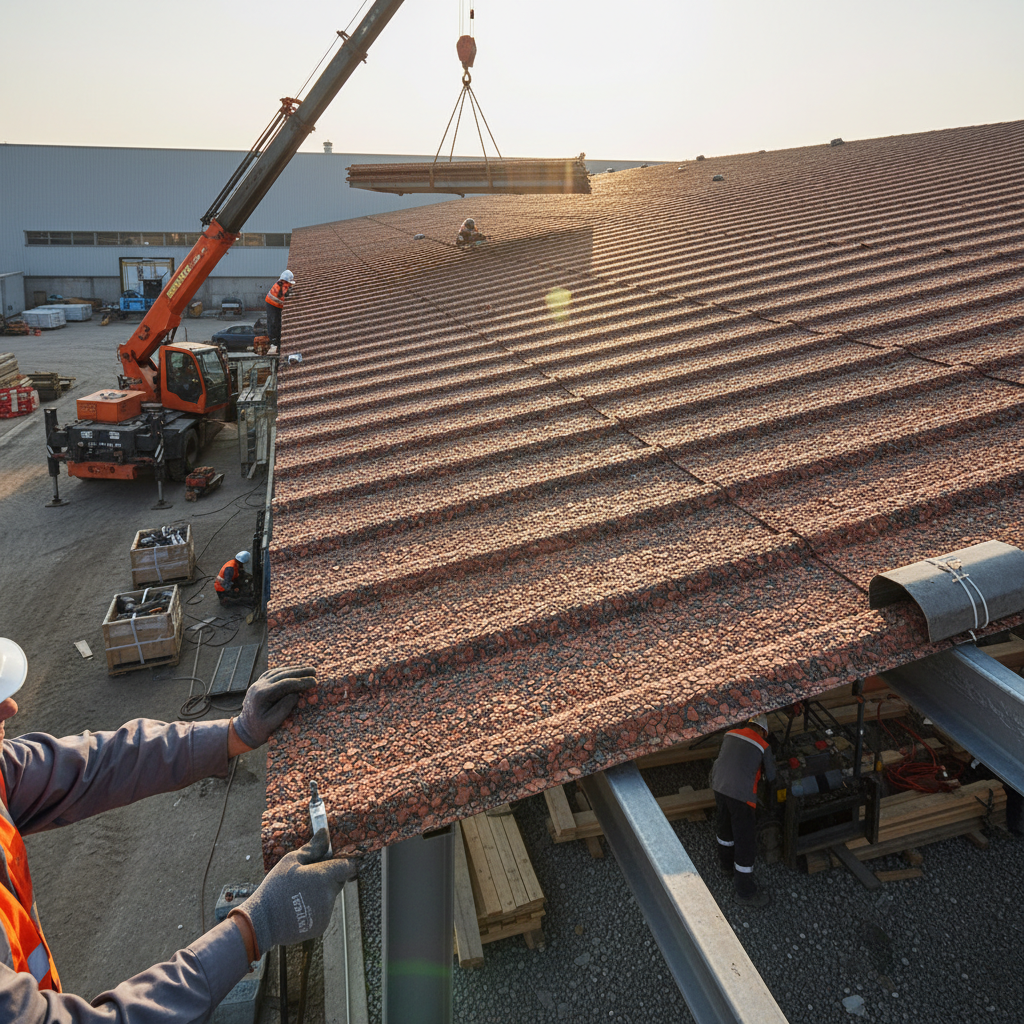
Cement sheet roof cooling is becoming increasingly critical in a world facing escalating temperatures and a growing need for sustainable building solutions. This practice encompasses a range of techniques designed to reduce heat absorption and transfer through cement sheet roofing, ultimately lowering indoor temperatures and energy consumption. Its relevance spans from residential buildings in hot climates to large-scale industrial facilities seeking to optimize operational efficiency.
The global implications of effective cement sheet roof cooling are significant. Rising global temperatures, exacerbated by climate change, are placing immense strain on energy grids and impacting human health. Implementing cooling strategies for buildings can substantially reduce the demand for air conditioning, lowering carbon emissions and alleviating pressure on power infrastructure. Furthermore, improved thermal comfort enhances productivity and quality of life, particularly in vulnerable populations.
Understanding the principles and applications of cement sheet roof cooling is no longer a niche concern but a vital component of responsible building design and climate adaptation. From cost savings to environmental benefits and increased comfort, the advantages are multifaceted and far-reaching. The innovative materials and technologies emerging in this field offer promising solutions for a more sustainable future.
Introduction to cement sheet roof cooling
Cement sheet roofing is a common building material globally, particularly in regions where affordability and durability are paramount. However, standard cement sheets readily absorb solar radiation, contributing to heat buildup within structures. Cement sheet roof cooling addresses this issue through a variety of methods designed to mitigate heat transfer.
These methods can range from simple reflective coatings to more advanced techniques like incorporating phase-change materials or creating ventilated air spaces beneath the roofing. Effective cement sheet roof cooling not only enhances indoor comfort but also reduces the energy demand for cooling systems, leading to substantial cost savings and a smaller environmental footprint.
Global Context and Relevance
The need for effective cement sheet roof cooling is driven by several global factors. According to the UN, over half of the world’s population currently lives in urban areas, a figure projected to reach 68% by 2050. This rapid urbanization often leads to the ‘urban heat island’ effect, where cities experience significantly higher temperatures than surrounding rural areas. Cement sheet roofing, prevalent in many developing urban centers, exacerbates this problem.
Furthermore, the World Bank estimates that energy demand for cooling will triple by 2050, placing a significant strain on global energy resources. Many regions lack the infrastructure to meet this increased demand, and relying on traditional air conditioning contributes to greenhouse gas emissions. Implementing strategies like cement sheet roof cooling is crucial for mitigating these challenges and promoting sustainable development.
The ISO (International Organization for Standardization) has developed standards for building energy performance, including requirements for thermal insulation and reflective roofing materials. These standards are increasingly being adopted worldwide, driving the demand for innovative solutions in cement sheet roof cooling technologies.
Defining cement sheet roof cooling
Cement sheet roof cooling refers to the process of reducing heat transfer through cement sheet roofing materials and systems. This is achieved by minimizing the absorption of solar radiation, enhancing the roof’s ability to reflect sunlight, and improving insulation to prevent heat from entering the building. It's a proactive approach to thermal management.
Unlike simply mitigating the effects of heat inside a building, cement sheet roof cooling focuses on tackling the problem at its source: the roof itself. This preventative approach is more energy-efficient and cost-effective in the long run. It's particularly vital in regions with intense sunlight and limited access to consistent power.
Its connection to modern industry and humanitarian needs is direct. In construction, it facilitates the creation of more sustainable and energy-efficient buildings. In humanitarian contexts, especially post-disaster relief, rapidly deployable shelters utilizing cooled cement sheet roofing provide a safe and comfortable living environment for affected populations.
Key Factors in Effective Cooling
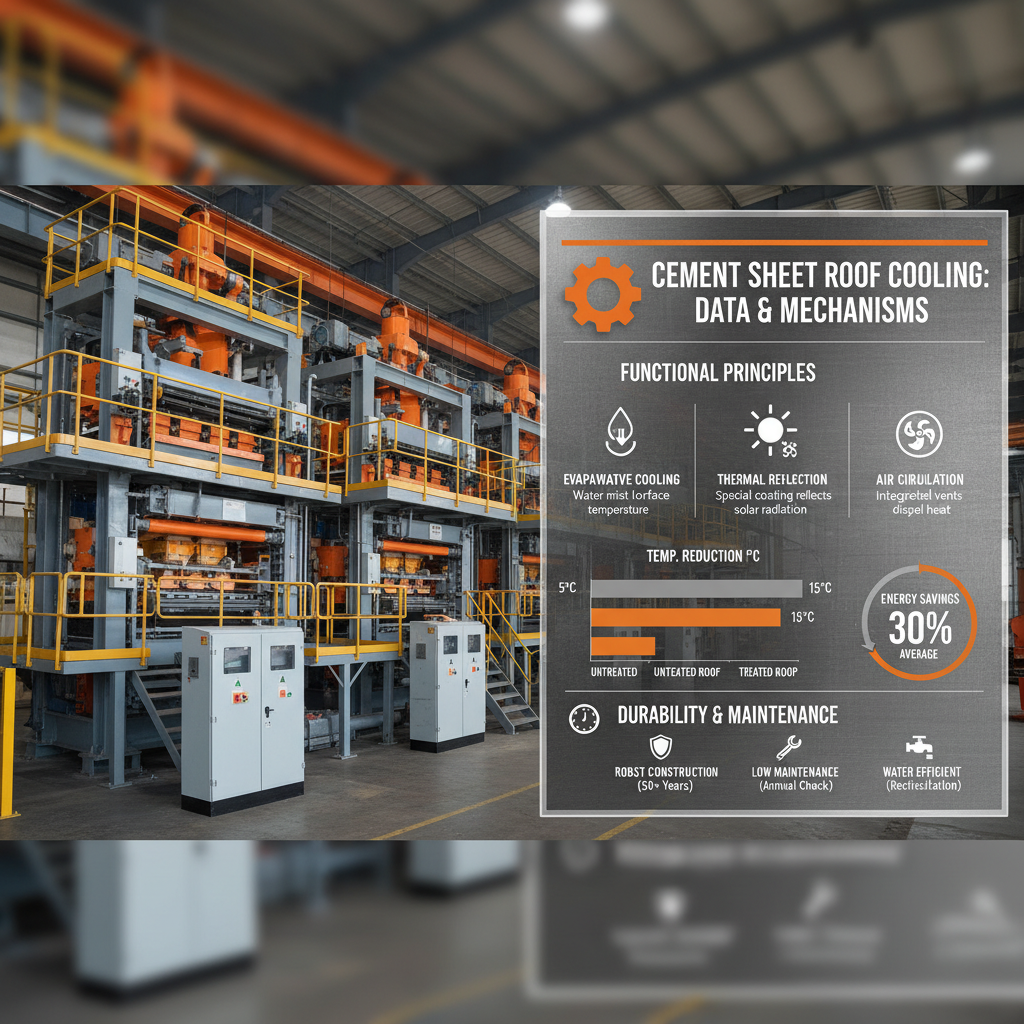
Several key factors contribute to the effectiveness of cement sheet roof cooling. Firstly, Reflectivity – the ability of the roofing material to reflect sunlight – is crucial. High-albedo coatings can significantly reduce heat absorption. Secondly, Insulation prevents heat from conducting through the roofing material into the building.
Thirdly, Ventilation – creating airflow beneath the roof – helps to dissipate heat. This can be achieved through raised roofing systems or ventilation openings. Fourthly, Emissivity – the material’s ability to radiate heat away – plays a role, though less prominent than reflectivity and insulation. Fifthly, Material Composition – incorporating phase change materials (PCMs) or other cooling additives directly into the cement sheet itself can store and release thermal energy. Finally, Durability is essential to ensure long-term performance.
Comparative Effectiveness of cement sheet roof cooling Methods
Real-World Applications
Cement sheet roof cooling is applied across a diverse range of contexts. In residential construction, particularly in tropical and subtropical climates, reflective coatings and insulated cement sheets are commonly used to reduce indoor temperatures and lower energy bills. In industrial settings, such as warehouses and manufacturing facilities, cooled roofing systems help maintain comfortable working conditions and protect sensitive equipment.
In post-disaster relief operations, rapidly deployable shelters often utilize cement sheets treated with reflective coatings to provide immediate cooling and protection to displaced populations. In remote industrial zones, where reliable power access is limited, cement sheet roof cooling can reduce the need for energy-intensive air conditioning.
Advantages and Long-Term Value
The advantages of implementing cement sheet roof cooling are substantial. Tangible benefits include reduced energy costs, improved indoor comfort, extended roof lifespan (due to reduced thermal stress), and a smaller carbon footprint. The initial investment in cooled roofing systems can often be recouped through energy savings within a few years.
Beyond the economic benefits, cement sheet roof cooling offers significant social and environmental value. Improved thermal comfort enhances productivity, health, and well-being. A reduced reliance on air conditioning contributes to a more sustainable energy future and mitigates the impacts of climate change. Furthermore, the increased durability of cooled roofing systems reduces waste and conserves resources.
Future Trends and Innovations
The field of cement sheet roof cooling is constantly evolving, driven by advancements in materials science and green building technologies. Emerging trends include the development of self-cooling cement sheets incorporating advanced phase-change materials and nanotechnologies. Research is also focused on integrating smart sensors and control systems to optimize cooling performance based on real-time weather conditions.
The growing emphasis on sustainable construction and net-zero energy buildings is further accelerating innovation in this area. Policies promoting energy efficiency and green building standards are creating a market demand for high-performance cooled roofing systems. Digital technologies, such as Building Information Modeling (BIM), are also playing a role in optimizing the design and implementation of cement sheet roof cooling solutions.
Automation in manufacturing processes, coupled with breakthroughs in material science, promise to lower the cost of advanced cooling technologies, making them more accessible to a wider range of applications and geographic locations.
FAQS
Implementing cement sheet roof cooling methods, such as reflective coatings or insulation, can significantly extend the lifespan of your roof. By reducing thermal stress caused by expansion and contraction, these techniques can add 5-15 years to the roof's functional life. The exact extension depends on the climate, materials used, and maintenance practices, but proactive cooling is a key factor in long-term durability.
While the initial investment in cement sheet roof cooling may vary, it’s generally lower than installing and operating a traditional air conditioning system. Cooled roofing focuses on preventing heat buildup, reducing the need for AC. Over the lifespan of the roof, the energy savings often outweigh the initial cost. Plus, there are fewer maintenance requirements compared to complex AC units.
Yes, cement sheet roof cooling is beneficial in humid climates, although the mechanisms differ slightly from dry climates. While reflectivity is crucial everywhere, ventilation and insulation are particularly important in reducing moisture buildup and preventing condensation. Effective cooling can also reduce the load on dehumidification systems, leading to energy savings.
Acrylic and elastomeric coatings are popular choices for cement sheet roofs. Acrylics are generally more affordable, while elastomeric coatings offer greater durability and flexibility, better accommodating roof movement. Look for coatings with a high Solar Reflectance Index (SRI) for optimal performance. Consider coatings specifically formulated for cementitious substrates to ensure proper adhesion.
While some simpler solutions, like applying reflective paint, can be DIY projects, more complex systems like installing insulation or ventilation require professional expertise. Improper installation can compromise performance and even damage the roof. Consulting with a qualified roofing contractor ensures the job is done safely and effectively.
Phase change materials (PCMs) absorb and release thermal energy during the process of melting and solidifying. When integrated into cement sheets, they absorb heat during the day as they melt, keeping the roof cooler. At night, as the temperature drops, they solidify, releasing the stored heat. This helps regulate indoor temperatures and reduce energy consumption, providing a passive cooling effect.
Conclusion
Cement sheet roof cooling represents a vital strategy for enhancing building sustainability, reducing energy consumption, and improving indoor comfort. From simple reflective coatings to advanced phase-change materials, a variety of techniques are available to mitigate heat transfer and create more resilient and energy-efficient structures. The global benefits extend beyond individual buildings, contributing to a smaller carbon footprint and a more sustainable future.
Looking ahead, continued innovation in materials science, coupled with supportive policies and increasing awareness, will drive the widespread adoption of cement sheet roof cooling solutions. Investing in these technologies is not merely an economic decision; it’s a commitment to environmental responsibility and a more comfortable, sustainable world.