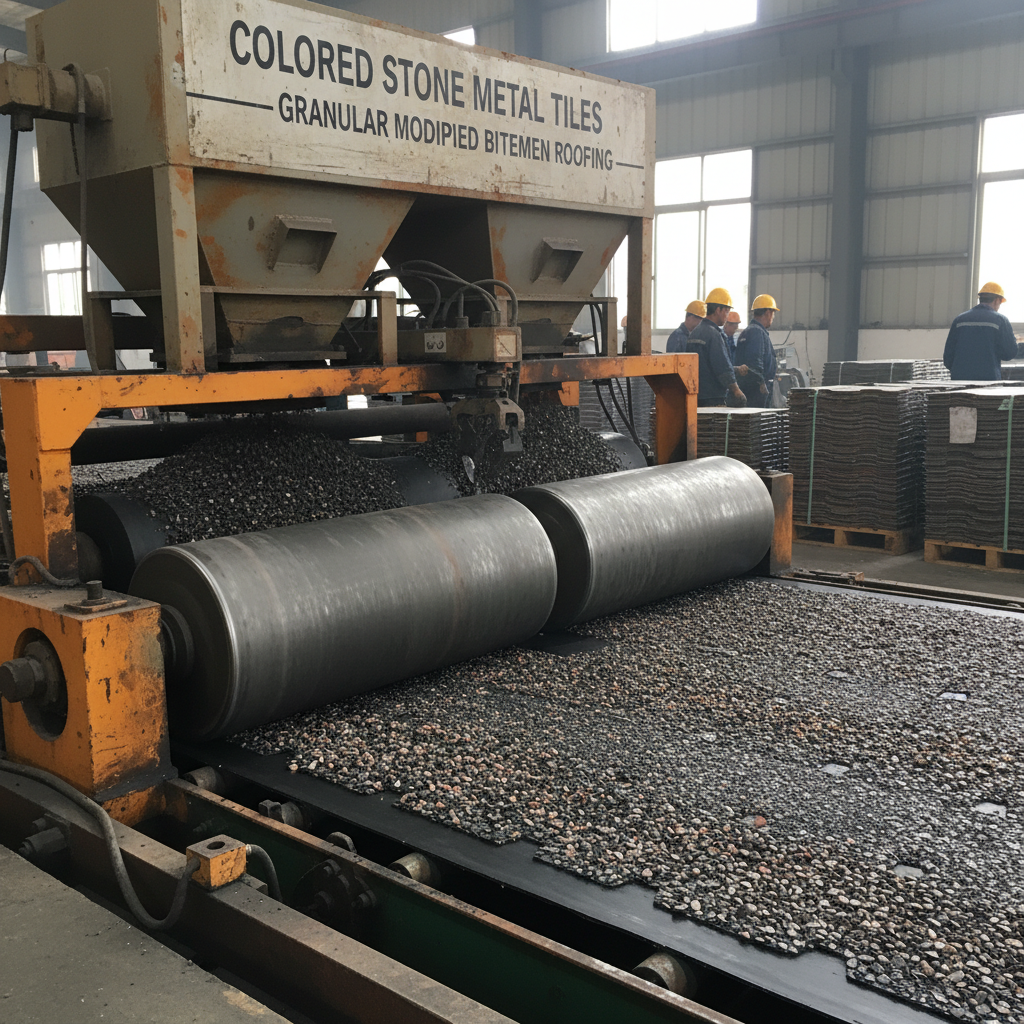
The composition of roof shingles, particularly asphalt shingles, relies heavily on the quality and characteristics of the granules embedded within them. These granules on roof shingles are far more than just a colorful surface; they are crucial for protecting the asphalt from UV degradation, providing fire resistance, and influencing the overall lifespan and performance of the roofing material. Understanding the intricacies of these granules – their composition, application, and evolving technologies – is vital for homeowners, contractors, and manufacturers alike.
Globally, the roofing industry is a multi-billion dollar market, with asphalt shingles remaining a dominant material in many regions. Concerns about energy efficiency, environmental impact, and building resilience are driving innovation in roofing technologies, with a strong focus on cool roofing solutions. Granules on roof shingles play a key role in achieving these goals, particularly through the use of highly reflective ceramic granules that reduce heat absorption and lower cooling costs. The demand for durable, sustainable, and cost-effective roofing solutions is increasing worldwide.
The effective use of granules on roof shingles isn’t simply about aesthetics. It's a critical component of a building's overall performance, contributing to energy savings, reduced urban heat island effect, and extended roof lifespan. This makes it an important consideration in both new construction and roof replacement projects, aligning with global efforts towards sustainable building practices.
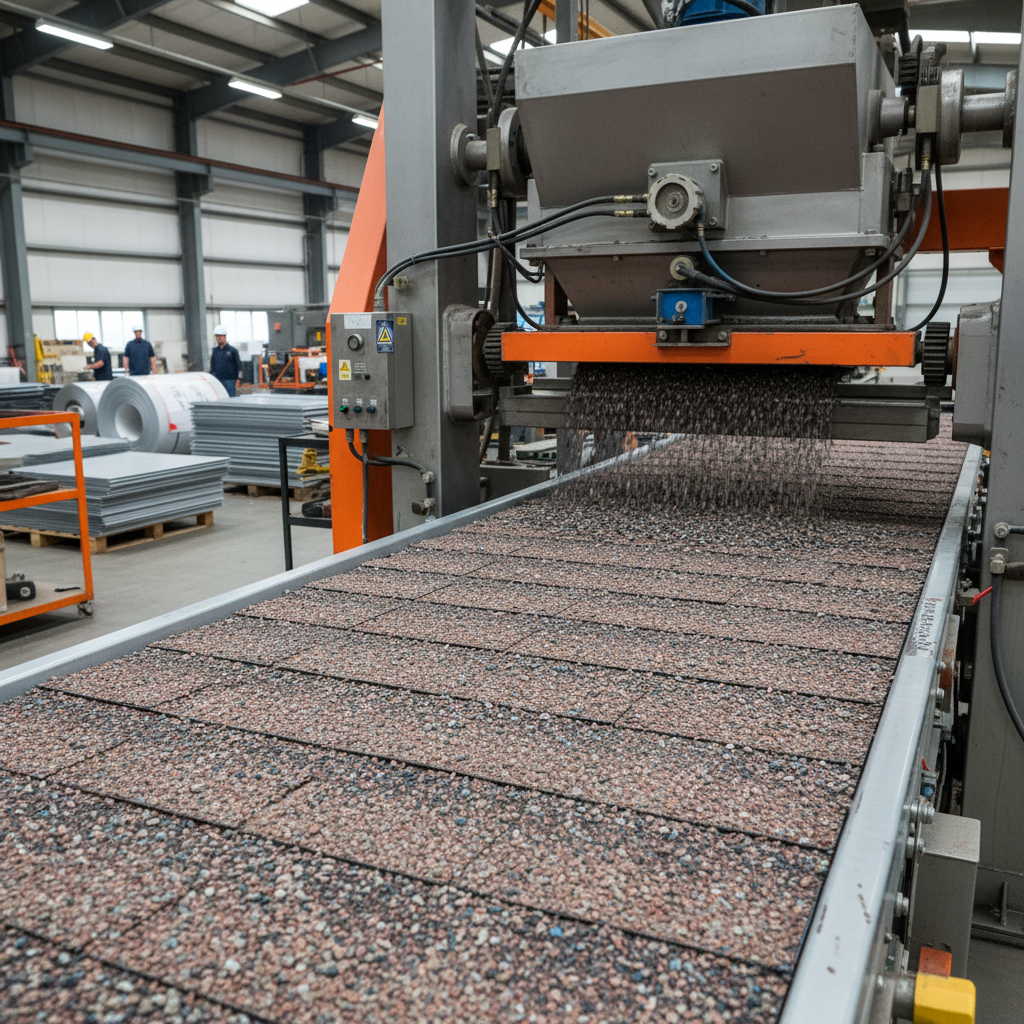
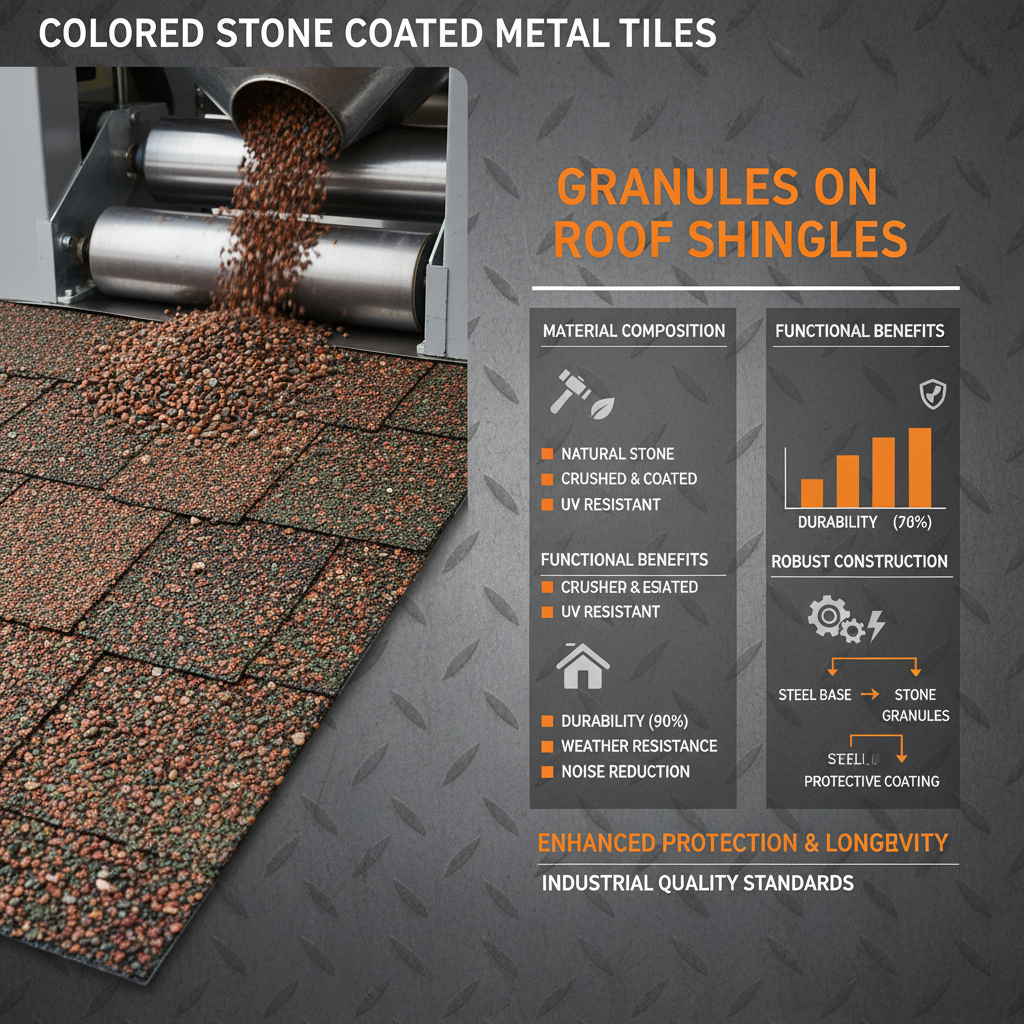
The protective layer provided by granules on roof shingles is the first line of defense against the elements. They shield the asphalt from harmful ultraviolet (UV) radiation, which causes oxidation and premature aging. Without this protection, asphalt shingles would quickly become brittle, crack, and lose their ability to effectively weatherproof a building.
Beyond UV protection, roof granules contribute significantly to fire resistance. Many shingles are treated with fire-retardant materials incorporated into the granule coating, enhancing their ability to withstand exposure to flames and prevent the spread of fire. This makes the granules on roof shingles a critical safety component.
The lifespan of roof granules varies depending on the quality of the granules, the climate, and the level of exposure to the elements. Generally, high-quality granules can last 10-20 years, though some granule loss is normal over time. Significant granule loss, exposing the asphalt, indicates a potential problem requiring attention.
Inspect your gutters after a heavy rain. A small amount of granules is normal, but a large accumulation suggests excessive granule loss. Also, check the runoff from your roof – if you see a noticeable amount of granules in the water, it’s a sign that your roof may need inspection. Look for shiny spots on the shingles where granules have been lost.
For homeowners in hot climates, cool roof granules can be a worthwhile investment. They reflect more sunlight, reducing the temperature of the roof and lowering cooling costs. This can lead to significant energy savings over the lifespan of the roof. The payback period depends on your climate and energy consumption.
Roof granules are typically made from crushed rock, such as granite, slate, basalt, or recycled materials like glass. The specific material used influences the granule's durability, reflectivity, and color. Ceramic coatings are applied to provide color and enhance reflectivity. The source and processing of the base rock are also critical quality factors.
Many roof granules are treated with fire-retardant materials. These materials help to slow the spread of flames and prevent the roof from easily igniting. While granules don't make a roof completely fireproof, they significantly enhance its fire resistance, contributing to building safety.
Re-applying granules to an existing roof is generally not recommended as a long-term solution. While there are granule coating products available, they typically provide only a temporary fix. Significant granule loss usually indicates underlying issues with the asphalt shingle itself, and a full roof replacement may be necessary.
In conclusion, granules on roof shingles represent a crucial, often underestimated, component of a durable, energy-efficient, and aesthetically pleasing roofing system. Their protective qualities, combined with innovations in reflectivity and sustainability, make them essential for both residential and commercial buildings globally. Understanding the nuances of granule technology is vital for informed decision-making by homeowners, contractors, and manufacturers alike.
Looking ahead, continued advancements in granule materials and coatings will drive further improvements in roof performance and sustainability. By embracing these innovations, we can create more resilient and environmentally responsible buildings that contribute to a healthier planet. For more information on high-quality roofing materials, including advanced granule technologies, visit our website: www.coolroofmaterials.com.