Look, I’ve been tracking granules from roof shingles for over fifteen years now - not from an office, but on actual job sites, feeling the grit between my fingers, watching them weather storms, and talking to the crews who rely on them. It’s not just about aesthetics; it's about the long-term integrity of a roof, the cost-effectiveness for homeowners, and increasingly, what happens to these materials at the end of their life. It's a surprisingly complex little component that impacts a massive industry.
The sheer volume of roof shingles installed annually is staggering. Globally, the roofing market is a multi-billion dollar industry, and a significant portion of that cost is tied to the quality and performance of the granules. We’re not just talking about color and style anymore. Modern granules are engineered with specific properties to reflect sunlight, resist algae growth, and withstand extreme weather. Ignoring the importance of these tiny pieces is ignoring a key driver of building performance and longevity.
What I've seen shift in recent years is a growing awareness about the circular economy and responsible material sourcing. We’re starting to see real innovation in how these granules are produced and how we can reclaim and reuse them, rather than simply sending them to landfill. That’s where things get really interesting, and where we, as an industry, have a huge opportunity to make a positive impact.
The Importance of Granules from Roof Shingles
Now, these aren’t just cosmetic. The granules are the primary barrier protecting the asphalt from UV degradation. Without them, your roof lifespan gets cut drastically. We’re talking years, not decades. I’ve seen roofs fail prematurely because of subpar granule adhesion or low-quality materials. It's a costly mistake for homeowners.
What I also see is the increasing demand for specialized granules. We’re moving beyond basic color matching. Cool roof granules, for example, are designed to reflect solar radiation, reducing energy costs and urban heat island effects. Algae-resistant granules are crucial in humid climates. The functionality is expanding, and that’s driving innovation in the manufacturing process.
The Global Context of Roofing Granules
The roofing market globally is huge – think hundreds of billions of dollars. The UN estimates that over half the world's population lives in urban areas, and a massive amount of construction is happening to accommodate that growth. And almost all of that construction, in some way, involves roofing materials. This translates to an enormous demand for roof shingles and, consequently, granules from roof shingles.
Regulations are also playing a big role. In Europe, stricter energy efficiency standards are driving demand for cool roof technologies, increasing the need for reflective granules. In the US, we’re seeing more states adopting building codes that require more durable and sustainable roofing materials. The ISO standards are continually being updated to reflect these changes, and manufacturers are scrambling to keep up.
The challenge is ensuring consistent quality and responsible sourcing on a global scale. I’ve seen firsthand the issues that arise when lower-grade materials are used to cut costs. It might save money upfront, but it always leads to more problems – and more expense – down the line.
Defining Granules from Roof Shingles
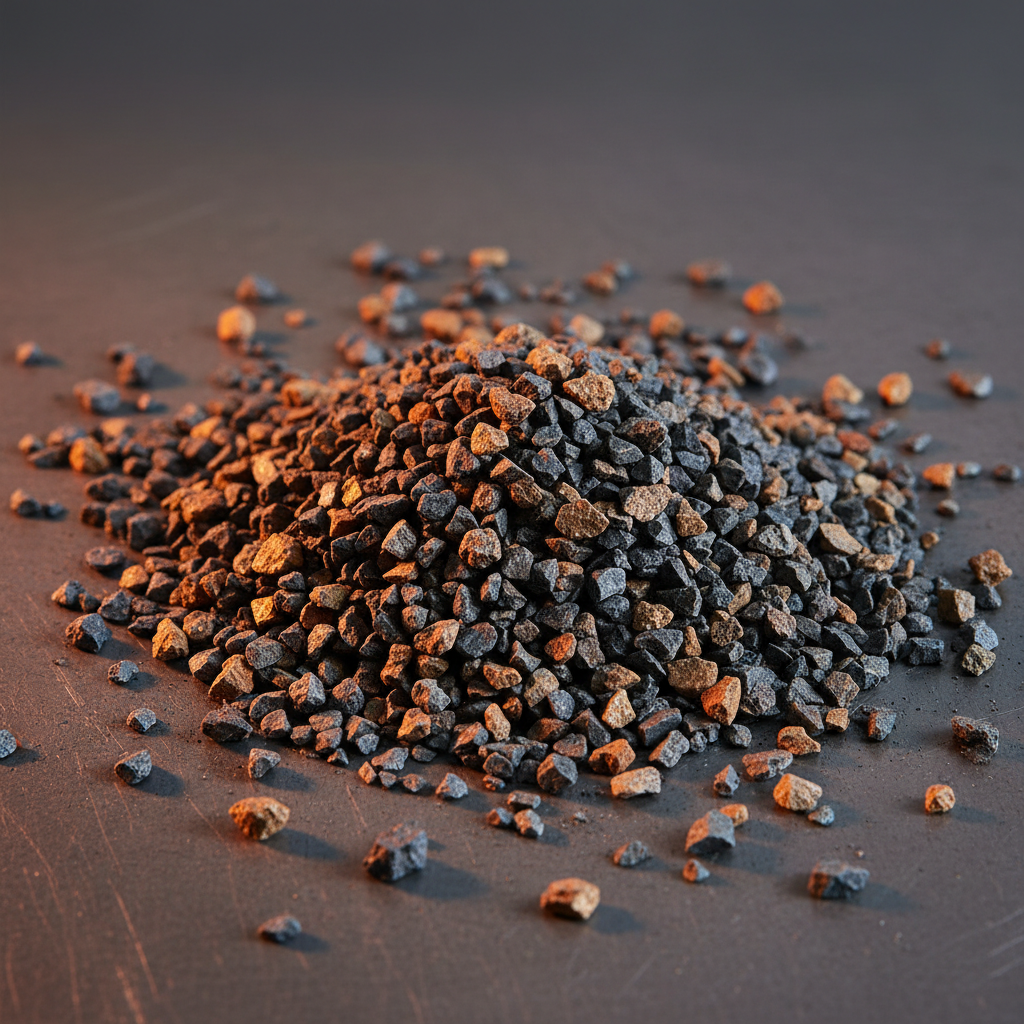
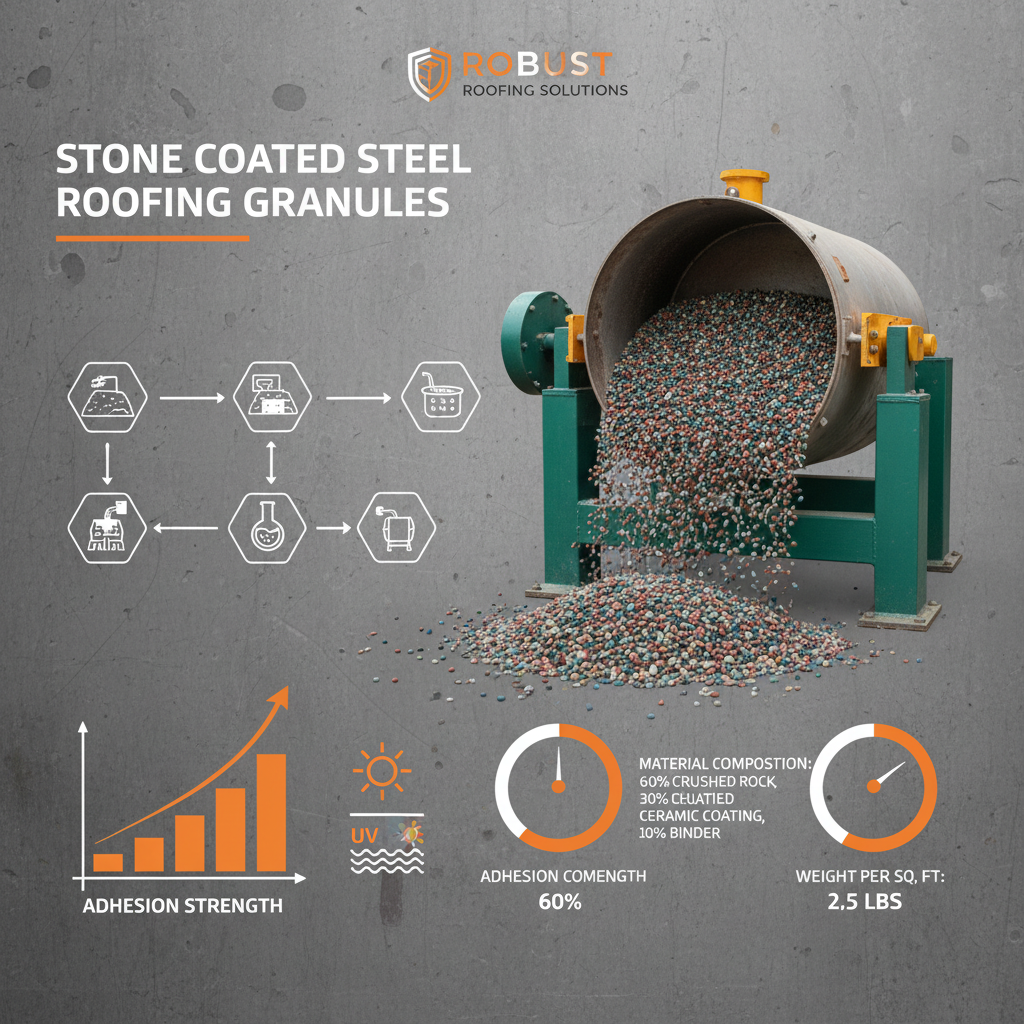
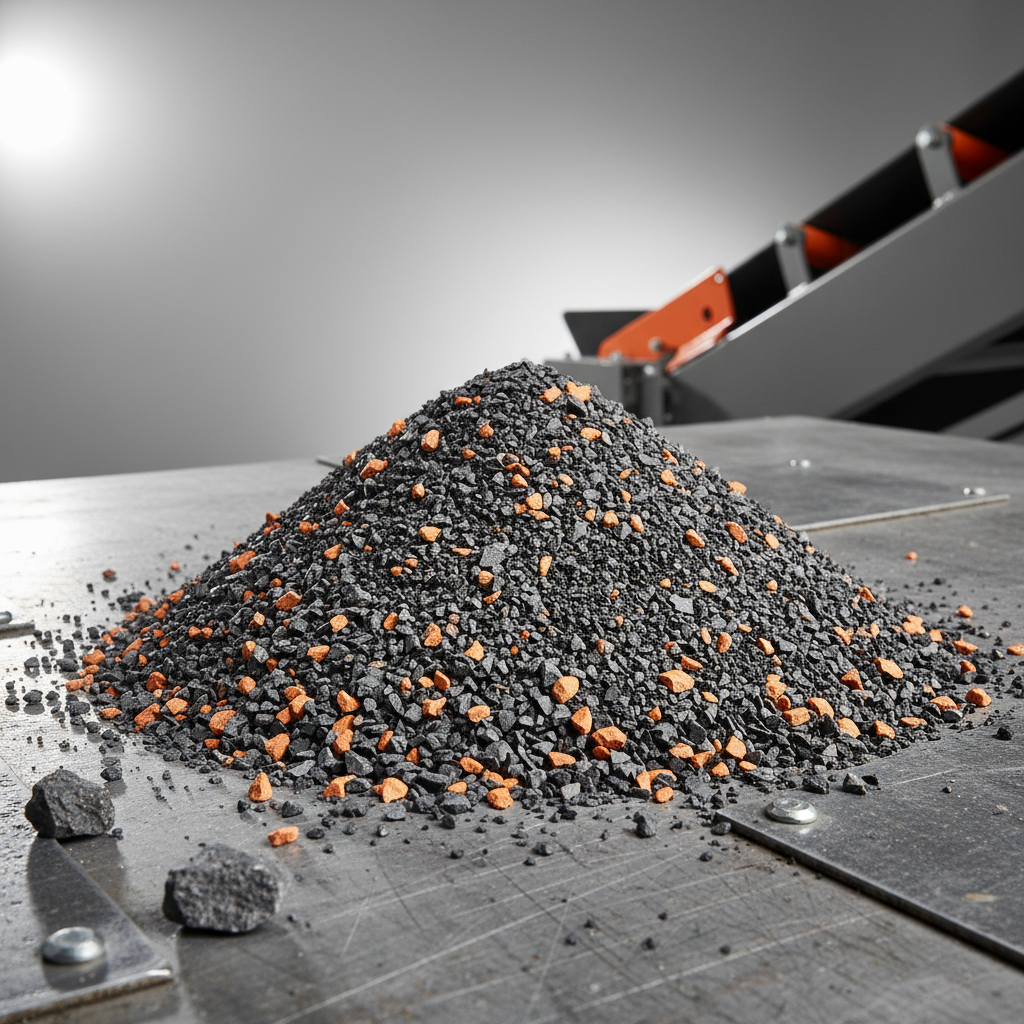
Simply put, granules from roof shingles are the small, colorful ceramic-coated particles adhered to the surface of asphalt shingles. They’re typically made from crushed rock – slate, basalt, or even recycled materials – and coated with a ceramic pigment to provide color and UV protection. Think of them as the skin of the shingle, protecting it from the elements.
But it’s not just about aesthetics. The type of granule, the coating, and the method of adhesion all contribute to the shingle's performance. A properly coated granule reflects sunlight, prevents algae growth, and protects the asphalt from cracking and deterioration. It's a deceptively complex little piece of engineering.
This directly impacts modern construction and humanitarian needs. Durable, long-lasting roofing is essential for safe and comfortable housing, whether it's a new build in a developed country or emergency shelter following a disaster. The quality of those granules matters enormously.
Key Factors Affecting Granule Performance
There are a few things that really separate the good granules from the bad. First is Durability. The granules need to withstand years of UV exposure, temperature fluctuations, and physical impact from hail and debris. Second is Adhesion – how well they stick to the asphalt. A weak bond means rapid granule loss, which dramatically shortens the roof's lifespan.
Color Retention is also crucial. Nobody wants a roof that fades and looks worn out after just a few years. The quality of the ceramic coating is key here. And then there’s Granule Size and Shape. Uniformity is important for consistent coverage and appearance. Finally, Sustainability is becoming increasingly important; using recycled materials and minimizing waste are now top priorities for many manufacturers.
Granule Performance Metrics
Global Applications and Use Cases
You see granules from roof shingles used everywhere, of course – residential roofing is the biggest application. But there are also specialized uses. In post-disaster relief operations, durable roofing is critical for providing safe shelter. Manufacturers are developing shingles specifically designed for rapid deployment in these situations.
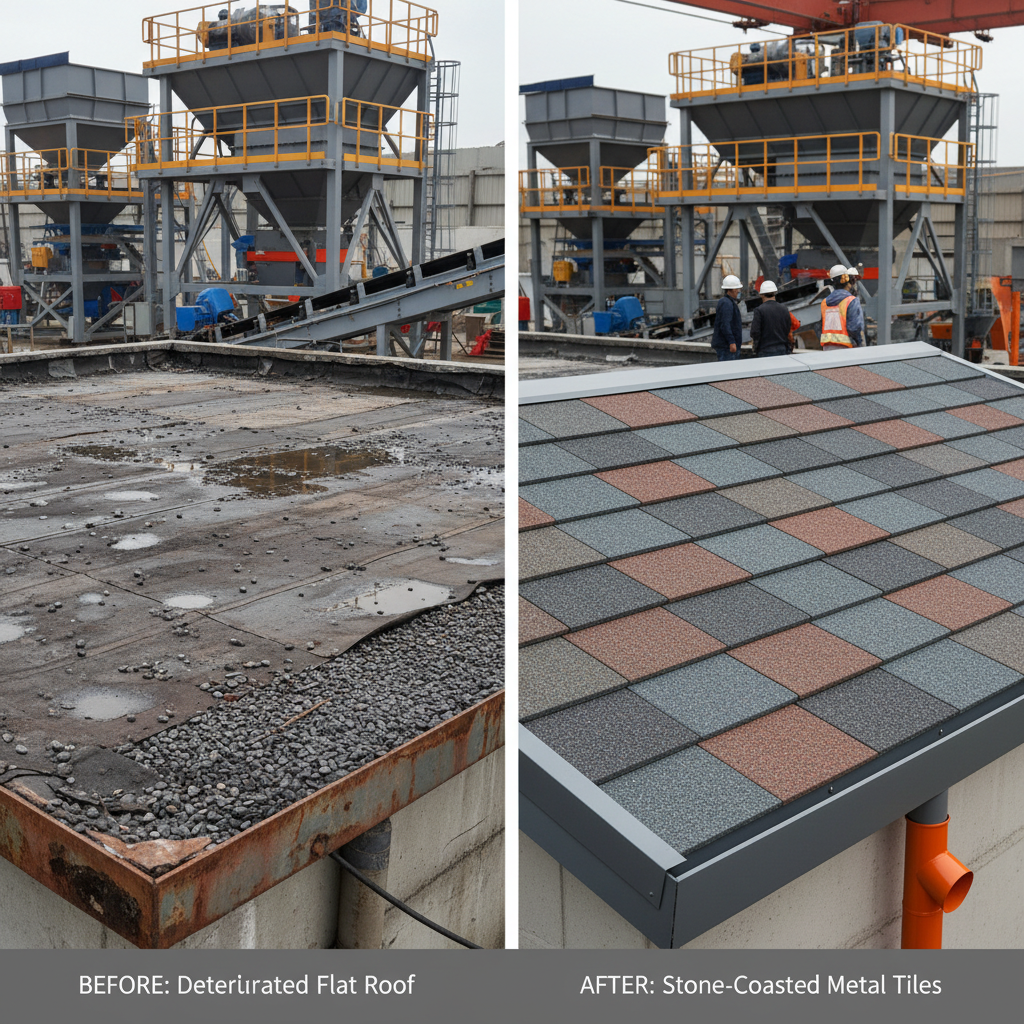
We’re also seeing increasing use in commercial and industrial applications. Flat roofs, for example, often use modified bitumen membranes with a granular surface for UV protection. And in remote industrial zones, where access to maintenance is limited, the longevity provided by high-quality granules is particularly valuable.
Advantages and Long-Term Value
The biggest advantage is, without question, increased roof lifespan. Investing in higher-quality granules upfront translates to fewer repairs and replacements down the line – a significant cost savings for homeowners and building owners. Beyond that, there’s the environmental benefit. Reducing the frequency of roof replacements minimizes landfill waste.
But it’s also about peace of mind. Knowing your roof is well-protected, and that you’ve chosen a sustainable and durable material, provides a sense of security and confidence. That intangible benefit is hard to quantify, but it’s real. It’s about building trust – with your customers, with the environment, and with yourself.
Future Trends and Innovations
We’re seeing a lot of research into bio-based granules – using materials like algae or agricultural waste as a sustainable alternative to traditional crushed rock. That’s a game-changer if we can scale it up. Digital technologies are also playing a role; manufacturers are using AI to optimize granule coating processes and improve adhesion.
There's also a growing focus on closed-loop recycling systems. The goal is to reclaim granules from old roofs and repurpose them into new shingles, creating a truly circular economy. This is complex, requiring investment in infrastructure and logistics, but it's a crucial step towards a more sustainable future.
And finally, expect to see more smart shingles with integrated sensors that can monitor roof performance and detect potential issues before they become major problems. These sensors could leverage the granules as a mounting point or even integrate directly into the granule coating.
Challenges and Solutions
One of the biggest challenges is granule loss during installation and weathering. It's inevitable, to some extent, but we can minimize it through better shingle design, improved adhesion technologies, and proper installation techniques. Another issue is the lack of standardized testing methods for granule performance.
We need more robust and consistent standards to ensure that manufacturers are delivering truly high-quality products. Collaboration between industry stakeholders, research institutions, and regulatory agencies is essential to address this. And finally, the cost of sustainable materials remains a barrier. We need to find ways to make eco-friendly granules more affordable and accessible.
The solution is investment in research and development, a commitment to sustainable sourcing, and a willingness to embrace innovation. It's not just about building better roofs; it's about building a more sustainable future, one granule at a time.
Summary of Granule Challenges & Potential Solutions
| Challenge |
Impact Severity (1-10) |
Potential Solution |
Implementation Cost (1-10) |
| Granule Loss During Weathering |
7 |
Improved Adhesive Technology |
6 |
| Inconsistent Granule Quality |
9 |
Standardized Testing Protocols |
5 |
| High Cost of Sustainable Granules |
8 |
Government Subsidies & Incentives |
7 |
| Limited Recycling Infrastructure |
6 |
Investment in Recycling Facilities |
8 |
| UV Degradation of Granule Coatings |
5 |
Development of UV-Resistant Coatings |
4 |
| Lack of Consumer Awareness |
4 |
Educational Marketing Campaigns |
3 |
FAQS
The difference lies in the raw materials, the coating process, and the adhesion technology. Cheaper granules often use lower-grade stone, thinner coatings, and less effective adhesives, leading to faster degradation and granule loss. High-quality granules are engineered for long-term durability, UV resistance, and color retention, ultimately protecting the shingle and extending the roof's lifespan. It's a long-term investment that saves money in the end.
Darker colored granules absorb more sunlight, increasing the roof’s temperature. This can lead to higher cooling costs in warm climates. Conversely, lighter colored or reflective granules reflect more sunlight, reducing the roof’s temperature and improving energy efficiency. These “cool roof” granules are becoming increasingly popular, especially in regions with hot summers. It's a simple way to reduce your carbon footprint and save money on energy bills.
Traditional granule manufacturing can be energy-intensive and generate waste. Disposal of old shingles containing granules also contributes to landfill waste. However, there's a growing movement towards sustainable practices, including using recycled materials in granule production and developing recycling programs for old shingles. Choosing manufacturers committed to sustainability is crucial for minimizing the environmental impact.
A small amount of granule loss is normal, especially after storms. However, if you notice a significant amount of granules in your gutters, or if you see bare spots on your shingles where the asphalt is exposed, it’s a sign that your roof may be nearing the end of its lifespan. It’s best to have a professional roofing contractor inspect your roof to assess the damage and recommend appropriate repairs or replacement.
Yes, many manufacturers now offer algae-resistant granules containing copper or zinc. These minerals inhibit the growth of algae, which can cause unsightly black streaks on roofs, particularly in humid climates. These granules help maintain the roof's appearance and prevent potential damage caused by algae. They're a great option for homeowners in areas prone to algae growth.
Granule adhesion is critical. It’s the bond that holds the protective layer on the shingle. Poor adhesion means granules will flake off prematurely, exposing the asphalt to UV radiation, moisture, and temperature fluctuations. This accelerates deterioration and significantly shortens the roof’s lifespan. Manufacturers are constantly working to improve adhesion technologies to ensure long-lasting performance.
Conclusion
Ultimately, understanding granules from roof shingles isn't just about understanding a component; it's about understanding the whole roofing system and the long-term performance of a building. From ensuring durability and weather resistance to embracing sustainable materials and innovative technologies, these seemingly small particles play a vital role in protecting homes and communities.
The future of roofing lies in continued innovation – in bio-based materials, closed-loop recycling, and smarter shingle designs. By prioritizing quality, sustainability, and responsible sourcing, we can build a more resilient and environmentally friendly built environment. For more information on cool roof materials and how to choose the right roofing solution for your needs, visit our website: www.coolroofmaterials.com.