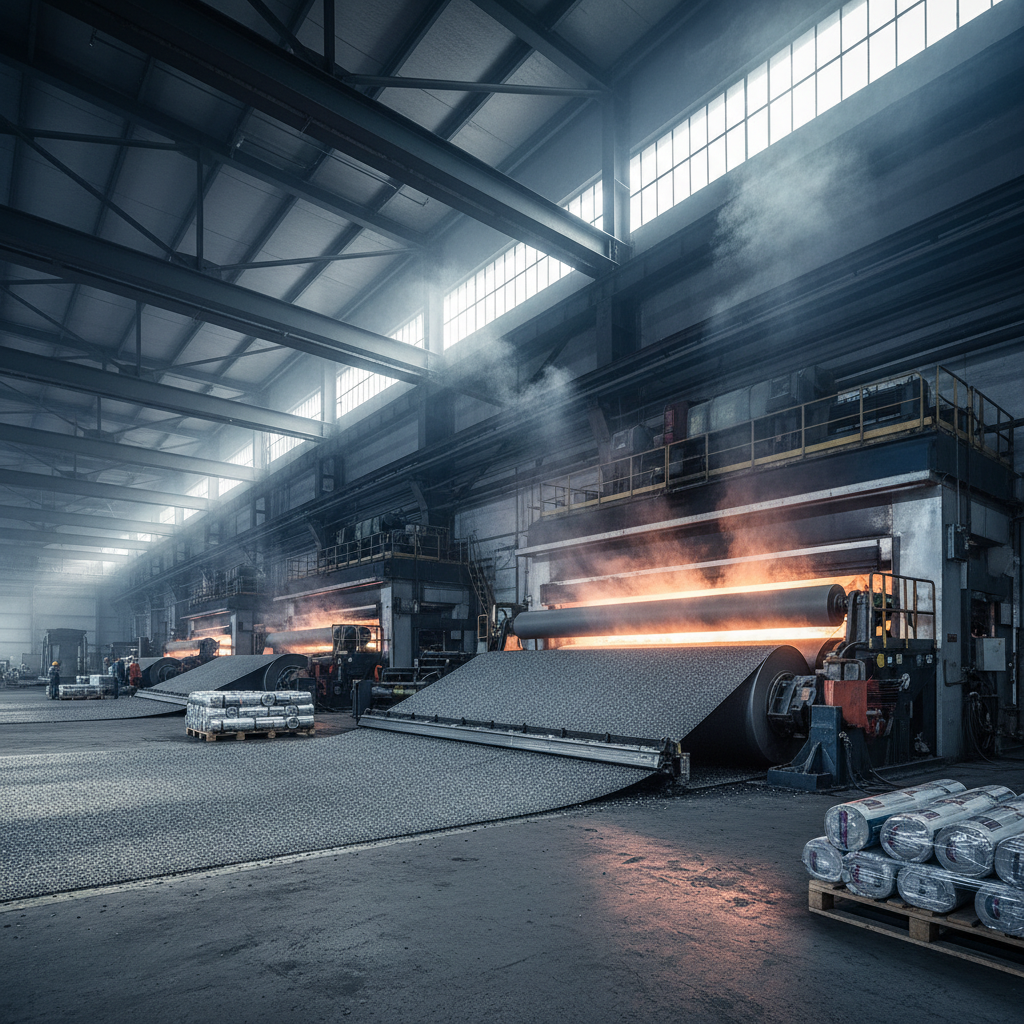
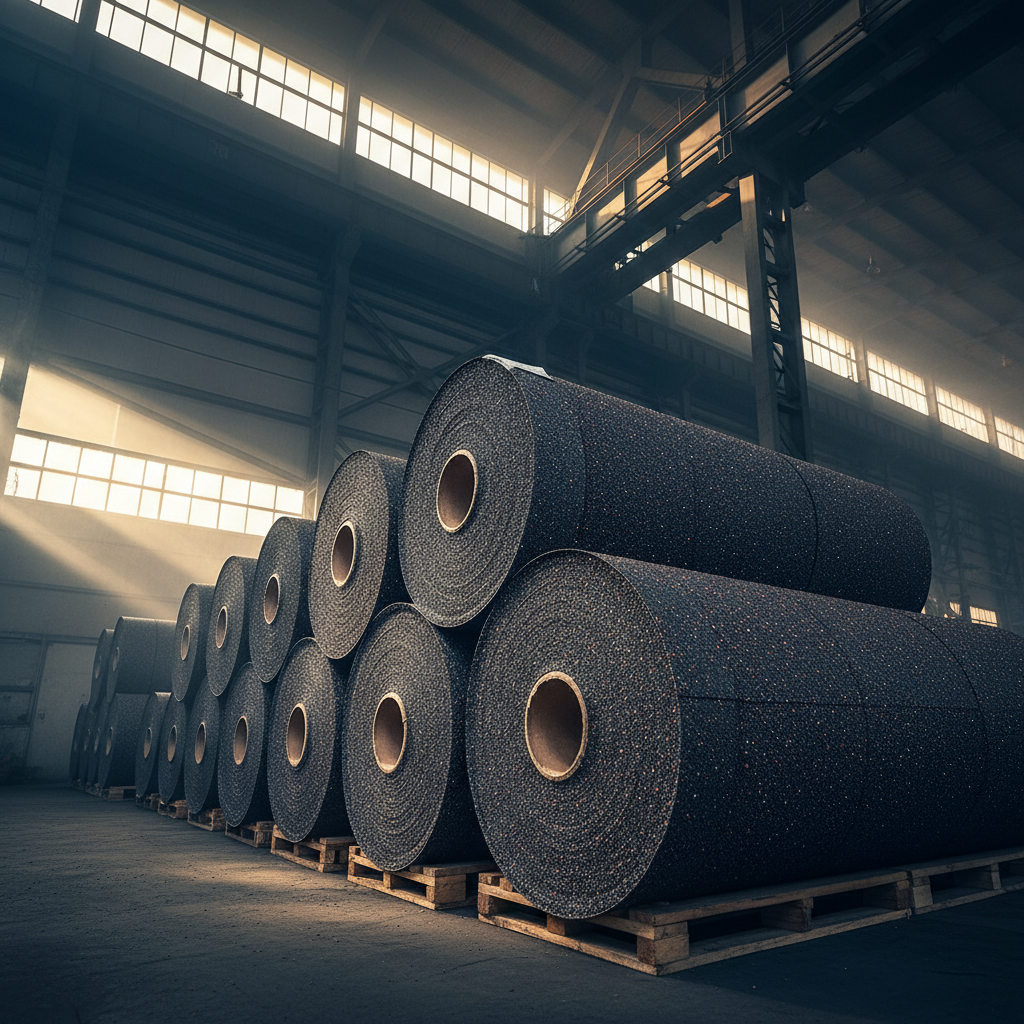
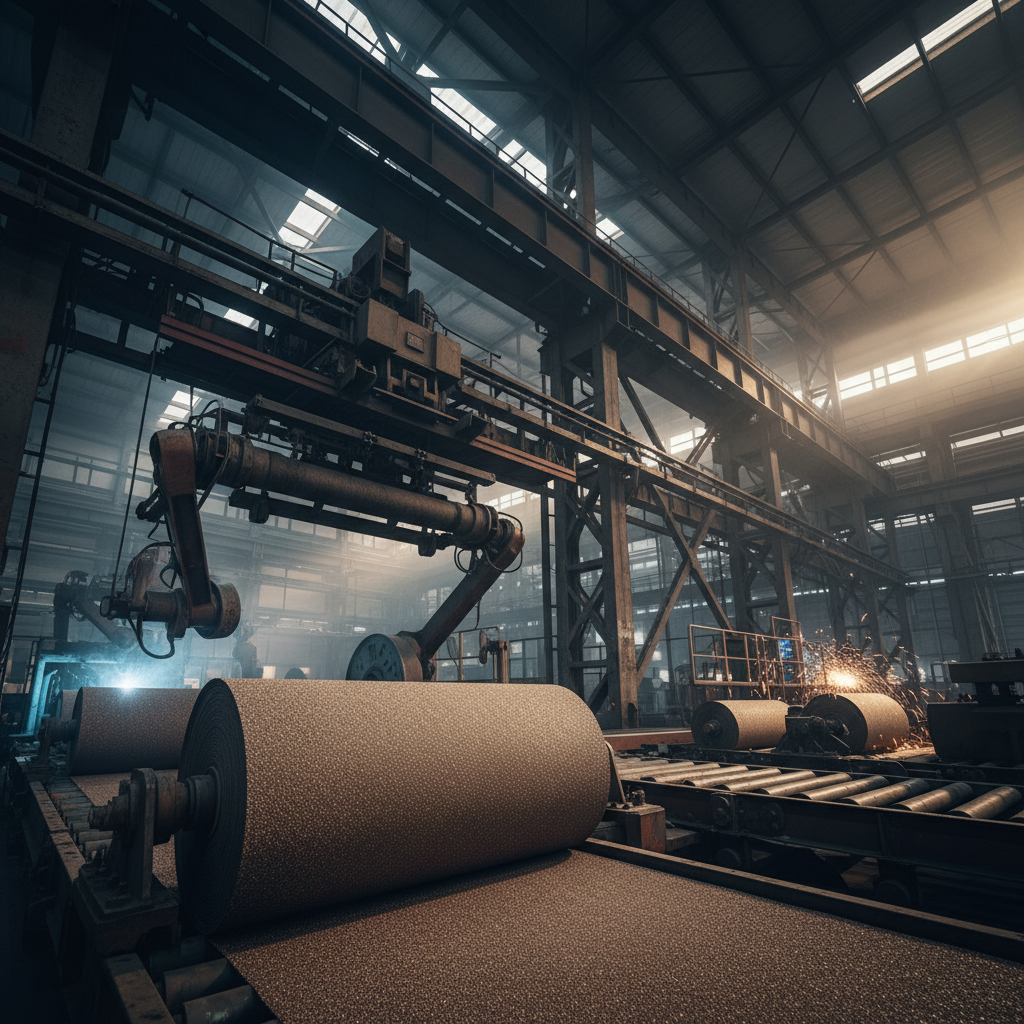
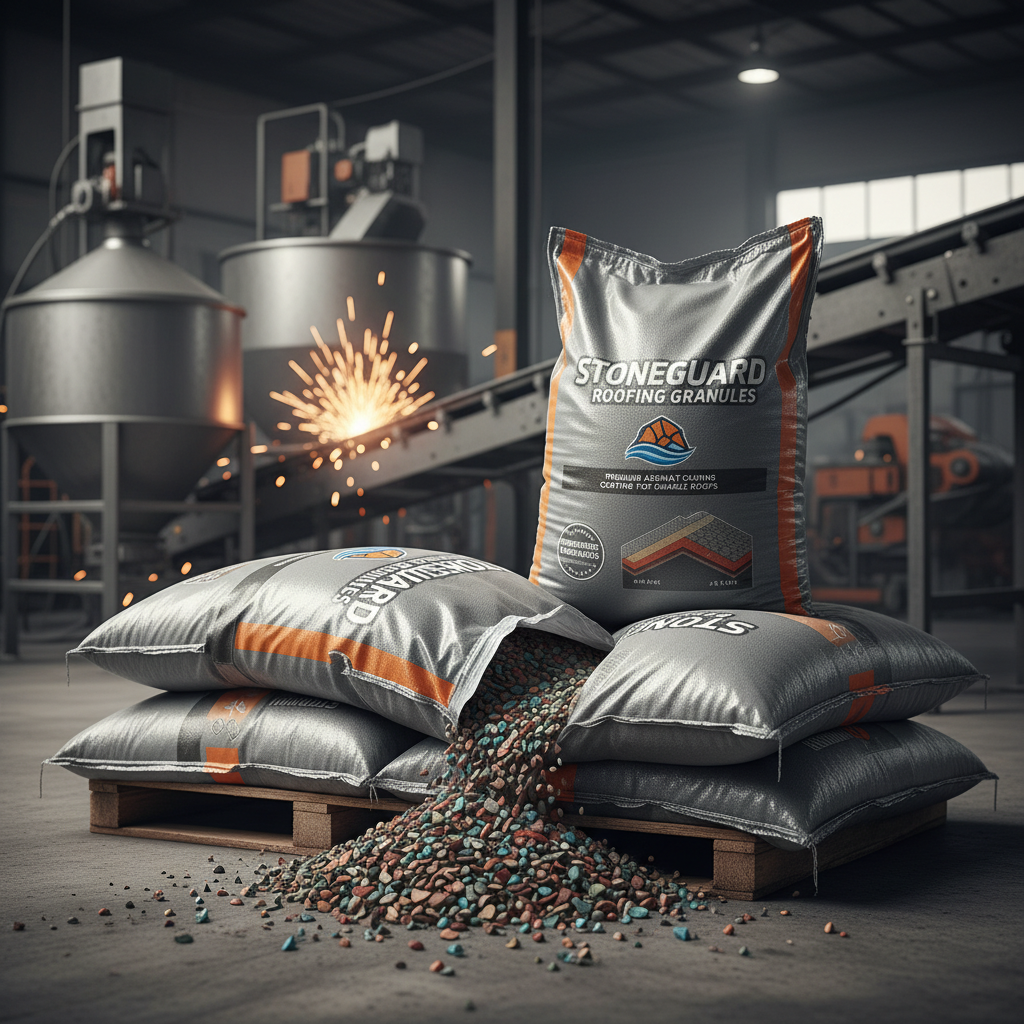
Granular roll roofing represents a significant advancement in roofing materials, offering a blend of affordability, ease of installation, and reliable weather protection. Its composition, typically consisting of mineral granules embedded in a saturated felt base and coated with asphalt, makes it a versatile solution for a wide range of building applications. Understanding its properties and applications is increasingly important in a world demanding durable and cost-effective construction solutions.
The global demand for roofing materials is substantial, driven by population growth, urbanization, and the need to replace aging infrastructure. Granular roll roofing addresses this demand with a cost-effective alternative to traditional materials like shingles or metal roofing. According to recent reports, the global roofing market is projected to reach \$135 billion by 2028, with a significant portion attributable to bituminous roofing products like granular roll roofing.
This type of roofing material is particularly vital in regions prone to extreme weather events, providing a resilient barrier against rain, snow, and wind. It also plays a crucial role in providing shelter for vulnerable populations in disaster relief efforts and for affordable housing projects globally. Its lightweight nature and simple installation process contribute to its growing popularity.
Introduction to Granular Roll Roofing
Granular roll roofing is a composite material widely utilized in both residential and commercial construction. Its defining characteristic is the layer of mineral granules adhered to its surface, providing UV protection and aesthetic appeal. The base material is typically a heavy-duty felt saturated with asphalt, offering a waterproof barrier.
This roofing solution is appreciated for its ease of installation, making it a cost-effective choice for a variety of projects. Its flexibility allows it to conform to different roof shapes and angles, reducing labor costs and installation time. It's a robust solution for sheds, garages, and low-slope roofs, offering dependable protection against the elements.
Defining Granular Roll Roofing
Granular roll roofing, also known as mineral surface roll roofing, is a prefabricated roofing material supplied in rolls. It’s composed of a base layer, typically an organic felt or fiberglass mat saturated with asphalt, providing the waterproofing element. This base is then coated with a layer of asphalt and embedded with mineral granules.
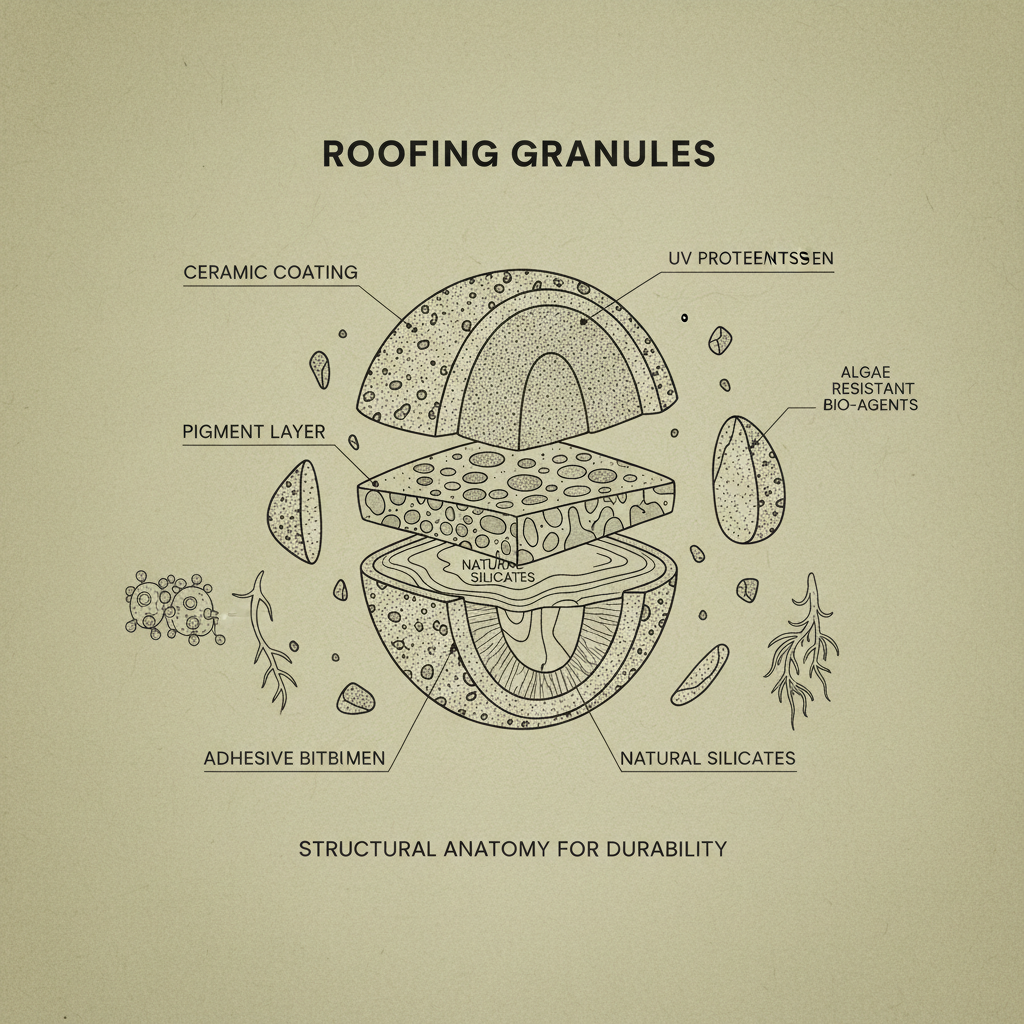
These granules not only protect the asphalt from UV degradation, extending the lifespan of the roof, but also provide a range of colors and textures. The granules add durability and fire resistance, making granular roll roofing a practical and safe choice. It’s fundamentally different from modified bitumen systems, though both fall under the broader category of asphalt roofing.
The material's connection to modern industry and humanitarian needs stems from its affordability and ease of deployment. It provides a practical shelter solution in disaster relief and is a cornerstone of affordable housing projects in developing nations. It simplifies the roofing process, reducing reliance on skilled labor.
Core Components and Characteristics
The primary components of granular roll roofing are carefully selected to ensure durability and performance. The asphalt acts as the waterproofing agent, while the felt or fiberglass mat provides structural strength and resistance to tearing. The mineral granules contribute to UV protection, fire resistance, and aesthetic appeal.
One critical characteristic is its flexibility, allowing it to adapt to roof movements caused by temperature fluctuations. This reduces the likelihood of cracking or splitting. Another key feature is its relatively lightweight nature, minimizing the structural load on the building. Proper installation techniques, including correct overlap and sealing, are vital to ensure long-term performance.
The granule application process is also crucial. A consistent and thorough granule embedding ensures uniform UV protection and a long-lasting, attractive finish. Different granule colors and sizes are available to match aesthetic preferences and building requirements. The weight of the granules also contributes to wind resistance.
Key Performance Indicators of Granular Roll Roofing
Evaluating granular roll roofing requires considering several key performance indicators. These include its resistance to UV degradation, its waterproof capability, its fire rating, and its wind uplift resistance. Durability is directly related to the quality of the asphalt and the consistency of the granule coating.
A crucial factor is the tensile strength of the base material – higher tensile strength translates to better resistance to tearing and punctures. Properly installed granular roll roofing should withstand typical weather conditions for 10-20 years, depending on climate and maintenance.
Performance Ratings for Granular Roll Roofing Types
Applications Across the Globe
Granular roll roofing finds application in diverse settings worldwide. In North America, it's commonly used for sheds, garages, and as a base layer for more complex roofing systems. In Europe, it's a popular choice for outbuildings and smaller residential roofs due to its cost-effectiveness.
In developing countries, its affordability and ease of installation make it invaluable in providing shelter solutions for disaster relief and affordable housing initiatives. In post-disaster relief operations following hurricanes or earthquakes, granular roll roofing can quickly provide temporary or permanent shelter. In remote industrial zones, its lightweight nature simplifies transportation and installation.
The Value Proposition of Granular Roll Roofing
The advantages of granular roll roofing are numerous. Cost-efficiency is a significant draw, making it an accessible option for budget-conscious projects. Its relatively lightweight nature reduces structural demands and simplifies installation. Its ease of installation translates to lower labor costs and quicker project completion times.
Furthermore, its durability, though dependent on quality and installation, provides long-term value and reduced maintenance requirements. The UV protection afforded by the mineral granules extends the lifespan of the roofing material, and the inherent fire resistance contributes to safety. It represents a practical balance of performance, cost, and convenience.
These benefits translate into not only financial savings but also enhanced peace of mind and a secure environment for building occupants. It contributes to sustainable construction practices by offering a long-lasting and durable roofing solution, reducing the need for frequent replacements.
Future Trends and Innovation
The future of granular roll roofing lies in advancements in materials and manufacturing processes. Research is underway to develop more sustainable asphalt alternatives, such as bio-based asphalts derived from renewable resources. Innovations in granule technology are also being explored, focusing on enhanced UV resistance and color retention.
The integration of nanotechnology into the granule coating could lead to self-cleaning properties and improved fire resistance. Furthermore, advancements in automated installation techniques could further reduce labor costs and improve installation quality. A move toward increased recyclability of the material is also anticipated.
Digital technologies, such as drone-based roof inspections and predictive maintenance algorithms, will play an increasingly important role in extending the lifespan and optimizing the performance of granular roll roofing systems. These technologies will contribute to greater efficiency and sustainability in the roofing industry.
FAQS
The lifespan of granular roll roofing generally ranges from 10 to 20 years, depending on climate conditions, quality of installation, and maintenance practices. Areas with extreme temperature fluctuations or frequent severe weather may experience shorter lifespans. Regular inspections and prompt repairs of any damage can significantly extend its durability.
Granular roll roofing can perform well in cold climates, but proper installation is crucial. The flexibility of the material allows it to withstand expansion and contraction due to temperature changes. However, ice dams can be a concern; adequate ventilation and proper underlayment are essential to prevent moisture buildup and potential damage.
Yes, granular roll roofing offers good fire resistance due to the mineral granules embedded in the asphalt. These granules act as a barrier, slowing down the spread of flames. The specific fire rating will vary depending on the manufacturer and local building codes, but it generally meets or exceeds industry standards.
Granular roll roofing is relatively easy to install compared to some other roofing materials, making it a popular choice for DIY projects. However, proper preparation of the roof surface, correct overlap of the rolls, and thorough sealing of seams are essential for a watertight installation. It’s crucial to follow manufacturer instructions carefully.
Regular inspections are key to maintaining granular roll roofing. Remove debris, such as leaves and branches, to prevent moisture buildup. Check for any cracks, blisters, or loose granules and address them promptly. Periodic cleaning with a mild detergent and water can help remove dirt and algae.
Recycling granular roll roofing can be challenging due to its composite nature, but advancements are being made in this area. Some manufacturers offer take-back programs for recycling old roofing materials. Proper disposal in accordance with local regulations is essential to minimize environmental impact.
Conclusion
Granular roll roofing stands as a testament to practical and affordable construction solutions. Its blend of cost-effectiveness, ease of installation, and reasonable durability makes it a valuable option for a wide range of applications, from residential outbuildings to emergency shelter. Understanding its core components and performance characteristics is crucial for making informed decisions.
Looking ahead, continued innovation in materials and installation techniques promises to enhance the sustainability and longevity of granular roll roofing systems. By embracing these advancements and prioritizing proper installation and maintenance, we can unlock the full potential of this versatile roofing material and contribute to a more resilient and affordable built environment.