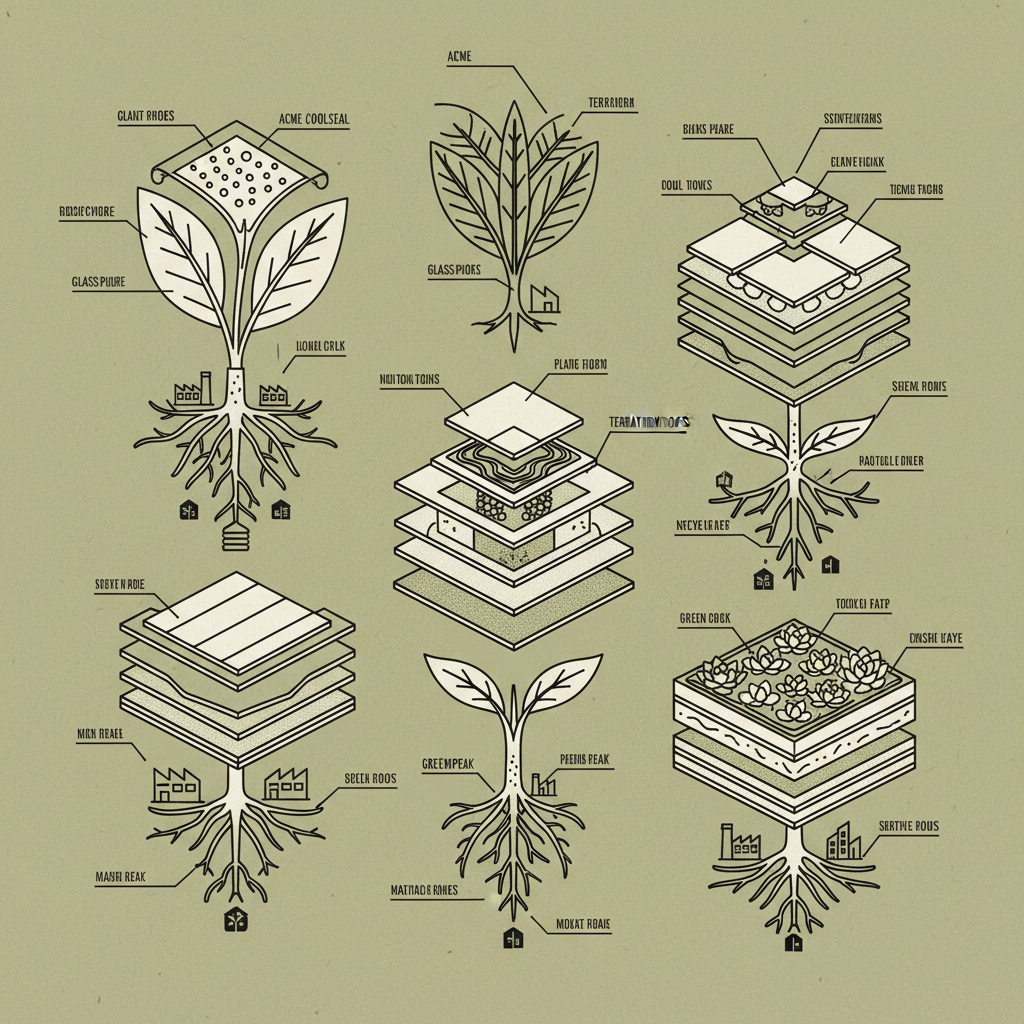
Cooling sheet roof technology represents a significant advancement in building material science, directly addressing the escalating global challenge of rising temperatures and energy consumption. As urbanization continues and climate change intensifies, the demand for efficient and sustainable cooling solutions is paramount. This technology offers a proactive approach to mitigating the urban heat island effect, reducing reliance on energy-intensive air conditioning systems, and promoting more comfortable and sustainable living and working environments.
The global relevance of cooling sheet roof is underscored by initiatives from organizations like the United Nations Environment Programme (UNEP) advocating for energy efficiency in buildings. According to the World Bank, buildings account for over 30% of global energy consumption and greenhouse gas emissions. Cooling sheet roof, with its reflective properties and ability to reduce heat absorption, presents a viable strategy for achieving substantial reductions in these areas, contributing to broader sustainability goals.
Ultimately, understanding cooling sheet roof is crucial for architects, builders, policymakers, and homeowners alike – anyone invested in creating a more sustainable and resilient future. It’s no longer merely a building material consideration, but a vital component of comprehensive climate action strategies, offering both economic and environmental benefits.
The Core Principles of cooling sheet roof
At its core, cooling sheet roof relies on the principles of radiative heat transfer and albedo. By employing materials with high solar reflectance and thermal emittance, these roofs minimize the amount of solar radiation absorbed by the building. This, in turn, reduces the heat transfer into the building's interior, lessening the need for mechanical cooling. The effectiveness of cooling sheet roof is also determined by factors like the material’s composition, thickness, and installation quality.
These principles extend beyond simply reducing cooling costs. Cooling sheet roof contribute to improving air quality by reducing the formation of smog, mitigating the urban heat island effect, and ultimately creating a more comfortable and healthier living environment. Further research and development in materials science are continually enhancing the performance and durability of cooling sheet roof systems.
Defining Cooling Sheet Roof
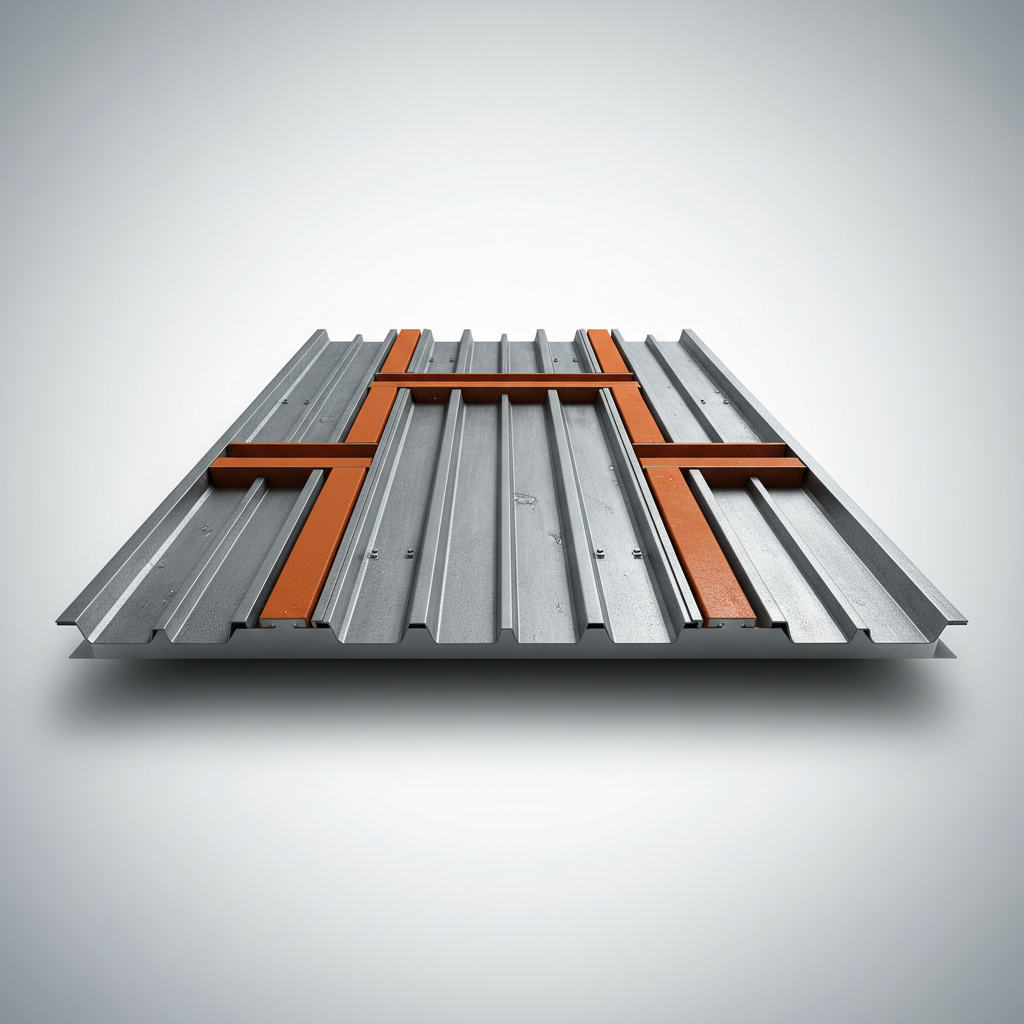
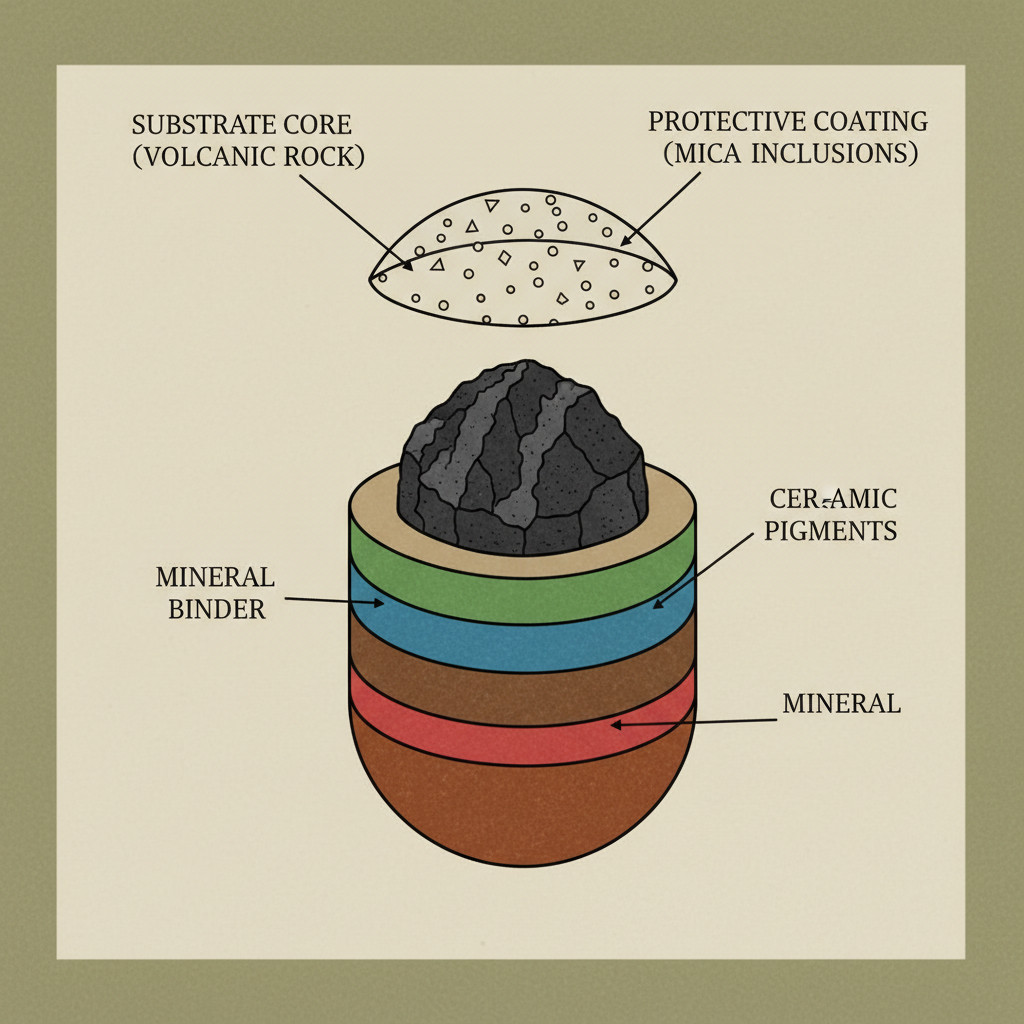
Cooling sheet roof refers to a roofing system designed to reflect more sunlight and absorb less heat than a standard roof. They’re commonly made from materials like highly reflective paints, coatings, tiles, or membranes. The fundamental goal is to keep buildings cooler and reduce energy consumption, especially during peak sunlight hours. The technology isn’t limited to residential buildings; it’s equally applicable to commercial, industrial, and institutional structures.
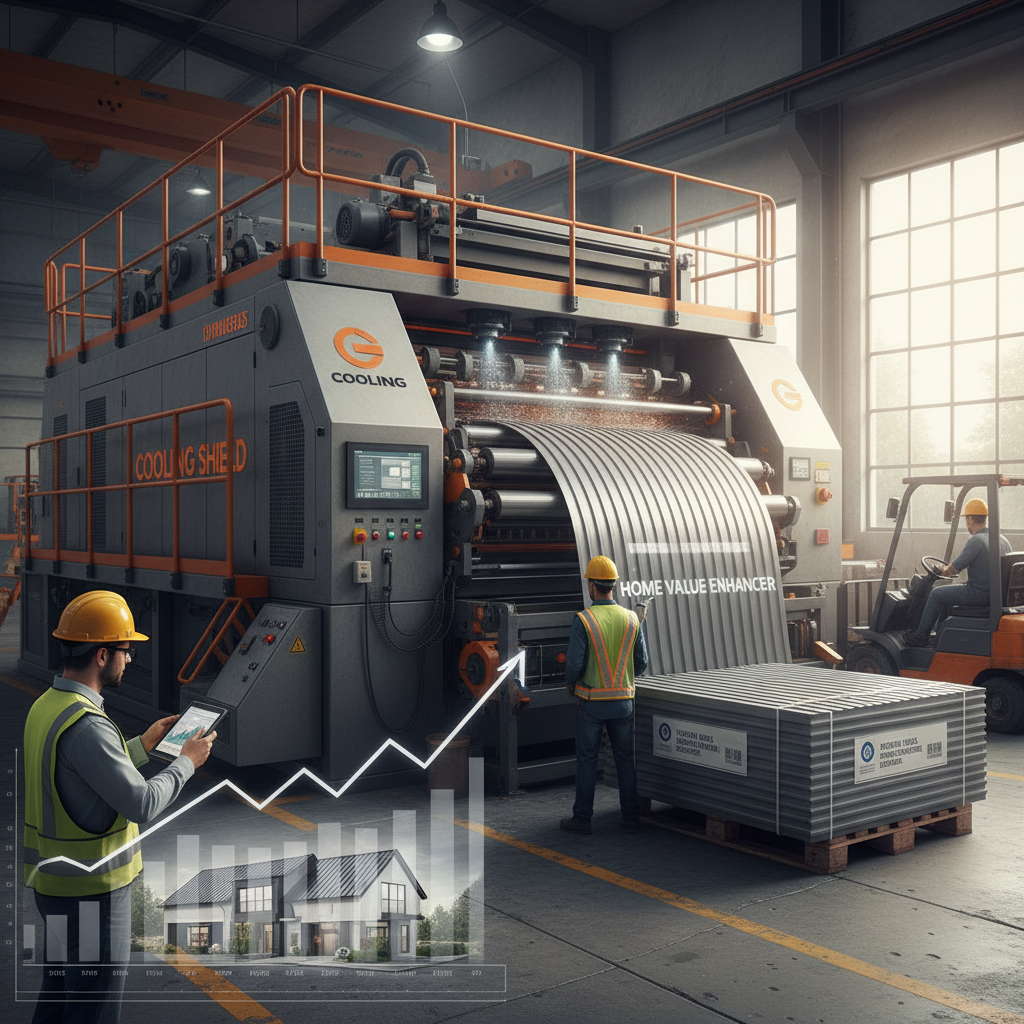
This technology intersects with modern industry needs for sustainability and cost-effectiveness. As businesses face increasing pressure to reduce their carbon footprint and operating expenses, cooling sheet roof provide a practical and scalable solution. They align with global initiatives promoting green building practices and energy efficiency standards, making them increasingly attractive for new construction and retrofitting projects.
From a humanitarian standpoint, cooling sheet roof can also play a vital role in disaster relief and providing shelter in extreme climates. Their ability to regulate temperature without relying on electricity can be life-saving in situations where power infrastructure is compromised.
Key Factors Influencing Cooling Sheet Roof Performance
Several critical factors dictate the effectiveness of a cooling sheet roof. Durability is paramount; the material must withstand weathering, UV exposure, and physical damage without significant degradation in reflective properties over time. This requires careful material selection and robust manufacturing processes.
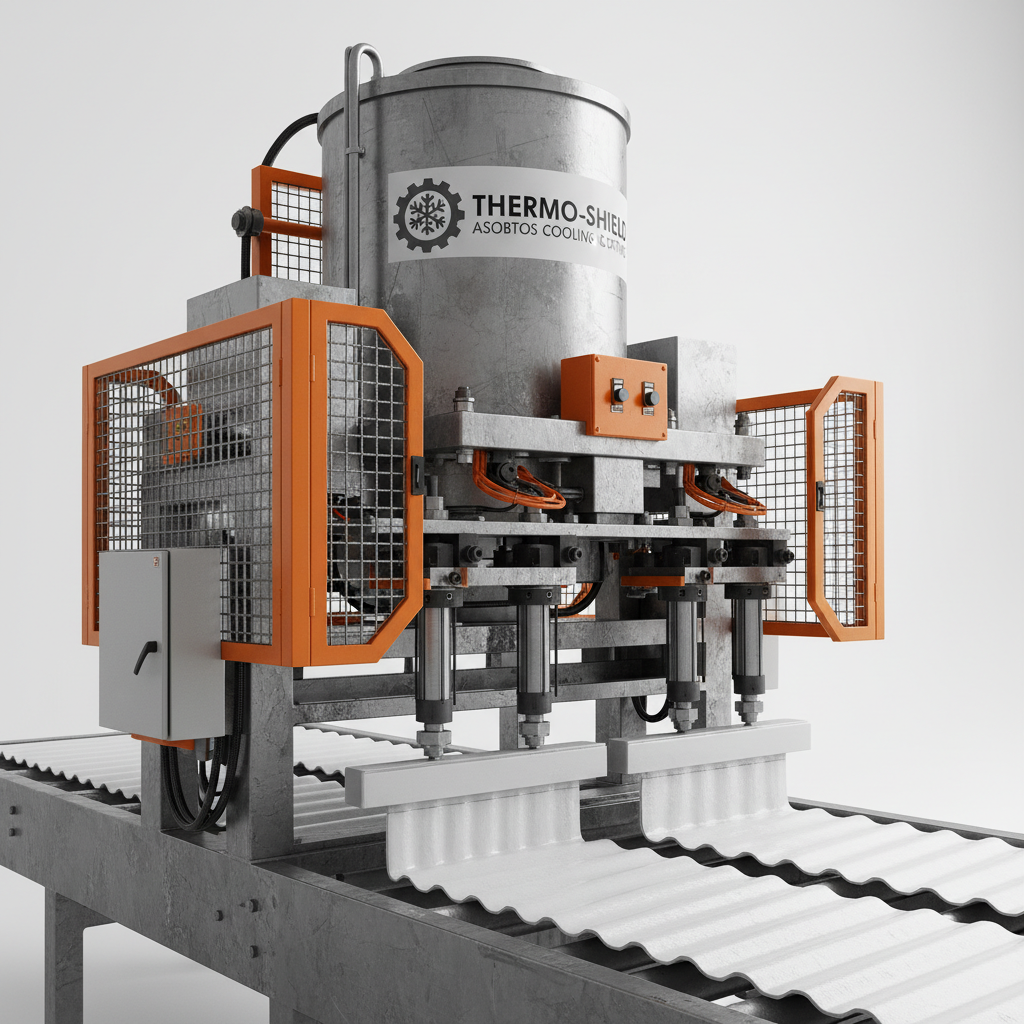
Scalability is another essential aspect. A successful cooling sheet roof solution must be adaptable to various roof sizes, shapes, and building types, offering ease of installation and minimal disruption. Modular systems and pre-fabricated panels can enhance scalability and reduce installation time.
Cost-Efficiency plays a significant role in adoption rates. The initial investment in a cooling sheet roof must be justified by long-term energy savings and reduced maintenance costs. Government incentives and tax credits can further improve the economic viability of these systems. Thermal Emittance is also crucial - materials that not only reflect sunlight but also effectively radiate absorbed heat back into the atmosphere perform best. Finally, Maintenance Requirements - minimal upkeep ensures long-term performance and reduces lifecycle costs.
Practical Applications and Use Cases
Cooling sheet roof are finding widespread application across diverse sectors. In post-disaster relief operations, they provide rapid deployment of shelters that require minimal energy for cooling, a critical need in emergency situations. In remote industrial zones, where access to reliable power is limited, cooling sheet roof help maintain comfortable working conditions and protect sensitive equipment from overheating.
The agricultural sector also benefits from these systems, with cooling sheet roof used to regulate temperature in greenhouses and storage facilities, extending the shelf life of produce and improving crop yields. Commercial buildings, like warehouses and distribution centers, utilize cooling sheet roof to reduce energy costs and maintain product integrity.
Furthermore, municipal governments are increasingly adopting cooling sheet roof in public buildings, such as schools and hospitals, as part of broader sustainability initiatives and efforts to improve public health and comfort. Cities experiencing severe urban heat island effects are particularly focused on implementing these solutions on a large scale.
Cooling Sheet Roof Application by Sector
Advantages & Long-Term Value Proposition
The tangible benefits of cooling sheet roof are numerous. Reduced energy consumption translates to significant cost savings over the lifespan of the building, lowering utility bills and freeing up financial resources. From a sustainability perspective, the reduction in energy demand lessens the carbon footprint of the building, contributing to a cleaner environment.
Beyond these economic and environmental advantages, cooling sheet roof offer several social benefits. Improved indoor comfort enhances productivity and well-being, while mitigating the urban heat island effect helps protect vulnerable populations from heat-related illnesses. The long-term reliability of these systems provides peace of mind and reduces the risk of unexpected maintenance costs.
Future Trends and Innovations in Cooling Sheet Roof
The future of cooling sheet roof is closely tied to advancements in materials science and green technology. Research into phase-change materials (PCMs) integrated within roofing systems promises even greater thermal regulation capabilities. Nanotechnology is also playing a role, with the development of coatings that offer enhanced reflectivity and durability.
Digital technologies, such as smart sensors and predictive analytics, are being incorporated into cooling sheet roof systems to optimize performance and provide real-time monitoring of energy savings. The integration of cooling sheet roof with renewable energy sources, like solar panels, is gaining traction, creating hybrid systems that maximize energy efficiency and reduce reliance on traditional power grids.
Challenges and Solutions for Wider Adoption
Despite the numerous benefits, widespread adoption of cooling sheet roof faces several challenges. Initial costs can be a barrier for some building owners, particularly in retrofit applications. Concerns about the long-term durability and maintenance requirements of certain materials can also hinder adoption.
However, these challenges are being addressed through ongoing research and development, government incentives, and innovative financing models. Developing standardized testing methods and certification programs can build trust in the performance and reliability of cooling sheet roof systems. Promoting public awareness and educating building professionals about the benefits of these technologies are also crucial steps toward wider adoption.
Furthermore, exploring circular economy principles, such as the recyclability and reuse of roofing materials, can contribute to a more sustainable lifecycle and reduce environmental impact.
Summary of Cooling Sheet Roof Challenges and Solutions
| Challenge |
Impact on Cooling Sheet Roof Adoption |
Proposed Solution |
Implementation Timeline |
| High Initial Cost |
Limits affordability, especially for retrofits. |
Government incentives, tax credits, innovative financing options. |
Short-Term (1-2 years) |
| Durability Concerns |
Creates uncertainty about long-term performance. |
Advanced materials research, rigorous testing standards. |
Medium-Term (3-5 years) |
| Lack of Awareness |
Hinders demand and market growth. |
Educational campaigns, industry training programs. |
Ongoing |
| Installation Complexity |
Increases labor costs and project timelines. |
Simplified installation systems, pre-fabricated panels. |
Medium-Term (2-3 years) |
| Limited Material Choices |
Restricts design flexibility and aesthetic options. |
Development of new reflective materials and coatings. |
Long-Term (5+ years) |
| Recycling Challenges |
Contributes to landfill waste and environmental impact. |
Circular economy approaches, recyclable material development. |
Long-Term (5+ years) |
FAQS
The lifespan of a cooling sheet roof depends heavily on the material used. High-quality coatings can last 10-15 years, while more durable materials like reflective tiles or membranes can last 20-30 years or even longer. Regular maintenance, including cleaning and recoating as needed, can significantly extend the lifespan of any cooling sheet roof system. Factors like climate, UV exposure, and building usage also influence longevity.
Energy cost reductions vary based on climate, building insulation, and the efficiency of the cooling sheet roof system. However, studies show that cooling sheet roof can reduce cooling energy consumption by 10-15% in warmer climates. In some cases, reductions of up to 30% have been observed, particularly in buildings with poor insulation. These savings translate to lower utility bills and a reduced carbon footprint.
Cooling sheet roof are adaptable to a wide range of building types, including residential, commercial, and industrial structures. However, certain roof designs and structural considerations may require specific installation techniques or material choices. Flat or low-sloped roofs are generally easier to retrofit with cooling sheet roof, while steeper slopes may require specialized coatings or tiles.
Maintenance typically involves periodic cleaning to remove dirt, debris, and algae growth, which can reduce reflectivity. Inspections should be conducted annually to identify any damage, such as cracks or peeling coatings. Recoating may be necessary every few years to maintain optimal performance, depending on the material and climate conditions.
Generally, cooling sheet roof are considered environmentally friendly due to their energy-saving benefits. However, some materials may contain volatile organic compounds (VOCs). Choosing low-VOC coatings and ensuring proper disposal of old roofing materials are important considerations. Exploring recyclable roofing materials is also a growing trend to minimize environmental impact.
Lighter colors, particularly white, are generally more effective at reflecting sunlight and reducing heat absorption. However, advancements in coating technology have led to the development of highly reflective colored coatings that offer a balance between aesthetic appeal and performance. The key factor is the Solar Reflectance Index (SRI), which measures a material's ability to reflect solar heat.
Conclusion
In conclusion, cooling sheet roof represent a powerful and versatile solution for addressing the global challenges of rising temperatures, energy consumption, and climate change. Their ability to reduce cooling costs, improve indoor comfort, and minimize environmental impact makes them a valuable investment for building owners and a crucial component of sustainable building practices. From residential homes to large-scale industrial facilities, cooling sheet roof offer a practical and cost-effective way to create a more comfortable and resilient future.
Looking ahead, continued innovation in materials science, coupled with supportive government policies and increased public awareness, will be key to accelerating the widespread adoption of cooling sheet roof. Investing in research and development, promoting standardized testing methods, and fostering collaboration between industry stakeholders are essential steps toward unlocking the full potential of this transformative technology. Visit our website: cooling sheet roof to learn more about implementing cooling sheet roof solutions today.