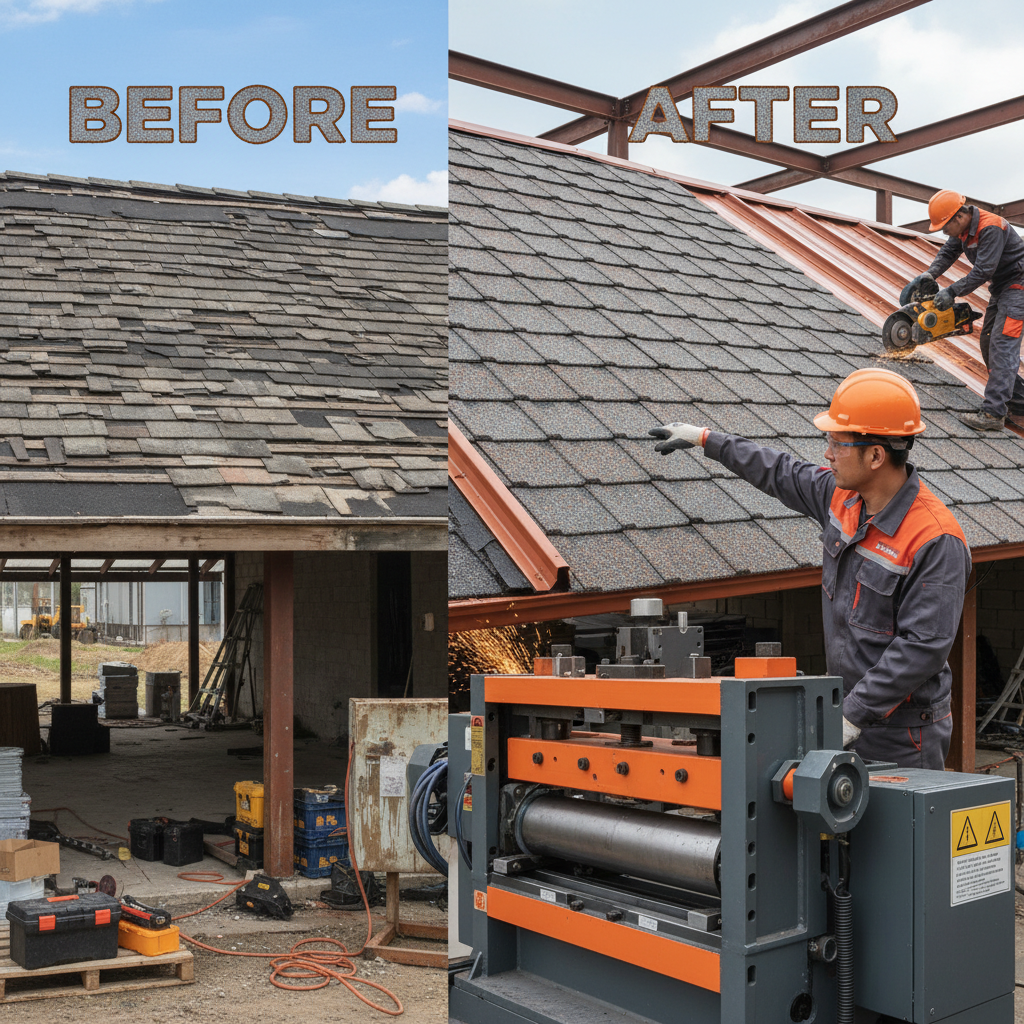
The selection of high-quality granules roof shingles is a critical decision for modern architectural durability and energy efficiency. These specialized ceramic and mineral coatings do more than just provide aesthetic appeal; they act as the primary shield against ultraviolet radiation and mechanical wear, ensuring the structural integrity of the roofing system over decades.
In an era where climate change is driving extreme weather patterns, the role of advanced surface granules has become paramount. By reflecting a significant portion of solar heat and preventing the underlying asphalt or metal from degrading, these materials directly contribute to lower indoor temperatures and reduced energy consumption for cooling.
Understanding the technical composition and application of granules roof shingles allows developers and homeowners to optimize their investment. From the chemical stability of the ceramic particles to the adherence of the bonding agents, every detail influences the roof's lifespan and its ability to withstand the elements.
Global Relevance of Granules Roof Shingles
On a global scale, the construction industry is shifting toward materials that balance cost-effectiveness with extreme durability. granules roof shingles have become a standard in residential and commercial sectors across North America, Europe, and Asia due to their versatility and ability to be customized for various climates. According to ISO standards for building materials, the protective layer of a roof is the first line of defense against environmental degradation.
The primary challenge facing modern urban centers is the "Urban Heat Island" effect, where traditional dark roofs absorb immense heat. The evolution of high-reflective ceramic granules has addressed this by significantly increasing the Albedo effect of buildings, reducing the thermal load on HVAC systems and contributing to more sustainable city planning.
Defining Modern Granules Roof Shingles
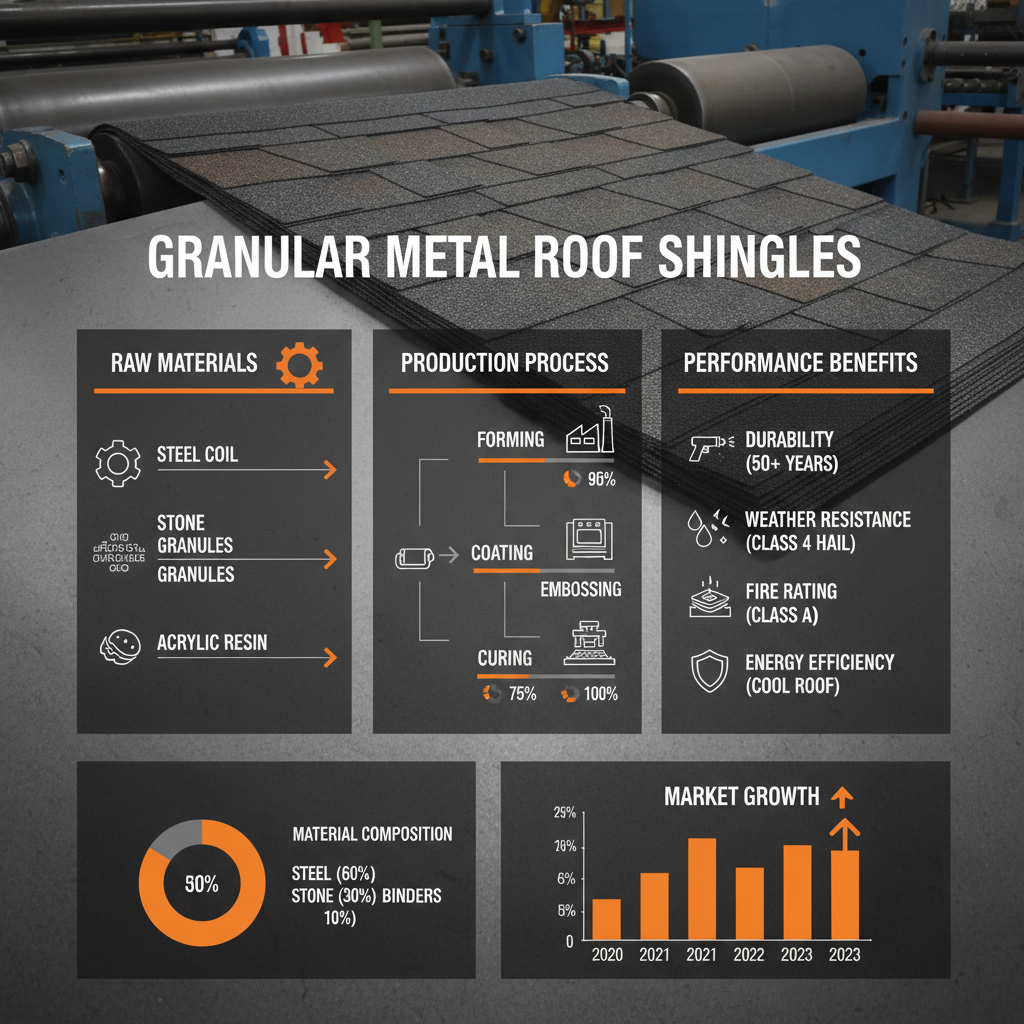
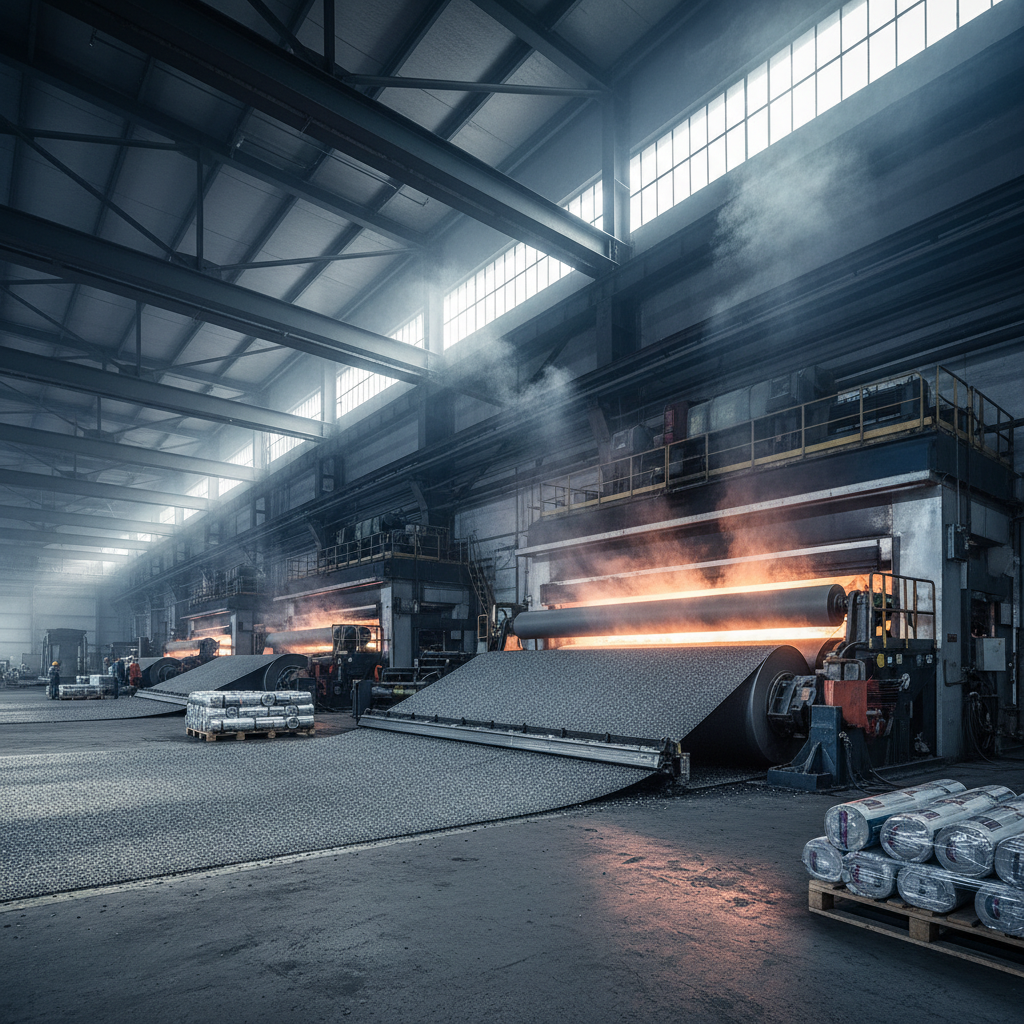
At its simplest level, granules roof shingles refer to roofing materials—typically asphalt-based or stone-coated metal—that are embedded with small, pre-colored mineral particles. These granules are not merely decorative; they are engineered ceramic or crushed stone fragments that protect the waterproof bitumen or metal substrate from the destructive effects of UV rays and temperature fluctuations.
From an industrial perspective, these granules are synthesized using high-temperature kilns to ensure they are non-porous and chemically inert. This process prevents water absorption, which is crucial in preventing the "freeze-thaw" cycle that often leads to cracks and leaks in lower-quality roofing materials.
In the context of humanitarian needs, such as rapid housing deployment in disaster-prone areas, the use of pre-granulated shingles allows for faster installation and longer maintenance intervals, providing safe and dignified shelter with minimal long-term upkeep.
Core Components of High-Performance Granules
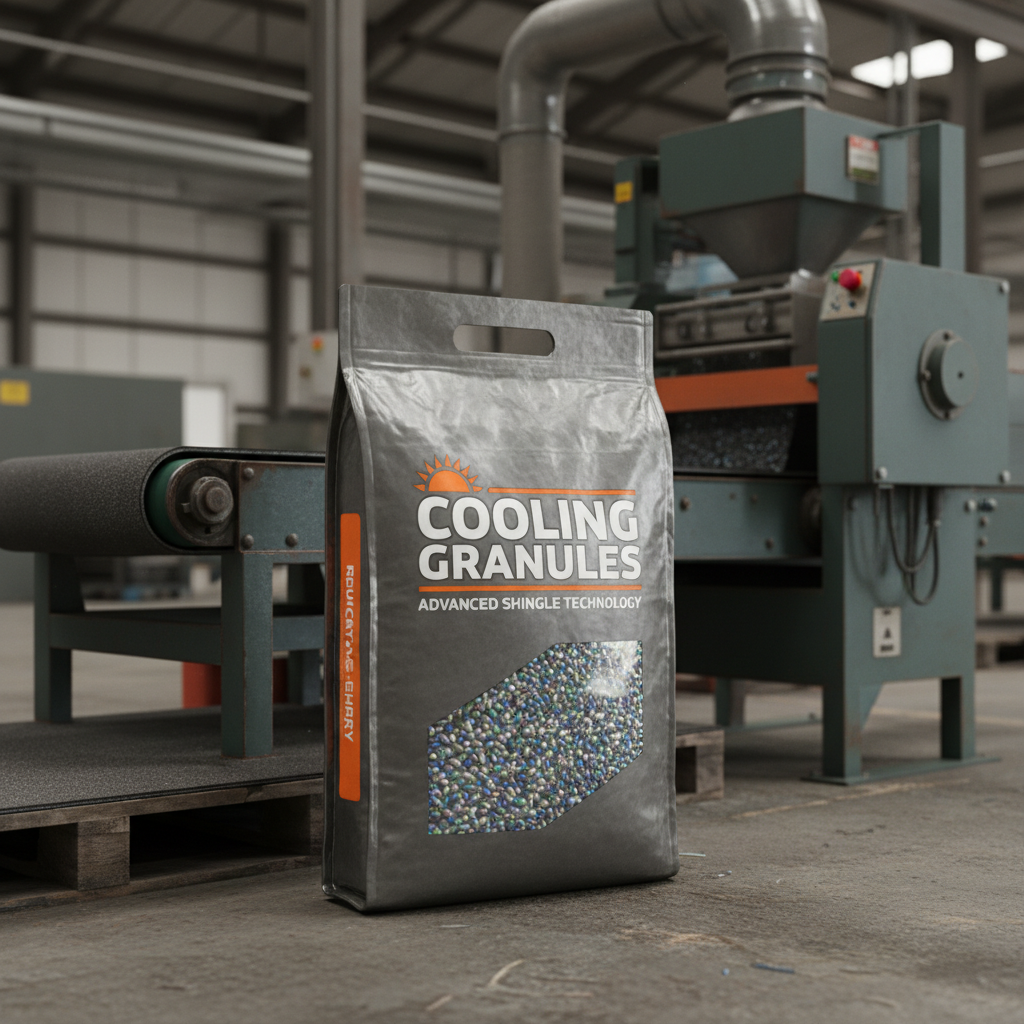
The efficacy of granules roof shingles depends largely on the composition of the mineral particles. High-grade ceramic granules are often preferred over standard sand or crushed stone because they offer superior color retention and a higher refractive index, which is essential for "Cool Roof" certifications.
Adhesion technology is the second core component. The granules must be bonded to the substrate using a precise ratio of asphalt or specialized polymers. If the bond is too weak, "granule loss" occurs during heavy rain or wind, exposing the substrate to UV degradation; if too rigid, the coating may crack during thermal expansion.
Finally, the granulometry—or the size distribution of the particles—plays a vital role in the roof's hydrology. A balanced mix of granule sizes ensures a dense, interlocking layer that minimizes water penetration and maximizes the surface area available for solar reflection.
Durability and Performance Metrics
When evaluating the lifespan of granules roof shingles, engineers look at several key performance indicators (KPIs). These include the rate of granule shedding over a 10-year period, the Solar Reflectance Index (SRI), and the ability of the granules to resist algae and fungal growth in humid environments.
Modern testing involves accelerated weathering chambers that simulate decades of sun and rain exposure. This data allows manufacturers to categorize shingles by their "wind class" and "impact resistance," ensuring that the granules remain intact even during hail storms or high-velocity wind events.
Performance Comparison of Different Granules Roof Shingles Types
Global Applications and Industrial Use Cases
In high-density urban environments, granules roof shingles with high reflectivity (HIREFLE) are increasingly mandated by local building codes to combat rising city temperatures. These are widely used in commercial warehouses and residential complexes in the Southwestern US and Southeast Asia, where solar gain is a primary driver of electricity costs.
Furthermore, in remote industrial zones or post-disaster relief operations, stone-coated metal tiles with granules are deployed for their ease of transport and exceptional wind resistance. These systems provide a permanent, high-dignity housing solution that far exceeds the lifespan of temporary plastic or fabric shelters.
Long-Term Economic and Environmental Value
The investment in premium granules roof shingles pays dividends through significantly reduced lifecycle costs. While the initial material cost may be higher than basic felt or low-grade shingles, the extension of the roof's life by 10 to 20 years drastically reduces the frequency of expensive tear-off and replacement projects.
From an environmental standpoint, the use of recycled ceramic granules reduces the mining of virgin minerals. Moreover, the energy savings achieved through "cool roof" technology lead to a measurable decrease in carbon emissions from power plants, aligning building ownership with global ESG (Environmental, Social, and Governance) goals.
Beyond the numbers, there is an emotional value in safety and trust. A roof that does not leak and maintains its appearance gives homeowners peace of mind and preserves the property's market value, turning a functional necessity into a long-term financial asset.
Future Innovations in Roofing Granules
The future of granules roof shingles lies in "smart materials." Researchers are currently developing photo-catalytic granules that can neutralize atmospheric pollutants (like NOx) when exposed to sunlight, effectively turning every roof into a giant air purifier for the city.
Additionally, the integration of phase-change materials (PCMs) within the granule layer is being explored. This would allow the roof to absorb heat during the day and release it slowly at night, creating a thermal buffer that stabilizes indoor temperatures regardless of the external weather.
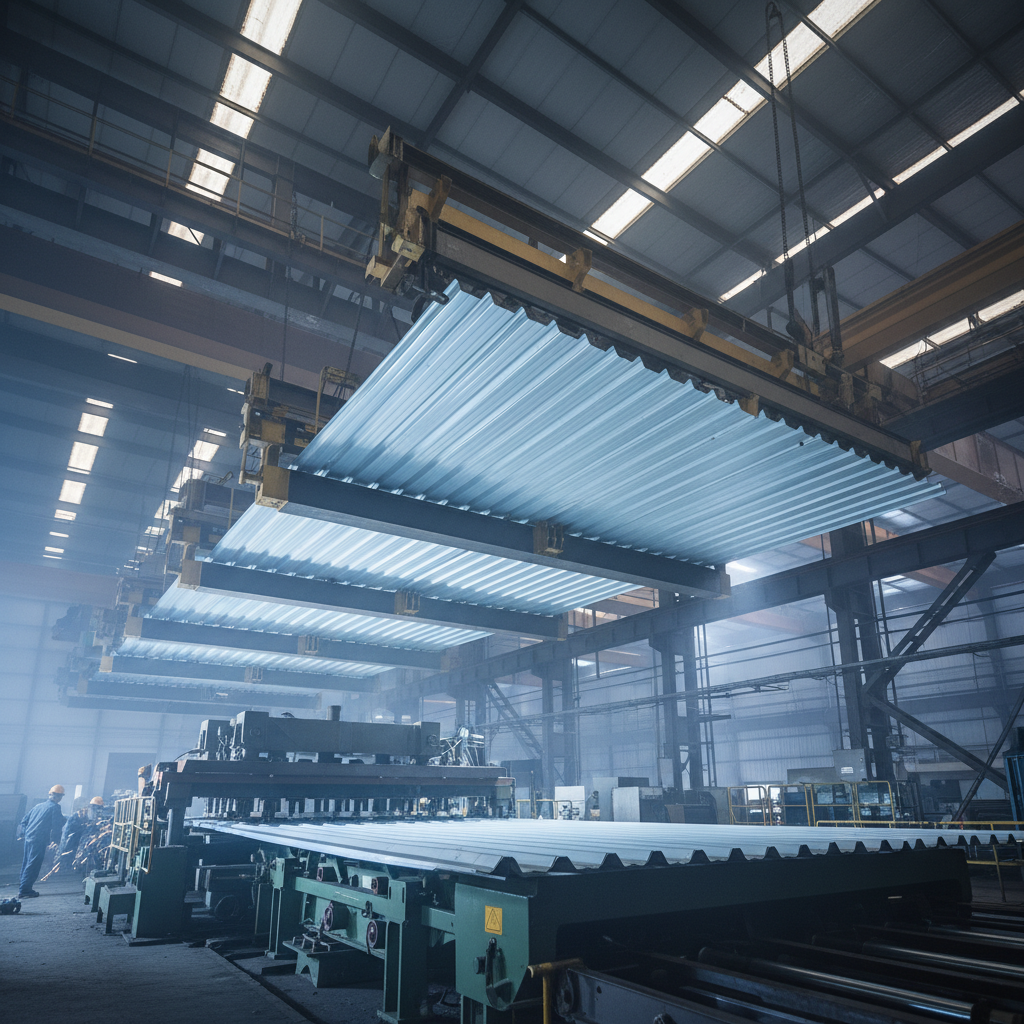
Automation in the manufacturing process is also improving the precision of granule application, ensuring a 100% uniform coating that eliminates "thin spots" and maximizes the protective capabilities of the material.
Comparative Analysis of Granule Material Innovations
| Material Type |
Thermal Reflectivity |
UV Resistance |
Eco-Impact Score |
| Traditional Basalt |
Low |
Medium |
5/10 |
| Reflective Ceramic |
Very High |
High |
8/10 |
| Photo-catalytic |
Medium |
High |
10/10 |
| Polymer-Coated |
Medium |
Very High |
6/10 |
| Recycled Glass |
High |
Medium |
9/10 |
| Hybrid Nano-Ceramic |
Ultra High |
Ultra High |
7/10 |
FAQS
Granule loss is common over time due to weathering, high winds, and UV degradation of the asphalt binder. However, excessive shedding can indicate that the shingles have reached the end of their lifespan or were manufactured with a poor bond. If you see significant piles of granules in your gutters, it is time for a professional inspection to ensure the substrate isn't exposed to water.
Yes, significantly. High-reflective ceramic granules increase the Solar Reflectance Index (SRI) of your roof, meaning they bounce solar radiation back into the atmosphere rather than absorbing it. This reduces the attic temperature by several degrees, which in turn lowers the workload on your air conditioning system, often resulting in 10-20% savings on cooling costs during summer months.
Granules roof shingles, especially stone-coated metal versions, offer a similar aesthetic to clay tiles but are much lighter and more resistant to cracking. While clay is naturally durable, granulated shingles provide superior waterproofing and are generally faster and cheaper to install without requiring the heavy structural reinforcement that clay tiles demand.
Many modern granules are made from recycled materials or low-impact ceramics. When combined with "cool roof" properties, they provide a net environmental benefit by reducing city-wide energy consumption. To maximize eco-friendliness, look for products that are certified for recyclability at the end of their lifecycle.
Unfortunately, you cannot effectively "re-granulate" an existing roof. The granules are bonded during the factory manufacturing process using heat and pressure. Applying loose granules to an old roof will not provide the necessary UV protection or waterproofing. The best solution is a professional overlay or a full replacement with higher-grade granulated shingles.
Depending on the material, premium granules roof shingles can last anywhere from 20 to 50 years. Asphalt-based granulated shingles typically last 20-30 years, while stone-coated metal shingles with ceramic granules can easily exceed 50 years due to the combined strength of the steel substrate and the protective mineral layer.
Conclusion
In summary, granules roof shingles are far more than a cosmetic addition to a building; they are a sophisticated engineering solution designed to combat UV radiation, manage thermal loads, and extend the lifespan of roofing substrates. From the chemical precision of reflective ceramics to the industrial durability of stone coatings, these materials represent the intersection of architectural beauty and functional performance.
As we move toward a future of greener cities and more resilient infrastructure, the adoption of advanced, high-SRI granulated materials will be essential. Homeowners and developers are encouraged to prioritize quality and reflectivity over the lowest initial cost to secure long-term energy savings and structural peace of mind. For industry-leading solutions in cool roof materials, visit our website: www.coolroofmaterials.com.