Cooling asbestos sheet represent a significant advancement in building material technology, addressing critical needs for temperature regulation and durable construction, especially in harsh climates. This technology isn't merely about comfort; it’s about enhancing productivity, preserving infrastructure, and improving quality of life in regions prone to extreme heat. Understanding the science, applications, and future trends associated with cooling asbestos sheet is becoming increasingly vital for architects, engineers, policymakers, and anyone involved in sustainable building practices.
Globally, the demand for effective cooling solutions is surging due to climate change and rapid urbanization. Traditional cooling methods often rely heavily on energy-intensive air conditioning systems, contributing to greenhouse gas emissions. Cooling asbestos sheet offer a promising alternative, leveraging the inherent properties of asbestos combined with innovative surface treatments to reflect sunlight and reduce heat absorption. This shift towards passive cooling strategies is driven by a growing awareness of environmental sustainability and the need for cost-effective energy solutions.
The escalating costs of energy and the growing awareness regarding environmental impact have fueled the need for innovative building materials. Cooling asbestos sheet emerge as a potential solution, offering a balance between effective heat reduction and long-term durability, which makes them a crucial consideration in modern construction.
Introduction to Cooling Asbestos Sheet
Cooling asbestos sheet represent a fascinating intersection of materials science and sustainable construction. While asbestos historically raises health concerns, advanced manufacturing techniques and surface coatings are transforming its potential for building applications, specifically in heat mitigation. These sheets are engineered to reflect a significant portion of solar radiation, reducing the amount of heat absorbed by buildings and lowering indoor temperatures.
The development of cooling asbestos sheet isn’t just a technological feat; it addresses a pressing global need. As urban populations expand and climate change intensifies, the demand for energy-efficient cooling solutions is skyrocketing. This innovative material offers a viable path towards reducing reliance on traditional, energy-intensive air conditioning systems, offering a more sustainable and cost-effective alternative.
Defining Cooling Asbestos Sheet
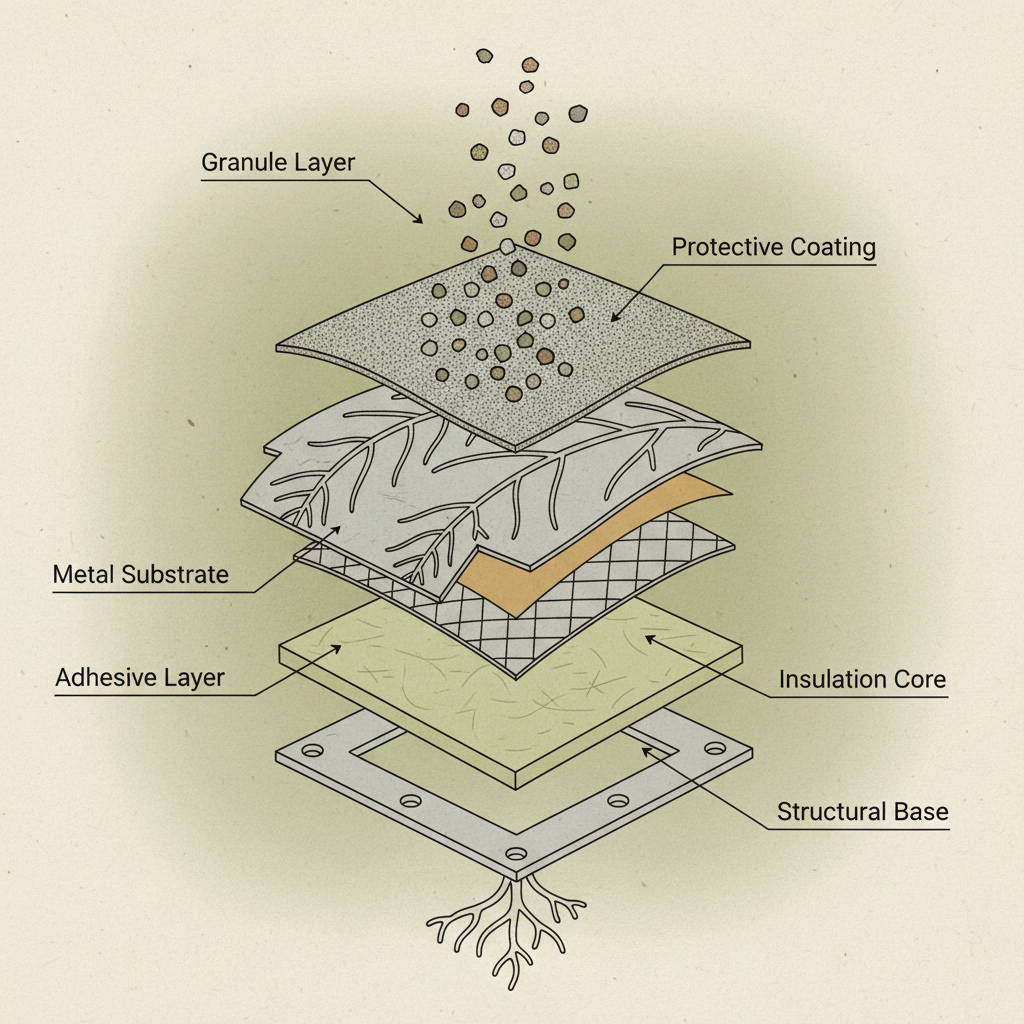
Cooling asbestos sheet are building materials manufactured from asbestos fibers combined with a binding agent, then treated with a specialized coating designed to enhance their reflective properties. Unlike traditional asbestos materials, these sheets are specifically engineered to minimize heat absorption and maximize solar reflectance, resulting in significantly lower surface temperatures. The coating typically comprises highly reflective pigments and polymers, creating a barrier against infrared radiation.
The core concept behind cooling asbestos sheet hinges on albedo, the measure of a surface's ability to reflect sunlight. By increasing the albedo of roofing and wall materials, we can reduce the urban heat island effect and lower overall energy consumption. Cooling asbestos sheet offer a robust and durable solution for achieving this, particularly in regions with intense solar radiation and high temperatures.
This technology isn’t simply a cosmetic fix; it’s a fundamental shift in how we approach building design, moving towards passive cooling strategies that minimize environmental impact and maximize energy efficiency. These materials are directly connected to the modern needs for environmentally conscious development.
Core Components and Characteristics
The effectiveness of cooling asbestos sheet relies on a combination of key components. First, the asbestos fibers provide a strong and durable base material, resistant to weathering and degradation. Second, the binding agent ensures the structural integrity of the sheet, maintaining its shape and form over time. However, the critical component is the reflective coating, which dictates the material's cooling performance.
Beyond the core materials, several key characteristics define the quality and performance of cooling asbestos sheet. These include the Solar Reflectance Index (SRI), which measures a material's ability to reject solar heat; the emissivity, which determines how effectively the material radiates absorbed heat; and the durability of the coating, ensuring long-term reflective performance. Proper manufacturing processes and quality control are essential to maximize these characteristics.
Furthermore, the thickness of the asbestos sheet and the coating application technique play crucial roles in its overall effectiveness. Thicker sheets offer greater structural support, while uniform coating application ensures consistent reflective properties across the entire surface. Understanding these characteristics is vital for selecting the appropriate cooling asbestos sheet for specific applications.
Key Factors Influencing Performance
Several factors influence the performance of cooling asbestos sheet, going beyond just the material composition. The angle of the sun, the climate conditions, and the surrounding environment all play a role. In regions with high humidity, the reflective properties may be slightly diminished due to moisture absorption. The quality of installation is also critical, ensuring a tight seal and minimizing heat transfer through gaps or cracks.
The color of the coating is a major determinant of its cooling effectiveness. Lighter colors reflect more sunlight and therefore offer greater heat reduction. However, the longevity of the color and its resistance to fading under UV exposure are also important considerations. Regular maintenance, such as cleaning the surface to remove dust and debris, can help maintain optimal reflective performance.
Cooling Asbestos Sheet Performance Comparison
Global Applications and Use Cases
Cooling asbestos sheet are finding applications across a wide range of sectors and geographic locations. In arid and semi-arid regions, such as the Middle East and parts of Africa, these materials are being used to construct residential buildings, commercial structures, and industrial facilities, reducing the need for expensive and energy-intensive air conditioning. They are also proving beneficial in agricultural settings, helping to regulate temperatures in greenhouses and livestock shelters.
In post-disaster relief operations, cooling asbestos sheet offer a rapid and cost-effective solution for providing temporary shelter. Their durability and ability to withstand harsh weather conditions make them ideal for emergency housing. Moreover, these sheets are being incorporated into sustainable building projects in developed countries, contributing to green building certifications and reducing carbon footprints.
Advantages and Long-Term Value
The advantages of utilizing cooling asbestos sheet extend beyond immediate cost savings. These materials offer long-term durability, reducing the need for frequent replacements and lowering lifecycle costs. Their reflective properties contribute to a healthier indoor environment by minimizing heat stress and improving air quality. The reduced energy consumption translates to lower carbon emissions, aligning with global sustainability goals.
Investing in cooling asbestos sheet represents a forward-thinking approach to building design. It demonstrates a commitment to environmental responsibility, improves building performance, and enhances the well-being of occupants. The combination of cost-effectiveness, sustainability, and long-term reliability makes these materials a valuable asset for developers, homeowners, and communities alike.
Future Trends and Innovations
The future of cooling asbestos sheet is intertwined with advancements in materials science and nanotechnology. Researchers are exploring new coating formulations that offer even higher reflectivity and enhanced durability. The integration of phase-change materials into the asbestos matrix could further improve thermal regulation, allowing the sheets to store and release heat as needed.
Digital technologies, such as smart sensors and predictive analytics, are also playing a role. These sensors can monitor temperature and humidity levels, adjusting ventilation and shading systems to optimize cooling performance. Automation and robotic manufacturing processes will streamline production, reducing costs and improving quality control.
Looking ahead, the convergence of these innovations will pave the way for self-regulating buildings that minimize energy consumption and provide a comfortable indoor environment, creating more sustainable and resilient communities. The integration of cooling asbestos sheet into smart building systems holds tremendous promise for the future of construction.
FAQS
Cooling asbestos sheet offer several key advantages. Primarily, they significantly reduce heat absorption, lowering indoor temperatures and minimizing the need for air conditioning. They are also durable, weather-resistant, and contribute to lower energy bills. Traditional materials often lack the same level of reflective properties and may require more frequent maintenance or replacement.
The health concerns associated with asbestos are largely related to airborne fibers released during handling and demolition. Modern cooling asbestos sheet are engineered to minimize fiber release, and proper installation and maintenance protocols are crucial. Furthermore, advancements in coating technology encapsulate the asbestos fibers, reducing the risk of exposure. Always consult with certified professionals for installation and removal.
The lifespan of cooling asbestos sheet can vary depending on the climate, quality of installation, and maintenance practices. However, with proper care, these sheets can typically last for 20-30 years or more. Regular cleaning and inspection can help extend their lifespan and ensure optimal performance.
The initial cost of installing cooling asbestos sheet may be slightly higher than some traditional roofing materials. However, the long-term savings on energy bills and reduced maintenance costs often offset this initial investment. The overall cost will depend on the size of the roof, the complexity of the installation, and the geographic location.
Cooling asbestos sheet are particularly effective in hot and sunny climates, where they can significantly reduce heat absorption and lower energy consumption. However, they can also be beneficial in moderate climates, helping to regulate indoor temperatures and improve comfort. Their durability makes them suitable for a wide range of weather conditions.
Regular maintenance is minimal but important. Periodically cleaning the surface to remove dust, dirt, and debris will help maintain optimal reflective performance. Annual inspections should be conducted to check for any damage or wear and tear. Any repairs should be performed by qualified professionals to ensure the integrity of the material.
Conclusion
Cooling asbestos sheet represent a promising innovation in building materials, offering a compelling combination of energy efficiency, durability, and cost-effectiveness. By leveraging the inherent properties of asbestos and incorporating advanced coating technologies, these materials provide a viable solution for mitigating the urban heat island effect, reducing energy consumption, and creating more sustainable and comfortable living environments. The ability of cooling asbestos sheet to address the challenges of a warming planet makes them an essential consideration for future construction projects.
As research and development continue to refine these technologies, we can expect even greater advancements in performance and sustainability. Investing in cooling asbestos sheet isn’t just about building structures; it’s about investing in a future where buildings contribute to a healthier planet and a higher quality of life for all. To learn more about how cooling asbestos sheet can benefit your next project, visit our website: www.coolroofmaterials.com