Cooling sheet for house price, a rapidly evolving field, addresses the growing global need for affordable and efficient temperature regulation within residential structures. As climate change intensifies, the demand for solutions that mitigate heat stress and reduce energy consumption for cooling is skyrocketing. These innovative materials and systems are no longer a luxury, but increasingly a necessity for maintaining comfortable and safe living environments, particularly in vulnerable populations and regions experiencing extreme heat.
The economic implications of cooling sheet for house price are substantial. Traditional cooling methods are energy-intensive and contribute significantly to greenhouse gas emissions. Implementing cost-effective cooling sheet solutions can drastically reduce energy bills for homeowners and lessen the strain on power grids, especially during peak demand. Furthermore, the development and deployment of these technologies foster new industries and create employment opportunities.
Understanding the nuances of cooling sheet for house price – from material science and installation techniques to long-term cost savings and environmental impact – is crucial for informed decision-making by homeowners, policymakers, and the construction industry alike. This knowledge empowers stakeholders to invest in sustainable solutions and create resilient communities prepared for a warming world.
The Fundamentals of cooling sheet for house price
At its core, cooling sheet for house price focuses on reducing heat transfer into buildings. This can be achieved through a variety of mechanisms, including reflective surfaces that bounce solar radiation away, materials with high thermal mass that absorb and store heat, and insulation that resists conductive heat flow. The price of these solutions is heavily influenced by the materials used, the complexity of installation, and the overall energy savings potential.
The fundamental principle driving the demand for cooling sheet for house price is the increasing global average temperature. As temperatures rise, the need for active cooling systems (air conditioners) increases, leading to higher energy consumption and environmental impact. Cooling sheet offer a proactive, passive approach to temperature regulation, reducing the reliance on energy-intensive cooling methods and providing long-term cost savings.
The Global Cooling Challenge and Cooling Sheet Solutions
The global cooling challenge is significant. The UN estimates that demand for cooling will quadruple by 2050, driven by population growth, urbanization, and rising incomes. This surge in cooling demand presents a major threat to energy security and climate goals. Without widespread adoption of energy-efficient cooling solutions, including cooling sheet for house price, we risk exacerbating greenhouse gas emissions and accelerating climate change.
Cooling sheet for house price offer a crucial component of a comprehensive strategy to address this challenge. By reducing the amount of heat entering buildings, these solutions decrease the load on air conditioning systems, lowering energy consumption and associated emissions. They also contribute to improved indoor air quality and thermal comfort, enhancing the well-being of occupants.
Regions experiencing rapid urbanization and extreme heat waves, such as parts of Asia, Africa, and the Middle East, are particularly vulnerable to the impacts of inadequate cooling. Affordable and accessible cooling sheet for house price are essential for protecting vulnerable populations and building climate-resilient communities in these areas.
Defining cooling sheet for house price: Materials and Technologies
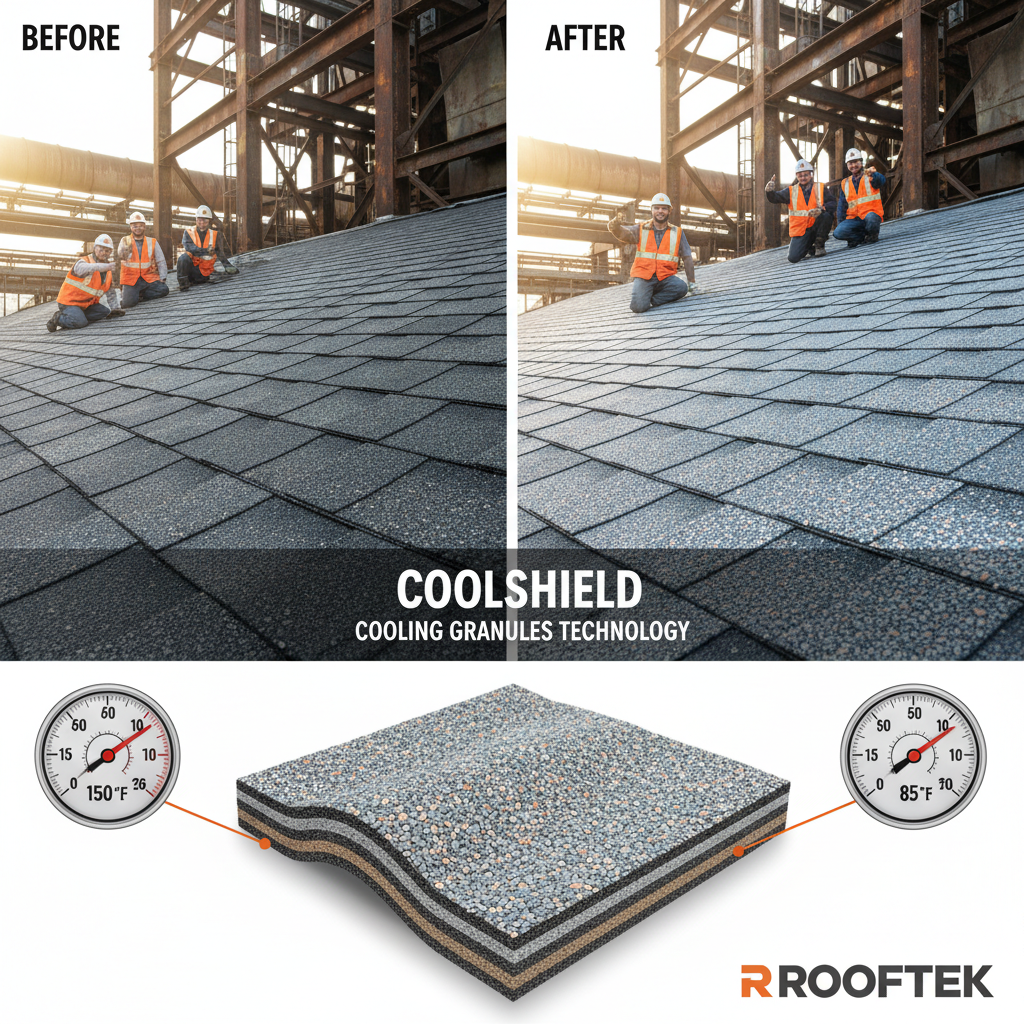
Cooling sheet for house price encompasses a diverse range of materials and technologies designed to minimize heat gain within buildings. Reflective roof coatings, often utilizing specialized polymers and pigments, are a common example, bouncing a significant portion of solar radiation back into the atmosphere. These coatings can significantly reduce roof temperatures and lower cooling costs.
Beyond roof coatings, cooling sheet for house price includes innovative materials like phase change materials (PCMs). PCMs absorb and release heat as they transition between solid and liquid states, effectively stabilizing indoor temperatures. Another key technology is radiant barrier insulation, which reflects radiant heat transfer, preventing it from warming the interior space. The cooling sheet for house price can vary drastically depending on the material.
Finally, advancements in window films and glazing technologies also fall under the umbrella of cooling sheet for house price. These products selectively filter out infrared and ultraviolet radiation, reducing heat gain while allowing visible light to pass through, maintaining natural daylighting and reducing the need for artificial lighting.
Key Factors Influencing cooling sheet for house price
Several key factors determine the overall cooling sheet for house price. The type of material used is a primary driver; high-performance materials like advanced polymers and PCMs typically command a higher price point than more conventional options. The size of the area to be covered also significantly impacts the total cost.
Installation complexity is another crucial factor. Simple applications, such as applying reflective roof coatings, can be relatively inexpensive. However, more complex installations, involving structural modifications or specialized equipment, will naturally increase the overall cooling sheet for house price.
Comparative cooling sheet for house price Methods
Global Applications and Real-World Use Cases
Cooling sheet for house price are being deployed in a wide range of applications around the globe. In hot and arid climates, reflective roof coatings are becoming increasingly common in residential and commercial buildings to reduce indoor temperatures and energy consumption.
In post-disaster relief operations, rapid deployment shelters often incorporate cooling sheet materials to provide immediate thermal comfort to affected populations. These materials are crucial for protecting vulnerable individuals from heatstroke and other heat-related illnesses. Furthermore, in remote industrial zones where access to reliable electricity is limited, cooling sheet solutions provide a sustainable and cost-effective way to maintain comfortable working conditions.
Advantages and Long-Term Value Proposition
The advantages of cooling sheet for house price extend beyond simple cost savings. These solutions contribute to greater energy independence, reducing reliance on fossil fuels and lowering carbon footprints. The use of sustainable materials further enhances the environmental benefits, aligning with broader sustainability goals.
From a societal perspective, cooling sheet for house price improve the quality of life, particularly for vulnerable populations. By providing comfortable and safe living environments, these solutions promote health, well-being, and productivity. The long-term value proposition lies in the combination of economic savings, environmental responsibility, and social impact.
Future Trends and Innovations in cooling sheet for house price
The future of cooling sheet for house price is bright, with ongoing research and development driving innovation in materials and technologies. Nanomaterials are showing promise in enhancing reflectivity and thermal performance, while bio-based materials offer a sustainable alternative to traditional polymers.
The integration of digital technologies, such as smart sensors and building automation systems, will further optimize the performance of cooling sheet solutions. These systems can monitor indoor and outdoor temperatures, adjust shading devices, and automatically control ventilation to maximize energy savings and thermal comfort.
Policy initiatives and incentives aimed at promoting energy efficiency and sustainability will also play a crucial role in accelerating the adoption of cooling sheet for house price. Government regulations, tax credits, and subsidies can incentivize homeowners and builders to invest in these innovative solutions.
Summary Table of Advanced cooling sheet for house price Technologies
| Technology Type |
Material Composition |
Cooling Mechanism |
Estimated cooling sheet for house price (USD/sq. ft) |
| Reflective Roof Coatings |
Acrylic Polymers, Titanium Dioxide |
Solar Reflectance |
2.00 - 4.00 |
| Radiant Barrier Insulation |
Aluminum Foil, Kraft Paper |
Radiant Heat Reflection |
2.50 - 3.50 |
| Phase Change Materials (PCMs) |
Paraffin Wax, Salt Hydrates |
Latent Heat Storage |
7.00 - 12.00 |
| High-Performance Window Film |
Polyester, Metalized Coatings |
Infrared & UV Reflection |
4.00 - 6.00 |
| Aerogel Insulation |
Silica, Air |
Conduction Inhibition |
10.00 - 20.00 |
| Green Roof Systems |
Vegetation, Growing Medium |
Evapotranspiration, Shading |
12.00 - 25.00 |
FAQS
The lifespan of cooling sheet for house price materials varies significantly depending on the specific type and quality. Reflective roof coatings typically last 5-10 years, while radiant barrier insulation can last for the lifetime of the building. Phase change materials have a lifespan of around 10-20 years, and high-performance window films can last 15-20 years. Proper installation and maintenance are crucial for maximizing the lifespan of these materials.
Climate plays a significant role in the effectiveness of cooling sheet for house price. In hot, sunny climates, reflective materials and radiant barriers are particularly effective at reducing heat gain. In humid climates, ventilation and moisture control are crucial considerations. The best cooling sheet solution will depend on the specific climate conditions and building characteristics.
While cooling sheet for house price offer numerous benefits, some potential drawbacks include the initial cost of installation, the need for proper maintenance, and the possibility of reduced natural lighting with certain window films. Some materials may also have environmental concerns related to manufacturing or disposal. Careful consideration of these factors is important when selecting a cooling sheet solution.
Many governments offer incentives for installing energy-efficient building materials, including cooling sheet for house price. These incentives can include tax credits, rebates, and grants. The availability of incentives varies by location, so it’s important to check with local and national energy agencies to determine what programs are available.
Choosing the right cooling sheet for house price requires careful assessment of your specific needs and climate conditions. Consider factors such as your budget, the type of building, the local climate, and your energy efficiency goals. Consulting with a qualified building professional can help you identify the most appropriate solution for your home.
Yes, cooling sheet for house price can be effectively combined with other cooling methods to maximize energy savings and thermal comfort. For example, combining reflective roof coatings with efficient air conditioning systems can significantly reduce energy consumption. Utilizing passive cooling strategies like natural ventilation alongside cooling sheet further enhances overall performance.
Conclusion
Cooling sheet for house price represent a vital component of a sustainable future, addressing the escalating global cooling challenge with innovative and cost-effective solutions. By reducing energy consumption, lowering carbon emissions, and improving indoor comfort, these technologies offer a compelling value proposition for homeowners, businesses, and policymakers alike. Investing in cooling sheet is not merely about reducing energy bills; it's about building resilient communities and safeguarding our planet.
Looking ahead, continued research and development, coupled with supportive policies and incentives, will be crucial for accelerating the adoption of cooling sheet for house price. Embracing these technologies is essential for creating a more sustainable and equitable future, where everyone has access to comfortable and affordable cooling, regardless of their location or socioeconomic status. For more information and to explore tailored solutions, visit our website: cooling sheet for house price.