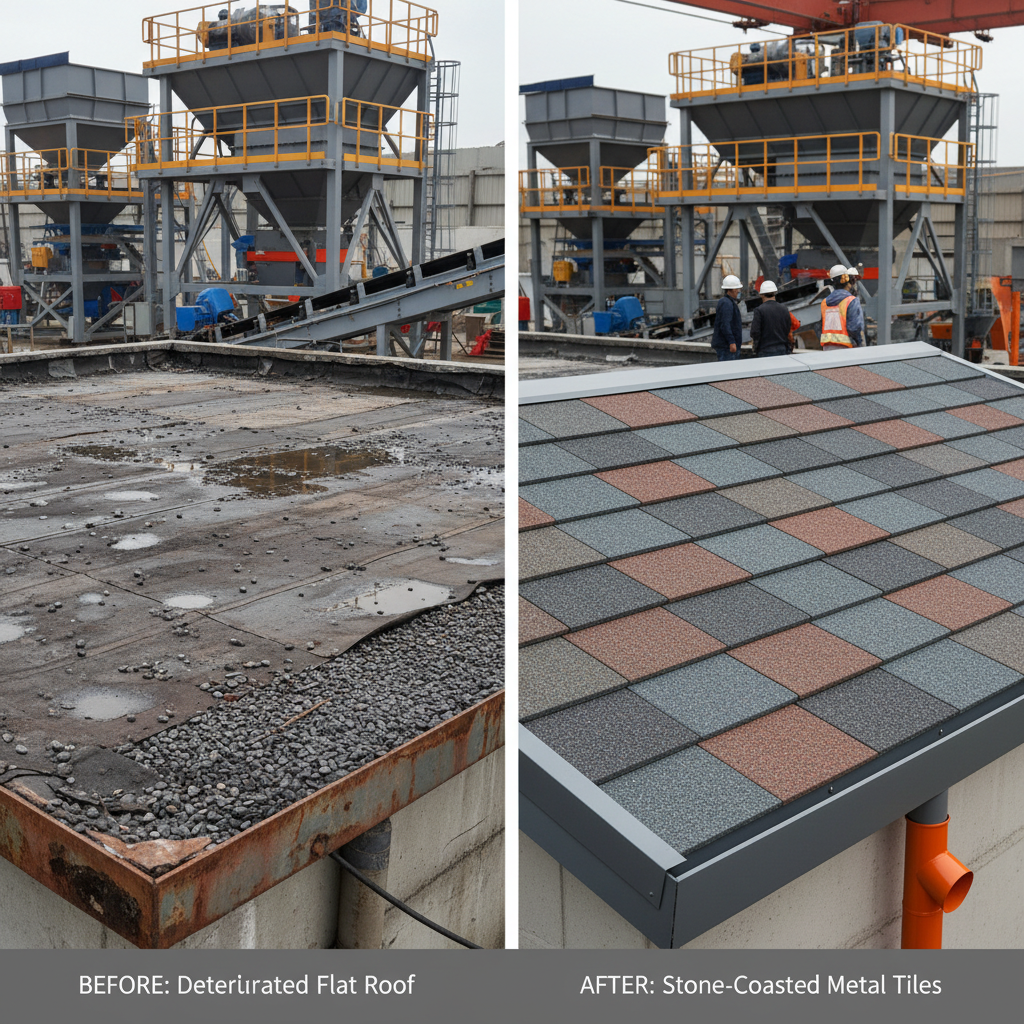
Look, I've spent the last fifteen years knee-deep in dust and gravel on construction sites, and I can tell you one thing: a roof is only as good as its details. And when you’re talking flat roofs, those details come down to the granules. It’s not glamorous, but these little guys are the first line of defense against the elements, protecting the layers beneath and extending the life of the whole system. We're not just slapping stuff on roofs anymore; it's about long-term performance and reducing lifecycle costs. Understanding flat roof granules is fundamental to building durable, sustainable structures.
For years, we relied on older technologies, and frankly, they weren't cutting it. Granule loss was a constant headache, leading to premature weathering and costly repairs. But the industry’s come a long way. Now, we’re seeing significant advancements in granule coatings, polymer blends, and application techniques. It’s not just about color anymore; it’s about UV resistance, fire retardancy, and even reflectivity to reduce energy costs. The shift towards higher-quality flat roof granules impacts everything from material warranties to overall building lifespan.
I see a lot of project managers focused on the big picture – steel, concrete, timelines. That's smart, but overlooking these smaller components, like granules, is a mistake. They're the unsung heroes, quietly protecting our investments. A proper granule application, with the right materials, can mean the difference between a roof that lasts twenty years and one that needs replacing after ten. That difference translates directly to the bottom line for building owners and developers.
The Importance of flat roof granules in Modern Construction
I’ve seen too many projects cut corners on granules, thinking it’s a minor detail. Big mistake. These aren’t just cosmetic; they’re the shield against UV radiation, hail impact, and thermal cycling. A quality granule layer protects the underlying roofing membrane, preventing cracks, blisters, and ultimately, leaks. It's the first defense and honestly, a properly installed system with good flat roof granules will save you headaches down the road.
From a practical standpoint, the granules provide the necessary friction for foot traffic during maintenance. A slick, granule-depleted surface is a safety hazard, plain and simple. We're constantly balancing performance with safety, and granules play a critical role in both. Plus, the color options available – from standard grays and blacks to more reflective whites – allow for aesthetic flexibility and even contribute to building energy efficiency.
The Chemical Composition of flat roof granules
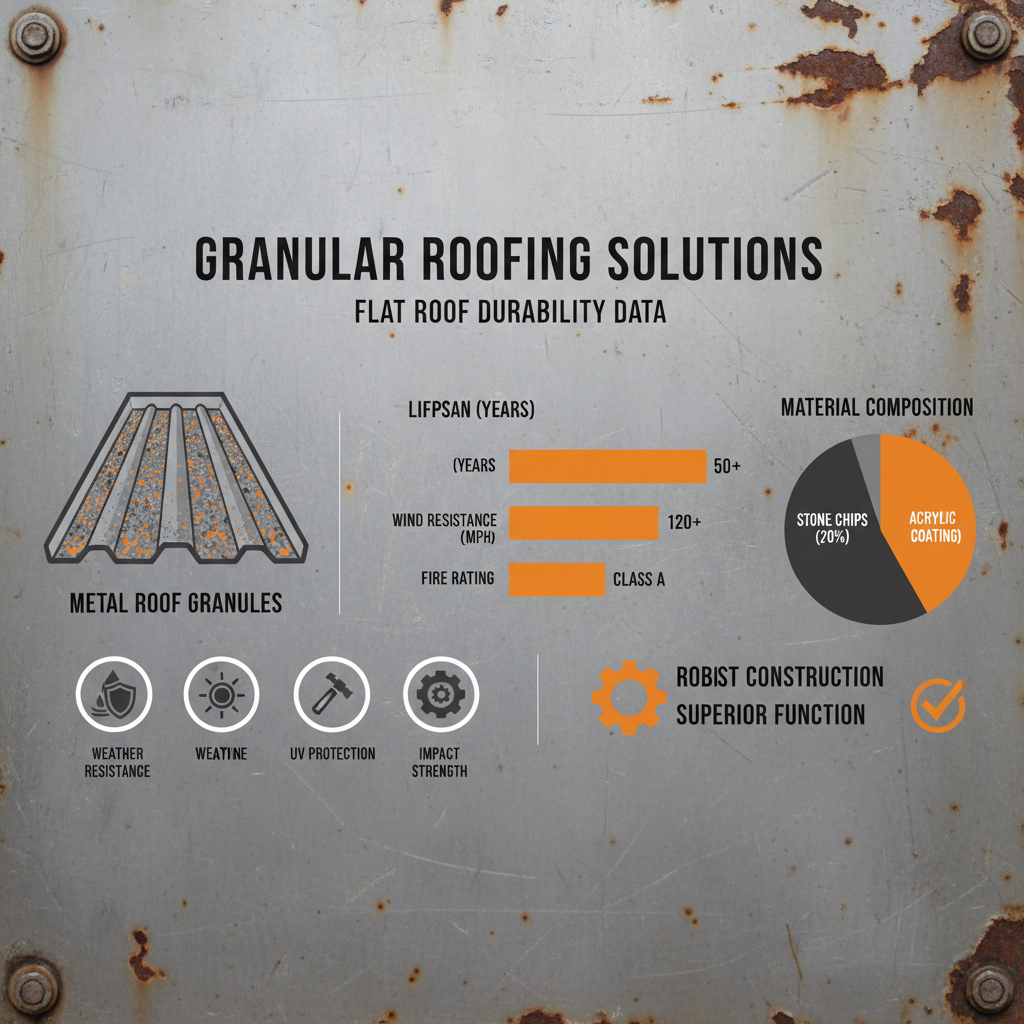
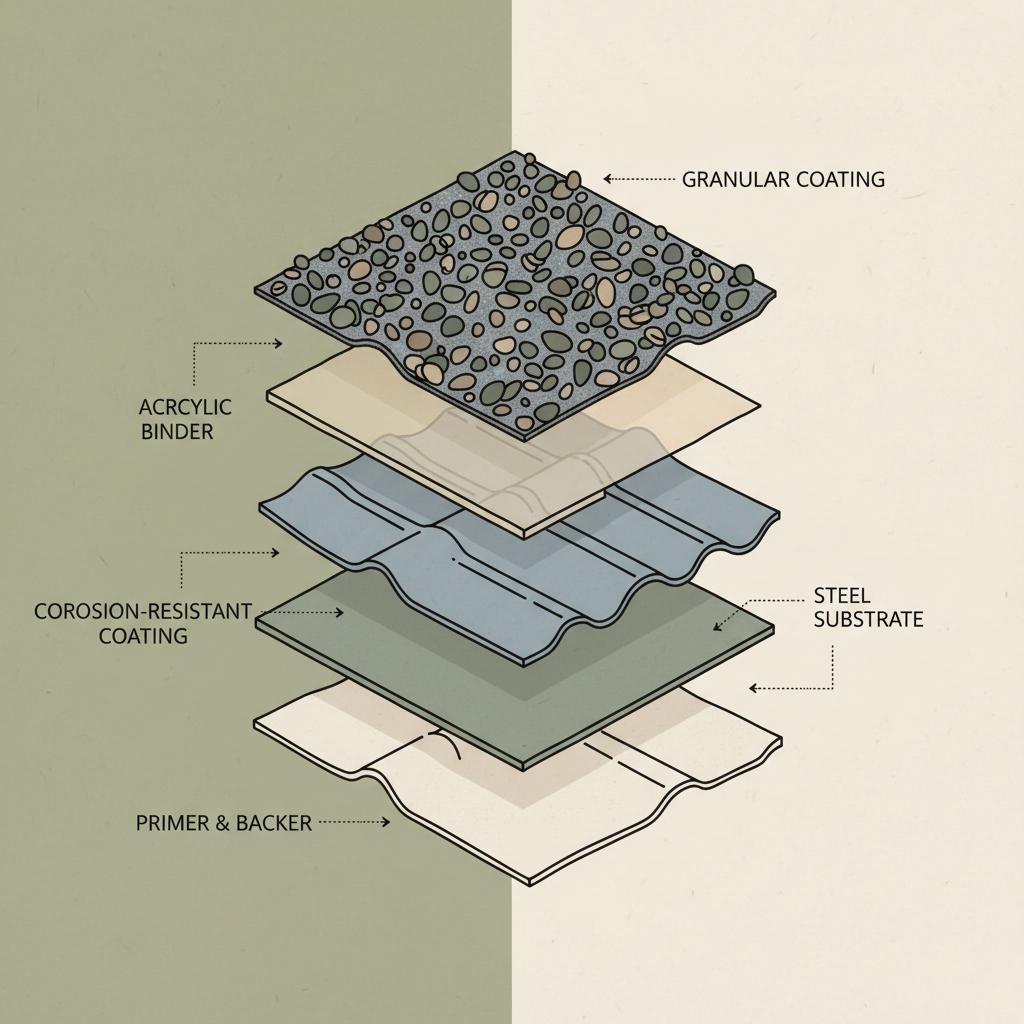
The composition of flat roof granules isn't just crushed rock. It's a precise blend of materials engineered for specific performance characteristics. Typically, you're looking at a base of crushed stone – basalt, granite, or diabase – coated with a ceramic or acrylic pigment. The quality of that coating is paramount; it determines the UV resistance, color retention, and overall durability. I've seen granules where the coating flakes off after just a few years, leaving the underlying stone exposed and vulnerable.
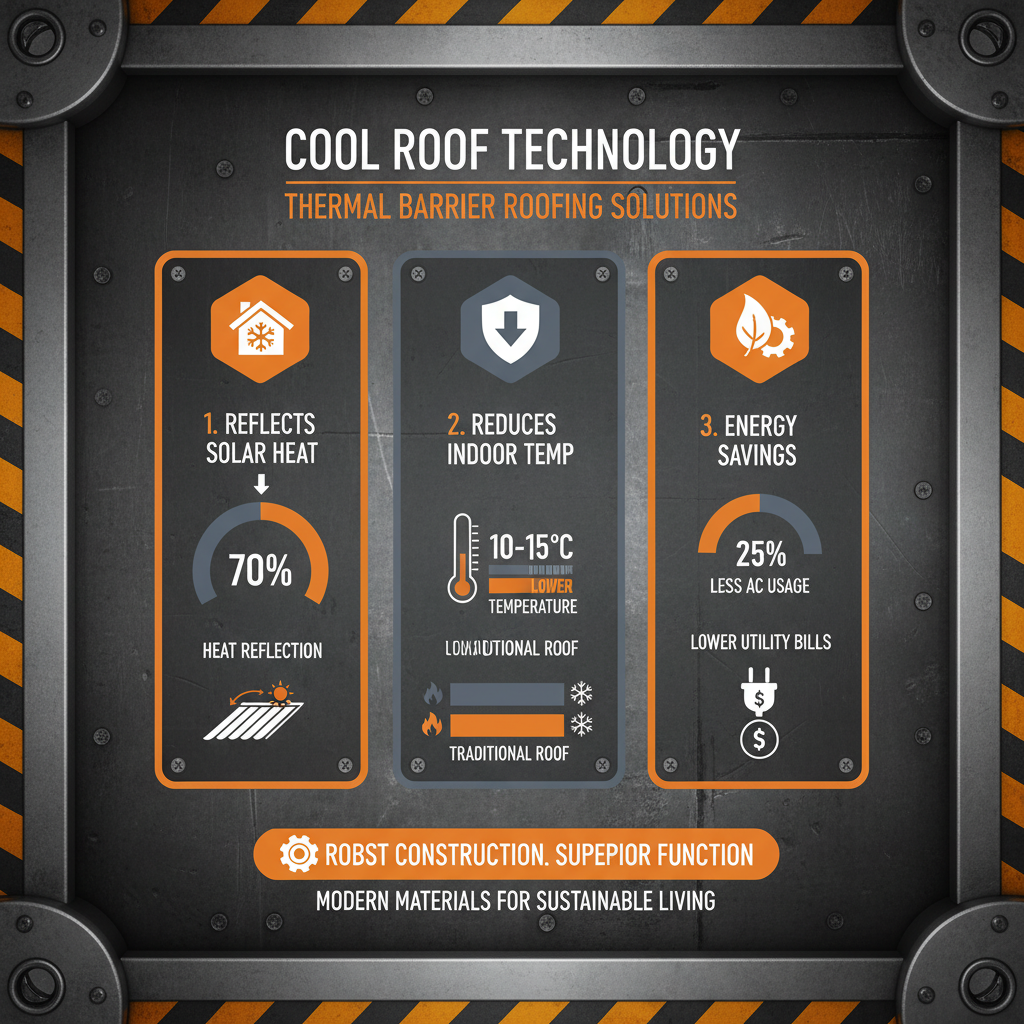
More advanced granules incorporate ceramic microspheres to enhance reflectivity, reducing roof temperatures and lowering cooling costs. Others include fire-retardant additives for increased safety. The polymer binder used to adhere the granules to the roofing membrane is also critical. We're seeing a move towards more durable, flexible polymers that can withstand thermal expansion and contraction without cracking or losing adhesion.
From my experience, the best manufacturers are transparent about their formulations and readily provide technical data sheets outlining the chemical composition and performance characteristics. You need that information to ensure you're specifying the right granules for the specific climate and application.
Durability and Weather Resistance of flat roof granules
Let's be real, a flat roof takes a beating. Sun, rain, snow, hail, temperature swings… it's relentless. That's why durability and weather resistance are non-negotiable when it comes to flat roof granules. We look for granules with high abrasion resistance, meaning they can withstand foot traffic and resist being worn away over time. Hail impact resistance is another critical factor, especially in areas prone to severe storms.
The coating on the granule plays a huge role here. A high-quality coating protects the underlying stone from moisture penetration, preventing spalling and degradation. UV resistance is also essential; prolonged exposure to ultraviolet radiation can cause the coating to fade, crack, and lose its protective properties. I always ask about accelerated weathering tests – these simulations give you a good indication of how granules will perform over the long term.
And it’s not just about the granules themselves; it’s about how well they’re embedded in the roofing membrane. Proper application technique is crucial. You need consistent granule distribution and sufficient adhesion to prevent granule loss during wind events and over the lifespan of the roof. That’s where experienced installers make a difference.
Cost-Effectiveness and Lifecycle Analysis
I get it, budget is always a concern. But when it comes to flat roof granules, cheaping out is a false economy. You might save a few bucks upfront, but you'll likely end up paying more in the long run through increased maintenance costs and premature roof replacement.
A lifecycle cost analysis is the way to go. Factor in the initial material cost, installation costs, expected lifespan, maintenance costs, and potential replacement costs. A higher-quality granule may have a higher upfront cost, but its longer lifespan and reduced maintenance requirements can result in significant savings over the life of the roof.
Lifecycle Cost Comparison of flat roof granules
Global Applications and Regional Variations
You’ll find flat roofs, and therefore flat roof granules, pretty much everywhere, but the specific requirements vary significantly based on climate and local building codes. In hot, sunny regions like the Southwest US and the Middle East, reflective granules are increasingly popular to reduce cooling loads and combat the urban heat island effect.
In colder climates with heavy snowfall, granules with enhanced abrasion resistance are essential to withstand the repeated freeze-thaw cycles and the weight of the snow. And in coastal areas, granules need to be resistant to salt spray and corrosion. What works well in Florida won’t necessarily work well in Alaska.
Sustainability and Environmental Impact
The environmental impact of flat roof granules is getting more attention, and rightly so. We're seeing a growing demand for recycled granules and granules made from sustainable materials. Some manufacturers are even incorporating waste products – like recycled glass – into their formulations.
The reflectivity of granules also plays a role. Cool roofs, with their highly reflective granules, reduce energy consumption and lower greenhouse gas emissions. It's a small change, but it can make a significant difference over the lifetime of a building.
Proper disposal of old granules is also important. We need to avoid sending them to landfills and explore options for recycling or reuse.
Innovations and Future Trends in Granule Technology
The future of flat roof granules is looking pretty interesting. We’re seeing research into self-healing granules that can repair minor damage automatically, extending the life of the roof. Nanotechnology is also playing a role, with researchers developing granules that offer enhanced UV protection and antimicrobial properties.
Smart granules, embedded with sensors, are another potential innovation. These sensors could monitor roof conditions – temperature, moisture levels, granule loss – and provide real-time data to building owners and maintenance crews.
And I expect to see continued advancements in granule coatings, leading to even greater durability, reflectivity, and sustainability.
Summary of Key Innovation Areas for flat roof granules
| Innovation Category |
Technology Description |
Potential Benefits |
Current Development Stage |
| Self-Healing Granules |
Granules containing microcapsules that release a repair agent when damaged. |
Increased roof lifespan, reduced maintenance costs. |
Laboratory testing, early prototyping. |
| Nanotechnology Coatings |
Applying nanoscale materials to enhance UV resistance and durability. |
Superior weather protection, improved color retention. |
Pilot production, limited commercial availability. |
| Smart Granules with Sensors |
Granules embedded with sensors to monitor roof conditions in real-time. |
Proactive maintenance, early leak detection. |
Conceptual stage, research and development. |
| Bio-Based Granules |
Using renewable materials like algae or plant fibers as a granule base. |
Reduced carbon footprint, sustainable building practices. |
Early stage development, material sourcing challenges. |
| Recycled Granule Content |
Increasing the percentage of recycled materials used in granule production. |
Waste reduction, circular economy benefits. |
Widely adopted by many manufacturers. |
| Enhanced Reflectivity Coatings |
Developing coatings that maximize solar reflectance for energy efficiency. |
Reduced cooling costs, lower urban heat island effect. |
Ongoing research and improvement. |
FAQS
Honestly, it's focusing solely on price. I've seen too many projects try to save a few bucks upfront by choosing low-quality granules, and they always regret it later. A cheap granule might look okay initially, but it won’t stand up to the elements, and you’ll be facing costly repairs much sooner than you expect. Invest in quality – it pays off in the long run. Don't skip the research and always check for ASTM certifications.
Look for excessive granule loss in gutters and downspouts – that’s a clear sign. Also, inspect the roof surface for bare spots where the granules have worn away, exposing the underlying membrane. Blisters, cracks, and leaks are all indicators that the granule layer isn’t providing adequate protection anymore. Regular visual inspections are crucial for preventative maintenance.
In many cases, absolutely. Reflective granules can significantly reduce roof temperatures, lowering cooling costs and extending the life of the roofing membrane. The payback period depends on your climate and energy usage, but in hot, sunny regions, it’s often just a few years. Plus, they contribute to a more sustainable building.
It’s critical. Proper application ensures consistent granule distribution and adequate adhesion. Poor installation can lead to premature granule loss, reduced performance, and even roof failure. Always hire a qualified and experienced roofing contractor who understands the nuances of granule application. A sloppy install negates the benefit of good materials.
Mineral granules are typically made from crushed rock, while ceramic granules are manufactured using a clay-based material. Ceramic granules generally offer better color retention, UV resistance, and durability, but they’re also more expensive. Mineral granules are a more cost-effective option, but they may fade and wear more quickly.
While it’s technically possible to apply granules yourself, I strongly recommend hiring a professional. Proper application requires specialized equipment and expertise to ensure consistent coverage and adequate adhesion. A DIY job is likely to result in uneven coverage, granule loss, and ultimately, a compromised roof. It’s just not worth the risk.
Conclusion
We’ve covered a lot of ground here, from the chemical composition of flat roof granules to the latest innovations in granule technology. The bottom line is this: these seemingly small components play a huge role in the long-term performance, durability, and sustainability of flat roofs. Don't underestimate their importance. Investing in quality granules and proper installation is an investment in the future of your building.
Looking ahead, I expect to see continued advancements in granule technology, driven by a growing focus on sustainability and energy efficiency. As building owners and developers demand more from their roofing systems, the role of flat roof granules will only become more critical. For more information and to explore our range of high-performance granule solutions, visit our website: www.coolroofmaterials.com.