House cooling roofing sheets are rapidly becoming essential components in modern building design, offering innovative solutions to combat rising global temperatures and energy costs. These specialized roofing materials are engineered to reflect sunlight and reduce heat absorption, significantly lowering indoor temperatures and minimizing the need for air conditioning. This technology is increasingly vital as climate change intensifies, impacting both residential and commercial structures worldwide.
The demand for sustainable and energy-efficient building materials is driven by growing environmental concerns and stringent energy regulations. house cooling roofing sheets offer a practical and cost-effective way to meet these demands, contributing to reduced carbon footprints and lower utility bills. Their adoption is also linked to improved indoor comfort and enhanced building longevity.
Understanding the principles, applications, and future trends of house cooling roofing sheets is crucial for architects, builders, homeowners, and policymakers alike. This knowledge empowers informed decision-making regarding building construction and renovation, ultimately leading to more sustainable and resilient communities.
Introduction to house cooling roofing sheets
The implementation of house cooling roofing sheets is a significant advancement in building technology, driven by the increasing need for energy conservation and sustainable living. These materials represent a proactive approach to mitigating the urban heat island effect, a phenomenon where urban areas experience significantly higher temperatures than surrounding rural areas.
Choosing the right house cooling roofing sheets can substantially reduce a building’s cooling load, leading to lower energy consumption and reduced greenhouse gas emissions. They not only benefit the environment but also provide economic advantages for building owners by lowering operational costs.
Global Relevance and Challenges
Globally, rising temperatures and increased energy demands are placing immense strain on infrastructure and resources. The United Nations Environment Programme (UNEP) highlights the critical need for energy efficiency in buildings to achieve sustainable development goals. house cooling roofing sheets play a direct role in addressing these challenges by reducing energy consumption and mitigating the impacts of climate change.
However, widespread adoption faces challenges such as initial installation costs, lack of awareness among consumers, and limited regulatory incentives in some regions. Overcoming these hurdles requires collaboration between governments, industry stakeholders, and the public to promote the benefits and accessibility of these technologies.
Data from the World Bank demonstrates a growing correlation between economic development and energy consumption. Implementing effective cooling solutions like house cooling roofing sheets is crucial for balancing economic growth with environmental sustainability, particularly in rapidly urbanizing regions.
Defining house cooling roofing sheets
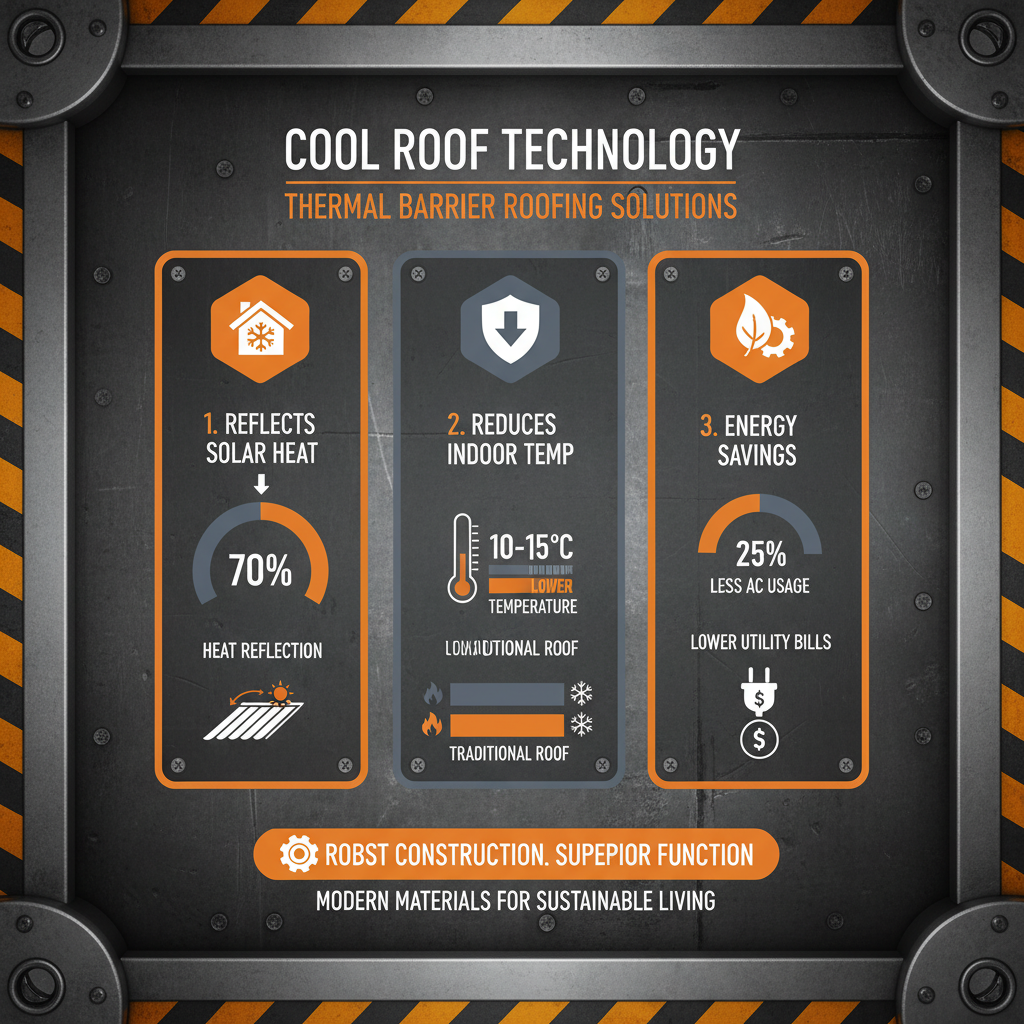
House cooling roofing sheets are engineered roofing materials designed to reflect more sunlight and absorb less heat than traditional roofing materials. They achieve this through the use of specialized coatings, pigments, and materials that enhance reflectivity (albedo) and emissivity. These sheets help to keep buildings cooler, reducing the need for air conditioning and lowering energy bills.
The connection to modern industry stems from advancements in materials science and the increasing demand for sustainable building solutions. These sheets aren't just an add-on; they’re increasingly integrated into the core design of new constructions and retrofitting projects. They exemplify a paradigm shift towards proactive climate adaptation and energy efficiency.
Their relevance extends beyond humanitarian needs; they address fundamental economic and environmental concerns, offering a practical solution for mitigating the impacts of climate change and reducing reliance on fossil fuels. The widespread adoption of house cooling roofing sheets contributes to a more sustainable and resilient built environment.
Core Components and Key Factors
Several key factors determine the effectiveness of house cooling roofing sheets. These include reflectivity, emissivity, durability, and cost-effectiveness. Reflectivity refers to the material's ability to reflect sunlight, while emissivity measures its capacity to release absorbed heat. Higher reflectivity and emissivity values translate to better cooling performance.
Durability is also crucial, ensuring that the sheets can withstand harsh weather conditions and maintain their reflective properties over time. Cost-effectiveness is a significant consideration, as the initial investment must be balanced against the long-term energy savings and environmental benefits.
Comparative Analysis of house cooling roofing sheets Methods
Global Applications and Use Cases
House cooling roofing sheets are being implemented across diverse climates and building types globally. In hot and sunny regions like the southwestern United States and parts of Australia, they are used extensively on residential and commercial buildings to reduce cooling loads and energy costs.
In post-disaster relief operations, these sheets can provide rapid and effective cooling solutions for temporary shelters, improving the living conditions for displaced populations. Furthermore, in remote industrial zones where reliable energy access is limited, these sheets can significantly reduce the demand for cooling, enhancing operational efficiency and reducing environmental impact.
Advantages and Long-Term Value
The advantages of house cooling roofing sheets extend beyond simple energy savings. They contribute to improved air quality by reducing the urban heat island effect, lessening smog formation. From a sustainability perspective, they decrease reliance on fossil fuels, lowering carbon emissions and supporting a greener future.
Long-term, these sheets enhance building durability by protecting the roof structure from extreme temperature fluctuations. They also offer a positive return on investment, with energy savings often offsetting the initial installation costs within a few years. The overall value proposition is compelling, encompassing economic, environmental, and social benefits.
Future Trends and Innovations
The future of house cooling roofing sheets is intertwined with advancements in materials science and nanotechnology. Emerging trends include the development of self-cleaning coatings that maintain reflectivity over extended periods, and the integration of phase change materials (PCMs) to store and release heat, further enhancing cooling performance.
The increasing adoption of smart building technologies will also play a role, with sensors and automated control systems optimizing cooling strategies based on real-time weather conditions and building occupancy. These innovations will drive further improvements in energy efficiency and sustainability, pushing the boundaries of what's possible with roofing materials.
Policy changes and incentives promoting green building practices, coupled with growing consumer awareness, are expected to accelerate the demand for house cooling roofing sheets in the years to come.
FAQS
The lifespan of house cooling roofing sheets varies depending on the material, climate, and maintenance, but most high-quality sheets are designed to last 20-50 years. Regular inspections and cleaning can maximize their longevity. Proper installation is also crucial for ensuring long-term performance and preventing premature degradation.
Energy savings can range from 10% to 30% depending on the climate, building insulation, and air conditioning system. In hot, sunny climates, the reduction in cooling load can be particularly significant. While initial costs exist, the long-term savings often outweigh the investment within a few years.
Generally, yes. house cooling roofing sheets can be applied to various roof types, including metal, tile, and asphalt shingles. However, the installation process may differ depending on the roof material and slope. It’s essential to consult with a qualified roofing contractor to ensure proper installation and compatibility.
House cooling roofing sheets are available in a variety of colors and styles to complement different architectural designs. While some reflective coatings may appear lighter in color, they don’t necessarily detract from the aesthetic appeal of the building. Many manufacturers offer options that maintain a visually pleasing appearance while delivering optimal cooling performance.
Many governments and utility companies offer incentives, such as tax credits, rebates, and grants, to encourage the adoption of energy-efficient roofing materials. These incentives vary by location, so it’s important to check with local authorities and energy providers to see what programs are available.
house cooling roofing sheets have a significantly lower environmental impact compared to traditional roofing materials. They reduce energy consumption, lower greenhouse gas emissions, and contribute to a more sustainable built environment. Many manufacturers also prioritize the use of recycled materials and eco-friendly production processes.
Conclusion
In conclusion, house cooling roofing sheets represent a vital advancement in building technology, offering a compelling solution to address the growing challenges of climate change and energy consumption. Their ability to reduce cooling loads, lower energy bills, and improve building sustainability makes them an increasingly attractive option for homeowners, builders, and policymakers alike. They are a practical investment in a more resilient and environmentally responsible future.
Looking ahead, continued innovation in materials science and policy support will be crucial for accelerating the widespread adoption of house cooling roofing sheets. By embracing these technologies, we can create more comfortable, efficient, and sustainable buildings that benefit both people and the planet. Explore our website today to learn more and discover how we can help you implement this innovative solution: www.coolroofmaterials.com.