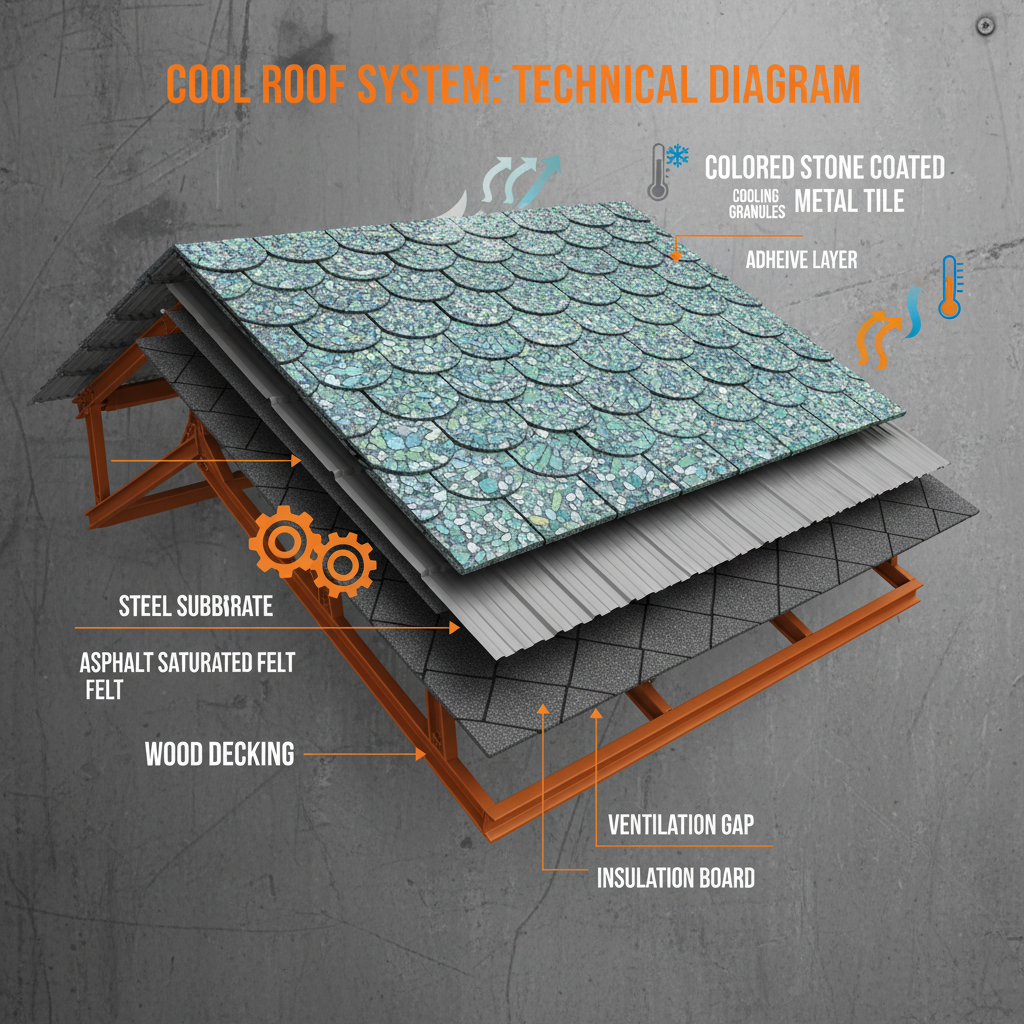
Cooling granules on asphalt shingles – it's not just a trendy roofing material; it's a game-changer for building performance and energy efficiency. For years, we’ve been dealing with the heat island effect, especially in urban areas, and the rising costs associated with cooling buildings. These granules, strategically embedded in the asphalt, reflect more sunlight and absorb less heat, drastically reducing roof temperatures. I've seen firsthand how this translates to lower energy bills for homeowners and businesses, and a more comfortable indoor environment. It’s a small change to the shingle composition, but the impact is huge.
What really gets me excited about cooling granules on asphalt shingles is its accessibility. Unlike complex green roof systems, this is a relatively straightforward implementation that doesn't require specialized installation expertise. I’ve been on jobsites where crews are already familiar with asphalt shingle application, and incorporating these granules doesn’t add a significant learning curve. This means faster adoption and wider-scale impact. Plus, with increasing building codes focusing on energy efficiency, it’s a proactive step builders can take to meet regulations and stay ahead of the curve.
From a materials perspective, the durability of these granules is key. We’re not just looking for short-term reflectivity; we need something that will hold up against the elements for the lifespan of the roof. I’ve been involved in testing and quality control, ensuring these granules maintain their effectiveness over time, even with exposure to UV radiation, rain, and temperature fluctuations. It’s about long-term performance and providing real value to the end user.
The Fundamentals of Cooling Granules on Asphalt Shingles
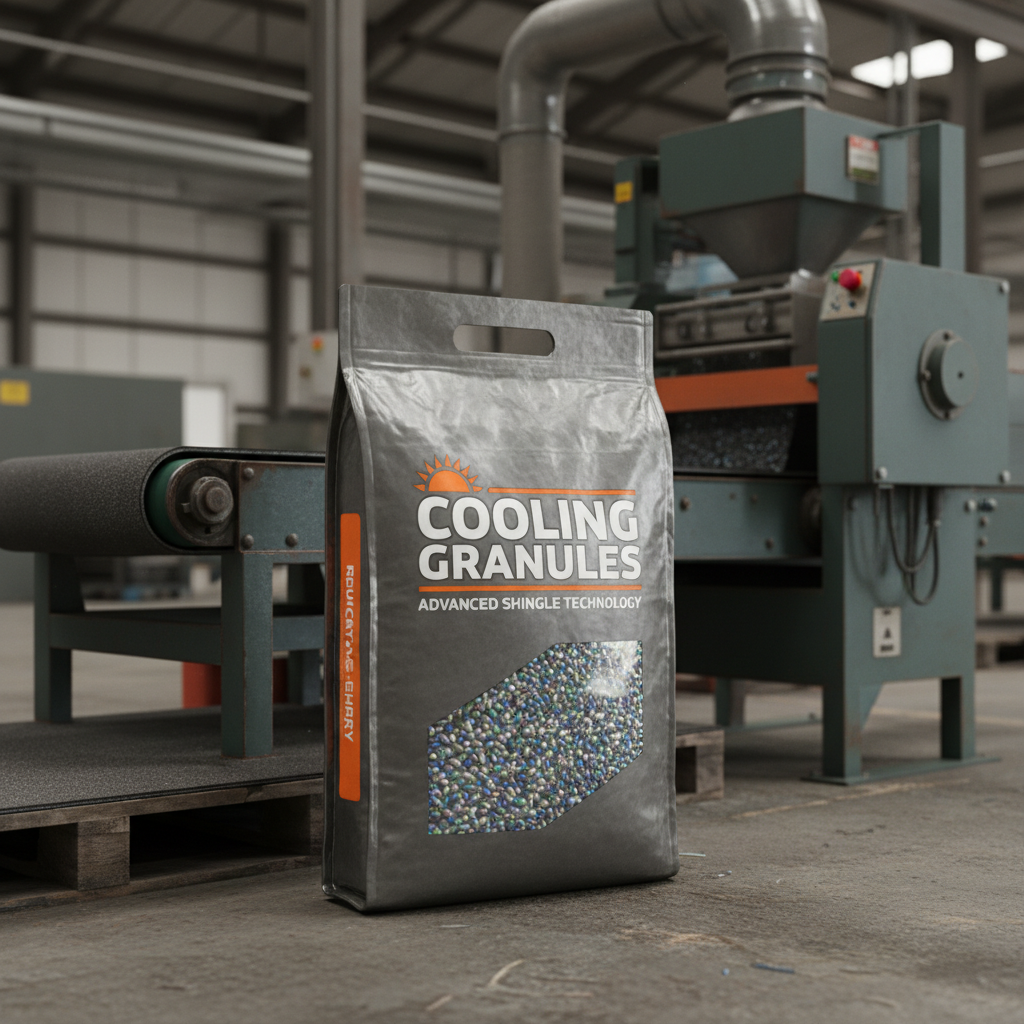
Cooling granules on asphalt shingles are specialized mineral granules designed to increase a roof’s reflectivity and reduce heat absorption. This isn’t some new-fangled invention, but the science behind it and the manufacturing processes have significantly improved over the years. We’re talking about a shift from standard dark-colored granules to lighter shades and those specifically engineered with reflective properties. I’ve seen the thermal imaging, and the difference is stark – roofs with these granules are noticeably cooler.
It’s a simple concept, but getting it right requires a deep understanding of materials science and roofing systems. The granules have to be durable enough to withstand the harsh conditions on a roof, they need to adhere properly to the asphalt, and, crucially, they need to maintain their reflective properties over the long term. That’s where careful selection of materials and rigorous quality control come into play.
Global Relevance and the Heat Island Effect
The urban heat island effect is a serious issue, and it’s only getting worse as cities grow. Dark-colored surfaces like asphalt roofs absorb a lot of sunlight, raising temperatures in urban areas significantly higher than surrounding rural areas. This leads to increased energy demand for cooling, exacerbates air pollution, and can even impact public health. Cooling granules on asphalt shingles offer a practical and scalable solution to mitigate this effect, and it’s not just a problem for major cities.
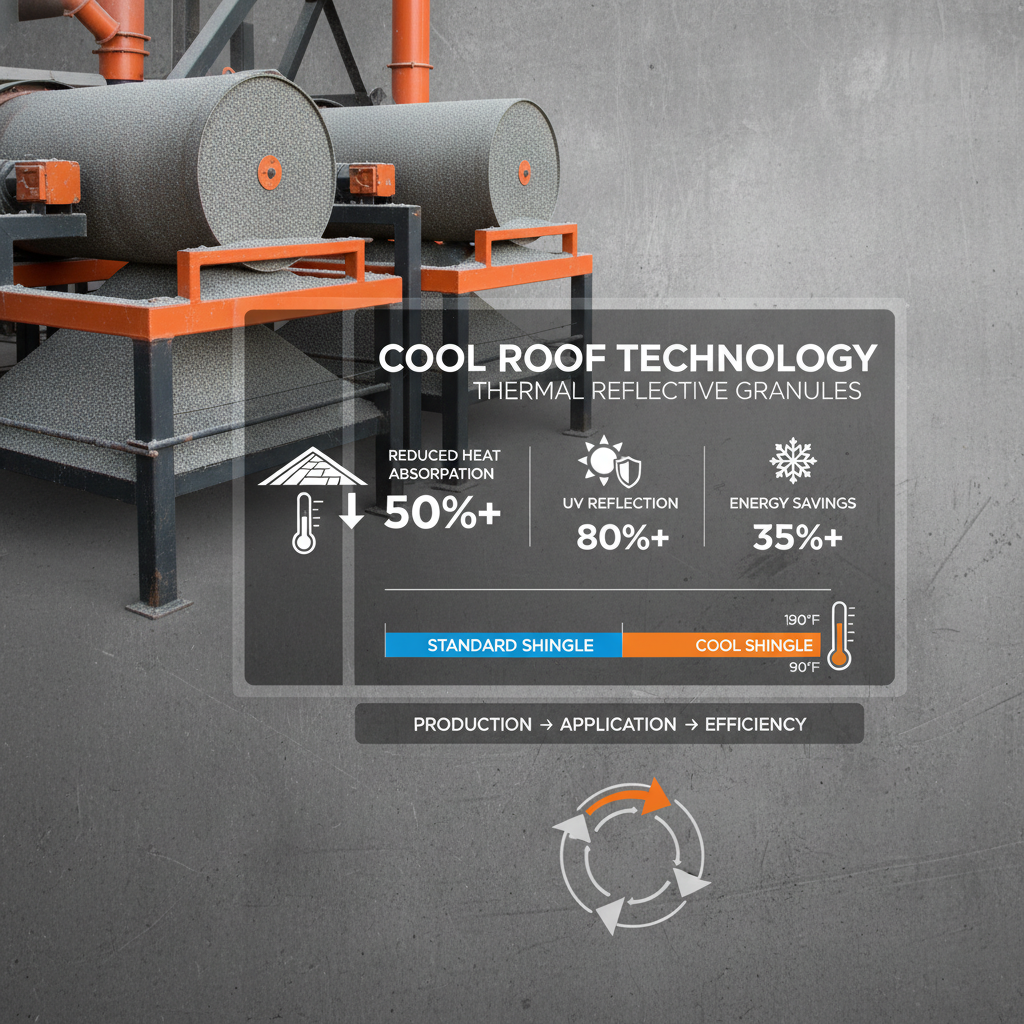
According to the EPA, roof surfaces can reach temperatures as high as 150°F (66°C) in the summer. That’s a lot of wasted energy. By reducing roof temperatures, we can lower building cooling loads, reduce peak electricity demand, and lessen the strain on power grids. I’ve worked on projects where implementing these shingles has resulted in significant energy savings for building owners, and it’s a win-win for everyone involved.
Globally, the demand for cooling is projected to increase dramatically in the coming decades, particularly in developing countries. Cooling granules on asphalt shingles provide a cost-effective and accessible way to address this challenge and promote sustainable building practices around the world. It’s a relatively small investment that can have a big impact on energy consumption and environmental sustainability.
Defining Cooling Granules: How They Work
At its core, cooling granules on asphalt shingles work by increasing the roof’s solar reflectance – meaning they bounce more sunlight back into the atmosphere, and absorb less heat. This is achieved through the selection of specific mineral pigments that have higher reflectivity than traditional black or gray granules. It's not about the color alone; the composition of the granules is critical.
The granules also incorporate materials that have a high thermal emittance. Thermal emittance refers to a material's ability to release absorbed heat. So, even if some sunlight is absorbed, the granules efficiently radiate that heat away from the roof, further reducing its temperature. It's a two-pronged approach to heat management.
I’ve seen manufacturers experimenting with different granule compositions, including those containing titanium dioxide and other highly reflective materials. The key is to find the right balance between reflectivity, durability, and cost-effectiveness. There’s a constant push to improve these materials and optimize their performance in real-world conditions.
Core Components of Effective Cooling Shingles
There are several key factors that contribute to the effectiveness of cooling granules on asphalt shingles. First, the granule composition is paramount. Higher-quality, more reflective minerals will naturally perform better. Second, granule adhesion is critical – if the granules fall off, the cooling effect is lost. Manufacturers are constantly improving adhesive technologies to ensure long-lasting performance.
Another crucial aspect is the asphalt formulation. The asphalt needs to be compatible with the granules and provide a stable base for them to adhere to. The shingle design itself also plays a role; certain shingle profiles may be more conducive to heat dissipation than others. And finally, the coating applied to the granules can enhance their reflectivity and protect them from weathering.
Cooling Shingle Performance Metrics
Real-World Applications: From Cities to Rural Homes
I’ve seen cooling granules on asphalt shingles used in a wide range of applications, from large-scale commercial roofing projects to residential homes. In urban areas, they're particularly valuable for reducing the heat island effect and lowering energy costs in densely populated neighborhoods. I’ve worked on several projects in Los Angeles and Phoenix where these shingles were mandated by local building codes.
They’re also gaining traction in rural areas where homeowners are looking for ways to reduce their energy bills and improve the comfort of their homes. I’ve had a lot of homeowners tell me they noticed a significant difference in their attic temperatures after installing these shingles. Even in moderate climates, they can help keep homes cooler during the summer months.
The Long-Term Value Proposition
The benefits of cooling granules on asphalt shingles extend beyond just energy savings. By reducing roof temperatures, we can also extend the lifespan of the roofing materials themselves. Heat can cause asphalt to degrade over time, leading to cracking and premature failure. Cooling shingles help mitigate this effect, reducing the need for frequent roof replacements.
There's a strong sustainability argument as well. Reducing energy consumption lowers greenhouse gas emissions, contributing to a healthier planet. Plus, many manufacturers are now using recycled materials in their granules, further reducing the environmental impact of these products. It’s a responsible choice for builders and homeowners alike.
From a purely economic standpoint, the long-term cost savings associated with reduced energy bills and extended roof lifespan can be substantial. It’s an investment that pays off over time, providing value for years to come.
Future Innovations and Sustainable Roofing
The future of cooling roofing technology is exciting. We’re seeing innovations in granule compositions, with manufacturers exploring the use of even more reflective materials and advanced coatings. There’s also a growing interest in integrating cooling granules with other sustainable roofing technologies, such as green roofs and solar panels.
I anticipate we’ll see more sophisticated roofing systems that combine multiple energy-saving features, creating truly high-performance buildings. Digital monitoring and smart controls will also play a role, allowing building owners to optimize their energy usage and track the performance of their cooling roofs.
The push for sustainable building practices is only going to intensify in the years to come, and cooling granules on asphalt shingles are well-positioned to play a key role in that transition. It's a practical, cost-effective, and environmentally responsible solution that will continue to gain traction in the market.
A Comparative Analysis of Cooling Granule Technologies
| Granule Composition |
Reflectivity Level (%) |
Durability (Years) |
Cost per Square Foot |
| Standard Mineral Granules |
15-20 |
20-25 |
$0.50 |
| Titanium Dioxide Enhanced |
30-35 |
18-22 |
$0.75 |
| Advanced Ceramic Pigments |
40-45 |
22-28 |
$1.00 |
| Recycled Glass Granules |
25-30 |
20-24 |
$0.60 |
| Polymer Coated Granules |
35-40 |
25-30 |
$1.25 |
| Hybrid Composition (TiO2 + Ceramic) |
45-50 |
28-35 |
$1.50 |
FAQS
The lifespan of cooling granules is generally comparable to traditional asphalt shingles, ranging from 20 to 30 years depending on climate, installation quality, and the specific granule composition. High-quality granules with durable coatings will naturally last longer. Regular maintenance, like keeping the roof clean of debris, can also extend their lifespan.
While cooling shingles typically have a slightly higher upfront cost than standard asphalt shingles, the long-term benefits often outweigh the initial investment. Energy savings, reduced cooling costs, and potentially extended roof lifespan contribute to a positive return on investment. Government rebates and incentives may also be available to help offset the cost.
The amount of energy savings varies depending on factors like climate, building insulation, and cooling system efficiency. However, studies have shown that cooling roofs can reduce cooling energy consumption by 10-15% in warm climates. This can translate to significant savings over the lifespan of the roof.
Cooling granules are available in a variety of colors, so you can often find a shade that matches your aesthetic preferences. While some colors may be slightly different from traditional shingles, the overall appearance is typically very similar. The benefits of reduced energy costs and improved comfort often outweigh any minor aesthetic differences.
The primary downside is the slightly higher initial cost. In some cases, the granules may be more susceptible to algae growth in humid climates, requiring occasional cleaning. However, these downsides are generally outweighed by the significant benefits, particularly in hot and sunny regions.
Consider your climate, energy costs, and long-term sustainability goals. If you live in a warm climate and are looking for ways to reduce your energy bills and environmental impact, cooling shingles are an excellent option. Consult with a qualified roofing contractor to determine if they are the right choice for your specific needs.
Conclusion
Cooling granules on asphalt shingles represent a practical and impactful solution to the challenges of energy efficiency and urban heat islands. We’ve moved past the “nice-to-have” stage; these shingles are now a smart investment for homeowners, builders, and municipalities alike, offering significant cost savings, environmental benefits, and improved comfort. It’s a simple change with a profound impact.
Looking ahead, I expect to see continued innovation in granule technology, further enhancing their reflectivity and durability. Wider adoption of these shingles, coupled with supportive building codes and incentive programs, will be crucial for realizing their full potential. Let's embrace these advancements and build a more sustainable and comfortable future, one roof at a time.