Granules shingles represent a crucial element in modern roofing systems, offering a balance of cost-effectiveness, durability, and aesthetic appeal. Their widespread adoption globally reflects a growing need for reliable and affordable shelter solutions, particularly in regions prone to harsh weather conditions. Understanding the nuances of granules shingles – from their composition and manufacturing processes to their installation and maintenance – is paramount for builders, homeowners, and policymakers alike.
The global roofing market is experiencing significant growth, driven by urbanization, infrastructure development, and increasing demand for energy-efficient buildings. According to a report by Market Research Future, the global roofing materials market is projected to reach USD 114.89 billion by 2030, exhibiting a CAGR of 4.8%. Granules shingles, as a significant segment of this market, play a vital role in meeting this demand, offering a versatile and readily available solution for residential and commercial construction.
However, the industry faces challenges related to sustainability, material sourcing, and performance consistency. Addressing these concerns through innovation and responsible manufacturing practices is crucial for ensuring the long-term viability of granules shingles and their contribution to a more sustainable built environment.
The Foundation of Granules Shingles
Granules shingles are predominantly composed of a fiberglass or organic mat saturated with asphalt, then coated with mineral granules. These granules are not merely aesthetic; they provide crucial UV protection, preventing the asphalt from deteriorating due to sunlight exposure. The quality and type of granules directly impact the shingle's longevity and resistance to weathering. granules shingles represent a cornerstone of residential and commercial roofing across the globe.
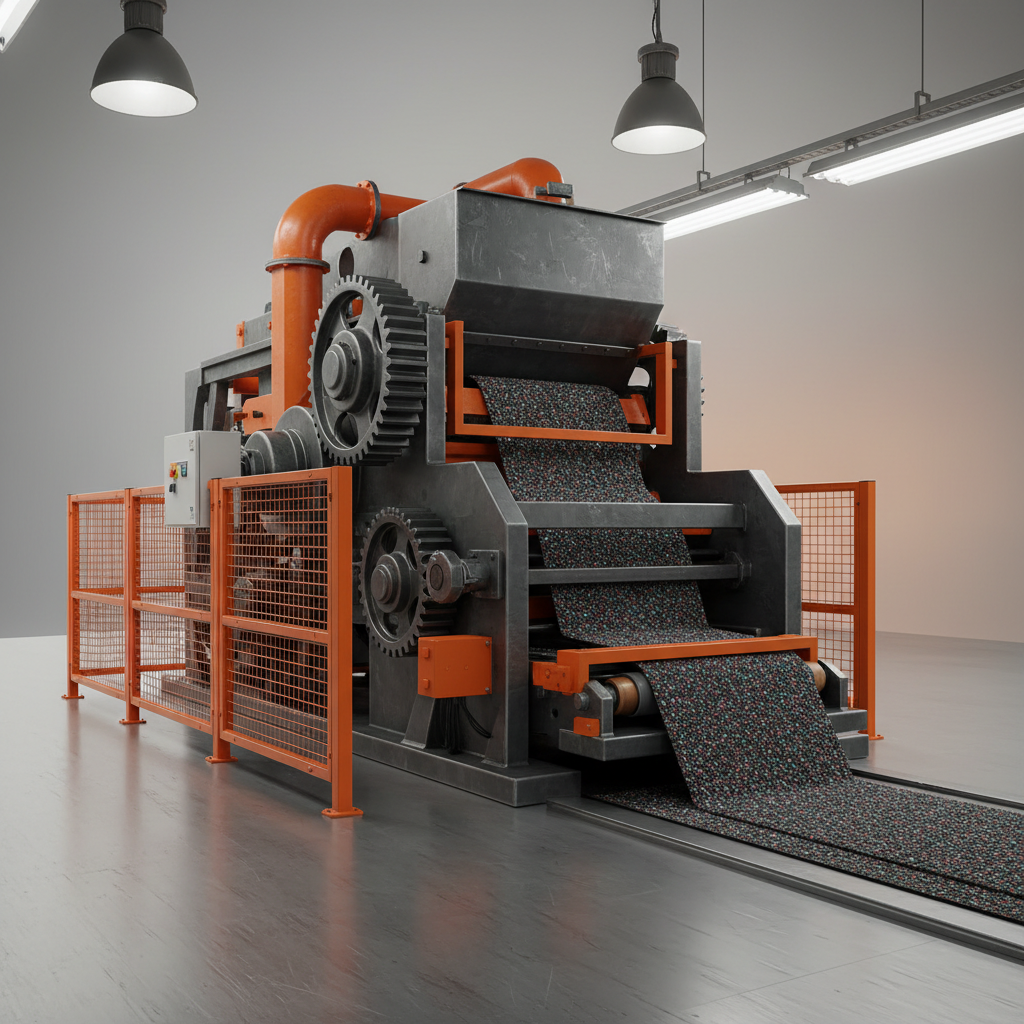
The manufacturing process involves precise layering and coating techniques to ensure consistent thickness and granule adhesion. Modern production facilities employ advanced quality control measures to meet stringent industry standards, guaranteeing performance and reliability. Understanding this foundational aspect is essential for appreciating the overall value proposition of granules shingles.
Defining Granules Shingles: A Core Building Material
Granules shingles are a type of roofing material designed to mimic the appearance of more expensive options, such as wood shakes or slate, but at a significantly lower cost. They are arguably the most popular roofing material in North America due to their affordability, ease of installation, and variety of styles and colors. These shingles are typically sold in "bundles," with each bundle covering a specific area of roof space.
Their connection to modern construction lies in providing a durable and waterproof barrier against the elements. Granules shingles play a critical role in protecting homes and buildings from rain, snow, wind, and sun. Furthermore, advancements in technology have led to the development of impact-resistant granules shingles, offering increased protection against hail and extreme weather events.
The widespread adoption of granules shingles demonstrates their alignment with both practical building needs and budgetary constraints, making them an indispensable component of the modern construction landscape.
Key Components and Characteristics of Granules Shingles
Durability is a cornerstone of granules shingles' appeal. Their multi-layered construction, including the fiberglass or organic mat, asphalt saturation, and protective granule coating, provides exceptional resistance to weathering, impact, and aging. A well-maintained granules shingle roof can easily last for 20-30 years, providing long-term protection and value.
Cost-effectiveness is another key characteristic. Compared to alternative roofing materials like slate, tile, or metal, granules shingles offer a significantly lower upfront cost, making them accessible to a wider range of homeowners and builders. This affordability doesn't compromise on performance; granules shingles still provide reliable protection and aesthetic appeal.
Weight is a significant factor in roofing material selection. Granules shingles are relatively lightweight, reducing the structural load on a building. This can lead to cost savings in terms of framing and foundation requirements. Furthermore, their ease of handling and installation contribute to reduced labor costs.
Granules Shingles Performance Metrics
Evaluating the performance of granules shingles requires considering several key metrics. Wind resistance, measured in miles per hour (MPH), is crucial for areas prone to high winds. Impact resistance, often determined by UL 2218 Class 4 ratings, indicates the shingle’s ability to withstand hail damage. Fire resistance, as classified by UL 790, assesses the shingle’s ability to resist flame spread.
These metrics are essential for ensuring the long-term protection and safety of buildings. Modern granules shingles are engineered to meet or exceed industry standards for these performance indicators, providing peace of mind for homeowners and builders alike.
Granules Shingles Performance Ratings
Global Applications of Granules Shingles
Granules shingles are prevalent in North America, particularly in the United States and Canada, where they constitute the dominant roofing material for residential construction. Their affordability and ease of installation make them ideal for large-scale housing developments and renovation projects.
However, their application extends beyond North America. In regions with similar climates, such as parts of Europe and Australia, granules shingles are gaining popularity as a cost-effective and reliable roofing solution. In post-disaster relief operations, their lightweight nature and quick installation make them a valuable asset for providing temporary shelter and restoring damaged homes.
The Long-Term Value and Benefits of Granules Shingles
The tangible benefits of granules shingles are numerous. Beyond the initial cost savings, their durability translates to reduced maintenance and repair expenses over the lifespan of the roof. Energy efficiency can also be enhanced with specialized granules shingles designed to reflect sunlight and reduce heat absorption, leading to lower cooling costs.
From a societal perspective, granules shingles contribute to affordable housing solutions and improved living conditions. Their widespread availability and ease of installation create job opportunities in the construction industry. The reliability and peace of mind they provide contribute to a sense of security and well-being for homeowners.
Future Trends and Sustainable Practices in Granules Shingles
The future of granules shingles is intertwined with sustainability and innovation. Research is focused on developing shingles made from recycled materials, reducing reliance on traditional asphalt. Bio-based asphalt alternatives and eco-friendly granule coatings are also being explored to minimize environmental impact.
Digital transformation is playing a role in optimizing the manufacturing process, improving quality control, and enhancing supply chain management. Automation technologies are being implemented to increase production efficiency and reduce labor costs.
The integration of smart technologies, such as sensors embedded within the shingles to monitor roof health and detect potential leaks, represents another exciting avenue for innovation. These advancements will ensure that granules shingles remain a relevant and sustainable roofing solution for generations to come.
Summary of Challenges and Solutions Related to Granules Shingles
| Challenge |
Impact Area |
Proposed Solution |
Implementation Level |
| Asphalt Dependence |
Environmental Sustainability |
Develop bio-based asphalt alternatives |
Research & Development |
| Granule Loss |
Roof Longevity |
Improve granule adhesion techniques |
Manufacturing Process |
| Waste Generation |
Landfill Capacity |
Implement shingle recycling programs |
Industry-Wide Initiative |
| Installation Variability |
Roof Performance |
Standardize installation guidelines & training |
Professional Certification |
| UV Degradation |
Shingle Lifespan |
Enhance UV-resistant granule coatings |
Material Science |
| Limited Color Options |
Aesthetic Appeal |
Expand granule color palettes through advanced pigment technology |
Manufacturing Innovation |
FAQS
The lifespan of granules shingles typically ranges from 20 to 30 years, depending on factors such as climate, installation quality, and shingle grade. Higher-quality architectural shingles can often last longer than traditional three-tab shingles. Proper maintenance, including regular inspections and cleaning, can also extend their lifespan. Selecting shingles with good warranties is essential for long-term protection and peace of mind.
Granules shingles can be damaged by hail, but impact-resistant shingles are available that offer significantly improved protection. These shingles are rated for hail resistance based on UL 2218 Class 4 standards. Choosing Class 4 rated granules shingles can help reduce the risk of granule loss and shingle cracking, especially in regions prone to severe hailstorms. It’s also important to review your homeowner's insurance policy for hail damage coverage.
Granules shingles generally perform well in hot, sunny climates, but the dark colors can absorb more heat, potentially increasing cooling costs. To mitigate this, consider selecting lighter-colored shingles or those with reflective granules, which can help reflect sunlight and reduce heat absorption. Proper attic ventilation is also crucial for maintaining a comfortable indoor temperature and preventing premature shingle degradation.
Traditional asphalt granules shingles have an environmental impact due to their petroleum-based composition and eventual disposal in landfills. However, efforts are underway to develop more sustainable options, such as shingles made from recycled materials or bio-based asphalt alternatives. Proper disposal and recycling of old shingles can also help reduce their environmental footprint. Choosing a manufacturer committed to sustainable practices is a responsible step.
Granules shingles are relatively lightweight compared to materials like tile or slate. This reduced weight can minimize the structural load on a building, potentially lowering construction costs. However, they are heavier than some metal roofing options. The specific weight per square foot varies depending on the shingle type and construction, but it's generally between 2 and 4 pounds per square foot.
Installation costs for granules shingles vary depending on factors such as roof size, complexity, location, and labor rates. Generally, they are one of the most affordable roofing materials to install. The cost typically includes removing the old roofing, installing underlayment, and installing the new granules shingles. Obtaining quotes from multiple roofing contractors is recommended to ensure competitive pricing and quality workmanship.
Conclusion
Granules shingles remain a dominant force in the roofing industry due to their compelling combination of affordability, durability, and versatility. From their foundational components to their diverse applications, they consistently provide reliable protection and aesthetic appeal for homes and buildings worldwide. Addressing evolving sustainability concerns through innovation and responsible manufacturing practices will solidify their position as a viable roofing solution for years to come.
Looking ahead, embracing new technologies, such as recycled materials and smart roofing systems, will further enhance the value and longevity of granules shingles. We encourage you to explore the latest advancements and consider these factors when making roofing decisions. To learn more about our range of granules shingles and find the perfect solution for your needs, visit our website: www.coolroofmaterials.com.