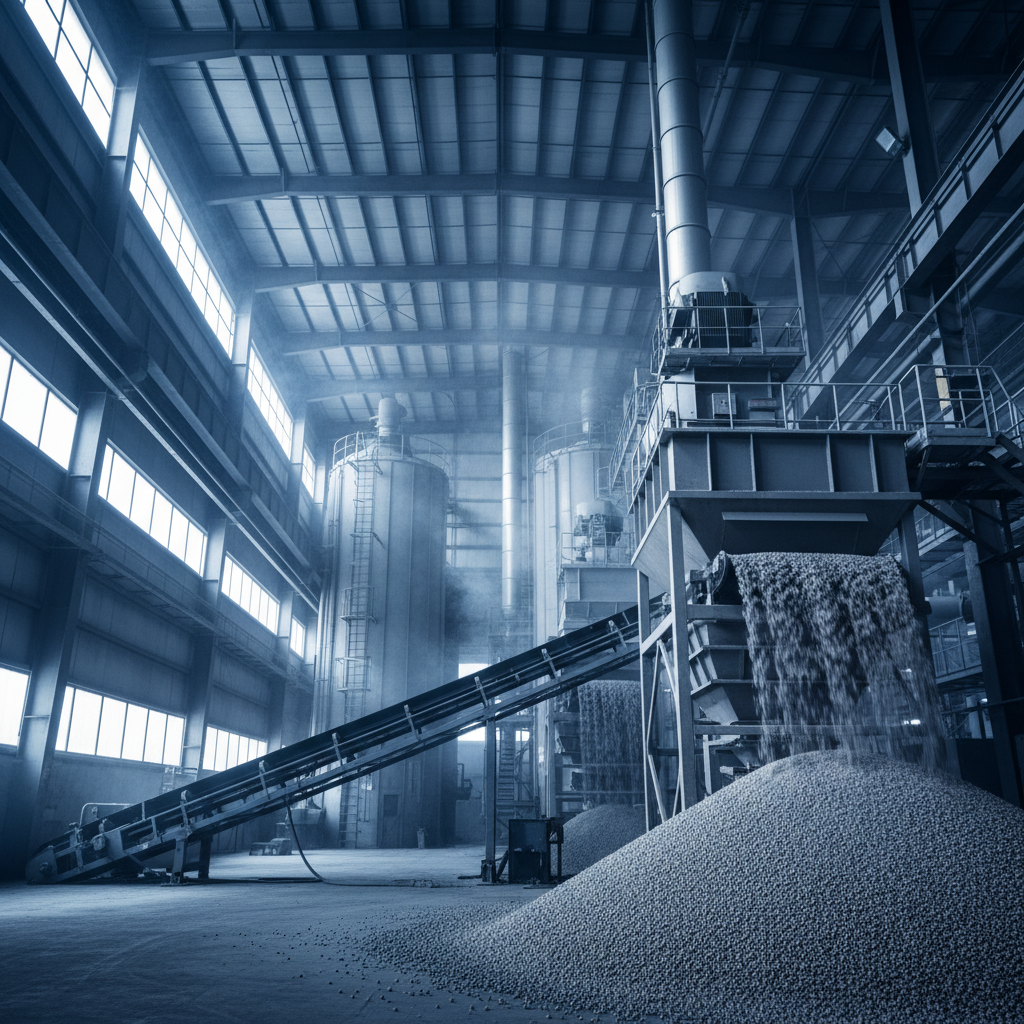
Roof granules are a crucial component in modern roofing systems, providing not only aesthetic appeal but also essential protection against the elements. These small, colored particles are embedded in asphalt shingles, contributing significantly to their durability, reflectivity, and overall performance. Understanding the intricacies of roof granules is paramount for builders, homeowners, and manufacturers alike, as they directly impact the lifespan and energy efficiency of a roof. This knowledge is increasingly vital globally, considering the growing need for sustainable and resilient infrastructure.
The global demand for roofing materials, and consequently, roof granules, is continuously increasing due to factors such as population growth, urbanization, and the impacts of climate change. According to a report by Grand View Research, the global roofing materials market was valued at USD 96.3 billion in 2022 and is expected to grow at a CAGR of 4.8% from 2023 to 2030. This growth is fueled by a need for cost-effective, durable, and weather-resistant roofing solutions. However, the production and sourcing of roof granules also present environmental challenges, prompting a need for innovation in materials and manufacturing processes.
Effectively utilizing roof granules in construction isn’t simply about applying a coating; it’s about building resilience into structures. From protecting against UV degradation to improving energy efficiency through solar reflectance, their role extends far beyond mere aesthetics. This understanding is key to minimizing long-term maintenance costs and maximizing the lifespan of roofing systems in diverse climates around the world. Properly specified and applied roof granules offer a tangible return on investment and contribute to more sustainable building practices.
Introduction to Roof Granules
Roof granules represent a critical interface between a roof and the external environment. They aren’t simply a cosmetic addition; they are engineered to withstand the harshest weather conditions, from intense sunlight and torrential rain to freezing temperatures and strong winds. The composition and application of these granules dictate a roof’s ability to reflect solar radiation, resist abrasion, and maintain its integrity over time.
The quality of roof granules directly correlates to the longevity and performance of asphalt shingles. Higher-quality granules offer superior resistance to wear and tear, reducing the likelihood of granule loss, which can expose the underlying asphalt to UV degradation and premature failure. Selecting the appropriate granules is therefore paramount for ensuring a durable and cost-effective roofing solution.
Defining Roof Granules
Roof granules are small, hard, irregularly shaped particles applied to the exposed surface of asphalt shingles. Typically manufactured from crushed rock, slate, clay, or ceramic materials, they provide several vital functions. These include protecting the asphalt from UV radiation, contributing to fire resistance, and providing the shingle's color and aesthetic appeal. Their size, shape, and coating are carefully controlled to ensure optimal adhesion and performance.
Their connection to modern industry lies in the demand for durable, weather-resistant building materials. As populations grow and urbanization increases, the need for reliable roofing solutions becomes more critical. Roof granules are a key ingredient in these solutions, offering a cost-effective and relatively simple way to enhance the lifespan and performance of asphalt shingles.
Furthermore, advancements in technology are leading to the development of more sustainable and environmentally friendly roof granule options, like recycled materials. This addresses growing concerns about environmental impact and promotes the circular economy within the construction industry.
Core Properties of Roof Granules
Durability is arguably the most important property of roof granules. They must be able to withstand years of exposure to the elements without significant degradation. This resilience is determined by the hardness, abrasion resistance, and chemical stability of the granule material. Different materials offer varying levels of durability, impacting the overall lifespan of the shingle.
Color retention is crucial for maintaining the aesthetic appeal of a roof. The coating applied to roof granules must be highly resistant to fading and discoloration caused by UV radiation and atmospheric pollutants. Quality granules will maintain their vibrant color for decades, enhancing the curb appeal and value of a property.
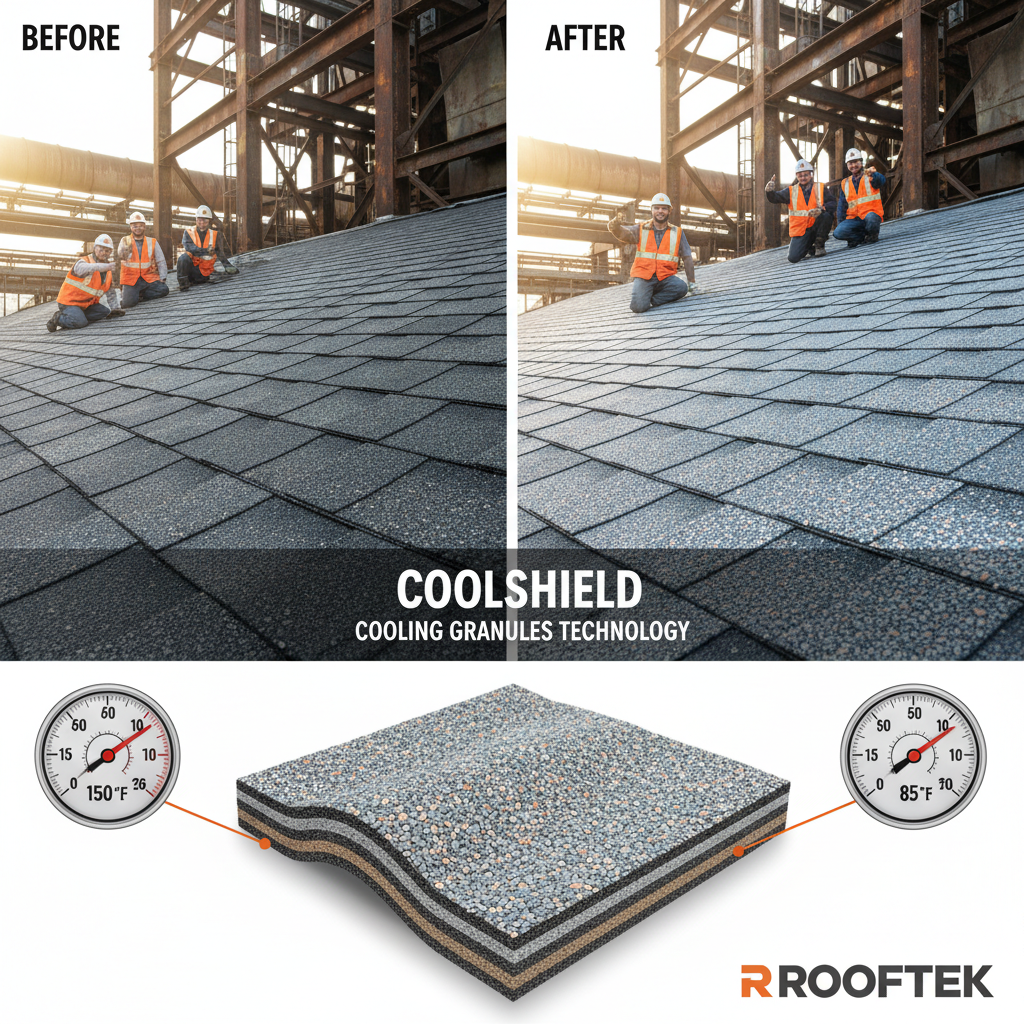
Reflectivity plays a vital role in energy efficiency. Light-colored roof granules reflect more sunlight, reducing heat absorption and lowering cooling costs. This is particularly important in warmer climates, where roofs can contribute significantly to indoor temperatures. Higher reflectivity also helps to mitigate the urban heat island effect.
Applications of Roof Granules
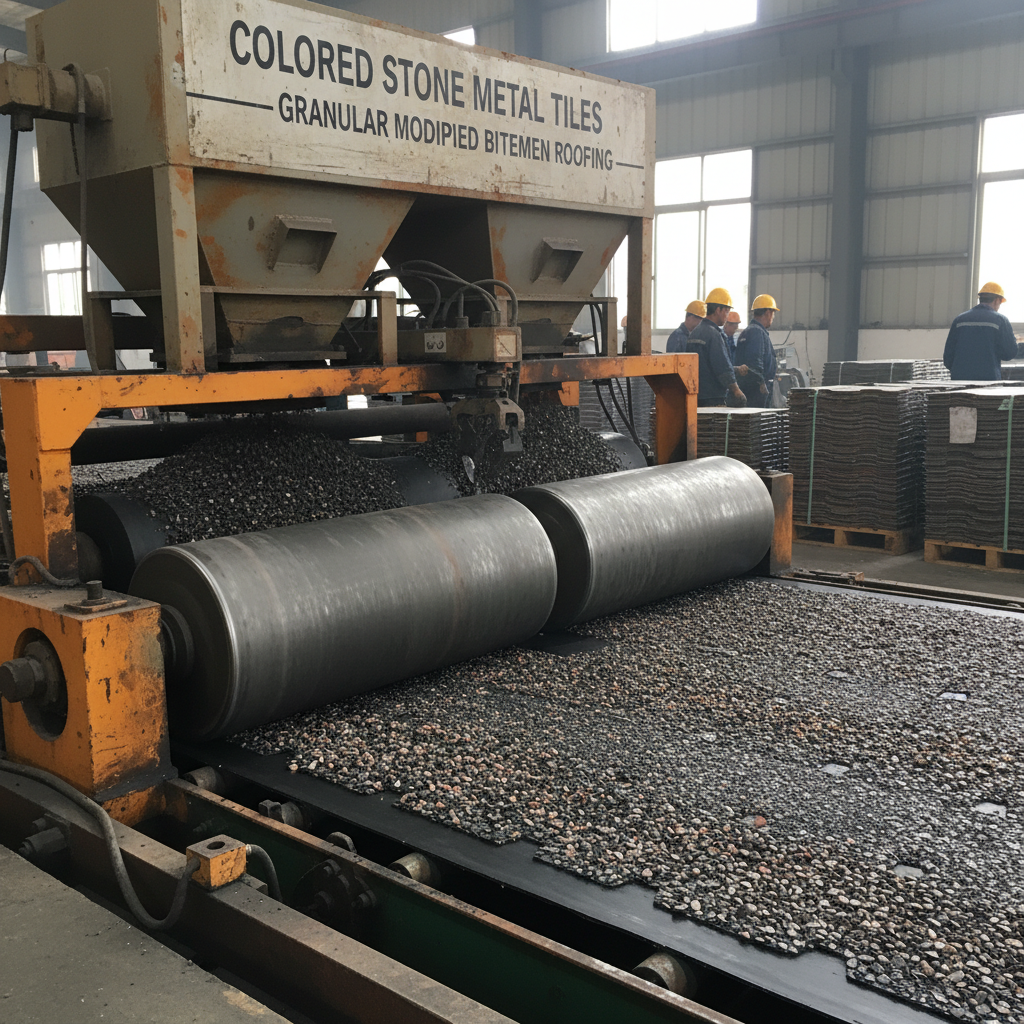
The primary application of roof granules remains in the manufacturing of asphalt shingles, which are widely used for residential and commercial roofing. They are adhered to the shingle surface using an adhesive, creating a protective layer that shields the asphalt from environmental damage. Different granule blends are used to achieve various colors and styles.
Beyond shingles, roof granules find application in modified bitumen roofing systems, offering similar protective benefits. These systems are commonly used for flat or low-slope roofs on commercial buildings. They provide enhanced durability and weather resistance compared to traditional asphalt roofing.
Roof Granule Performance Comparison
Advantages and Long-Term Value
The economic benefits of using high-quality roof granules are substantial. Increased durability translates to a longer roof lifespan, reducing the frequency of costly replacements. Furthermore, reflective granules contribute to lower energy bills, providing ongoing savings throughout the roof's life.
From a sustainability perspective, selecting roof granules made from recycled materials minimizes environmental impact. The ability to reflect solar radiation reduces the urban heat island effect and lessens the demand for air conditioning, leading to lower carbon emissions. This contributes to a more sustainable built environment.
Future Trends in Roof Granules
Ongoing research focuses on developing “cool roof” granules with enhanced reflectivity, capable of significantly reducing heat absorption. These granules often incorporate specialized pigments and coatings to maximize solar reflectance, contributing to energy efficiency and mitigating climate change.
Another emerging trend is the use of nanotechnology to enhance the performance of roof granules. Nanoparticles can be integrated into the granule composition to improve UV resistance, abrasion resistance, and color retention, resulting in more durable and long-lasting roofing systems.
Furthermore, the industry is exploring the use of bio-based materials as alternatives to traditional rock and slate granules, offering a more sustainable and environmentally friendly option.
Challenges and Solutions
One of the primary challenges is granule loss over time, which can expose the underlying asphalt to UV degradation and lead to premature roof failure. Solutions include improving granule adhesion through advanced coating technologies and using higher-quality granules with greater abrasion resistance.
Another challenge is the environmental impact of traditional granule manufacturing, which can involve quarrying and processing of natural resources. Solutions include utilizing recycled materials, developing bio-based alternatives, and implementing more sustainable manufacturing processes.
Ensuring consistent granule quality and performance across different manufacturers is also crucial. Industry standards and quality control measures are essential for maintaining the reliability and durability of roofing systems.
Summary of Roof Granule Challenges and Solutions
| Challenge |
Impact on Roof System |
Potential Solution |
Implementation Cost (1-10) |
| Granule Loss |
Reduced UV protection, Asphalt Degradation |
Improved Coating Adhesion |
6 |
| Color Fading |
Aesthetic Decline, Reduced Property Value |
UV-Resistant Pigments |
7 |
| Environmental Impact |
Resource Depletion, Pollution |
Recycled Granule Usage |
5 |
| Inconsistent Quality |
Variable Roof Lifespan, Performance |
Industry Standards, Quality Control |
8 |
| Limited Reflectivity |
Increased Heat Absorption, Higher Cooling Costs |
Cool Roof Granule Technology |
9 |
| Manufacturing Costs |
Higher Shingle Prices |
Process Optimization, Automation |
4 |
FAQS
The lifespan of roof granules varies depending on factors such as climate, shingle quality, and installation practices. Generally, high-quality granules should last for the duration of the shingle's warranty, which can range from 20 to 30 years or even longer for architectural shingles. However, some granule loss is normal over time, especially during the initial years after installation, but excessive loss indicates a potential problem.
Different granule materials offer varying levels of performance. Slate granules provide excellent durability and resistance to abrasion, but are more expensive. Ceramic granules offer good color retention and reflectivity. Crushed rock granules are a cost-effective option, but may be less durable. The choice of material depends on the desired balance between performance, cost, and aesthetics.
‘Cool roof’ granules, designed to reflect more sunlight, can be worthwhile in warmer climates. While they may have a higher upfront cost, they can lead to significant savings on energy bills over the roof's lifespan by reducing heat absorption and lowering air conditioning demand. The long-term benefits often outweigh the initial investment.
Signs of excessive granule loss include a noticeable accumulation of granules in gutters, dark streaks on the roof surface, and a gritty texture on the shingles. If you observe these signs, it’s important to have your roof inspected by a qualified roofing contractor to assess the extent of the damage and determine if repairs or replacement are necessary.
Yes, roof granules can be recycled, but the process is not yet widespread. Recycled granules can be used in asphalt mixtures for paving and other applications, diverting waste from landfills. However, the cost of collecting, processing, and transporting recycled granules can be a barrier to wider adoption.
Coatings applied to roof granules are crucial for protecting them from UV degradation, improving color retention, and enhancing adhesion to the asphalt shingle. These coatings are often formulated with ceramic pigments or specialized polymers to provide long-lasting protection and performance. The quality of the coating significantly impacts the overall lifespan of the granules and the roof.
Conclusion
In conclusion, roof granules are far more than a superficial element of roofing systems; they represent a critical layer of protection, contributing significantly to durability, energy efficiency, and aesthetic appeal. Understanding their properties, applications, and emerging trends is essential for builders, homeowners, and manufacturers seeking to create resilient and sustainable structures. Investing in high-quality roof granules translates to long-term cost savings and reduced environmental impact.
Looking ahead, continued innovation in materials and manufacturing processes will be crucial for addressing the challenges of granule loss and environmental sustainability. The development of bio-based granules and advanced coating technologies holds immense promise for creating more environmentally friendly and high-performing roofing solutions. For more information on roof granules and related materials, visit our website: www.coolroofmaterials.com