You know, things are moving fast these days. Everyone's talking about sustainability, energy efficiency... frankly, it's exhausting. But it's a good kind of exhausting, I guess. Seems like every other spec sheet now has to mention carbon footprint. I spent all of last summer dealing with a new housing project in Tianjin, and even they were asking about eco-friendly roofing options. Metal roofing with granules is definitely having a moment. metal roof with granules isn't new, obviously, but the demand… it's different now.
To be honest, a lot of designers fall into the same traps. They focus too much on aesthetics and forget about practicality. I've seen so many gorgeous designs that just fall apart after a few seasons because the granule coating wasn’t durable enough or the metal gauge was too thin. It's easy to get caught up in chasing trends, but a roof needs to work, you know? I encountered a case last spring at a factory in Wuxi where they were using this fancy new polymer binder for the granules… looked great in the samples, but it started to flake off in the heat. A complete mess.
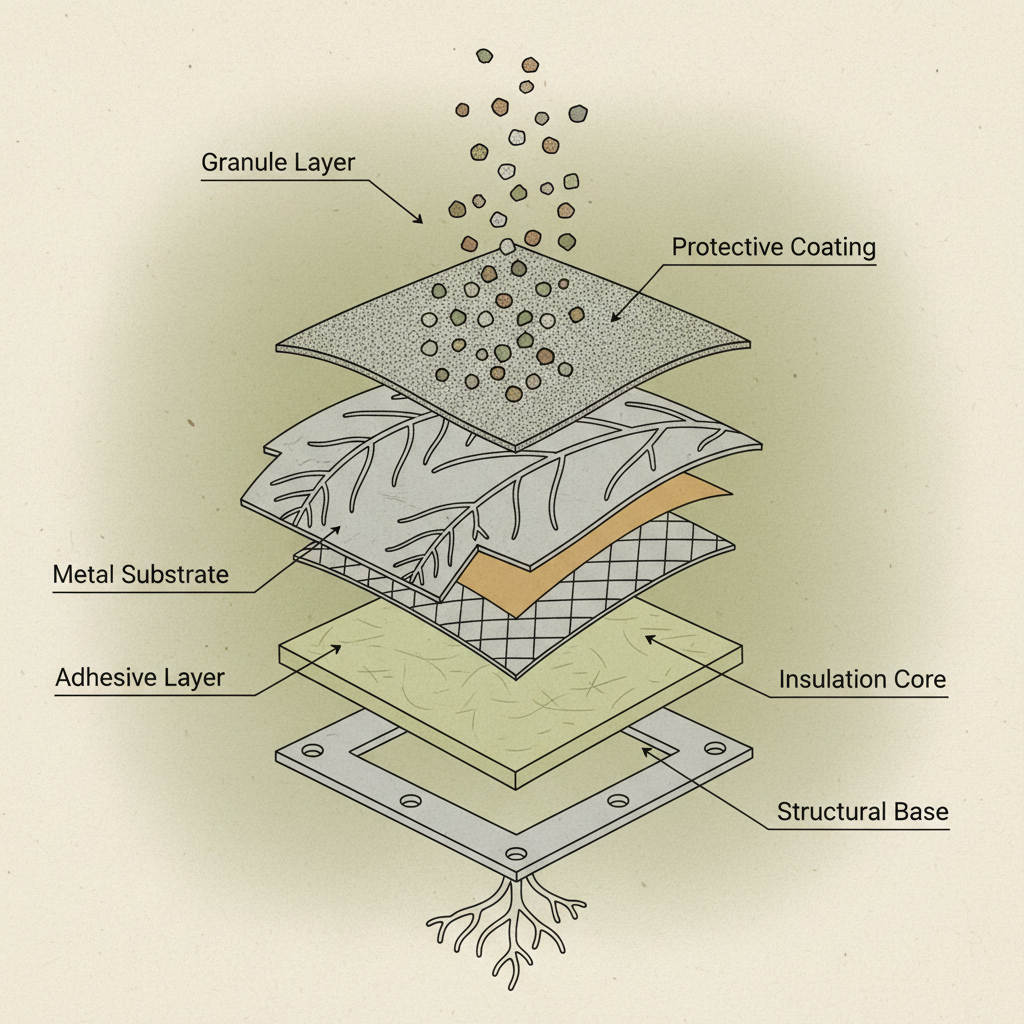
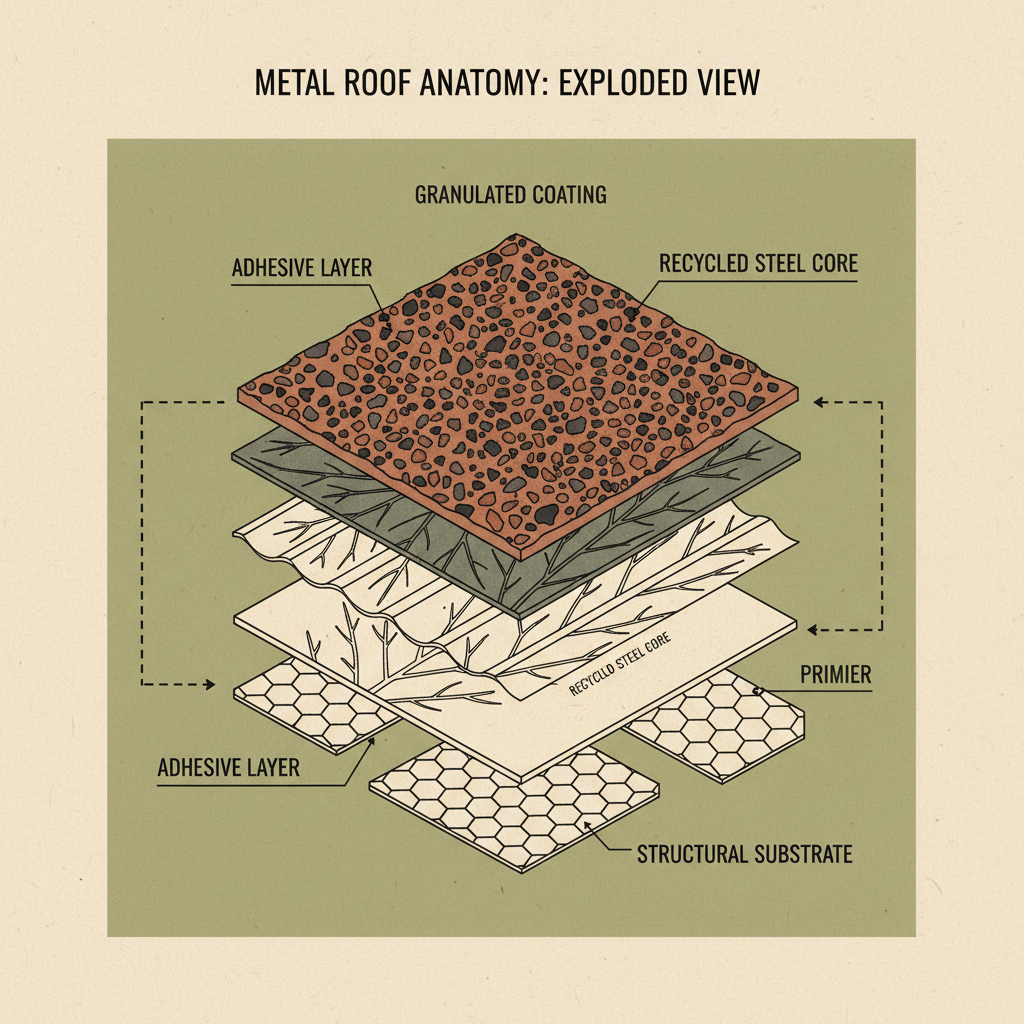
Anyway, I think a lot of people don’t realize just how much goes into a good metal roof with granules. It's not just slapping some painted metal on a frame. The base metal is typically galvanized steel or aluminum, which is good stuff, feels solid. Galvanized steel smells a little… metallic, naturally, but aluminum is lighter and doesn’t rust, which is a huge plus. The granules themselves are usually ceramic-coated, and that’s where the color and texture come from. They feel kind of gritty, like fine sandpaper. Handling them, you gotta wear a mask, especially when mixing for repairs - that dust isn’t friendly.
The Rising Demand for Metal Roofs with Granules
Have you noticed the shift in building codes lately? They’re pushing for cooler roofs, more reflective surfaces to reduce urban heat islands. Metal roof with granules fits the bill perfectly, especially the lighter colors. And it's not just new construction; a huge chunk of the demand is coming from re-roofing projects, people trying to improve energy efficiency without a complete overhaul. It's a relatively easy upgrade, compared to tearing everything down and starting from scratch.
Strangely, I’ve also seen a spike in demand from those prefabricated tiny house folks. They like the durability and the relatively low weight. It’s a market, I guess.
Common Design Pitfalls and Material Considerations
I’ve lost count of how many times I’ve seen designers specify a metal gauge that’s just too thin for the climate. You need a heavier gauge in areas with heavy snowfall or frequent hail storms. It’s common sense, but… you wouldn't believe how often it's overlooked. Then you get dents, buckling, leaks. It’s a headache for everyone. The granule adhesion is also critical. If the coating isn't properly bonded, the granules will start to fall off, and then you lose the benefits of the reflective surface.
The type of granule matters too. Ceramic is the standard, but there are different grades. Cheaper granules fade faster, and they don't hold up as well to UV exposure. We've been experimenting with some newer acrylic-coated granules, they seem promising, but long-term data is still limited.
To be honest, the underlayment is just as important as the roofing material itself. A good quality underlayment will protect the roof deck from moisture and provide an extra layer of defense against leaks. Don’t skimp on that.
The Granule Coating Process and Quality Control
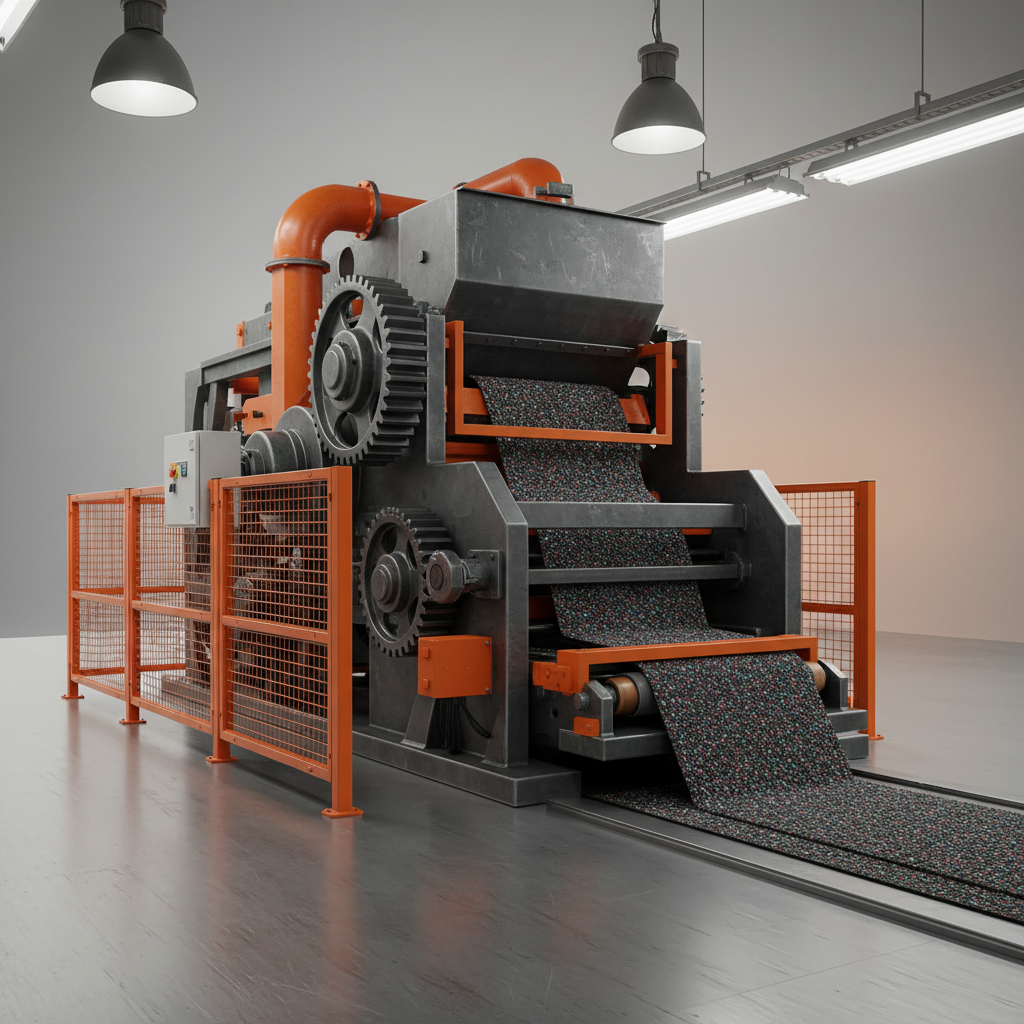
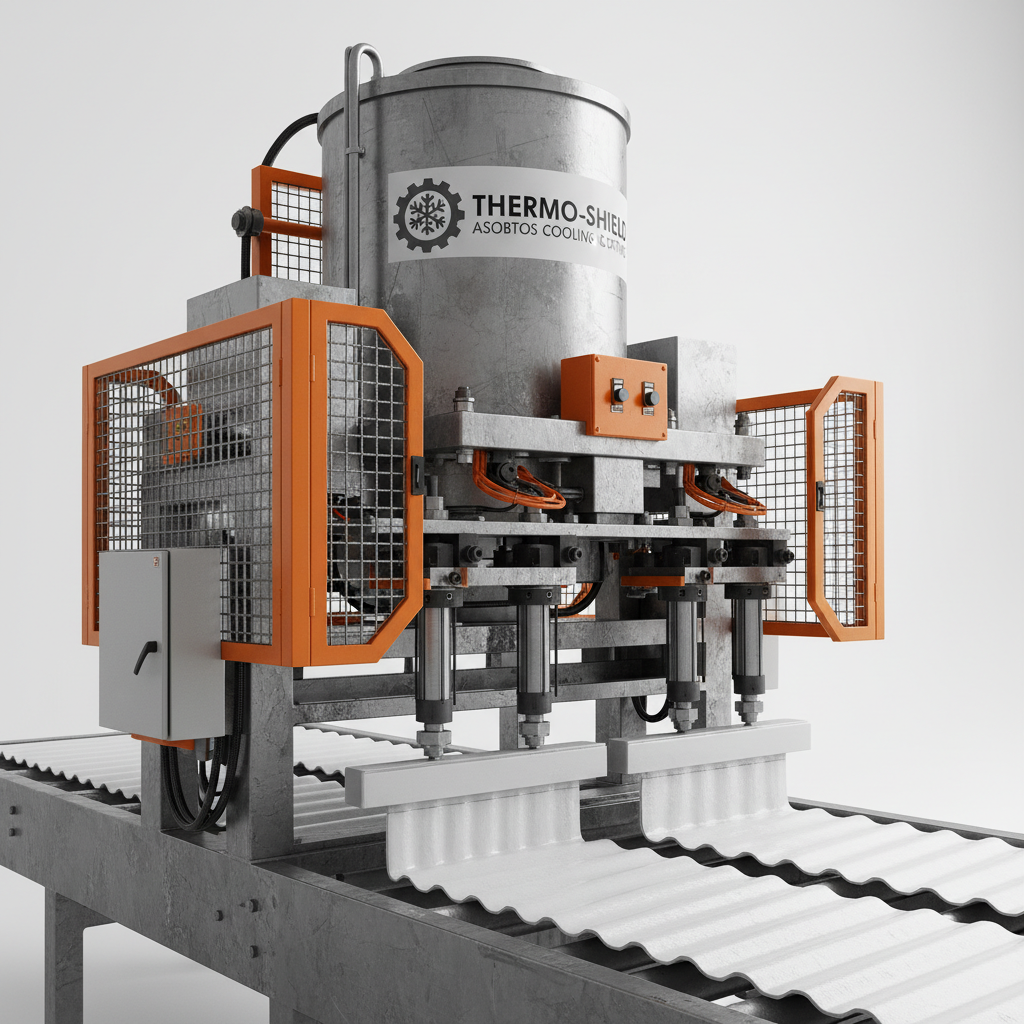
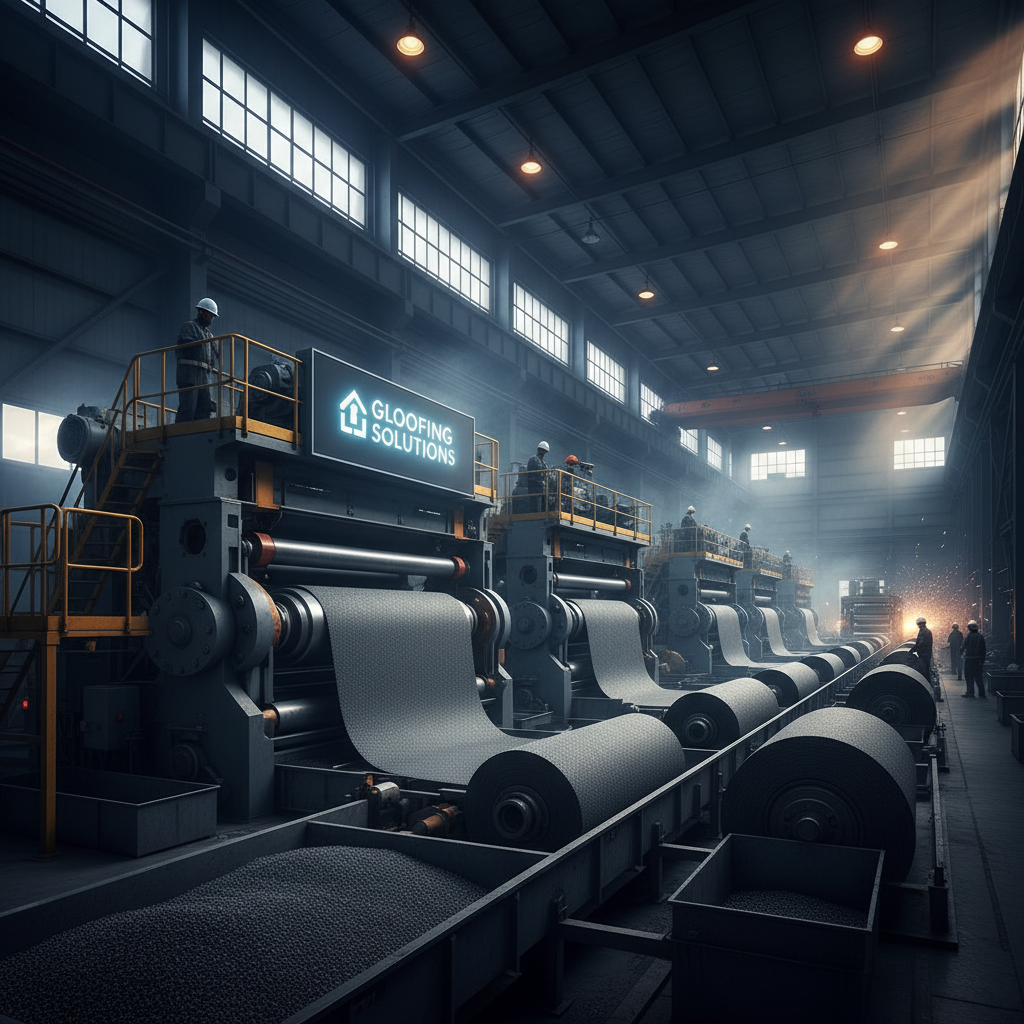
The process itself is fairly straightforward: the metal sheets are coated with an adhesive, then the granules are embedded into the adhesive, and finally, a clear coat is applied to seal everything in. But the details are what matter. The adhesive needs to be the right viscosity, the granules need to be evenly distributed, and the clear coat needs to provide adequate UV protection. It's a balancing act.
Quality control is where things get tricky. Lab testing is useful, but it doesn't always reflect real-world conditions. I prefer to do a simple scratch test on site: take a coin and try to scrape off the granules. If they come off easily, that's a red flag. We also do a water immersion test, submerge a sample in water for 24 hours and check for granule loss. It's not fancy, but it works.
I encountered this at a factory in Guangdong last time, they were bragging about their automated coating line, but the QC was terrible. The granules were unevenly applied, and the clear coat was bubbling. The whole thing was a disaster waiting to happen.
Performance Metrics and Real-World Testing
Everyone talks about R-values and solar reflectance, but those numbers don't always tell the whole story. What really matters is how the roof performs over the long term, in actual weather conditions. We do a lot of accelerated weathering tests, exposing samples to intense UV radiation, temperature cycles, and simulated rain. But those tests can only tell you so much.
I prefer to rely on field reports from installers and homeowners. They’re the ones who see how the roof holds up in the real world. We’ve got a network of installers who provide us with feedback on a regular basis, and that’s invaluable.
Metal Roof with Granules Performance Comparison
User Applications and Unexpected Behaviors
People use these roofs in ways you wouldn't expect. I’ve seen them used as rainwater harvesting surfaces, which is great, but you need to make sure the granules aren’t leaching any harmful chemicals into the water. I've also seen folks mounting solar panels directly onto them, which works fine as long as the roof is structurally sound.
I think one of the biggest misconceptions is that these roofs are maintenance-free. They're low maintenance, but they're not zero maintenance. You still need to occasionally inspect them for granule loss and repair any damage promptly.
Advantages, Disadvantages, and Customization Options
The advantages are pretty clear: durability, energy efficiency, relatively low weight. Disadvantages? Cost, definitely. They're more expensive than asphalt shingles, no question. Also, they can be noisy during heavy rain, although a good underlayment can help mitigate that.
Customization is where things get interesting. You can get these roofs in a wide range of colors and styles, and you can even have them made to mimic the look of other roofing materials, like slate or tile. Last month, that small boss in Shenzhen who makes smart home devices insisted on changing the interface to , and the result was a three-week delay because the supplier hadn't stocked enough connectors. Same thing here – a client wanted a specific granule color that wasn't standard, and it took weeks to get it custom-made.
Anyway, I think the benefits outweigh the drawbacks in most cases.
Durability Factors and Long-Term Performance
The lifespan of a metal roof with granules depends on a lot of factors: the quality of the materials, the climate, the installation quality, and the maintenance. But a properly installed and maintained roof can easily last 50 years or more. It’s an investment.
Corrosion is the biggest enemy. Salt spray, acid rain, pollution... it all takes a toll on the metal. That's why it's so important to use a high-quality coating and to regularly inspect the roof for signs of corrosion. And, oddly enough, bird droppings can also cause corrosion. Don’t ask me how I know.
Ultimately, whether this thing works or not, the worker will know the moment he tightens the screw.
Summary of Key Durability Factors for Metal Roofs with Granules
| Factor |
Description |
Impact on Lifespan |
Mitigation Strategies |
| Metal Gauge |
Thickness of the steel or aluminum base. |
Higher gauge = longer lifespan, especially in harsh climates. |
Select appropriate gauge for local weather conditions. |
| Granule Coating Quality |
Adhesion and UV resistance of the granule layer. |
Poor adhesion = premature granule loss & reduced lifespan. |
Ensure proper adhesive application & quality granule materials. |
| Corrosion Protection |
Galvanization, aluminum alloys, and protective coatings. |
Corrosion weakens the metal and reduces longevity. |
Regular inspection & application of corrosion inhibitors. |
| Underlayment Quality |
Water resistance and protective layer beneath the roof. |
Poor underlayment can lead to leaks & structural damage. |
Use a high-quality, waterproof underlayment material. |
| Installation Quality |
Proper fastening and sealing of roof components. |
Poor installation can lead to leaks and premature failure. |
Hire experienced and certified installers. |
| Regular Maintenance |
Inspection, cleaning, and repair of roof components. |
Neglect can accelerate deterioration and reduce lifespan. |
Annual inspections and prompt repairs are crucial. |
FAQS
Metal roofs with granules are designed to withstand a wide range of temperatures, but performance can vary depending on the specific coating and metal type. The granules reflect solar radiation, reducing heat absorption, while the metal provides a stable base. In extreme cold, the metal may contract, but a properly installed roof will allow for expansion and contraction without cracking. It's important to choose a coating that's rated for the expected temperature range in your area.
While metal roofs with granules are more durable than traditional roofing materials, they are not immune to hail damage. The severity of the damage depends on the size and velocity of the hail. Smaller hailstones may only cause minor cosmetic damage, while larger hailstones can dent the metal or dislodge the granules. Higher-gauge metal and thicker granule coatings provide better protection against hail. It's always a good idea to check your insurance policy for hail damage coverage.
Metal roofs with granules are significantly lighter than asphalt shingles. A typical metal roof weighs between 0.5 and 1.5 pounds per square foot, while asphalt shingles can weigh up to 5 pounds per square foot. This lower weight can reduce the structural load on your building and may eliminate the need for additional support. The lighter weight also makes metal roofs easier to install, which can save on labor costs.
A properly installed and maintained metal roof with granules can last 50 years or more. Many manufacturers offer warranties of 30 to 50 years, which provides peace of mind. The lifespan depends on factors like the quality of the materials, the climate, and the level of maintenance. Regular inspections and prompt repairs can help extend the life of your roof.
Yes, metal roofs with granules are an excellent choice for homeowners looking to save energy. The reflective granules help reduce heat absorption, which can lower your cooling costs in the summer. The metal also provides a thermal barrier, preventing heat from escaping in the winter. By reducing your energy consumption, a metal roof can pay for itself over time.
Metal roofs with granules are considered to be environmentally friendly for several reasons. They are typically made from recycled materials, and they are 100% recyclable at the end of their lifespan. They also reduce energy consumption, which lowers greenhouse gas emissions. Additionally, metal roofs are durable and long-lasting, which reduces the need for frequent replacements, minimizing waste.
Conclusion
So, where does all this leave us? Metal roof with granules isn't a silver bullet, but it’s a solid, reliable choice for a lot of applications. It’s durable, energy-efficient, and increasingly affordable. The key is to pay attention to the details – material selection, installation quality, and ongoing maintenance. Don’t skimp on anything.
Looking ahead, I think we’ll see more innovation in granule coatings, with improved UV resistance and color options. And as building codes continue to tighten, the demand for these types of roofs will only continue to grow. Ultimately, whether this thing works or not, the worker will know the moment he tightens the screw. Visit our website: www.coolroofmaterials.com to learn more.