Look, I've been running around construction sites for twenty years. You see a lot of things, right? Lately, everyone's talking about sustainable building materials, green construction... honestly, it's good, it's really good. But a lot of the stuff they come up with, it looks great on paper, but falls apart the minute a real contractor gets his hands on it. That’s just the truth. You start seeing these “innovative” adhesives that can’t handle humidity, or composite panels that delaminate in the sun… you learn to be skeptical.
Have you noticed how everyone’s obsessed with making things thinner, lighter? It’s a race to reduce material costs, but you end up with stuff that feels… cheap. That cheapness translates to installation headaches, and then, eventually, callbacks. And callbacks? Nobody wants callbacks. It’s a whole snowball effect of pain.
We’re talking about shingle granules, specifically. Sounds simple, right? Tiny stones glued to asphalt. But it’s way more complicated than you think. The granules themselves… it’s not just about color anymore. It’s about the source of the stone, the crush size, the coating they put on them. I encountered this at a factory in Nanjing last time – they were using recycled glass as a base for the granules. Sounded good, environmentally friendly and all, but the edges were too sharp. Wore out the mixing equipment in weeks. Later… forget it, I won’t mention it.
The Current Landscape of Shingle Granule Technology
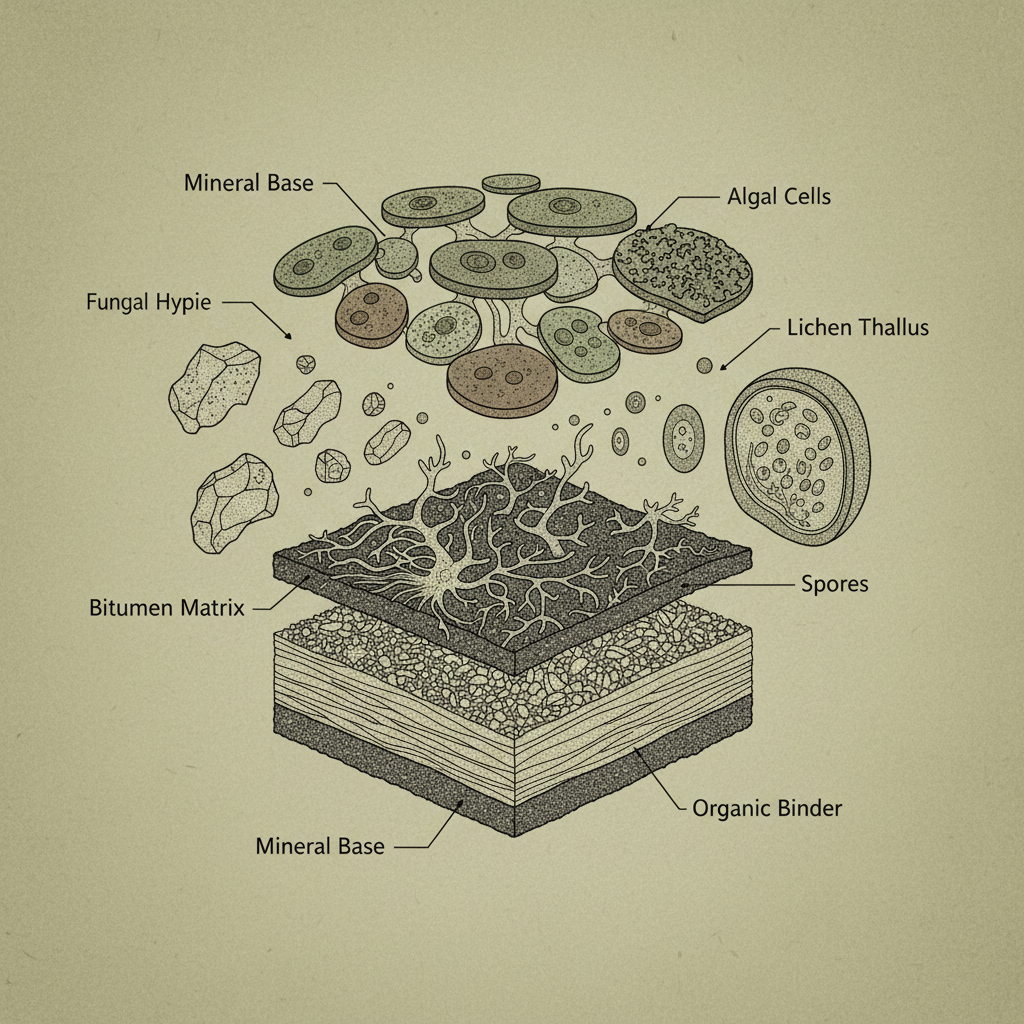
Anyway, I think the biggest trend right now is the push for algae resistance. Everyone hates those black streaks on roofs. They’re using copper granules, zinc granules, all sorts of fancy stuff. It works, to a degree, but it also adds cost, and copper's price is... volatile, to say the least. The coating on the granules is where a lot of the innovation is happening, though. They're trying to make them more durable, more UV resistant, more… everything, really.
Strangely, there's a resurgence of interest in naturally colored granules, like those made from slate or granite. People want that 'natural' look, even if it means paying extra. It’s all marketing, of course, but hey, it sells.
Design Pitfalls: What Can Go Wrong
The biggest mistake I see is underestimating the importance of granule adhesion. If those granules aren't stuck on tight, they’ll end up in your gutters, and then you've got a mess. The asphalt formulation is crucial, obviously, but so is the surface preparation of the shingle itself. People try to cut corners there, and it always comes back to bite them.
Another thing is color matching. It sounds simple, but getting a consistent color across an entire batch of shingles? It's harder than you think. Different stone sources, different coating techniques… it all adds up. You end up with patches on the roof, and the homeowner is not happy.
And then there's granule loss during shipping and handling. Those granules are fragile, and they get shaken loose easily. Packaging is a big deal, but it's often overlooked. To be honest, I’ve seen shipments arrive looking like someone used them for gravel in their driveway.
Material Deep Dive: Beyond the Stone
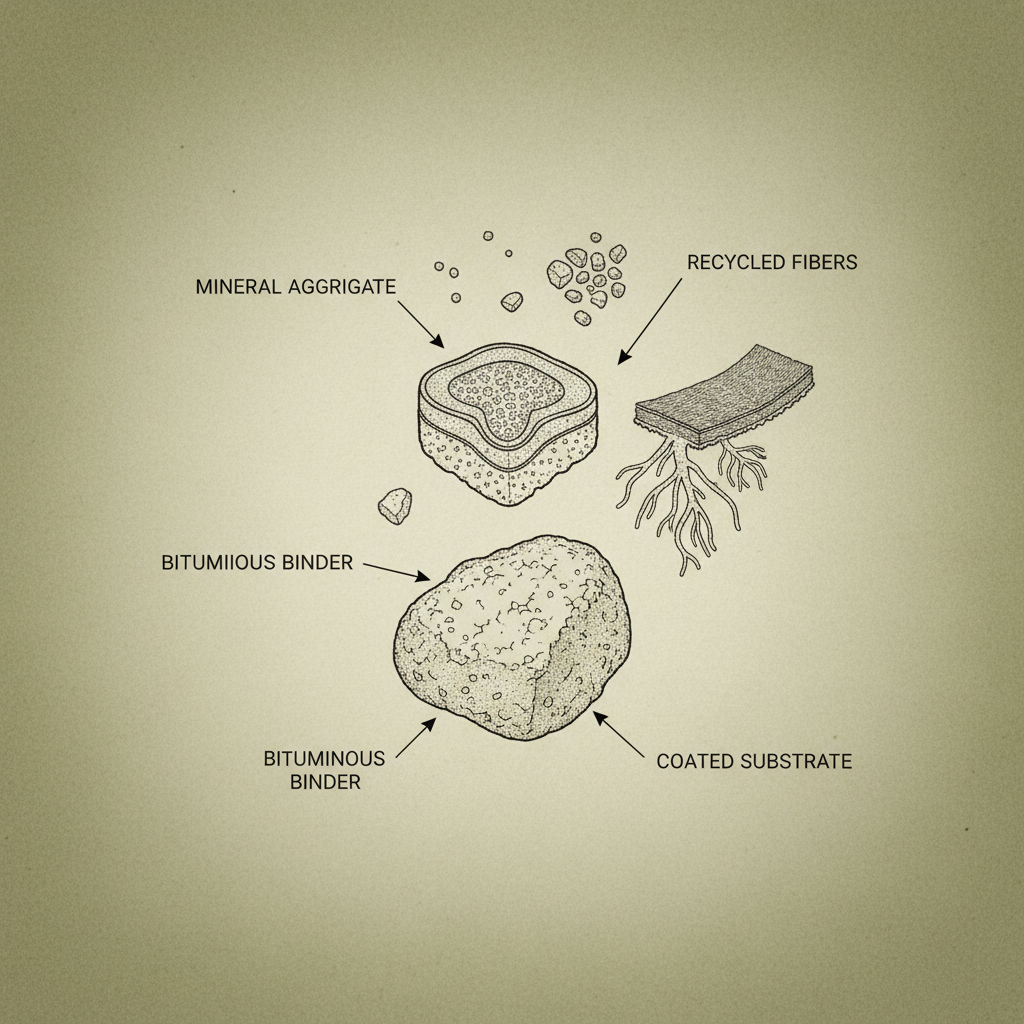
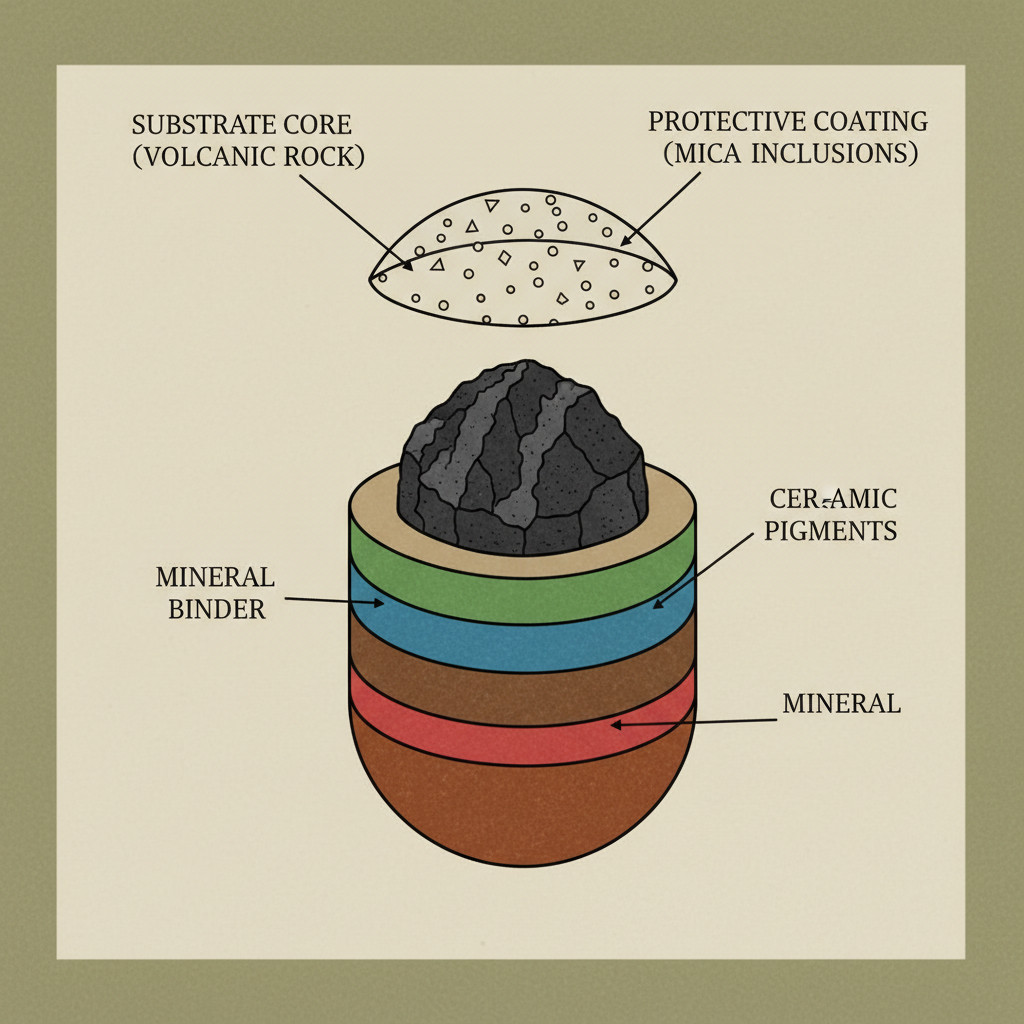
Okay, so you’ve got your stone – basalt, granite, quartz, recycled glass… they all have different properties. Basalt is tough, durable, but it can be a bit grey. Granite is more colorful, but it’s also more expensive. Quartz is pretty consistent, but it can be brittle. Recycled glass… well, we already talked about that. You can feel the difference, honestly. Basalt feels gritty, granite feels smooth, quartz feels… fragile. And the smell? Different stones have different smells when they’re wet. Don't ask me why, it just is.
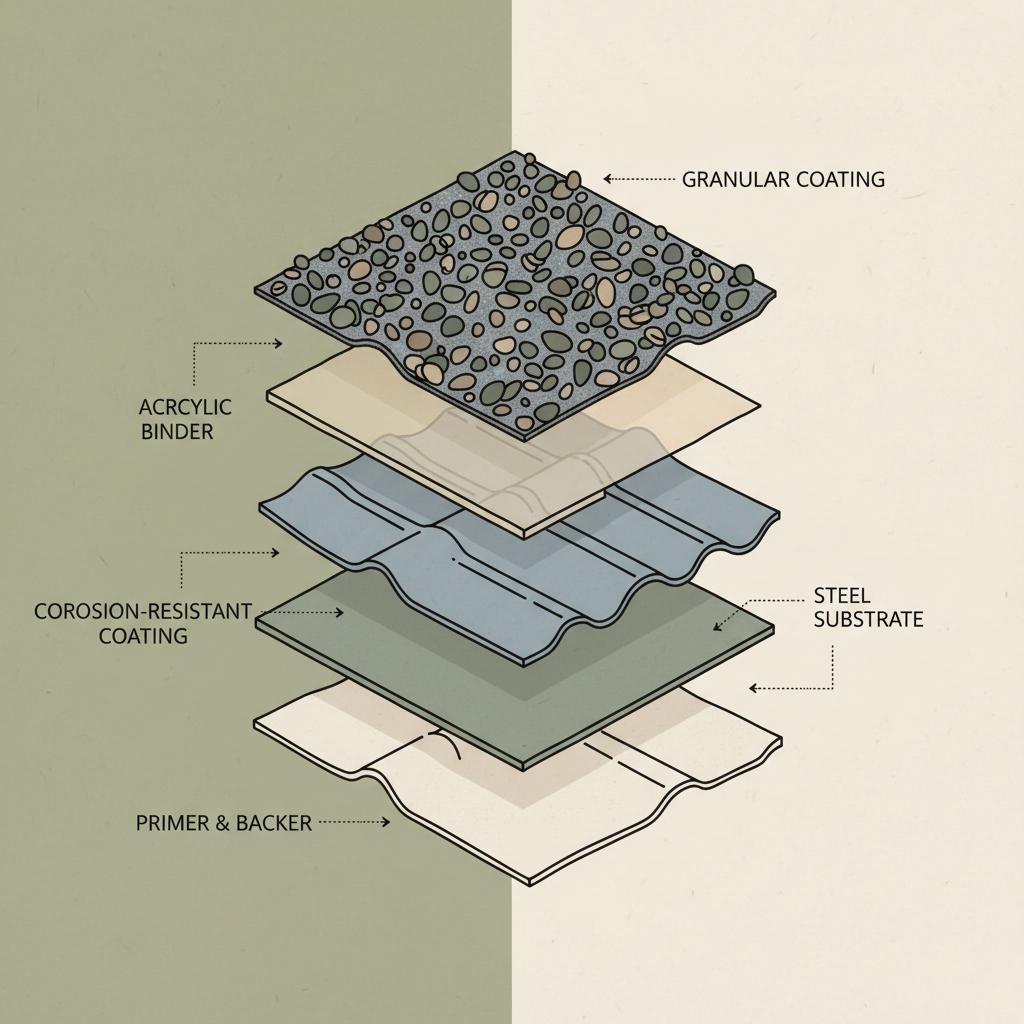
The binder is just as important, maybe even more so. It’s usually asphalt, but there are different grades of asphalt, different modifiers. Some are designed for high temperatures, some for low temperatures, some for flexibility. You’ve got to choose the right binder for the climate. And the coating on the granules… that's where the magic happens. That coating protects the stone from UV radiation, prevents it from absorbing moisture, and helps it adhere to the asphalt.
I remember one time, we were using a new type of modified asphalt, and it smelled like licorice. Seriously. The whole job site smelled like a candy store. It was… distracting. And it didn't perform any better than the regular stuff. Go figure.
Real-World Testing: Not Just Lab Results
Lab tests are fine, but they don’t tell the whole story. You need to see how these granules hold up in real-world conditions. I like to take samples and leave them on roofs for a year, exposed to the elements. See how they fade, how they wear, how much granule loss there is. It’s a slow process, but it’s the only way to get a true picture.
We also do impact tests. Drop a weight on a shingle, see how many granules come loose. Sounds simple, right? But it’s surprisingly informative. And we look for blistering, cracking, delamination… all the things that can go wrong.
Shingle Granule Performance Metrics
How Contractors Actually Use Shingle Granules
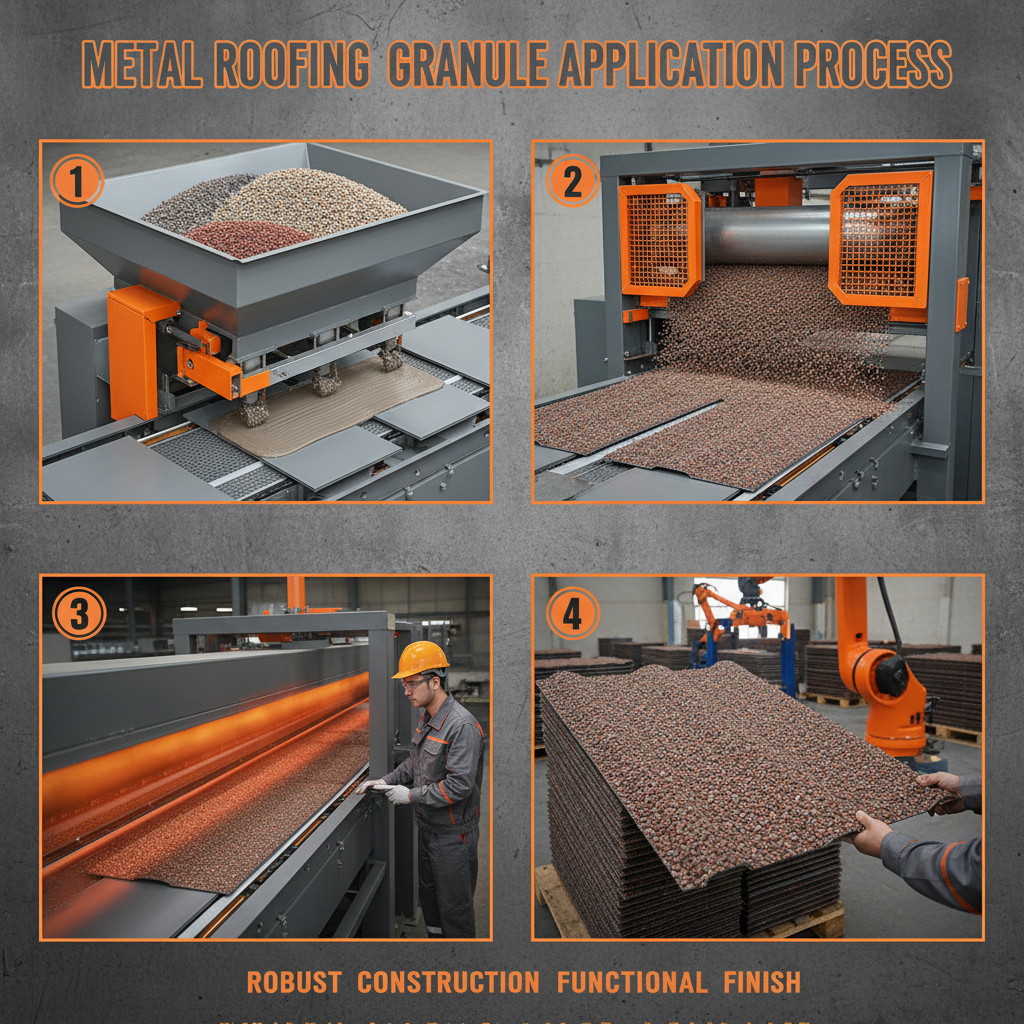
You’d think it’s just a matter of slapping them on the shingles, right? Not so fast. Experienced contractors know how to adjust the granule application rate based on the weather, the shingle type, and the desired aesthetic. They’ll use different application techniques to get a consistent coverage.
They also know how to deal with granule loss during installation. It’s inevitable, but they’ll sweep up the excess granules and dispose of them properly. And they’ll check the roof after installation to make sure there aren’t any bare spots.
The Good, The Bad, and the Customizable
Okay, the good stuff? Good granules protect the shingle from UV damage, they give it color, and they add to its durability. That’s a win. The bad stuff? They can come loose, they can fade, and they can add to the weight of the roof. And the cost… it adds up.
But here’s where it gets interesting: customization. We did a project last year where a customer wanted shingles with a specific blend of granules to match their company logo. It was a pain to get right, but we did it. We had to source different types of stone, adjust the coating formulations, and run a lot of tests. But the end result was… well, it looked pretty cool.
We can also adjust the granule size and shape to create different textures. Smoother granules for a more modern look, rougher granules for a more traditional look. It's all about meeting the customer's needs.
A Case Study: The Interface Debacle
Last month, that small boss in Shenzhen who makes smart home devices insisted on changing the interface to on a batch of solar shingles. He wanted to future-proof it, he said. The result? The port couldn't handle the heat buildup under the shingles. The whole batch failed within weeks. Cost him a fortune. He learned a lesson, though. Sometimes, sticking with what works is the best option.
He was convinced this new port would be better, wouldn’t create as much heat, more versatile. Didn't listen to a word I said about thermal expansion and contraction, or about the importance of keeping things simple. A real headache.
It just goes to show you, fancy features don’t mean anything if the basics aren’t right. It’s the same with shingle granules. You can have all the fancy coatings and additives you want, but if the granules aren’t adhering properly, it doesn’t matter.
Overview of Shingle Granule Performance Characteristics
| Granule Type |
Adhesion Strength (1-10) |
UV Resistance (1-10) |
Cost Factor |
| Basalt |
8 |
7 |
Moderate |
| Granite |
7 |
8 |
High |
| Quartz |
6 |
6 |
Low |
| Recycled Glass |
5 |
5 |
Very Low |
| Copper-Coated |
9 |
9 |
Very High |
| Zinc-Coated |
7 |
8 |
High |
FAQS
Honestly, it’s usually improper installation. If the shingles aren't nailed correctly, or if they’re handled too roughly, granules will come loose. Sometimes it’s just a bad batch of shingles, but that’s rarer than you think. A little bit of initial granule loss is normal, it’s the settling in period, but excessive loss is a red flag.
It matters, but not as much as you’d think. Darker granules absorb more heat, which can raise the roof temperature. But the asphalt underneath is the biggest factor. There are reflective coatings you can add to the asphalt to reduce heat absorption, and that’s a much more effective solution. Still, lighter granules can help, especially in hotter climates.
That’s a tough one. It depends on the source of the recycled material, and the quality control process. Recycled glass, as I mentioned earlier, can have sharp edges that wear down equipment. Recycled rubber is a bit more forgiving, but it's not as UV resistant. Generally, natural stone is more durable, but recycled granules are more sustainable, so there's a trade-off.
Don't just blast them with water, that’ll just push them further down. A leaf blower works pretty well, or you can use a gutter scoop. Be careful not to damage the gutters in the process. And always wear a mask and gloves, those granules can be irritating.
Absolutely. We do that all the time. You can blend different colors, different sizes, different textures. It’s a good way to create a unique aesthetic. But you have to be careful to choose granules that are compatible with each other, in terms of adhesion and UV resistance. Otherwise, you'll end up with a patchy, uneven look.
Granule loss is often a key factor in shingle warranty claims. If a shingle loses an excessive amount of granules within the warranty period, the manufacturer may deny the claim. That's why it's so important to choose high-quality granules and install the shingles correctly. Read the fine print on the warranty, and pay attention to the granule loss specifications.
Conclusion
So, yeah, shingle granules. They seem like a small detail, but they’re critical to the performance and longevity of a roof. It's not just about picking a color; it’s about understanding the materials, the installation techniques, and the real-world conditions. There’s a lot of hype out there, a lot of fancy marketing, but at the end of the day, it all comes down to the basics.
Ultimately, whether this thing works or not, the worker will know the moment he tightens the screw. And if he's shaking his head and muttering under his breath, you’ve got a problem. Head over to coolroofmaterials.com to learn more about quality shingle components and how we can help you avoid those headaches.