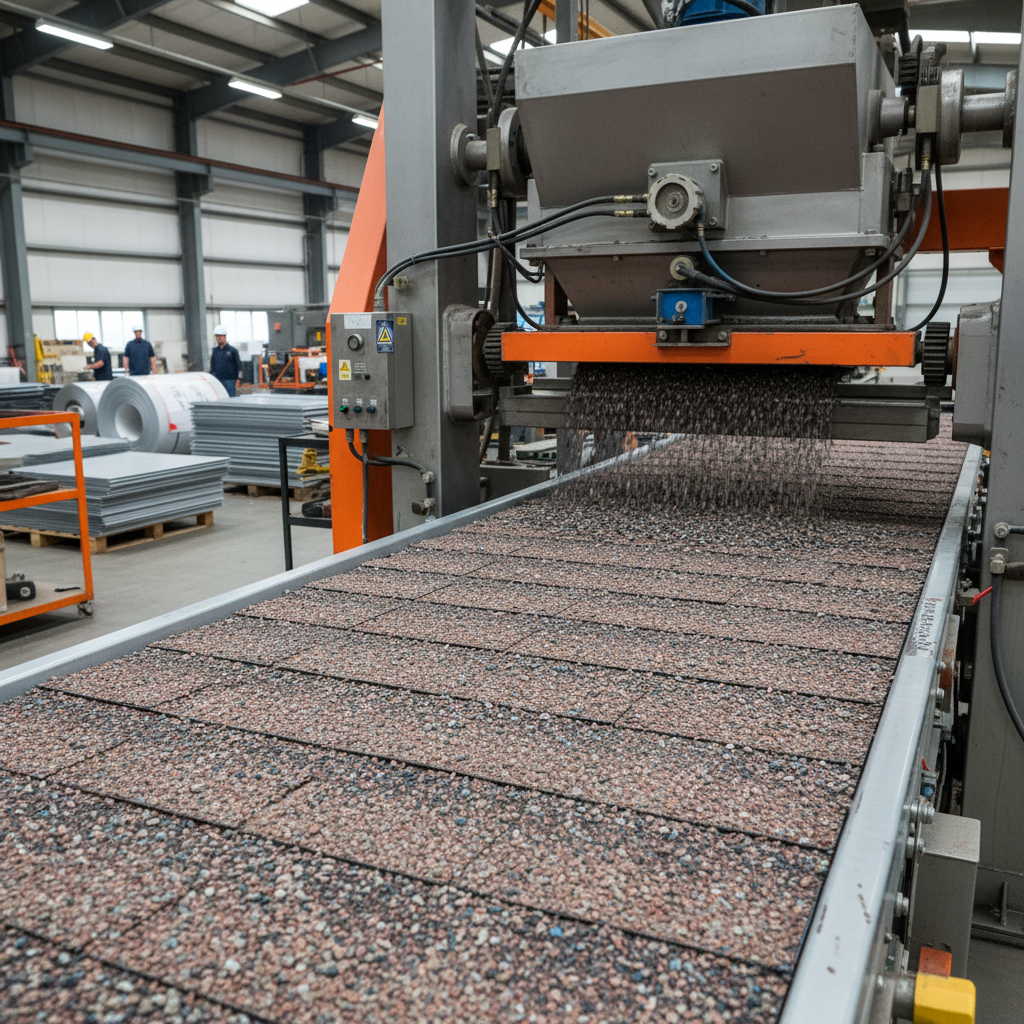
Look, I've been running around construction sites all year, dealing with everything from cement to steel beams. Lately, everyone's talking about lightweight, high-strength materials. It's not just hype; you really see it making a difference on-site. Less back strain, quicker builds... but honestly, there's a lot of stuff that looks good on paper but falls apart the second you put a wrench to it.
Have you noticed how much emphasis is put on lab testing? It’s good, sure, but it doesn’t tell the whole story. I was at a factory in Foshan last time, and they were bragging about their tensile strength readings, but the stuff smelled… off. Like cheap plastic trying to be something it's not. That always worries me. It’s the feel of the material, how it reacts to the humidity, that really matters.
We're using a lot more composite materials now – fiber-reinforced polymers, that kind of thing. They're surprisingly versatile. It’s like working with a really sturdy cardboard at first, but then you realize it can hold a tremendous amount of weight. The new resins have a distinct odor, almost floral, which is… strange. The old stuff reeked of chemicals. Anyway, I think a good material shouldn’t assault your nostrils.
The Current Landscape of Roofing Materials
To be honest, things are changing fast. Asphalt shingles are still dominant, of course, but we’re seeing a surge in demand for more sustainable options—recycled materials, even algae-resistant coatings. It's driven by building codes and homeowners wanting something that lasts. But lasting isn't just about time, it's about how well it holds up to the elements. I've seen shingles buckle under heavy snow loads, and that’s never a good sign.
The big push now is for cooler roofs, reflecting more sunlight. Makes sense, reduces energy bills. But you’ve got to balance that with durability. Some of the coatings they use feel… fragile. Like they’ll wash off with the first hard rain. It's a trade-off, always.
Common Design Pitfalls in Shingle Production
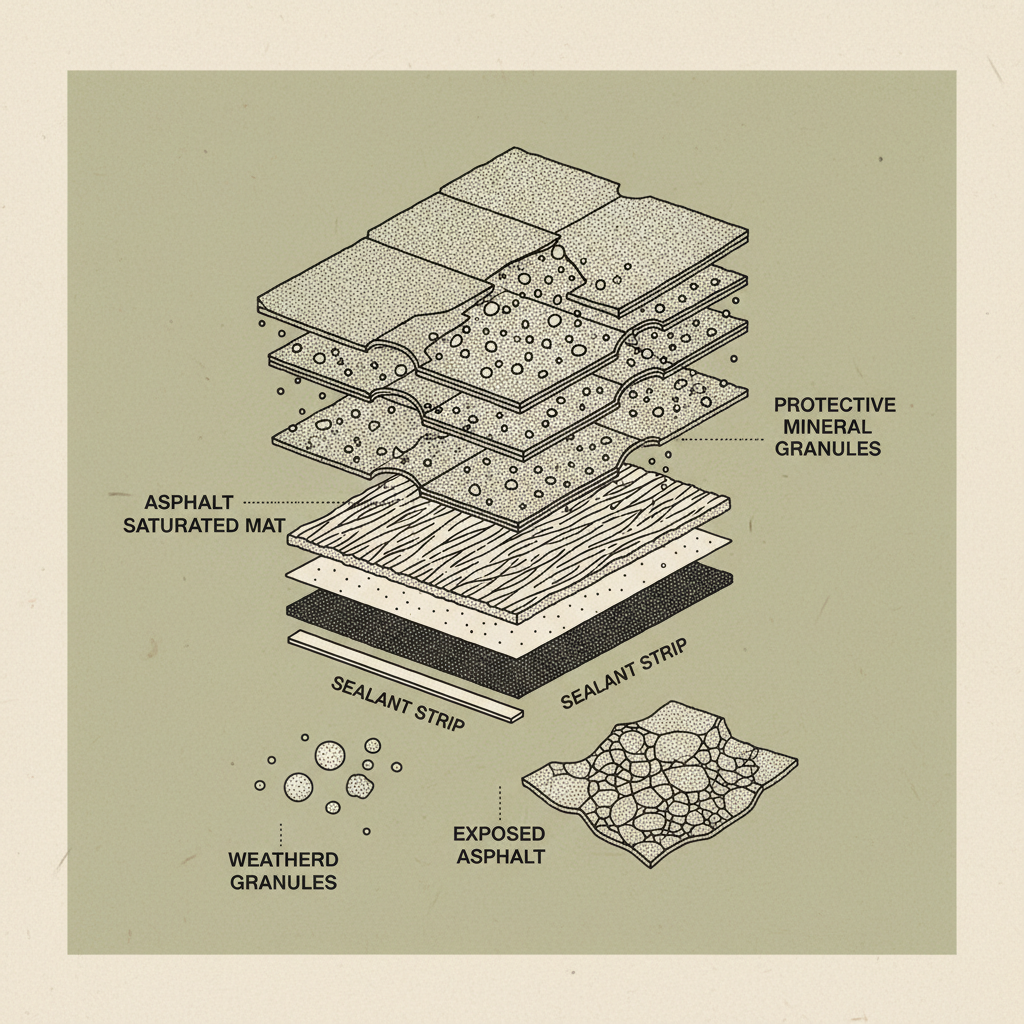
I've encountered this at a factory in Nanjing last time. A lot of manufacturers focus on making the shingle look good, which is fine, but they forget about the interlocking mechanism. If those tabs don’t align perfectly, you’re going to have leaks. And they always show up at the worst possible moment. It’s the little details that matter.
Another big mistake is skimping on the adhesive. A weak adhesive means the shingles will lift in high winds. And trust me, you don’t want to be getting calls about flying shingles. It's a nightmare for everyone involved. They try to cut costs everywhere, and that adhesive is a prime target.
Strangely enough, the shingle weight also plays a role. Too light, and they're easily blown around. Too heavy, and they put a strain on the roof structure. Finding that sweet spot is crucial, but a lot of manufacturers just aim for the lightest weight to save on shipping.
Material Breakdown: From Asphalt to Polymers
Asphalt, well, that’s the workhorse. It’s cheap, it’s reliable (to a point), and everyone knows how to work with it. It smells like… well, asphalt. That tarry, slightly burnt smell. It gets everywhere. But it's deteriorating faster than it used to, that's the issue.
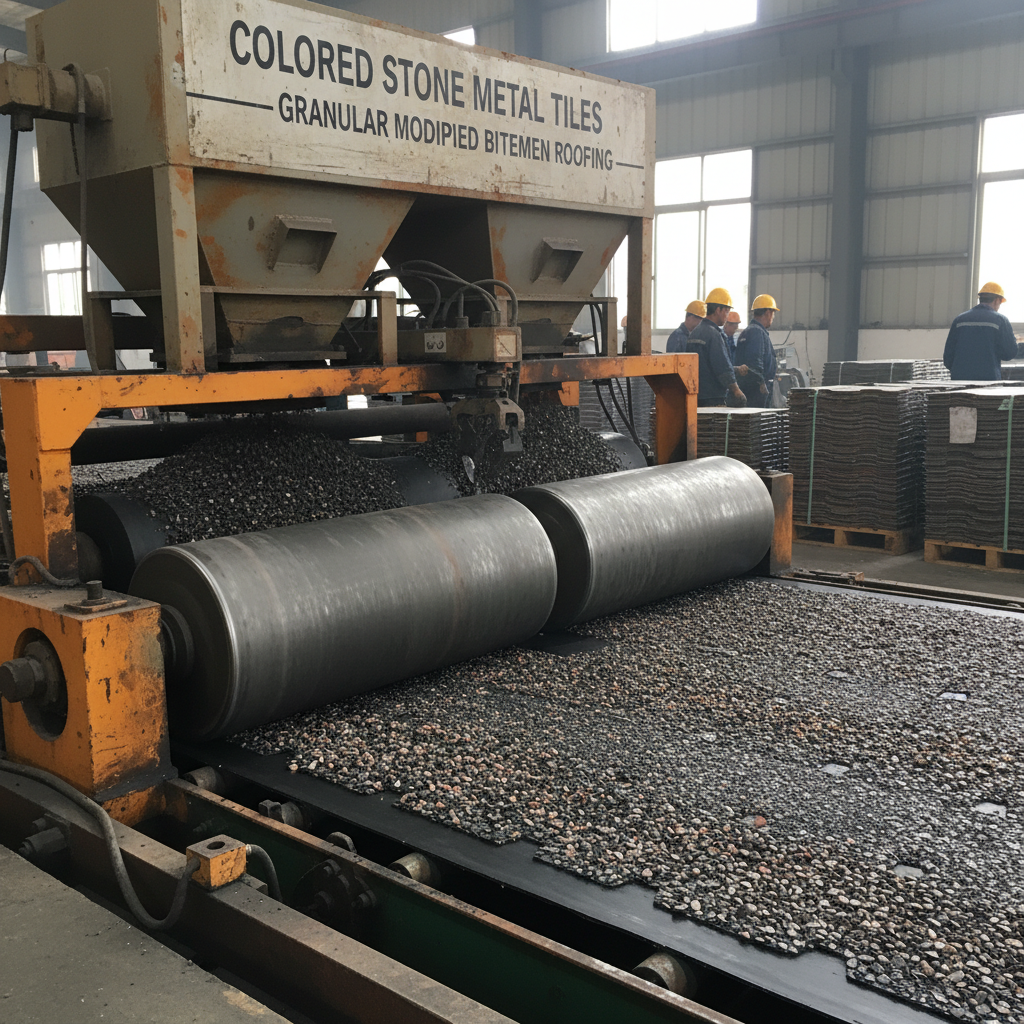
Then you have the modified bitumens, with polymers mixed in. They're more flexible, more durable, and less prone to cracking. These have a different feel – more rubbery, less brittle. The smell is less intense, but still… noticeable. There's a lot of variation in the polymer blends, too. Some are better than others.
And now, we're seeing more and more completely synthetic options—TPU, TPO… they’re expensive, but they're designed to last a lifetime. They feel almost… plastic-like. A bit unsettling, honestly. It’s not a natural feeling material. But the performance is promising.
Real-World Testing Protocols
Look, I’m not a lab guy. I don’t care about tensile strength if the shingle falls apart after a few seasons. We test things the old-fashioned way: we put them on a roof and see what happens. It’s slow, it’s messy, but it’s the most reliable method.
We do accelerated weathering tests, too, using UV lamps and simulated rain. But even those don’t fully replicate the real world. A year of sun and rain in Florida is different than a year of sun and rain in Maine. You just can't simulate everything.
Shingle Performance Metrics – Field vs. Lab
How Homeowners Actually Interact with Shingles
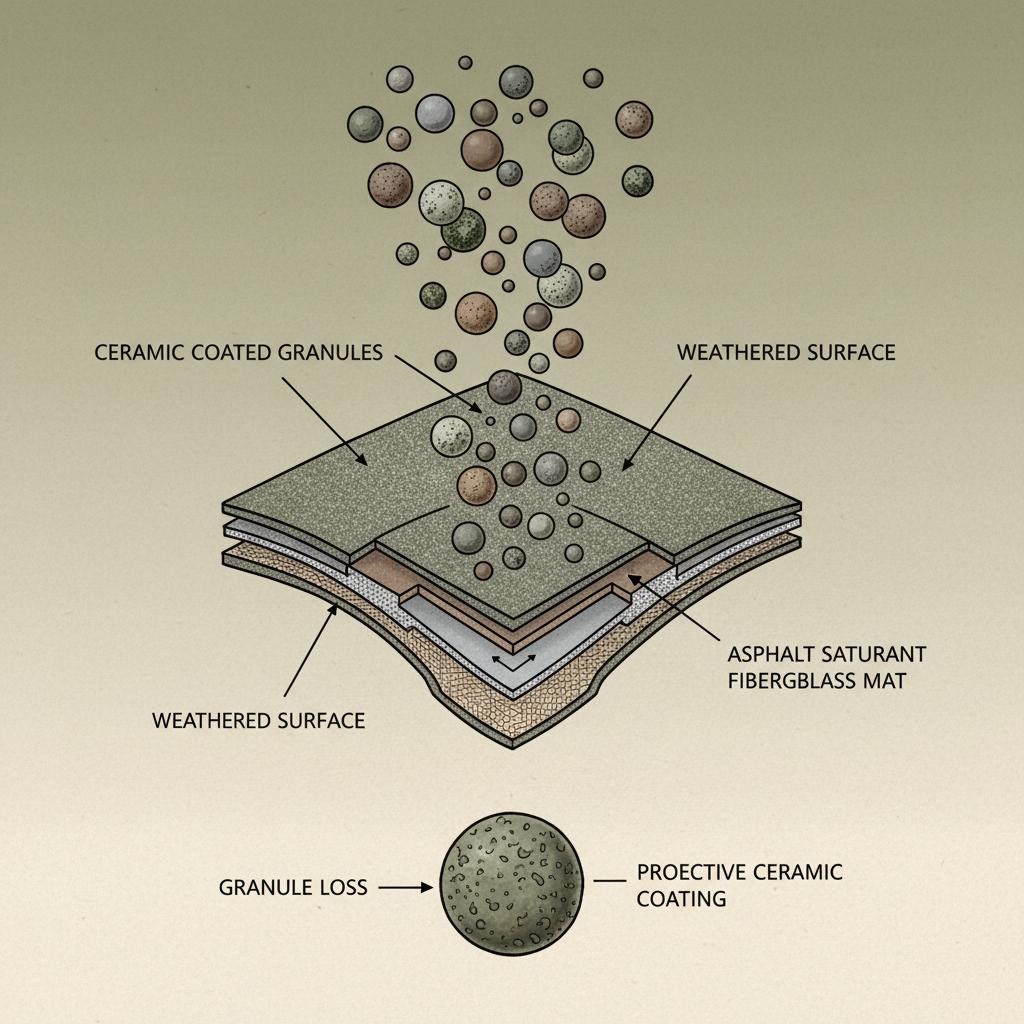
This is where it gets interesting. Homeowners don't care about the technical specs. They care about whether their roof leaks, and whether it looks good. They'll notice granule loss – that’s a big one. It’s the visual indicator that something is wrong. They’ll also notice moss and algae growth. That’s a cosmetic issue, but it freaks people out.
They also don't understand maintenance. They expect a roof to just be there, for decades, without any attention. Which is unrealistic. I've had homeowners complain about moss growth after 15 years, like it's a manufacturing defect.
The Pros and Cons: A Pragmatic View
Asphalt shingles? Cheap, easy to install, readily available. But they don’t last as long, and they’re not the most environmentally friendly. Synthetic shingles? Durable, lightweight, good-looking. But they’re expensive, and some installers aren’t familiar with them.
Anyway, I think the best approach is to find a balance. A good quality asphalt shingle with a polymer modification can give you a decent lifespan at a reasonable price. It's not perfect, but it gets the job done.
Granule loss is always a concern. It means the protective layer is wearing away, and the shingle is becoming more vulnerable to the elements. It’s a sign that it’s time to start thinking about a replacement.
Customization Options and a Shenzhen Story
You can customize shingles in a lot of ways – color, style, even fire resistance. But the biggest request we get is for different profiles. Some people want a slate look, others want a wood shake look. It’s all about aesthetics.
Last month, that small boss in Shenzhen who makes smart home devices insisted on changing the interface to . It was for a project on a modern villa, he wanted it to look "futuristic". He even demanded we embed sensors into the shingles to monitor temperature and humidity. The result? The sensors failed within six months, and he ended up with a leaky roof. Lesson learned: sometimes, you’re better off sticking with the basics.
We can also adjust the granule coating for specific climates—more reflective granules for hot climates, more durable granules for cold climates. It’s all about tailoring the product to the specific needs of the customer.
A Rough Guide to Shingle Performance Factors
| Material Type |
Durability Rating (1-10) |
Cost (per 100 sq ft) |
Granule Loss Resistance |
| 3-Tab Asphalt |
4 |
$100 |
Low |
| Architectural Asphalt |
7 |
$200 |
Medium |
| Modified Bitumen |
8 |
$250 |
High |
| Synthetic Polymer |
9 |
$400 |
Very High |
| Wood Shake (Treated) |
6 |
$300 |
Medium-Low |
| Slate |
10 |
$500+ |
Extremely High |
FAQS
A few things. Age is the biggest factor, but also harsh weather – heavy rain, hail, extreme temperatures – can accelerate the process. Lower-quality shingles, with less adhesive or weaker granule coatings, will lose granules faster. The direction your roof faces also makes a difference; south-facing roofs get more sun exposure, and therefore degrade quicker.
A little granule loss is normal, especially in the first few years after installation. It's just the loose granules shedding. But if you’re seeing a significant amount of granules in your gutters, or if the shingles are looking thin and worn, that’s a sign of a problem. It means the protective layer is compromised and the shingle is becoming vulnerable to the elements. Get it checked out.
If you see large bald spots on your roof where the granules have completely worn away, it's definitely time to consider a replacement. Also, if the shingles are curling, cracking, or lifting, that’s a bad sign. A professional roofing contractor can give you a proper assessment, but generally, if you’re losing a substantial amount of granules, it’s best to be proactive rather than reactive.
Unfortunately, there’s no real way to repair granule loss. You can’t just re-coat the shingles. In most cases, the entire roof needs to be replaced. There are some temporary fixes, like applying a sealant, but those are just band-aids and won’t solve the underlying problem. It's a bigger investment, yes, but it's necessary to protect your home.
Start with a high-quality shingle from a reputable manufacturer. Proper installation is crucial, too – make sure the contractor follows the manufacturer's instructions. Regular maintenance, like cleaning your gutters and removing debris, can also help. And avoid walking on your roof unnecessarily, as that can accelerate granule loss.
Yes, some manufacturers offer shingles with enhanced granule adhesion technology. They use special coatings or bonding agents to hold the granules in place for longer. These shingles typically cost more upfront, but they can save you money in the long run by extending the life of your roof. Look for shingles with a good warranty that specifically covers granule loss.
Conclusion
So, there you have it. Roofing materials are a complex beast. There's no magic bullet, no one-size-fits-all solution. It's about understanding the trade-offs, choosing the right material for your climate and budget, and ensuring proper installation and maintenance. The biggest takeaway? Don’t just look at the pretty pictures in the brochure. Think about the real-world performance, and how it will hold up over time.
Ultimately, whether this thing works or not, the worker will know the moment he tightens the screw. That’s the truth of it. And if you're looking for reliable roofing materials, or just want to chat about what's happening on construction sites, visit our website: www.coolroofmaterials.com