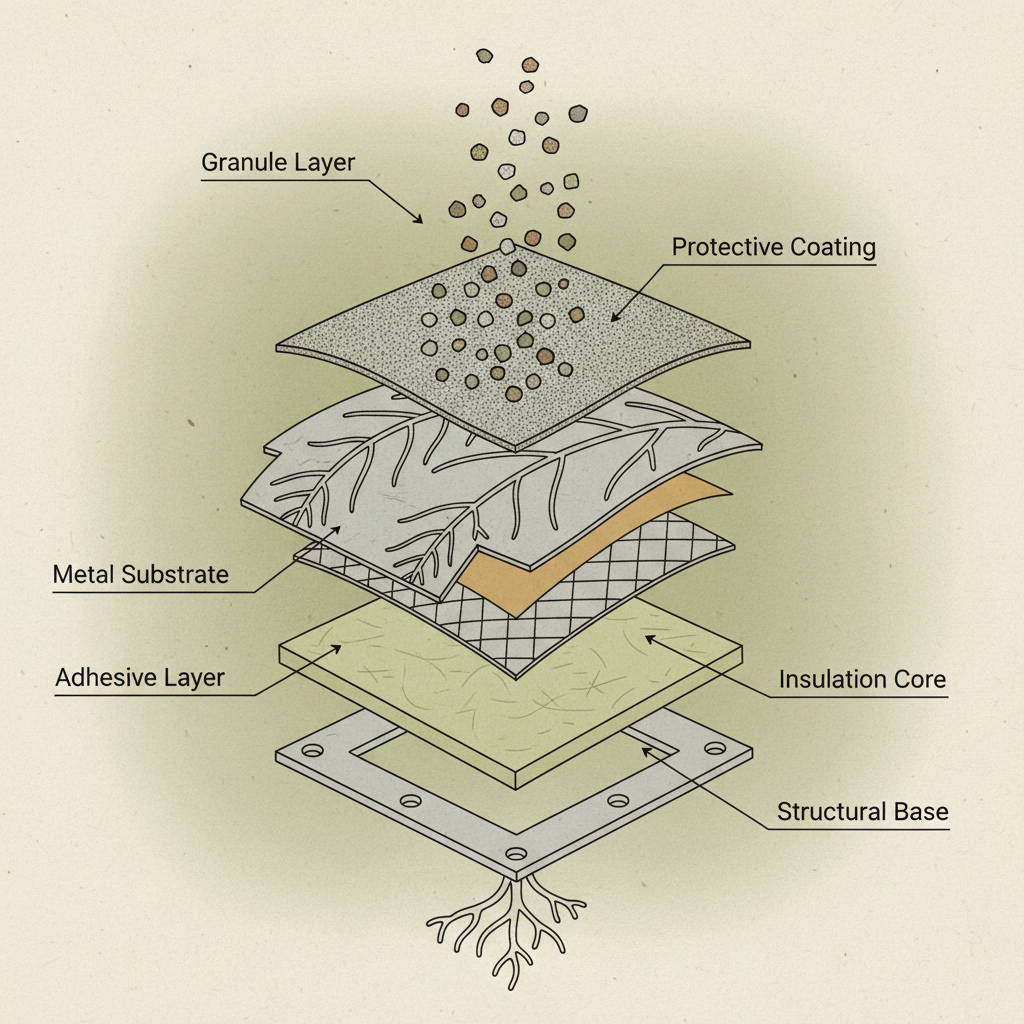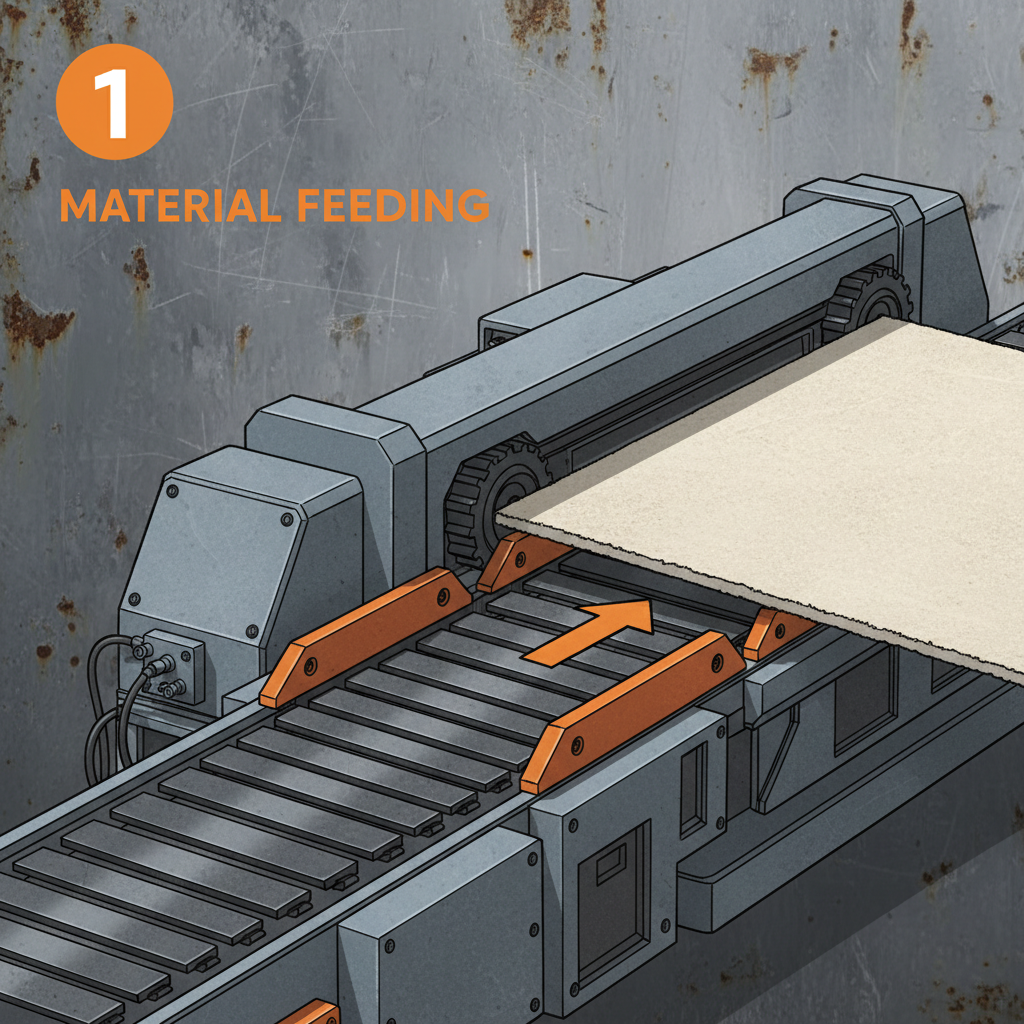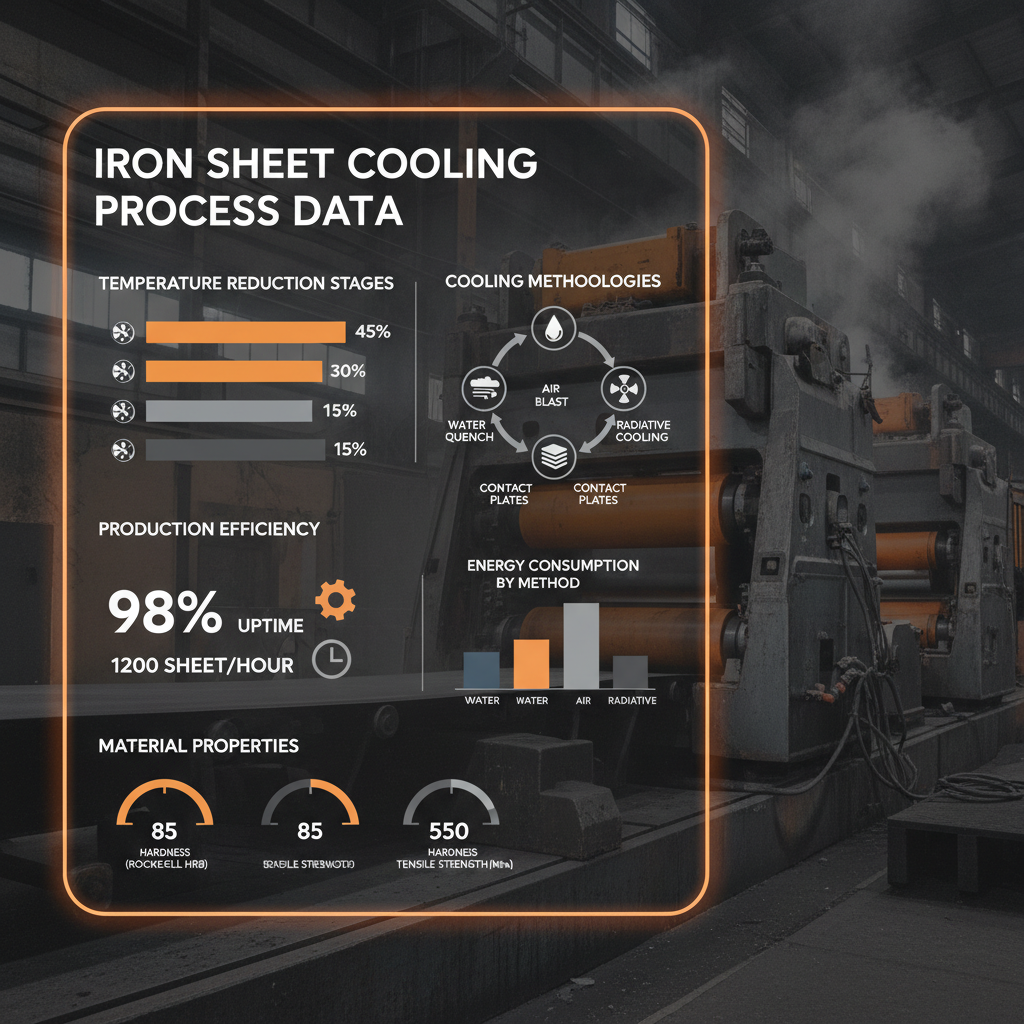
Asbestos sheet cooling paint represents a crucial intersection of building material science and climate change mitigation. Historically, asbestos sheets offered a cost-effective roofing solution, particularly in developing nations. However, the inherent health risks associated with asbestos necessitate innovative solutions to improve their performance and longevity without removal. Employing specialized coatings – asbestos sheet cooling paint – offers a viable pathway to reduce heat absorption, lower indoor temperatures, and ultimately, enhance the sustainability of these existing structures.
The global demand for effective and affordable cooling solutions is rapidly increasing due to rising temperatures and increased urbanization. The United Nations estimates that over half the world’s population now lives in urban areas, often characterized by the “urban heat island” effect, exacerbating energy consumption for cooling. Asbestos sheet cooling paint provides a localized, passive cooling strategy that minimizes reliance on energy-intensive air conditioning systems, directly addressing this challenge. Its applications span residential, industrial, and agricultural sectors.
Understanding the principles and applications of asbestos sheet cooling paint is vital for architects, engineers, building owners, and policymakers seeking sustainable and cost-effective building solutions. The benefits extend beyond mere temperature reduction, impacting energy efficiency, occupant comfort, and potentially, the lifespan of the asbestos sheet roofing itself. This specialized paint allows for a relatively simple and impactful intervention in the built environment.
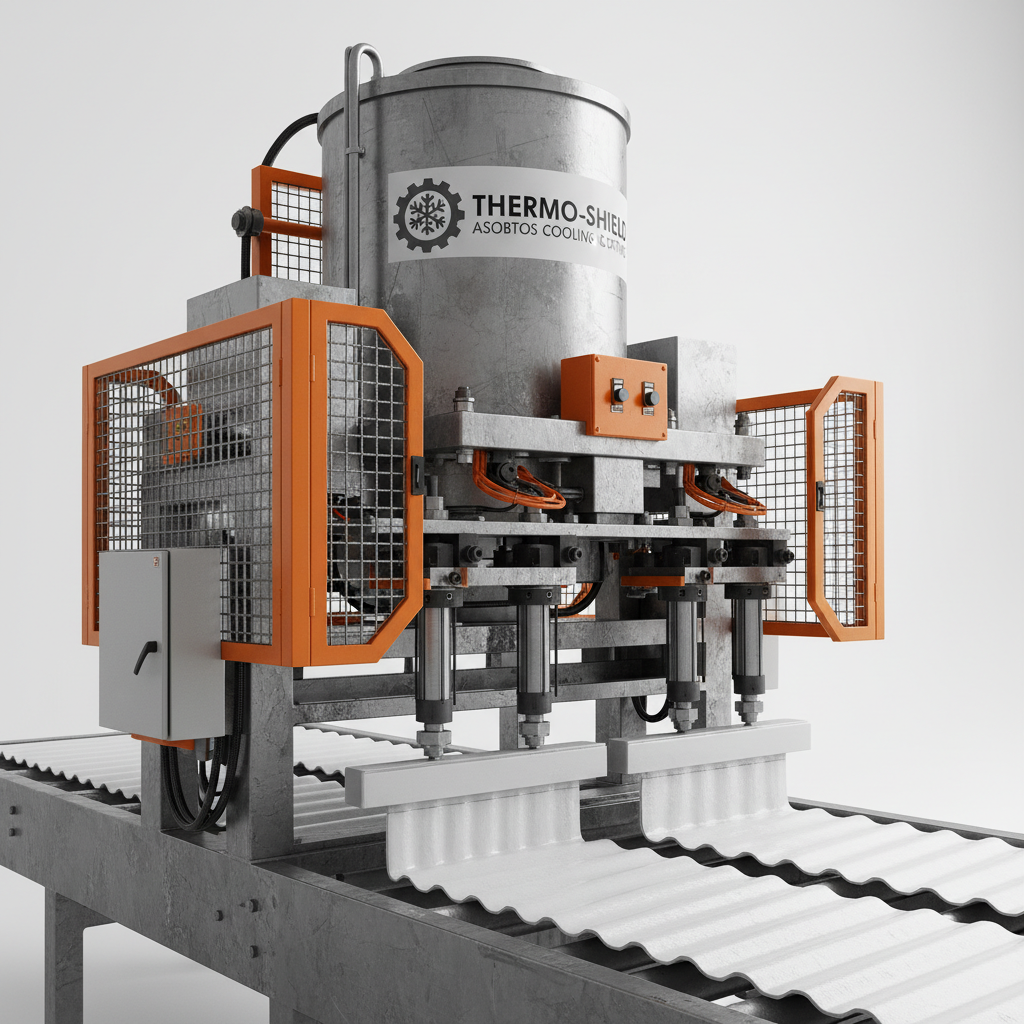
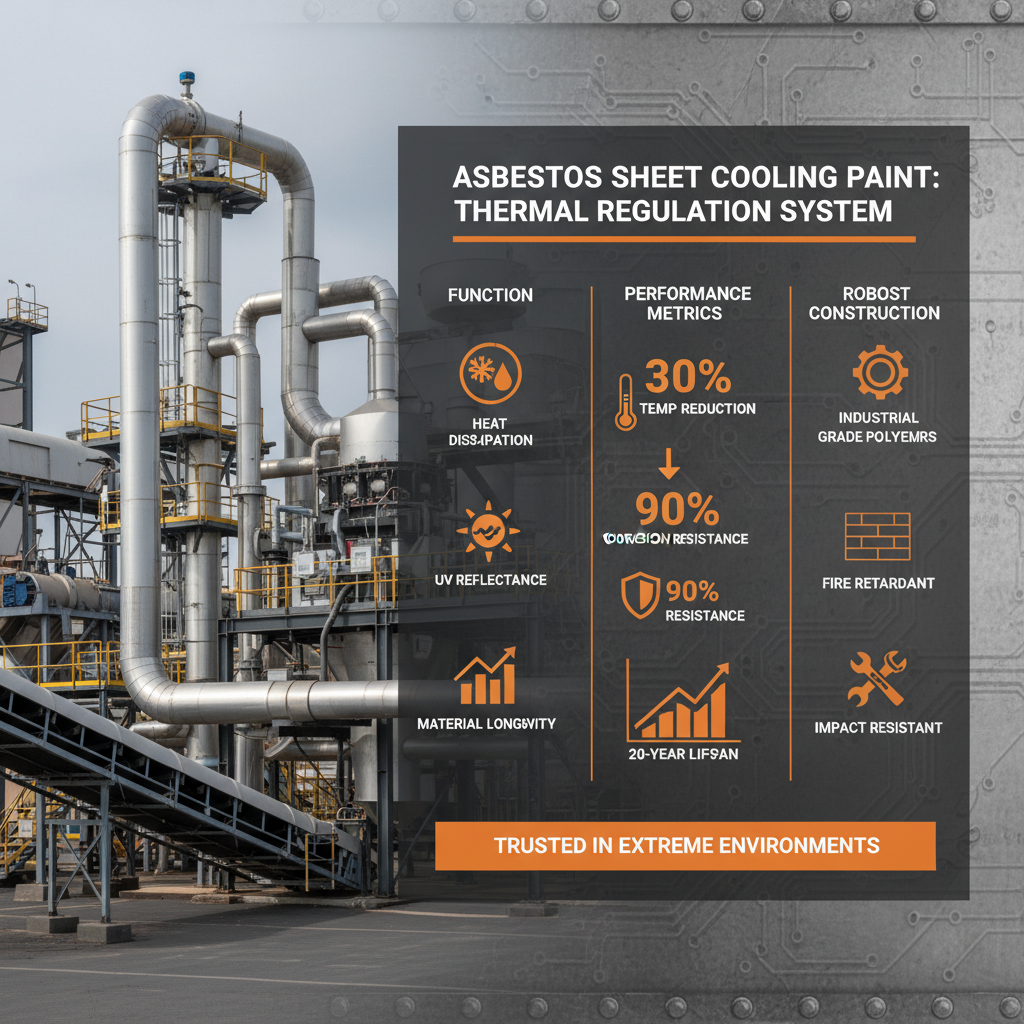
Asbestos sheet cooling paint isn’t a simple cosmetic upgrade; it's a strategically applied coating designed to mitigate the inherent heat absorption properties of asbestos cement sheets. These sheets, widely used for roofing and cladding, tend to retain significant heat, leading to uncomfortable indoor temperatures and increased energy demands for cooling. Specialized paint formulations reflect a substantial portion of solar radiation, reducing surface temperatures and enhancing thermal comfort.
The increasing frequency and intensity of heat waves globally emphasize the importance of passive cooling solutions. Asbestos sheet cooling paint provides a relatively inexpensive and easily implementable method of decreasing the thermal load on buildings, particularly in regions with limited access to advanced HVAC systems. Its application represents a practical step toward climate resilience and improved living conditions.
The lifespan of asbestos sheet cooling paint varies based on the specific formulation, climate conditions, and application quality. However, a well-applied, high-quality coating generally lasts between 5 to 10 years before significant degradation of its reflective properties occurs. Regular inspection and maintenance, such as cleaning to remove dust and debris, can extend its service life. Re-coating may be necessary after this period to maintain optimal performance.
No, asbestos sheet cooling paint is not a substitute for safe and professional asbestos removal when the material is damaged or deteriorating. It's a mitigating solution that addresses heat absorption and improves energy efficiency, but it does not eliminate the inherent health risks associated with asbestos fibers. If asbestos sheets are crumbling or releasing fibers, removal by qualified professionals is essential.
While DIY application is possible, professional application is generally recommended for optimal results and safety. Professionals have the experience and equipment to properly prepare the surface, apply the coating evenly, and ensure proper adhesion. They are also familiar with best practices for handling asbestos cement sheets and minimizing the risk of fiber disturbance.
Proper surface preparation is crucial for successful application. This typically involves cleaning the asbestos sheets to remove dirt, dust, algae, and loose debris. Any existing peeling paint should be removed. A primer may be required to improve adhesion, particularly on older or weathered surfaces. It’s vital to avoid any process that could disturb the asbestos fibers during cleaning or preparation.
Compared to traditional cooling methods, asbestos sheet cooling paint offers a significantly more environmentally friendly alternative. By reducing energy consumption for cooling, it lowers carbon emissions. Many formulations are water-based and low in volatile organic compounds (VOCs), minimizing air pollution. However, responsible disposal of any leftover paint and containers is essential.
Generally, lighter colors, particularly white, exhibit the highest solar reflectance and therefore provide the best cooling performance. While colored cooling paints are available, they typically have lower reflectance values. Choosing a lighter shade will maximize the benefits of the coating in terms of reducing heat absorption and lowering indoor temperatures. The ideal color choice may also consider aesthetic preferences and local climate conditions.
Asbestos sheet cooling paint emerges as a pragmatic and impactful solution for addressing the challenges of heat management and energy efficiency in buildings constructed with asbestos cement materials. Its ability to reduce heat absorption, lower cooling costs, and improve indoor comfort positions it as a valuable tool in the fight against climate change, particularly in regions with limited resources and high temperatures. The combination of affordability, ease of application, and tangible benefits underscores its potential for widespread adoption.
Looking ahead, continued research and development focused on enhancing the reflective properties and durability of these coatings will further amplify their effectiveness. Promoting awareness, incentivizing adoption through supportive policies, and integrating asbestos sheet cooling paint into broader sustainable building strategies will be crucial to unlocking its full potential and creating a more comfortable, energy-efficient, and sustainable built environment. Visit our website at www.coolroofmaterials.com to learn more and explore our range of asbestos sheet cooling paint solutions.