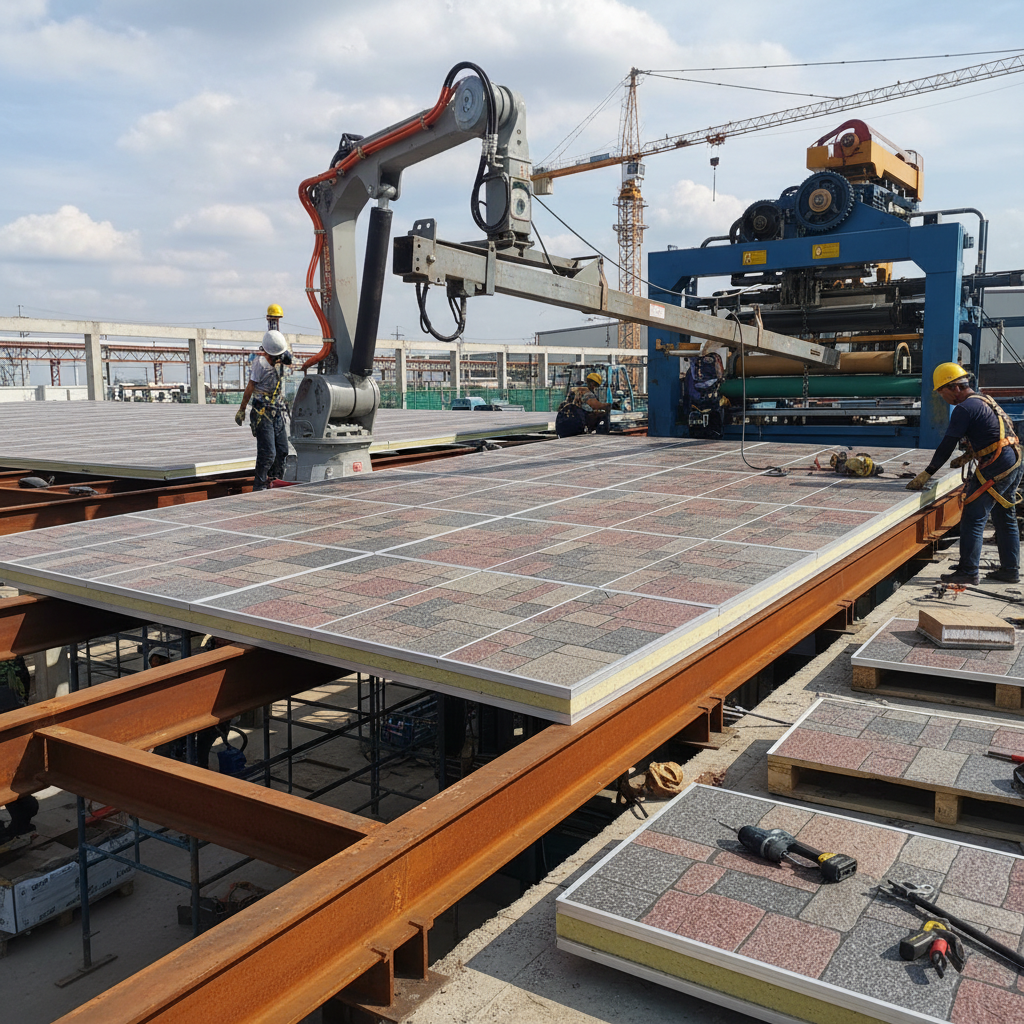
Granulated rolled roofing represents a significant advancement in roofing materials, offering a cost-effective and durable solution for a wide range of applications. Its inherent properties make it particularly valuable in scenarios requiring rapid deployment and resilience, from residential construction to emergency shelter provision. Understanding the nuances of granulated rolled roofing is crucial for architects, builders, and disaster relief organizations seeking dependable and efficient roofing options.
The global demand for sustainable and affordable building materials is steadily increasing, driven by factors like population growth, urbanization, and climate change. Granulated rolled roofing directly addresses this need by providing a lightweight, easily installed, and relatively inexpensive roofing solution. This makes it a viable option for both developed and developing nations, contributing to improved housing standards and infrastructure development worldwide.
Furthermore, the versatility of granulated rolled roofing allows for adaptation to diverse climates and architectural styles, solidifying its position as a key material in the construction landscape. Its increasing adoption demonstrates a commitment to practical, accessible, and resilient building practices.
Introduction to Granulated Rolled Roofing
Granulated rolled roofing has become a staple in both residential and commercial construction due to its ease of installation and affordability. This type of roofing consists of a reinforced asphalt base sheet saturated with asphalt and coated with mineral granules. These granules provide protection from UV radiation, enhance durability, and offer aesthetic appeal. Its streamlined application makes it an ideal choice for various roofing needs.
The material's flexibility and lightweight nature contribute to reduced structural load, simplifying installation processes and lowering overall project costs. This accessibility is a key factor driving its growing popularity, particularly in regions where cost-effectiveness is paramount. granulated rolled roofing provides a versatile solution for protecting structures from the elements.
Defining Granulated Rolled Roofing
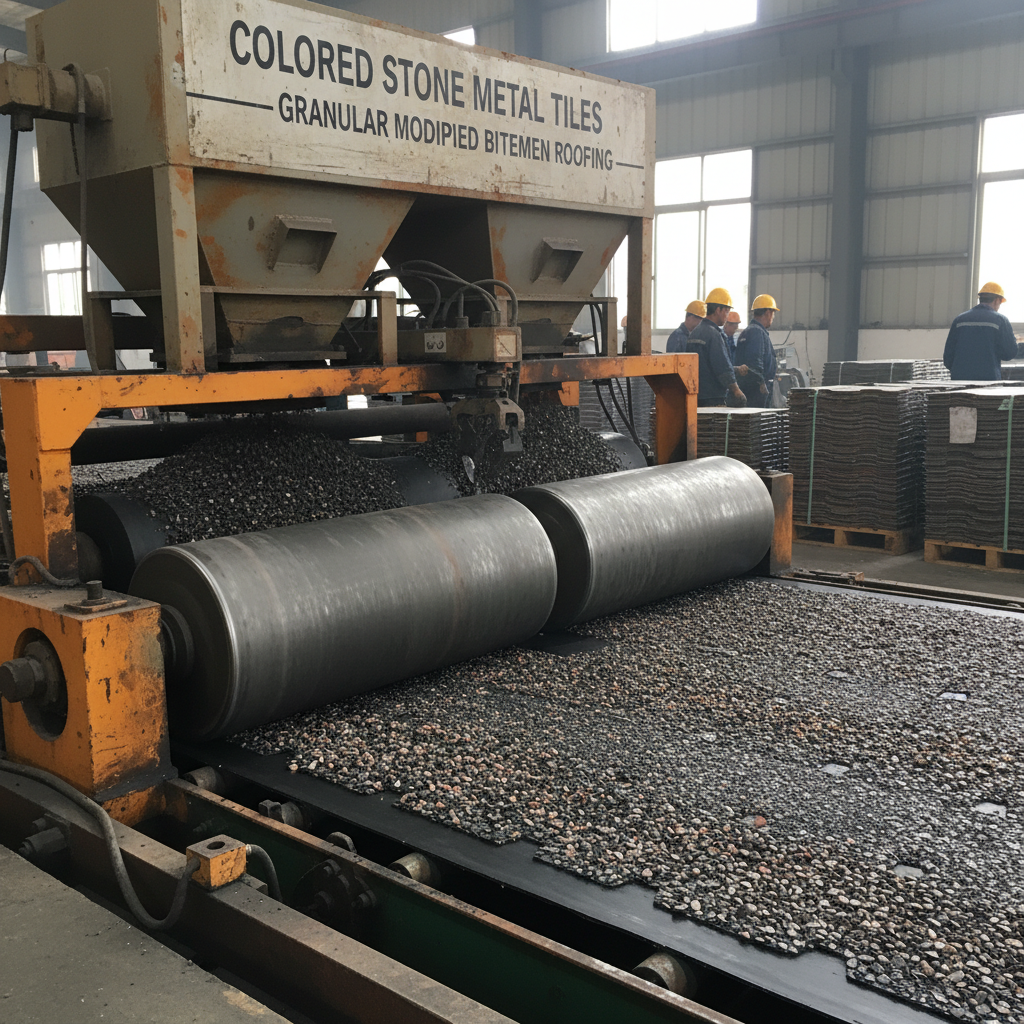
Granulated rolled roofing is a prefabricated roofing material composed of asphalt-saturated felt or fiberglass mat, coated with asphalt and mineral granules. It’s typically supplied in rolls of varying widths and lengths, enabling quick and efficient application. The granules serve a dual purpose: protecting the asphalt from UV degradation and adding a decorative, textured surface.
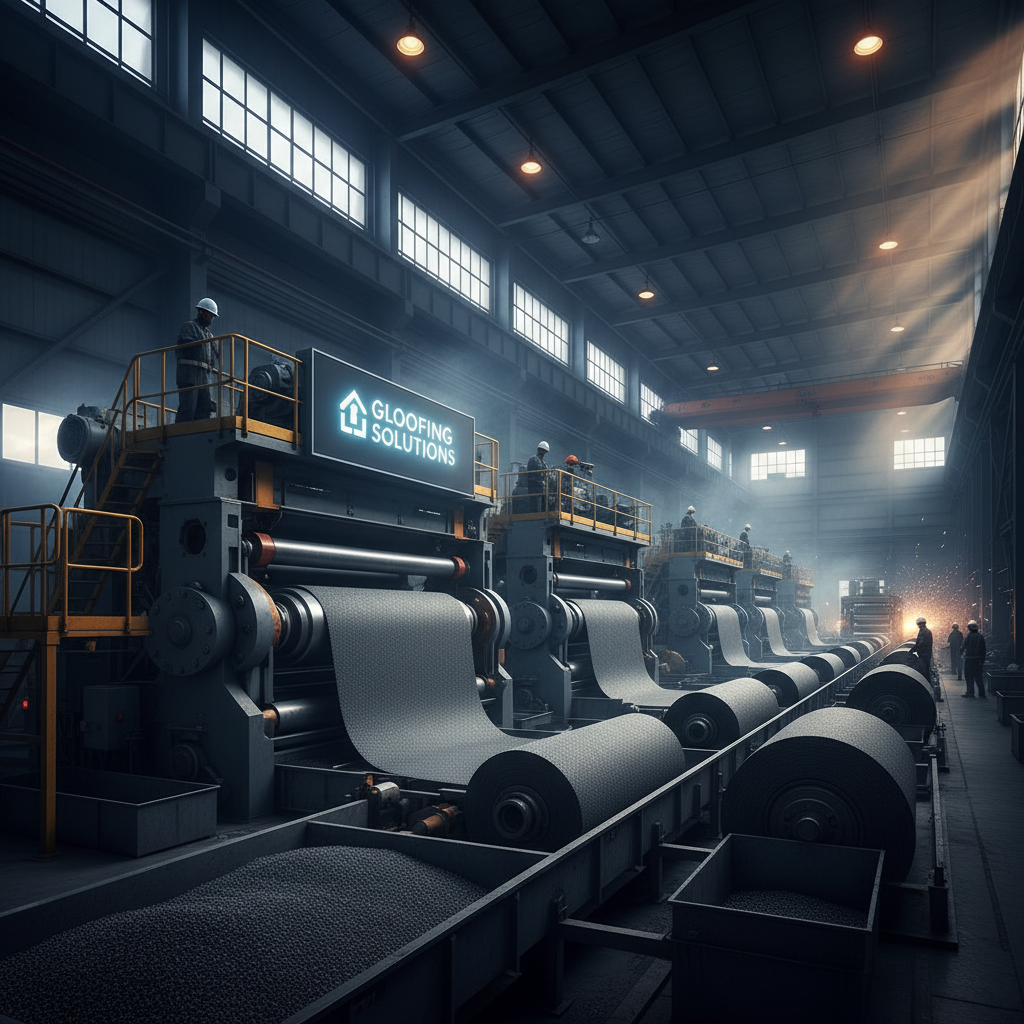
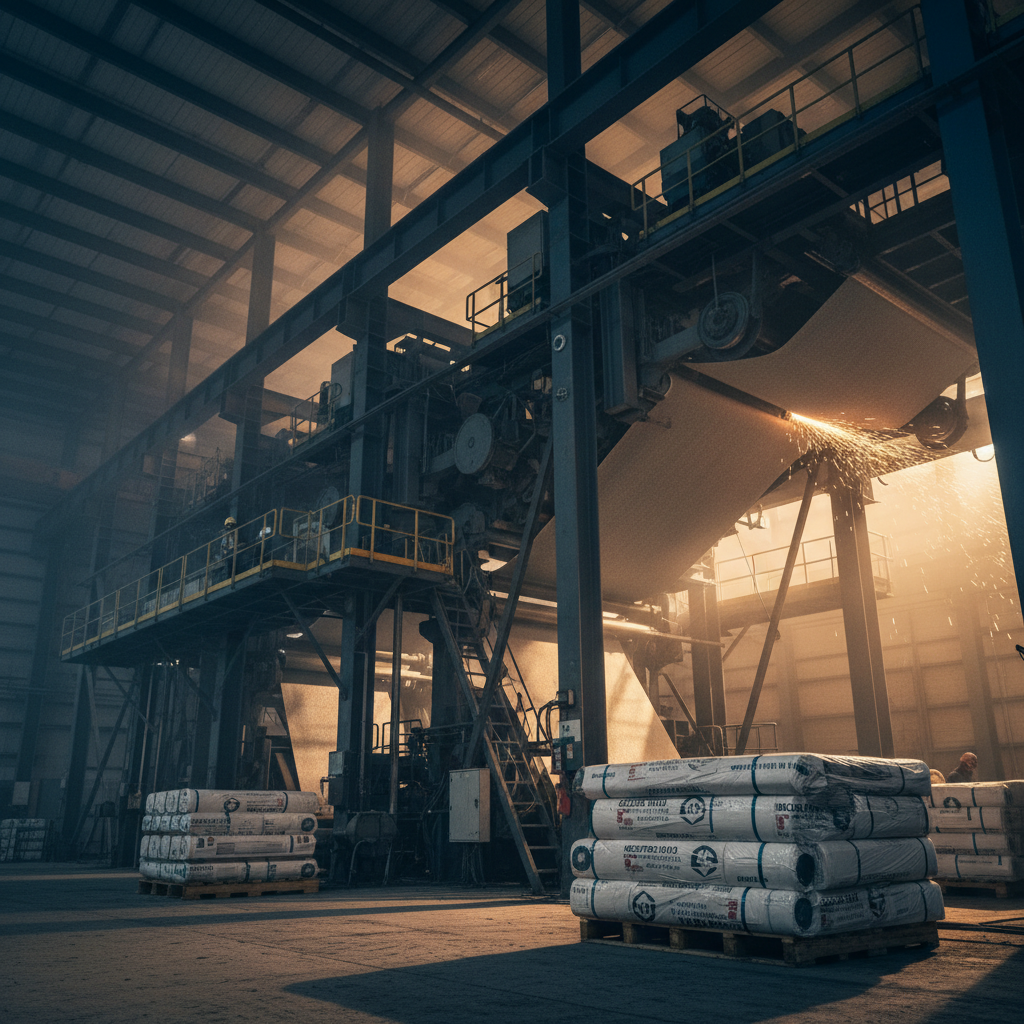
This roofing type differs from traditional shingles in its continuous sheet format, eliminating the need for individual shingle placement. It represents a modern approach to roofing, prioritizing speed, simplicity, and cost-effectiveness. The production process involves precise layering and coating techniques to ensure consistent quality and performance.
Its connection to modern industry lies in its reliance on efficient manufacturing processes and readily available materials. In the context of humanitarian needs, it offers a swift and practical solution for providing shelter and protection in disaster relief situations.
Key Characteristics of Granulated Rolled Roofing
One of the defining characteristics of granulated rolled roofing is its exceptional weather resistance. The asphalt and mineral granules create a barrier against rain, snow, wind, and UV radiation, ensuring long-term protection for the structure below. This robust protection minimizes the risk of water damage and structural deterioration.
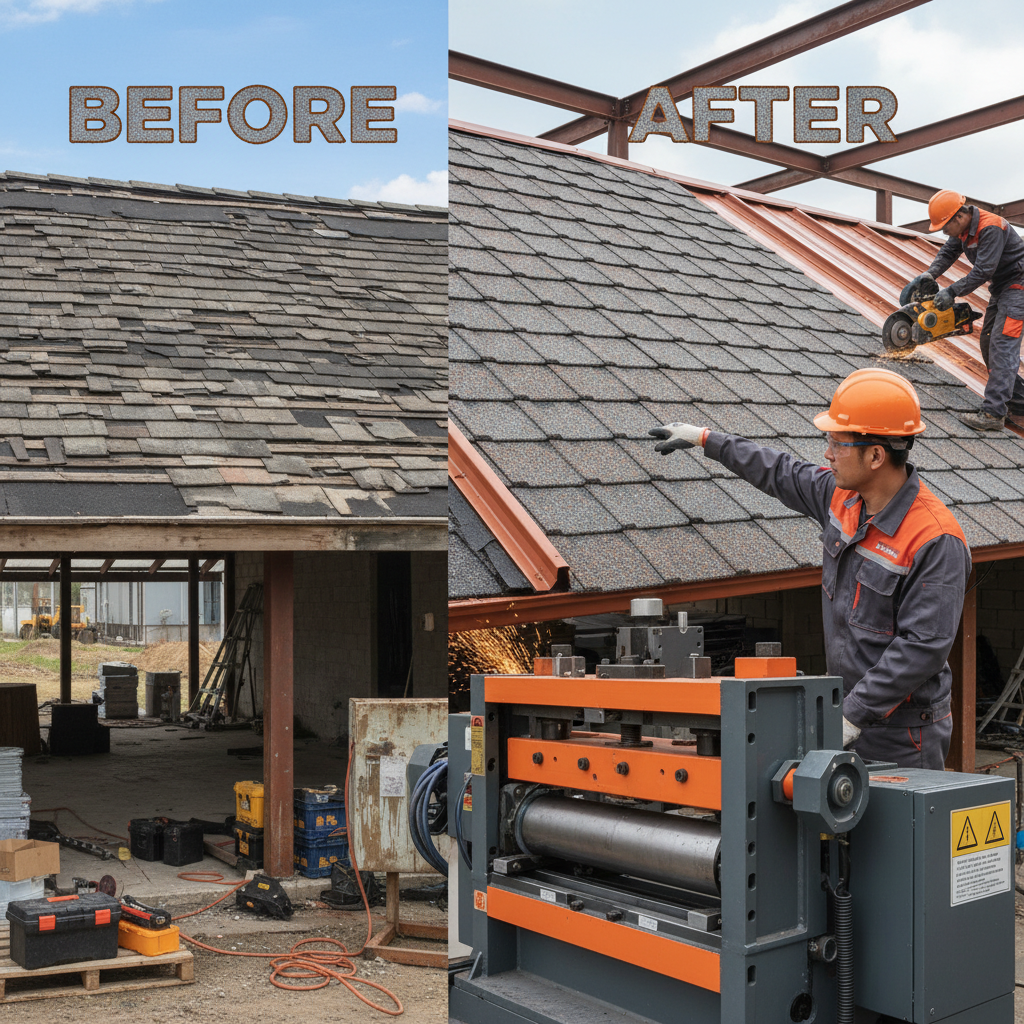
Another crucial aspect is its ease of installation. The rolled format allows for quick and simple application, often requiring minimal specialized tools or expertise. This translates to lower labor costs and reduced project timelines, making it an attractive option for both DIY enthusiasts and professional contractors.
Furthermore, granulated rolled roofing offers excellent impact resistance, capable of withstanding moderate hail and debris impacts. This durability contributes to its overall longevity and reduces the frequency of repairs or replacements. The flexibility of the material also allows it to adapt to slight structural movements without cracking or tearing.
Durability and Longevity
The lifespan of granulated rolled roofing is significantly influenced by the quality of materials used and the climate it’s exposed to. However, with proper installation and maintenance, it can reliably protect a structure for 10-20 years, making it a cost-effective long-term investment. Regular inspections and prompt repairs of any minor damage can further extend its service life.
Global Applications and Use Cases
Granulated rolled roofing finds widespread application in residential roofing, particularly for low-slope or flat roofs. Its affordability and ease of installation make it a popular choice for homeowners looking for a reliable and cost-effective roofing solution.
In the commercial sector, it’s frequently used on warehouses, storage facilities, and other large-span buildings. Its durability and resistance to weather damage make it well-suited for protecting these structures from the elements. In post-disaster relief operations, it’s often deployed as a temporary or semi-permanent roofing solution for emergency shelters.
Advantages and Long-Term Value
The cost-effectiveness of granulated rolled roofing is a significant advantage, making it accessible to a broader range of customers. The simplified installation process translates to lower labor costs, further reducing the overall project expense. This affordability doesn’t come at the expense of quality; the material provides reliable protection and longevity.
From a sustainability perspective, many manufacturers are incorporating recycled materials into their production processes, reducing the environmental impact of the product. The lightweight nature of the material also contributes to lower transportation costs and reduced energy consumption. Ultimately, granulated rolled roofing delivers a strong return on investment, offering both immediate savings and long-term value.
The inherent reliability of granulated rolled roofing fosters trust and peace of mind for building owners, knowing their structures are well-protected from the elements. This sense of security translates into long-term satisfaction and a reduced need for frequent repairs or replacements.
Future Trends and Innovations
Emerging trends in the industry focus on enhancing the sustainability and performance of granulated rolled roofing. Researchers are exploring the use of bio-based asphalt alternatives and more durable mineral granules to further reduce the environmental footprint of the material.
Digital transformation is also playing a role, with the development of smart roofing systems that incorporate sensors to monitor roof condition and provide early warnings of potential issues. This proactive approach allows for preventative maintenance, extending the lifespan of the roof and reducing costly repairs.
Automation in the manufacturing process is improving efficiency and consistency, leading to higher-quality products and lower production costs. These innovations are positioning granulated rolled roofing as a key player in the future of sustainable building practices.
FAQS
The lifespan of granulated rolled roofing typically ranges from 10 to 20 years, depending on the quality of materials, climate conditions, and proper installation. Regular inspections and maintenance can extend its service life. Factors like intense UV exposure, extreme temperatures, and heavy rainfall can impact longevity, but proper granule coating helps mitigate these effects.
Granulated rolled roofing is generally best suited for low-slope or flat roofs. Its design isn't ideal for steep slopes, as the material could be prone to sliding or experiencing water infiltration. For steep-sloped roofs, traditional shingles or other roofing materials are recommended for optimal performance and safety.
Granulated rolled roofing is typically more cost-effective than traditional asphalt shingles, both in terms of material costs and installation labor. The streamlined installation process reduces labor time, while the material itself is often less expensive to produce. However, the long-term costs can vary depending on the lifespan and maintenance requirements of each option.
Regular maintenance for granulated rolled roofing includes periodic inspections for any signs of damage, such as cracks, blisters, or granule loss. Cleaning debris and ensuring proper drainage are also essential. Promptly repairing any minor damage can prevent more significant issues and extend the roof's lifespan. Annual inspections are generally recommended.
Granulated rolled roofing can be considered a reasonably environmentally friendly option, particularly when manufacturers utilize recycled materials in their production processes. Its lightweight nature reduces transportation costs and energy consumption. Furthermore, its durability and long lifespan minimize the need for frequent replacements, reducing waste generation.
While it is possible for experienced DIYers to install granulated rolled roofing, it's generally recommended to hire a professional contractor. Proper installation is crucial for ensuring the roof's long-term performance and preventing leaks. Professionals have the expertise and tools to handle the installation correctly, adhering to safety standards and building codes.
Conclusion
In summary, granulated rolled roofing represents a compelling solution in the roofing industry, balancing cost-effectiveness, durability, and ease of installation. Its versatility allows it to serve a broad spectrum of applications, from residential buildings to emergency shelters, making it a valuable asset in both developed and developing nations. Understanding its characteristics and advantages is essential for informed decision-making in construction and disaster relief.
Looking ahead, continued innovation in materials and manufacturing processes will further enhance the sustainability and performance of granulated rolled roofing. Embracing these advancements will solidify its position as a key component of resilient and affordable building practices. For more information on high-quality roofing solutions, visit our website: www.coolroofmaterials.com.