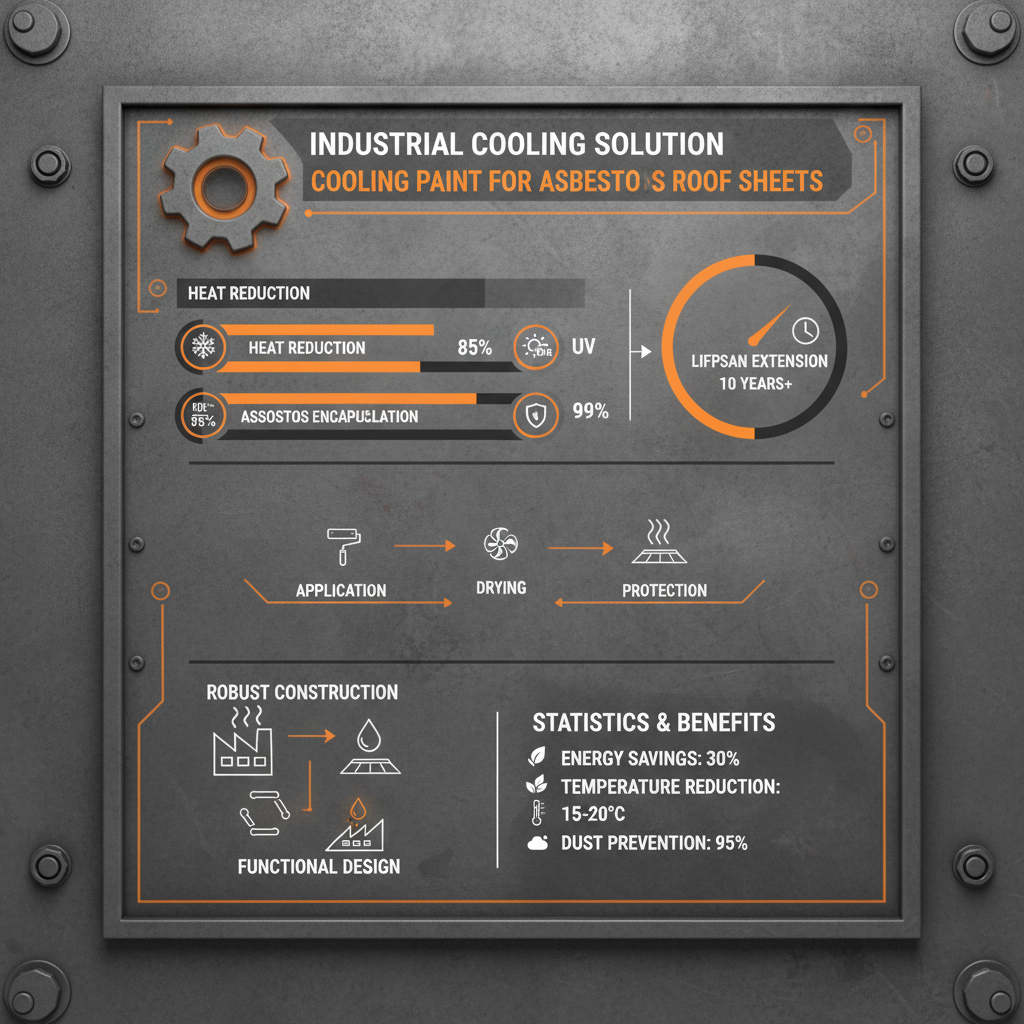
Cooling paint for asbestos roof sheets represents a vital innovation in building maintenance and energy efficiency, particularly in regions grappling with aging infrastructure and extreme climates. Asbestos roofing, while durable, presents inherent challenges – notably heat absorption, leading to increased indoor temperatures and energy consumption. Applying specialized cooling paint offers a cost-effective and relatively simple solution to mitigate these issues, extending roof lifespan and enhancing building comfort. This approach is gaining traction globally as a sustainable alternative to complete roof replacement, offering both economic and environmental benefits.
The growing demand for cooling paint for asbestos roof sheets is driven by increasing awareness of the urban heat island effect and the need to reduce reliance on energy-intensive cooling systems. Globally, rising temperatures necessitate innovative solutions for building thermal management, and this coating directly addresses that need. Moreover, responsible asbestos management practices are becoming increasingly stringent, and using cooling paint can contribute to maintaining existing asbestos structures safely while minimizing environmental impact.
Understanding the nuances of this technology, from material composition to application techniques, is crucial for stakeholders – homeowners, building managers, and environmental agencies alike. It’s not merely a cosmetic fix; it’s a strategic intervention with significant long-term implications for building sustainability and occupant well-being.
Introduction: Global or Industry Context
The global prevalence of asbestos roofing, particularly in structures built between the 1950s and 1980s, creates a significant demand for effective and safe maintenance solutions. According to the World Health Organization (WHO), asbestos-related diseases claim tens of thousands of lives annually, highlighting the importance of managing existing asbestos structures responsibly. Cooling paint for asbestos roof sheets offers a proactive approach, minimizing heat absorption and potentially reducing the risk of fiber release due to thermal stress.
The increasing frequency of extreme heat events, documented by organizations like the UN Climate Change, exacerbates the problems associated with poorly insulated roofs. This drives a need for affordable and scalable cooling solutions. The market for reflective coatings is projected to grow substantially in the coming years, fueled by building regulations promoting energy efficiency and a rising awareness of sustainable building practices.
Challenges lie in ensuring proper application and selecting paints compatible with asbestos materials, avoiding any disturbance of the asbestos fibers. However, innovative formulations and application techniques are emerging, offering safer and more effective ways to improve building thermal performance and extend the lifespan of asbestos roofing systems.
Definition & Meaning
Cooling paint for asbestos roof sheets is a specialized reflective coating designed to reduce heat absorption in asbestos cement roofing materials. Unlike conventional paints, cooling paints are formulated with pigments and binders that reflect a significant portion of solar radiation, minimizing the roof’s surface temperature. This translates to lower indoor temperatures and reduced energy consumption for cooling. It’s a passive cooling strategy that doesn’t require mechanical systems.
The connection to modern industry lies in the growing emphasis on sustainable building materials and energy-efficient technologies. The construction sector is a major contributor to greenhouse gas emissions, and reducing energy demand in buildings is crucial for mitigating climate change. Cooling paint represents a readily deployable solution aligned with these goals.
From a humanitarian perspective, affordable cooling solutions are vital in regions experiencing extreme heat, particularly for vulnerable populations who may lack access to air conditioning. Cooling paint for asbestos roof sheets provides a low-cost, durable method of improving thermal comfort and promoting health and safety in these settings.
Key Factors or Core Components
Reflectivity: The primary component is the Solar Reflectance Index (SRI) of the paint, indicating its ability to reflect solar radiation. Higher SRI values translate to cooler roof temperatures. Selecting paints with high SRI is paramount for maximizing cooling benefits.
Emissivity: Emissivity refers to the paint’s ability to radiate heat away from the roof surface. A high emissivity, combined with high reflectivity, provides optimal thermal performance.
Durability & Weather Resistance: The coating must withstand exposure to UV radiation, rain, and temperature fluctuations without degrading. Durable formulations ensure long-term performance and minimize the need for frequent re-application.
Adhesion: Strong adhesion to the asbestos cement surface is crucial to prevent peeling and ensure the coating’s effectiveness. Proper surface preparation is essential for achieving optimal adhesion.
Asbestos Compatibility: The paint formulation must be chemically compatible with asbestos cement to avoid any degradation or fiber release. Choosing paints specifically designed for asbestos roofing is vital.
Permeability: While needing to be waterproof, some level of permeability allows moisture vapor to escape, preventing blistering or delamination.
Global Applications & Use Cases
Cooling paint for asbestos roof sheets finds application across a diverse range of settings globally. In Southeast Asia, where asbestos roofing remains prevalent in residential and industrial buildings, the paint is used to mitigate the intense heat and humidity, reducing energy costs and improving indoor comfort.
In Australia, where stringent asbestos management regulations are in place, cooling paint is employed as part of a comprehensive strategy to maintain existing asbestos structures safely and sustainably. It’s often used in agricultural buildings, warehouses, and older homes.
In post-disaster relief operations, rapid deployment of cooling paint can provide immediate thermal relief to affected populations, particularly in temporary shelters constructed with readily available materials like asbestos cement sheets. In remote industrial zones, where reliable cooling systems are limited, it offers a simple and cost-effective solution to improve working conditions.
Cooling Paint for Asbestos Roof Sheets: Method Comparison
Advantages & Long-Term Value
The benefits of applying cooling paint for asbestos roof sheets are multifaceted. The most tangible is reduced energy consumption for cooling, leading to lower utility bills and a smaller carbon footprint. Furthermore, by lowering roof temperatures, the coating can extend the lifespan of the asbestos cement sheets, delaying the need for costly replacements.
From a sustainability perspective, utilizing existing structures instead of demolishing and rebuilding represents a significant environmental advantage. Cooling paint minimizes waste and conserves resources. It also improves indoor air quality by reducing the strain on cooling systems, which can harbor mold and allergens.
Future Trends & Innovations
Research and development are focused on creating even more effective and durable cooling paint formulations, incorporating nanotechnology and advanced pigment technologies. Self-cleaning coatings that resist dirt and grime accumulation are also being explored, reducing maintenance requirements.
The integration of smart sensors and IoT technology into cooling paint systems could enable remote monitoring of roof temperatures and automated adjustments to optimize cooling performance. Policy initiatives promoting energy efficiency in buildings are expected to drive further adoption of these technologies.
Challenges & Solutions
One of the main challenges is ensuring proper surface preparation before paint application. Asbestos cement surfaces can be porous and require thorough cleaning and priming to achieve optimal adhesion. Another challenge is the potential for incorrect paint selection, leading to reduced performance or compatibility issues.
Solutions involve providing comprehensive training for applicators on proper surface preparation techniques and paint selection criteria. Developing standardized testing protocols for cooling paint performance would also enhance consumer confidence. Furthermore, promoting awareness of asbestos safety regulations and best practices is crucial to prevent fiber release during application.
Addressing misconceptions about the safety of working with asbestos-containing materials through education and providing appropriate safety gear are essential for widespread adoption and responsible implementation.
Summary of Challenges and Solutions for Cooling Paint for Asbestos Roof Sheets
| Challenge |
Impact Level (1-10) |
Proposed Solution |
Implementation Cost (USD) |
| Inadequate Surface Preparation |
8 |
Comprehensive Applicator Training Program |
500-1500 |
| Incorrect Paint Selection |
7 |
Standardized Paint Testing and Certification |
2000-5000 |
| Asbestos Fiber Disturbance During Application |
9 |
Strict Adherence to Asbestos Safety Protocols |
100-300 (Safety Gear) |
| Limited Awareness of Benefits |
6 |
Public Awareness Campaigns and Educational Resources |
1000-3000 |
| Long-Term Durability Concerns |
5 |
Development of Advanced Coating Formulations |
5000-10000 (R&D) |
| High Initial Investment (for large-scale projects) |
4 |
Government Subsidies and Incentive Programs |
Variable (Policy Dependent) |
FAQS
The lifespan of cooling paint for asbestos roof sheets typically ranges from 5 to 10 years, depending on the quality of the paint, the local climate, and the level of maintenance. Regular inspections and cleaning can help maximize its durability. Factors like UV exposure, rainfall, and industrial pollution can accelerate degradation. Re-application may be needed after this period to maintain optimal cooling performance.
While applying cooling paint itself is generally safe, working with asbestos requires extreme caution. It's strongly recommended to hire a qualified and certified asbestos abatement professional to prepare the surface and apply the paint. This ensures minimal disturbance of asbestos fibers and prevents potential health risks. Disturbing asbestos can release harmful fibers into the air, leading to serious respiratory illnesses.
The cost of painting an asbestos roof with cooling paint varies depending on the roof size, the condition of the surface, and the labor rates in your area. Generally, you can expect to pay between $3 and $8 per square foot for professional application, including surface preparation. The paint itself typically costs between $2 and $5 per square foot. Getting quotes from multiple contractors is advisable.
When applied correctly by a qualified professional, cooling paint should not affect the structural integrity of the asbestos roof. However, improper surface preparation or the use of incompatible paints could potentially cause damage. It’s crucial to select a paint specifically formulated for asbestos cement and to follow the manufacturer's instructions carefully. Regular inspections are recommended to ensure the coating remains in good condition.
Cooling paint significantly reduces heat transfer, but it doesn't eliminate it entirely. The amount of heat reduction depends on factors like the paint’s SRI, the roof’s insulation, and the climate. It's a passive cooling strategy that complements other energy-saving measures, such as ventilation and insulation. Expect a reduction in roof surface temperature and indoor temperatures, leading to lower cooling costs.
Thorough surface preparation is essential for optimal adhesion and performance. This typically involves cleaning the roof to remove dirt, moss, and loose debris, and repairing any cracks or damaged areas. A primer specifically designed for asbestos cement may also be required to ensure proper paint adhesion. A qualified asbestos abatement professional should assess the roof’s condition and recommend the appropriate preparation steps.
Conclusion
Cooling paint for asbestos roof sheets presents a practical, cost-effective, and sustainable solution for mitigating the challenges associated with aging asbestos infrastructure. By reducing heat absorption, extending roof lifespan, and lowering energy consumption, it offers substantial economic and environmental benefits. Its adaptability to various climates and building types makes it a valuable tool for building owners, property managers, and environmental agencies alike.
Looking ahead, continued innovation in coating formulations and application techniques will further enhance the performance and durability of these solutions. Increased awareness, coupled with supportive policies and incentive programs, will be crucial for widespread adoption. Investing in cooling paint for asbestos roof sheets isn’t just about maintaining buildings – it’s about investing in a more sustainable and resilient future. For more information or to request a quote, visit our website: cooling paint for asbestos roof sheets.