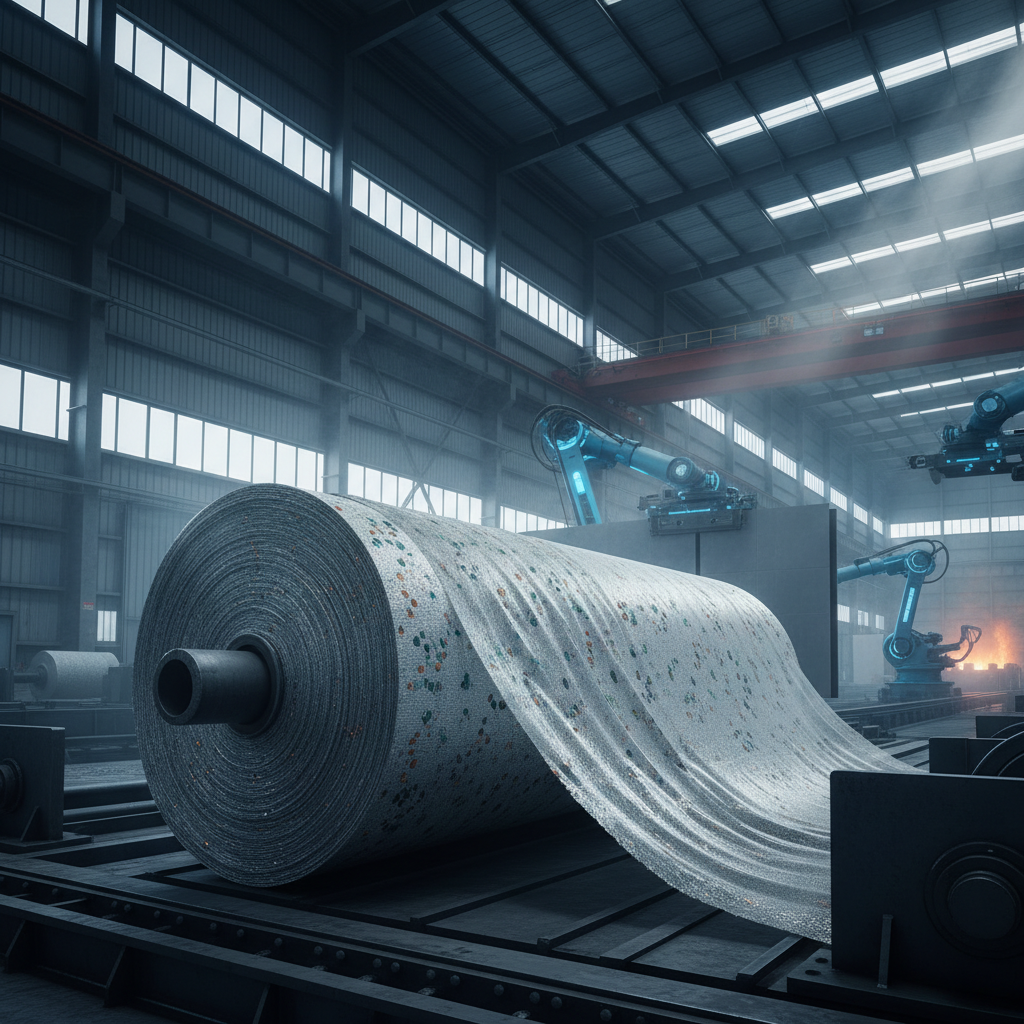
Cooling iron sheets represent a significant advancement in building materials, particularly in addressing the escalating challenges of global heat and the demand for sustainable, energy-efficient construction. Their ability to reflect sunlight and reduce heat absorption makes them crucial in mitigating the urban heat island effect, lowering energy consumption for cooling, and enhancing indoor comfort. The rising global temperatures, coupled with increasing urbanization, drive the need for innovative solutions like cooling iron sheets to create more livable and sustainable environments.
The relevance of cooling iron sheets extends beyond individual buildings. They play a vital role in large-scale infrastructure projects, particularly in regions prone to extreme heat. According to the UN Environment Programme, buildings account for nearly 40% of global energy-related carbon emissions, a significant portion of which is attributable to cooling. Utilizing materials like cooling iron sheets is key to achieving sustainable development goals related to climate action and resilient infrastructure. These sheets offer a practical, cost-effective method for reducing this environmental impact.
Ultimately, understanding and implementing cooling iron sheet technology isn't simply about material science; it's about creating a more comfortable, sustainable, and equitable future. From reducing energy bills for homeowners to contributing to national climate goals, the benefits are far-reaching and critical in a world increasingly facing the effects of climate change.
Introduction: The Importance of Cooling Iron Sheets
Cooling iron sheets are quickly becoming a cornerstone in the pursuit of sustainable building practices. Their capacity to mitigate heat absorption drastically reduces reliance on energy-intensive air conditioning systems, leading to significant cost savings and a smaller carbon footprint. This technology addresses a critical need for resilient infrastructure, particularly in regions experiencing increasingly frequent and severe heatwaves.
The integration of cooling iron sheets into both new constructions and retrofitting projects presents a practical pathway toward achieving broader environmental goals. Their relatively straightforward installation and long-term durability make them an attractive option for a wide range of applications, from residential homes to large-scale industrial facilities.
Defining Cooling Iron Sheets
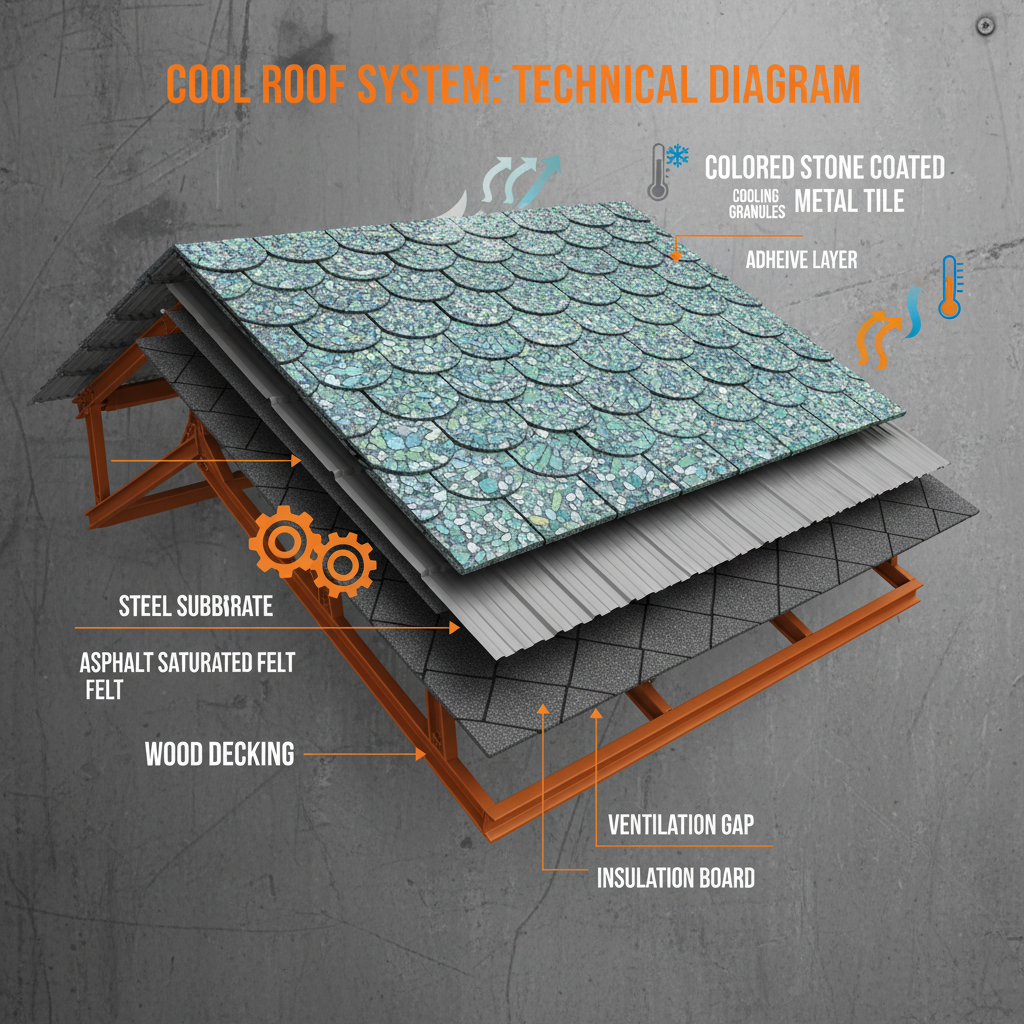
Cooling iron sheets, often referred to as reflective roofing sheets, are specialized building materials designed to minimize heat transfer. Typically constructed from galvanized iron or steel coated with highly reflective materials – often specialized paints or coatings containing ceramic microspheres – these sheets significantly reduce the amount of solar radiation absorbed by a building.
This reflective property is fundamentally different from traditional roofing materials which absorb a significant portion of sunlight, converting it into heat. Cooling iron sheets, in contrast, redirect a large percentage of solar energy back into the atmosphere, keeping the building cooler and lessening the demand for artificial cooling systems.
The application of cooling iron sheets directly addresses the increasing need for energy efficiency in a world grappling with climate change and soaring energy costs. They represent a tangible step towards creating more sustainable and comfortable living and working spaces.
Key Factors of Cooling Iron Sheets
Durability: Cooling iron sheets are inherently robust, inheriting the strength of their base metal (typically galvanized iron or steel). This ensures a long service life, resisting weathering, corrosion, and physical damage. This longevity translates to reduced maintenance costs and less frequent replacements, making them a cost-effective long-term investment.
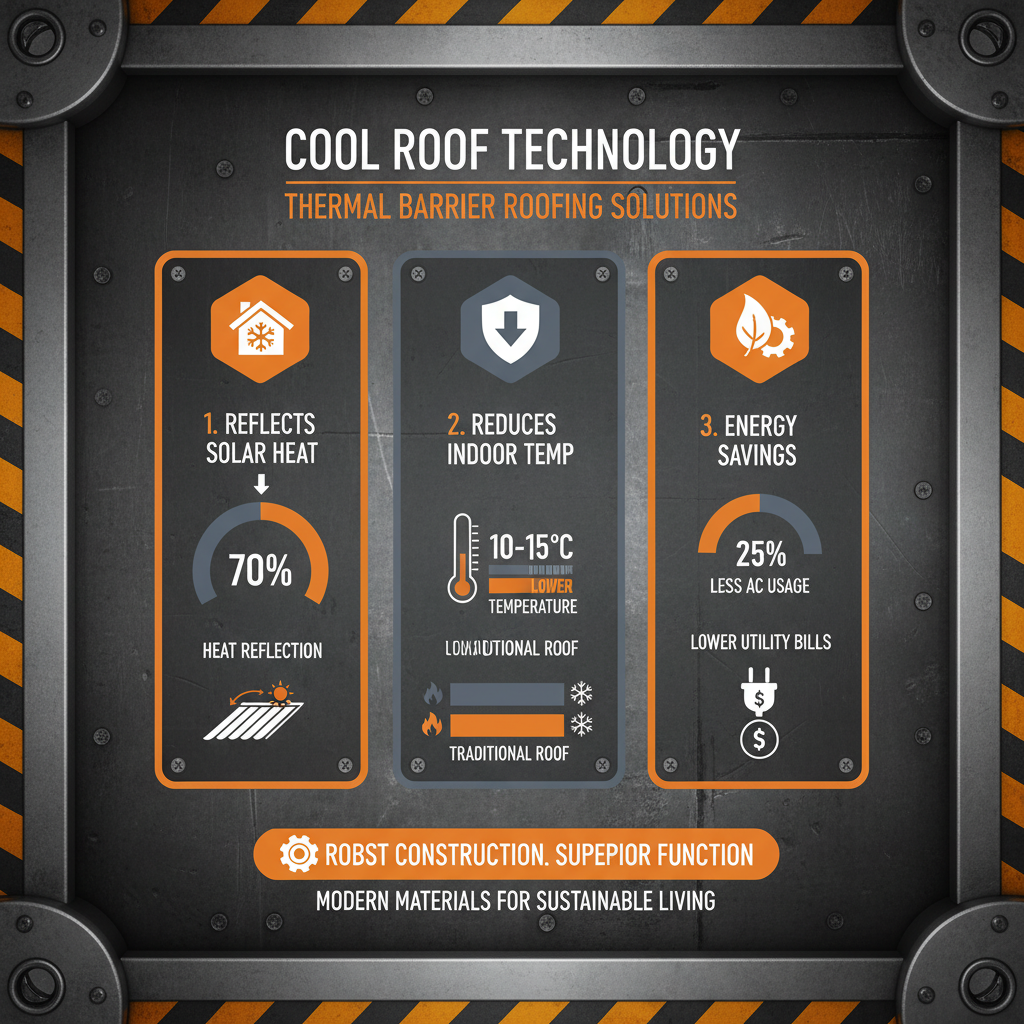
Reflectivity: The key characteristic of cooling iron sheets lies in their high solar reflectance. Specialized coatings with high albedo (reflectivity) are applied, bouncing a significant portion of sunlight away from the building. Higher reflectivity directly correlates to lower heat absorption and, consequently, lower cooling costs.
Cost Efficiency: While the initial investment might be slightly higher than traditional roofing materials, the long-term cost savings from reduced energy consumption and lower maintenance often outweigh the upfront expense. Cooling iron sheets contribute to significant reductions in air conditioning bills, leading to a faster return on investment.
Thermal Emissivity: Beyond reflectivity, thermal emissivity plays a crucial role. High emissivity allows the sheets to effectively radiate absorbed heat away from the building, further contributing to temperature regulation.
Lightweight Nature: Compared to some other roofing materials like concrete tiles, cooling iron sheets are relatively lightweight, simplifying installation and reducing structural load on the building.
Versatility: Cooling iron sheets can be used in a wide range of applications, from residential rooftops to large industrial buildings, offering adaptability to various construction projects.
Global Applications of Cooling Iron Sheets
Cooling iron sheets are gaining traction globally as a practical solution to combat rising temperatures and reduce energy consumption. In Southeast Asia, where climates are consistently hot and humid, they are increasingly used in residential and commercial construction to lower cooling costs and improve indoor comfort. Similarly, in arid regions like the Middle East, they offer a vital tool for mitigating the urban heat island effect and creating more sustainable urban environments.
In post-disaster relief operations, the rapid deployment of shelters utilizing cooling iron sheets can provide immediate relief from extreme heat, enhancing the safety and well-being of displaced populations. Organizations like the Red Cross and UNHCR are exploring the use of these materials in emergency housing solutions.
Furthermore, in remote industrial zones – such as mining operations in Australia or oil refineries in Africa – where access to reliable energy is limited, cooling iron sheets offer a cost-effective and sustainable way to maintain comfortable working conditions and reduce reliance on expensive and environmentally damaging cooling systems. Many factories are now adopting them to lower their operational costs and meet sustainability targets.
Cooling Iron Sheet Performance Comparison
Advantages and Long-Term Value
The benefits of adopting cooling iron sheets are multi-faceted, extending beyond immediate cost savings. From a financial perspective, the reduction in energy consumption translates into lower monthly bills and increased property value. This is particularly impactful for businesses, offering a tangible improvement to their bottom line and enhancing their sustainability profile.
However, the advantages extend far beyond economics. Environmentally, cooling iron sheets contribute to a reduced carbon footprint, aligning with global efforts to combat climate change. Socially, they enhance comfort and safety, creating healthier living and working environments. Furthermore, the durability and low maintenance requirements of these sheets offer peace of mind and reduce long-term burdens for building owners.
Future Trends and Innovations
The future of cooling iron sheets is closely tied to advancements in materials science and green technologies. Research is focused on developing even more reflective and emissive coatings, potentially utilizing nanotechnology to enhance performance. Integrating these sheets with smart building systems – incorporating sensors and automated controls – will allow for dynamic thermal regulation, optimizing energy efficiency based on real-time conditions.
Furthermore, the growing emphasis on circular economy principles is driving innovation in recycling and repurposing cooling iron sheets at the end of their lifespan. Developing sustainable manufacturing processes and reducing the environmental impact of material production are also key areas of focus. The convergence of these trends promises to make cooling iron sheets an even more vital component of sustainable building practices in the years to come.
Challenges and Solutions
Despite their numerous benefits, the widespread adoption of cooling iron sheets faces certain challenges. The initial cost can be a barrier for some consumers, particularly in developing countries. Ensuring consistent quality control across different manufacturers is also crucial to maintain performance standards.
Addressing these challenges requires innovative financing models, such as government incentives and green loans, to make cooling iron sheets more accessible. Establishing rigorous testing and certification standards can guarantee product quality and build consumer trust. Furthermore, educating builders and consumers about the long-term benefits of cooling iron sheets is essential to drive demand and accelerate adoption.
Promoting local manufacturing and providing training programs can also create economic opportunities and foster a skilled workforce capable of installing and maintaining these systems. Collaboration between industry stakeholders, government agencies, and research institutions is key to overcoming these hurdles and unlocking the full potential of cooling iron sheet technology.
Overview of Cooling Iron Sheet Challenges and Solutions
| Challenge |
Impact Level (1-10) |
Potential Solution |
Implementation Cost (1-10) |
| High Initial Cost |
7 |
Government Subsidies & Tax Credits |
6 |
| Quality Control Variations |
6 |
Standardized Testing & Certification |
5 |
| Lack of Awareness |
8 |
Educational Campaigns & Demonstrations |
3 |
| Installation Expertise |
5 |
Training Programs for Installers |
4 |
| Material Sourcing & Sustainability |
6 |
Promote Recycled Materials & Local Production |
7 |
| Long-Term Performance Monitoring |
4 |
Remote Sensing & Data Analysis |
8 |
FAQS
Cooling iron sheets offer significant advantages over traditional roofing materials by reducing heat absorption, thereby lowering indoor temperatures and minimizing the need for air conditioning. This leads to substantial energy savings, reduced carbon emissions, and improved indoor comfort. They also boast excellent durability and a longer lifespan compared to many conventional options, resulting in lower long-term maintenance costs. The reflective properties help mitigate the urban heat island effect, contributing to a cooler overall environment.
Cooling iron sheets typically have a lifespan of 20-50 years, depending on the quality of the materials and environmental conditions. This is generally longer than asphalt shingles (15-30 years) and comparable to metal roofing options like aluminum or steel. The galvanized iron or steel base provides inherent strength and resistance to corrosion, while the protective coatings further enhance durability. Regular maintenance, such as cleaning to remove debris, can help maximize their lifespan and maintain optimal performance.
Yes, cooling iron sheets are generally considered environmentally friendly due to their energy-saving properties and potential for using recycled materials. By reducing reliance on air conditioning, they lower carbon emissions and contribute to a smaller environmental footprint. From a cost-effectiveness standpoint, while the initial investment may be slightly higher, the long-term savings on energy bills and reduced maintenance often result in a lower total cost of ownership. They are also relatively lightweight, which can reduce structural support requirements.
Installation of cooling iron sheets is similar to that of traditional metal roofing. It requires proper fastening to a supporting structure, ensuring adequate overlap between sheets to prevent water penetration. Professional installation is recommended to ensure correct alignment, secure attachment, and proper sealing. Considerations include roof slope, ventilation requirements, and compatibility with existing roof systems. A qualified roofing contractor will assess the specific project requirements and ensure a safe and effective installation.
The energy savings achievable with cooling iron sheets can vary depending on factors such as climate, building insulation, and air conditioning efficiency. However, studies have shown potential reductions in cooling costs ranging from 10% to 25%. In warmer climates with high cooling demands, the savings can be even more significant. The reflective properties minimize heat gain, reducing the load on air conditioning systems and lowering electricity consumption. Regular maintenance, such as cleaning, is important to maintain optimal reflectivity and maximize savings.
Building codes and regulations regarding roofing materials vary by location. It is essential to check with local authorities to ensure compliance with all applicable requirements. Some jurisdictions may offer incentives or rebates for using energy-efficient roofing materials like cooling iron sheets. Factors such as fire resistance, wind uplift resistance, and waterproofing requirements should be carefully considered. Proper documentation and adherence to manufacturer’s specifications are crucial for successful code compliance.
Conclusion
Cooling iron sheets represent a compelling solution to the growing challenges of energy efficiency and climate change. Their ability to reduce heat absorption, lower energy consumption, and enhance indoor comfort makes them a valuable asset in both residential and commercial construction. From cost savings to environmental benefits, the advantages are substantial and contribute to a more sustainable future.
As technology continues to advance, we can anticipate further innovations in cooling iron sheet materials and applications. Continued research, supportive policies, and increased awareness are essential to unlock the full potential of this technology and drive widespread adoption. Visit our website at cooling iron sheets to learn more and explore how cooling iron sheets can benefit your project.