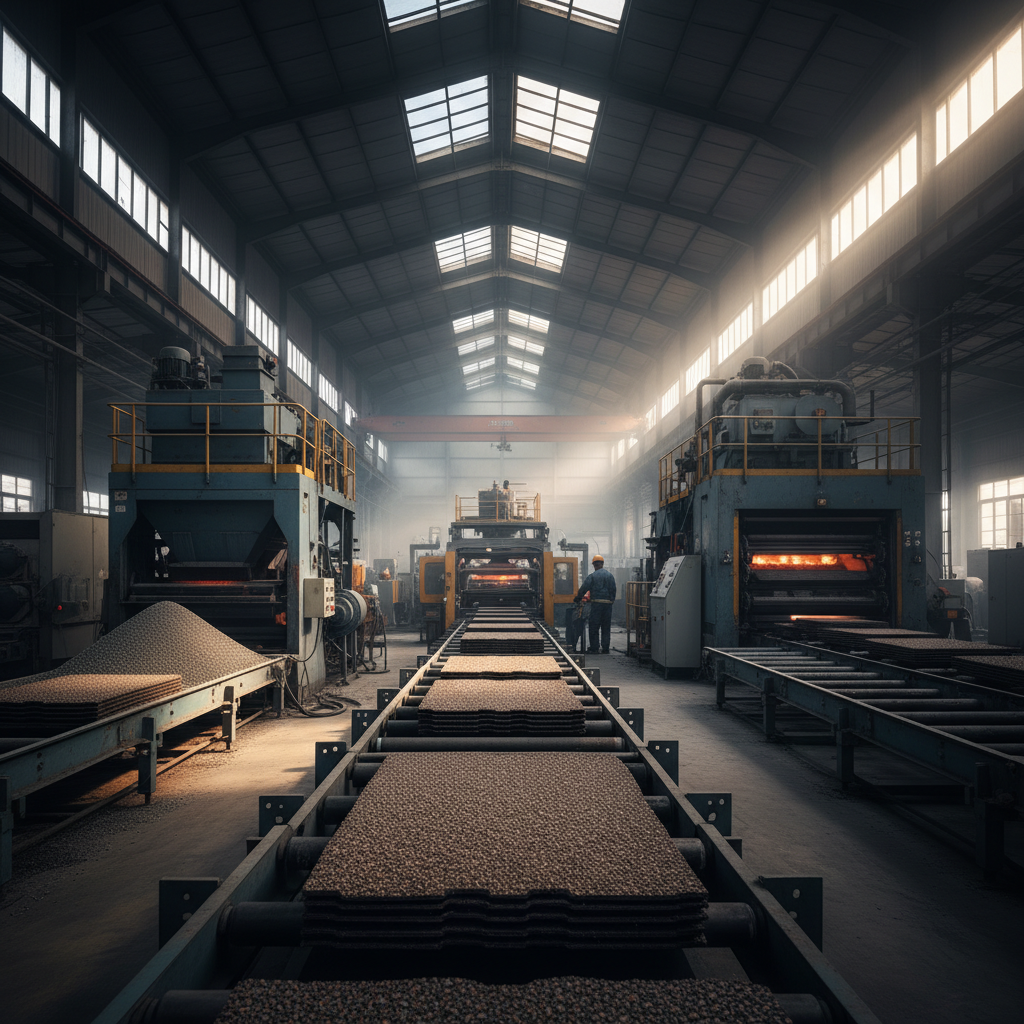
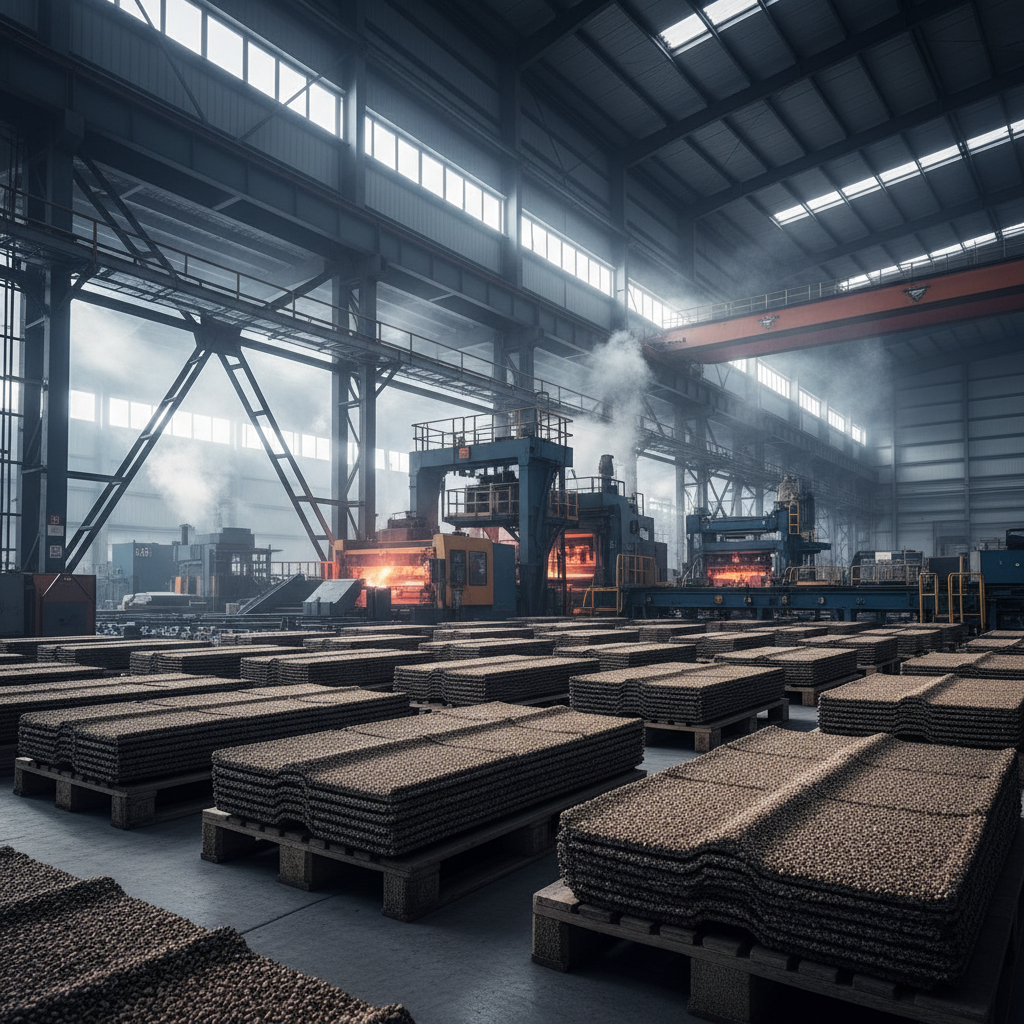
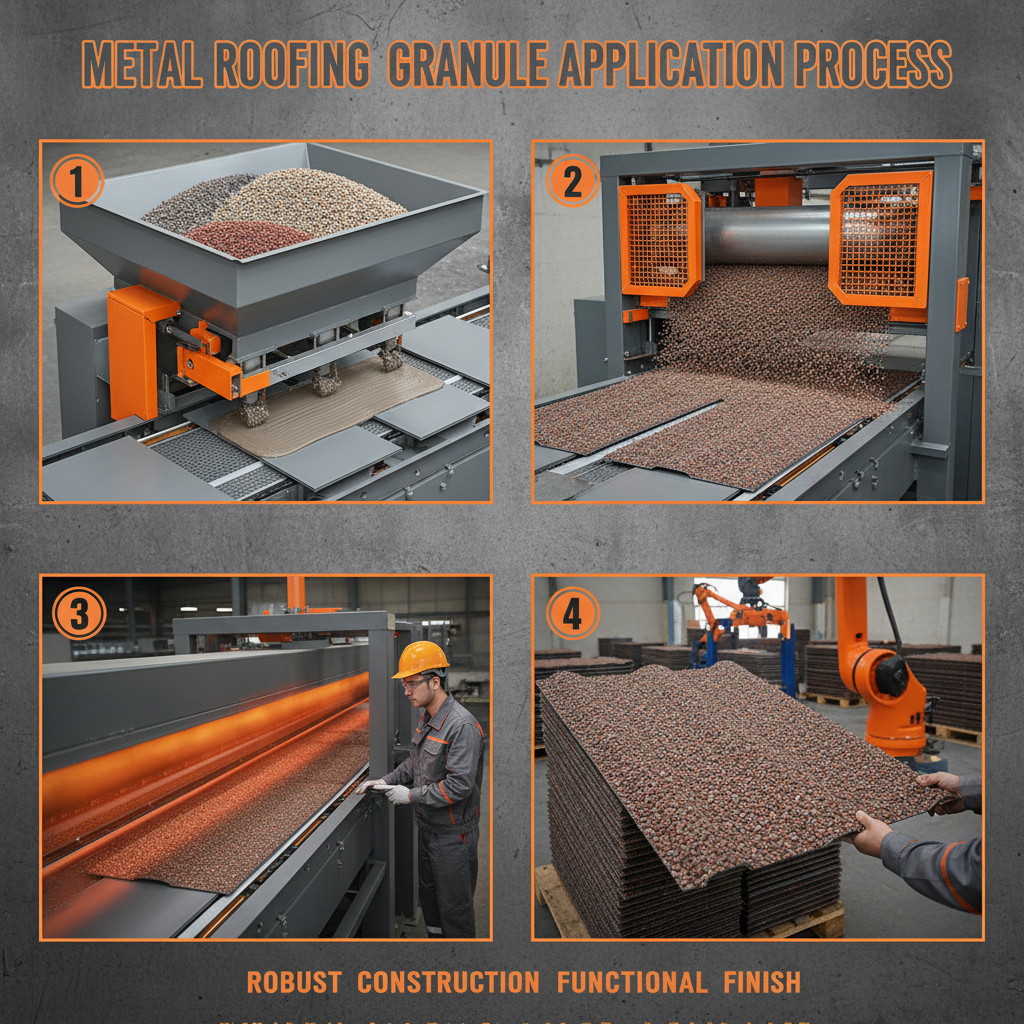
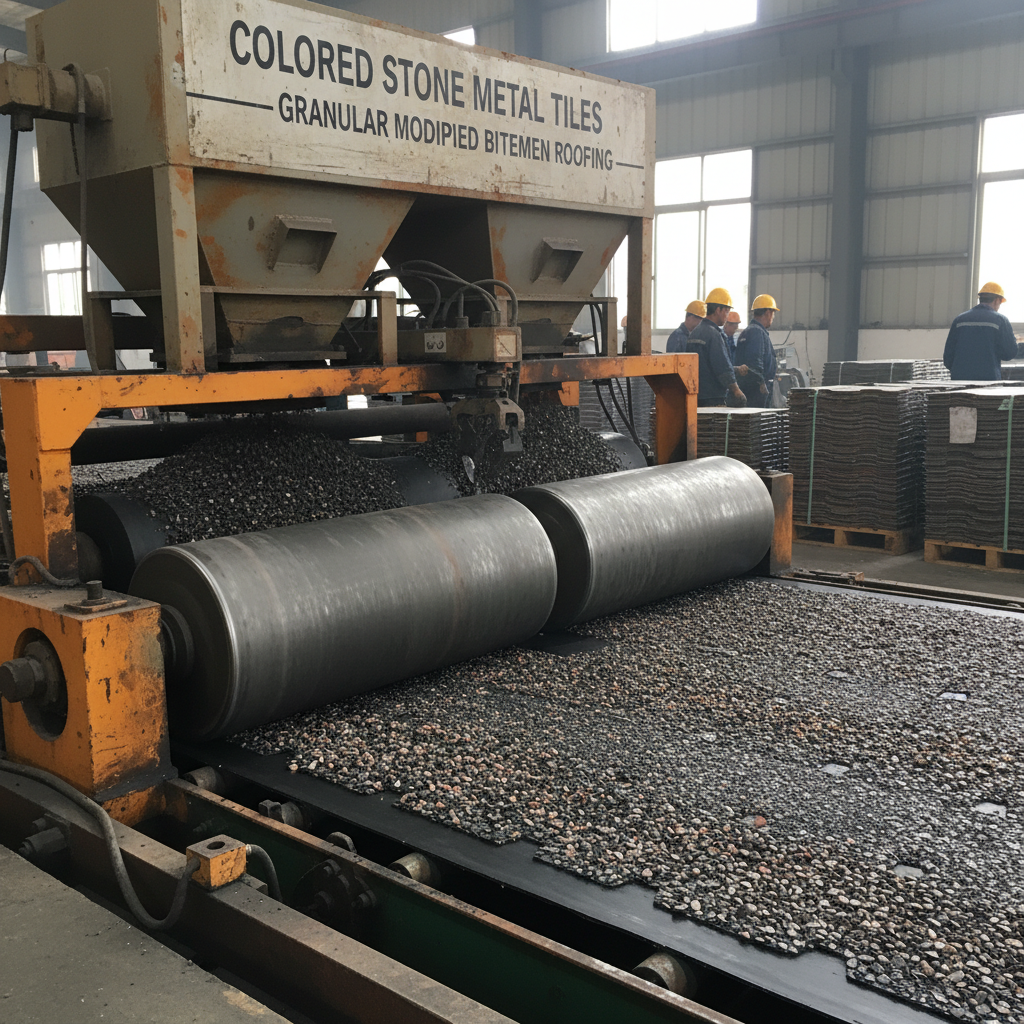
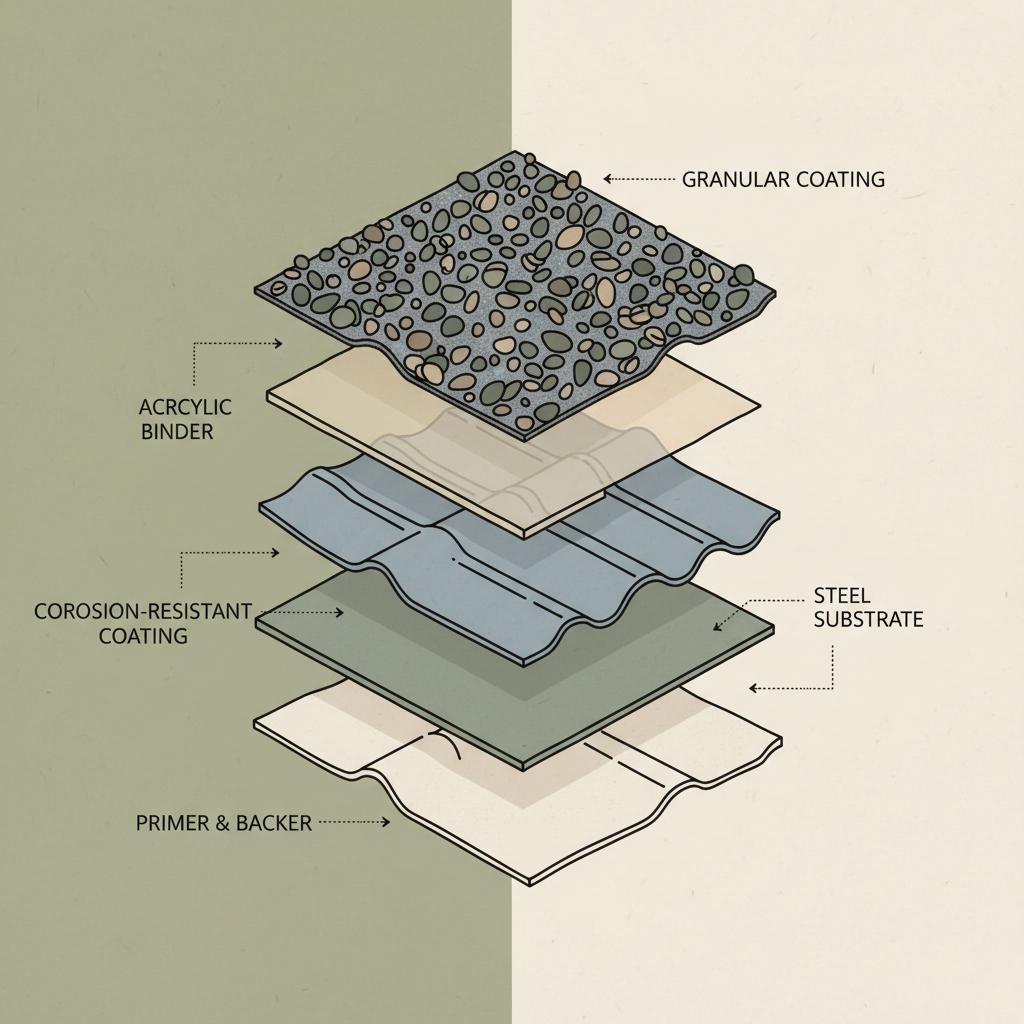
Granular roof tiles represent a significant advancement in roofing technology, offering a compelling blend of durability, cost-effectiveness, and aesthetic versatility. They are increasingly recognized as a sustainable building solution, particularly in regions facing harsh weather conditions or requiring rapid infrastructure development. Understanding the nuances of granular roof tiles is crucial for architects, construction professionals, and policymakers alike, as they present a viable alternative to traditional roofing materials, impacting housing, disaster relief, and overall building sustainability.
The global demand for resilient and affordable housing is steadily increasing, driven by population growth, urbanization, and the escalating impacts of climate change. Granular roof tiles address this demand by providing a robust and adaptable roofing solution suitable for a wide range of applications, from residential buildings to large-scale industrial complexes. The market for these tiles is experiencing expansion, fueled by innovations in material science and manufacturing processes, making them a competitive force in the building materials industry.
The increasing frequency of extreme weather events underscores the importance of building structures capable of withstanding severe conditions. Granular roof tiles, due to their composition and installation methods, provide enhanced protection against wind, rain, and even seismic activity, contributing to increased building safety and longevity. This makes them particularly valuable in disaster-prone areas and regions susceptible to natural calamities.
Introduction to granular roof tiles
Granular roof tiles are composed of a durable base material, typically concrete or clay, coated with a layer of colored granules. These granules not only provide aesthetic appeal, offering a wide range of color options, but also enhance the tile's resistance to weathering and UV degradation. This unique composition contributes to the long-term performance and visual consistency of the roofing system.
Their adaptability makes them suitable for diverse architectural styles and building designs. Whether employed in residential construction, commercial developments, or large-scale infrastructure projects, granular roof tiles offer a versatile and reliable roofing solution that meets evolving building standards and aesthetic preferences. They represent a growing segment within the broader roofing materials market.
Defining Granular Roof Tiles
Granular roof tiles are a type of roofing material characterized by their surface coating of mineral granules. These granules are adhered to a base material, usually concrete or clay, during the manufacturing process. The primary function of the granules is to provide color, aesthetic appeal, and protection against UV radiation, which can cause fading and degradation of the underlying material.
Unlike traditional roofing materials like asphalt shingles, granular roof tiles offer a more durable and long-lasting solution. Their composition provides excellent resistance to cracking, chipping, and weathering, contributing to a longer lifespan and reduced maintenance costs. This durability makes them an appealing choice for homeowners and builders seeking a reliable and sustainable roofing option.
The connection to modern industry and humanitarian needs stems from their ability to provide robust, affordable, and aesthetically pleasing shelter. In post-disaster relief efforts, for example, the durability and ease of installation of granular roof tiles can accelerate the reconstruction process, offering safe and reliable housing for affected communities.
Core Characteristics of Granular Roof Tiles
Granular roof tiles possess several key characteristics that distinguish them from other roofing options. One of the most significant is their exceptional durability. The combination of a strong base material and a protective granular coating creates a roofing system that can withstand harsh weather conditions, including strong winds, heavy rain, and extreme temperature fluctuations.
Another important characteristic is their fire resistance. Concrete and clay, the common base materials for granular roof tiles, are inherently non-combustible, providing a crucial layer of protection against fire hazards. This is particularly important in regions prone to wildfires or where building codes require fire-resistant roofing materials.
Furthermore, granular roof tiles offer excellent thermal performance. The density of the materials helps to regulate indoor temperatures, reducing the need for excessive heating or cooling and lowering energy costs. They also demonstrate good sound insulation properties, minimizing noise transmission from outside.
Global Applications of Granular Roof Tiles
Granular roof tiles are utilized in a wide range of applications globally, spanning residential, commercial, and industrial sectors. In Europe, they are a common sight in historic towns and cities, complementing traditional architectural styles. In North America, they are gaining popularity as a sustainable and durable roofing solution for new construction and renovations.
In regions prone to earthquakes, such as Japan and Chile, the robust nature of granular roof tiles offers a significant safety advantage. Their ability to withstand seismic activity reduces the risk of structural damage and protects occupants. Similarly, in hurricane-prone areas like the Caribbean and the southeastern United States, their high wind resistance provides vital protection against storm damage.
Comparison of Granular Roof Tile Performance Metrics
Advantages and Long-Term Value
The advantages of granular roof tiles extend beyond their immediate performance characteristics. Cost-efficiency is a significant factor, as their durability minimizes the need for frequent repairs or replacements, leading to long-term savings. Their sustainability profile is also a major benefit, as they are often manufactured from readily available and recycled materials, reducing their environmental impact.
From a social impact perspective, granular roof tiles contribute to safer and more resilient communities. Their ability to withstand extreme weather events enhances building safety, providing peace of mind for residents. Their aesthetic versatility adds value to properties, contributing to neighborhood revitalization and economic development.
Future Trends and Innovation
The future of granular roof tiles is intertwined with advancements in material science and sustainable building practices. Research is underway to develop even more durable and lightweight materials for the base tiles, potentially incorporating recycled plastics or bio-based polymers. Nanotechnology is also being explored to enhance the protective properties of the granular coating, further improving resistance to UV degradation and weathering.
Integration with renewable energy systems, such as solar panels, is another key trend. Granular roof tiles can be designed to seamlessly accommodate solar panel installations, creating energy-efficient roofing systems that reduce reliance on fossil fuels. Furthermore, the adoption of digital technologies, such as Building Information Modeling (BIM), will streamline the design and installation process, improving accuracy and efficiency.
Automation in the manufacturing process is also gaining traction, leading to increased production efficiency and reduced costs. This will make granular roof tiles even more accessible and competitive in the global building materials market.
Challenges and Solutions
Despite their numerous advantages, granular roof tiles face certain challenges. One challenge is the initial cost, which can be higher than some traditional roofing materials. However, this cost is often offset by their longer lifespan and reduced maintenance requirements. Another challenge is the weight of the tiles, which may require additional structural support in some cases.
To address these challenges, manufacturers are focusing on developing lighter-weight materials and optimizing installation techniques. Government incentives and subsidies can also help to offset the initial cost, making granular roof tiles more affordable for homeowners and builders. Education and training programs for installers are crucial to ensure proper installation and maximize the performance and longevity of the roofing system.
Further research into improving the sustainability of the manufacturing process, reducing energy consumption and waste generation, is also essential. Embracing circular economy principles, such as recycling and reusing materials, will further enhance the environmental benefits of granular roof tiles.
Summary of Challenges and Solutions Regarding Granular Roof Tiles
| Challenge |
Impact Severity (1-10) |
Potential Solution |
Implementation Cost (USD) |
| High Initial Cost |
7 |
Government Subsidies, Long-Term Cost Analysis |
5,000 - 20,000 |
| Weight of Tiles |
6 |
Lightweight Material Development |
10,000 - 50,000 (R&D) |
| Installation Complexity |
5 |
Enhanced Installer Training Programs |
2,000 - 10,000 |
| Material Sourcing Sustainability |
4 |
Recycled Material Integration |
5,000 - 15,000 (Process Modification) |
| UV Degradation of Granules |
3 |
Nanotechnology Coating Enhancement |
20,000 - 80,000 (R&D) |
| Limited Color Options (Historically) |
2 |
Expanded Granule Pigment Selection |
1,000 - 5,000 |
FAQS
Granular roof tiles typically have a lifespan of 50-100 years, significantly longer than asphalt shingles, which usually last 15-30 years. This extended lifespan is due to the durable materials used in their construction—concrete or clay—and the protective granular coating that resists weathering and UV degradation. While the initial investment may be higher, the reduced need for replacement over time makes granular roof tiles a more cost-effective option in the long run.
Yes, granular roof tiles are highly versatile and suitable for a wide range of climates. Their resistance to extreme temperatures, strong winds, and heavy rainfall makes them an excellent choice for regions with harsh weather conditions. They are also fire-resistant, which is particularly beneficial in areas prone to wildfires. Proper installation is key to ensuring optimal performance in any climate.
Granular roof tiles are generally considered more environmentally friendly than many other roofing materials. They are often made from natural materials like clay and concrete, and can incorporate recycled content. They also have a longer lifespan, reducing the need for frequent replacements and minimizing waste. Furthermore, their thermal properties can help reduce energy consumption, contributing to a lower carbon footprint.
Granular roof tiles are heavier than some other roofing materials, such as asphalt shingles. This increased weight requires careful consideration during the building design phase. The roof structure may need to be reinforced to support the additional load. However, the long-term durability and reduced maintenance of granular roof tiles can often offset the initial cost of structural reinforcement.
Granular roof tiles offer a vast range of color options due to the variety of mineral granules used in their coating. Manufacturers typically offer a wide palette of colors, from traditional earth tones to more modern and vibrant hues. This allows for customization to match various architectural styles and aesthetic preferences. Custom color blends are also often available.
Granular roof tiles require minimal maintenance. Occasional inspections to remove debris, such as leaves and branches, are recommended. Unlike asphalt shingles, granular roof tiles are less susceptible to cracking, chipping, and granule loss, reducing the need for frequent repairs. Periodic cleaning with a gentle detergent can help maintain their appearance.
Conclusion
In conclusion, granular roof tiles represent a compelling solution for modern roofing needs. Their durability, fire resistance, sustainability, and aesthetic versatility make them an ideal choice for a wide range of applications, from residential homes to large-scale commercial projects. The long-term value proposition, coupled with advancements in materials and installation techniques, positions granular roof tiles as a leading roofing material for the future.
Looking ahead, continued innovation in material science and manufacturing processes will further enhance the performance and sustainability of granular roof tiles. Embracing circular economy principles and integrating renewable energy systems will solidify their role as a key component of resilient and environmentally responsible building practices. To learn more about the benefits of granular roof tiles and explore our product offerings, visit our website at www.coolroofmaterials.com.