The global need for effective temperature regulation is escalating due to climate change and increasing urbanization. Terrace cooling sheets represent a crucial innovation in mitigating the urban heat island effect and enhancing building energy efficiency. Understanding the principles behind these sheets – their material science, installation techniques, and long-term performance – is paramount for architects, engineers, and policymakers striving for sustainable infrastructure. The adoption of terrace cooling sheet technology can significantly reduce cooling costs, improve indoor comfort, and contribute to a greener built environment.
The demand for sustainable building materials is rapidly growing, driven by environmental concerns and stricter building codes. Terrace cooling sheet solutions offer a viable path towards achieving these sustainability goals. These sheets are designed to reflect sunlight, reduce heat absorption, and lower surface temperatures, leading to a significant decrease in energy consumption for cooling. This is particularly relevant in regions experiencing extreme heat or rapid population growth, where energy demands are high and resources are limited.
The advantages of terrace cooling sheet extend beyond energy savings and environmental benefits. They also offer enhanced durability, reduced maintenance costs, and improved roof lifespan. With advancements in materials science, new generations of these sheets boast increased reflectivity, UV resistance, and overall performance. This makes terrace cooling sheet a compelling investment for property owners and developers looking to create more resilient and sustainable buildings.
Introduction to Terrace Cooling Sheet
Terrace cooling sheet technology is rapidly gaining prominence as a sustainable solution for combating the urban heat island effect and reducing building energy consumption. These specialized sheets, typically installed on rooftops, are engineered to reflect solar radiation and lower surface temperatures, significantly decreasing the amount of heat absorbed by buildings. This leads to reduced reliance on air conditioning, lower energy bills, and a more comfortable indoor environment.
The global impact of terrace cooling sheet solutions extends beyond individual buildings. By mitigating the urban heat island effect, these sheets contribute to improved air quality, reduced greenhouse gas emissions, and enhanced public health. As cities around the world grapple with the challenges of climate change, terrace cooling sheet technology offers a practical and effective way to create more resilient and sustainable urban centers.
Defining Terrace Cooling Sheet Technology
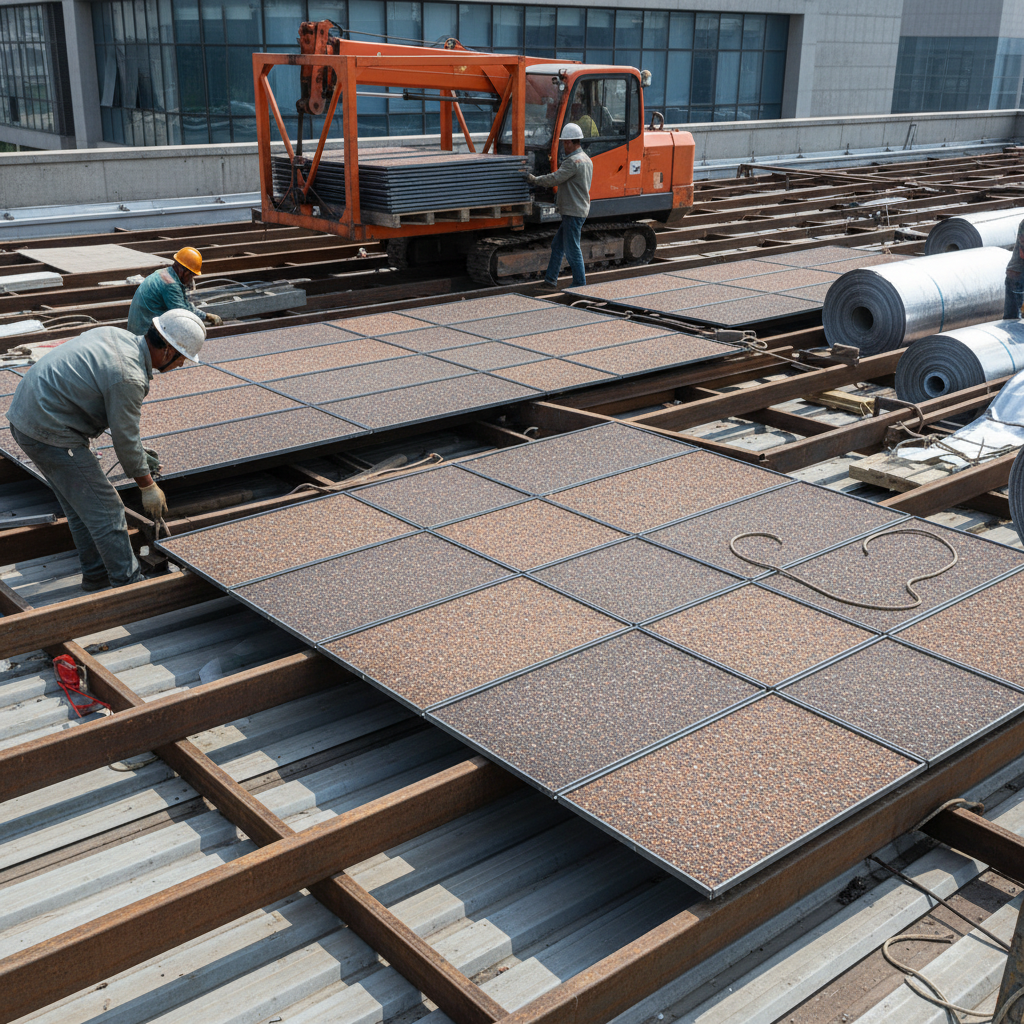
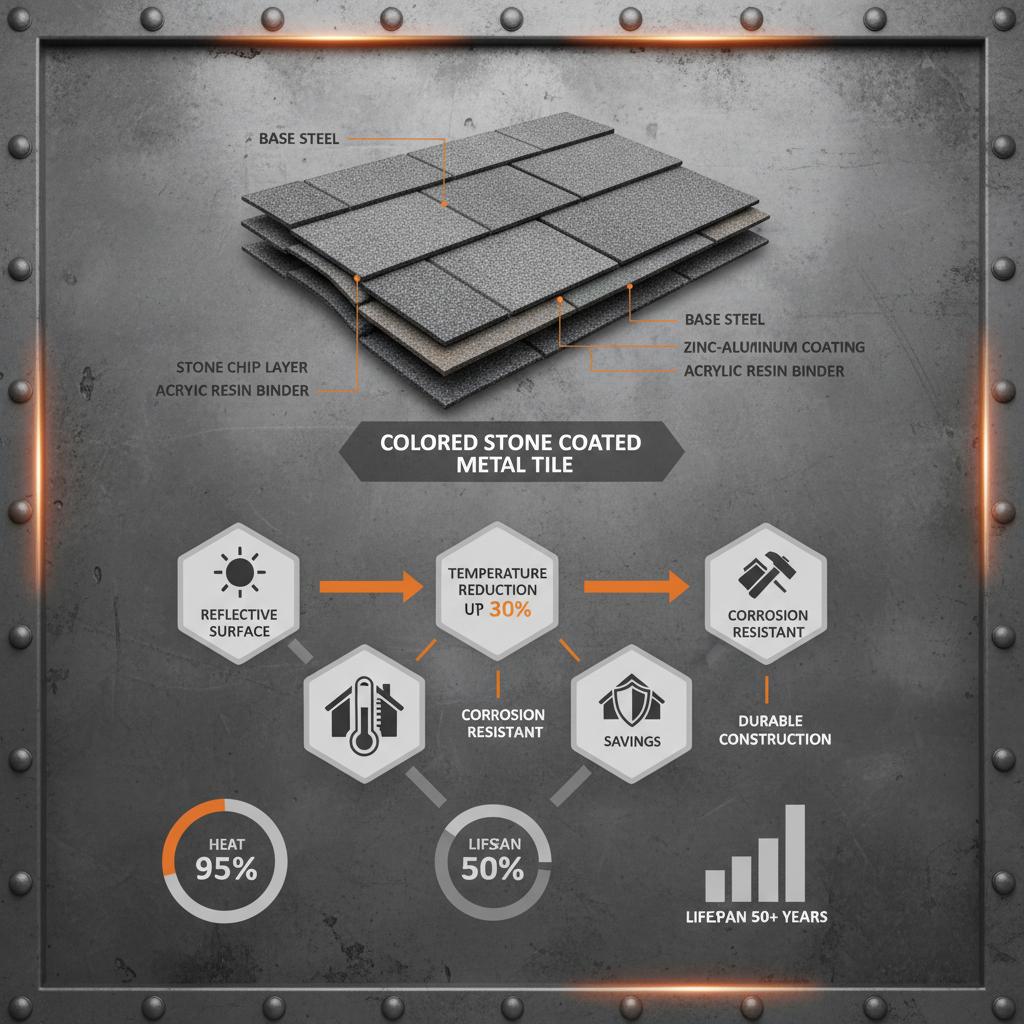
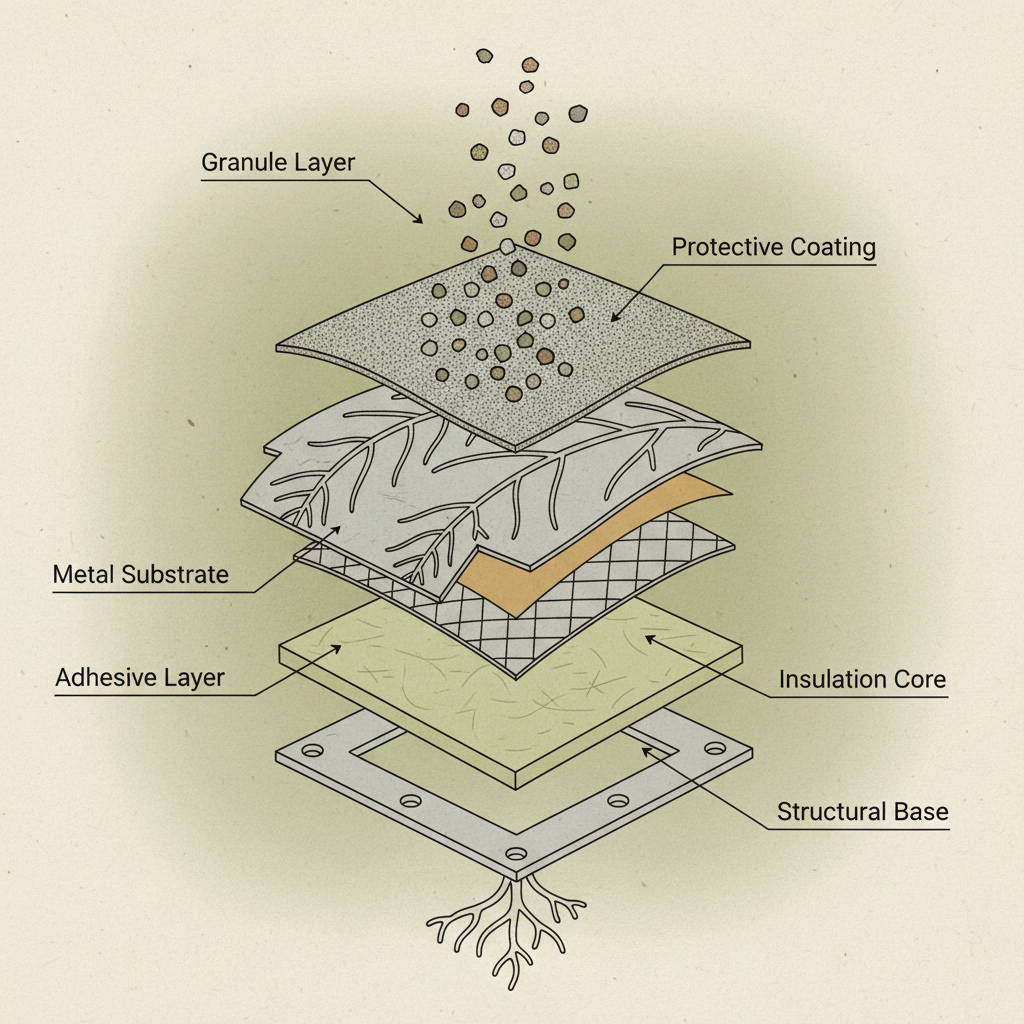
Terrace cooling sheet are specialized roofing materials designed to minimize heat absorption and maximize solar reflectance. Unlike conventional roofing materials that absorb a significant portion of sunlight, terrace cooling sheet reflect a large percentage of solar radiation back into the atmosphere, preventing it from heating the building. They typically consist of highly reflective coatings applied to various substrate materials, such as metal, polymer, or modified bitumen.
The core principle behind terrace cooling sheet lies in their high albedo – a measure of a surface’s reflectivity. A higher albedo indicates a greater ability to reflect sunlight and reduce heat absorption. Modern terrace cooling sheet can achieve albedo values exceeding 80%, significantly reducing rooftop temperatures compared to traditional dark-colored roofing materials. This technology is directly connected to the growing need for sustainable building practices and energy efficiency.
This technology aligns with global efforts to reduce carbon footprints and promote green building standards, as highlighted by organizations like the UN Environment Programme and the World Bank. It addresses the escalating challenge of urban overheating, particularly critical in densely populated areas and regions experiencing increasingly extreme weather events.
Core Components of Effective Terrace Cooling Sheet
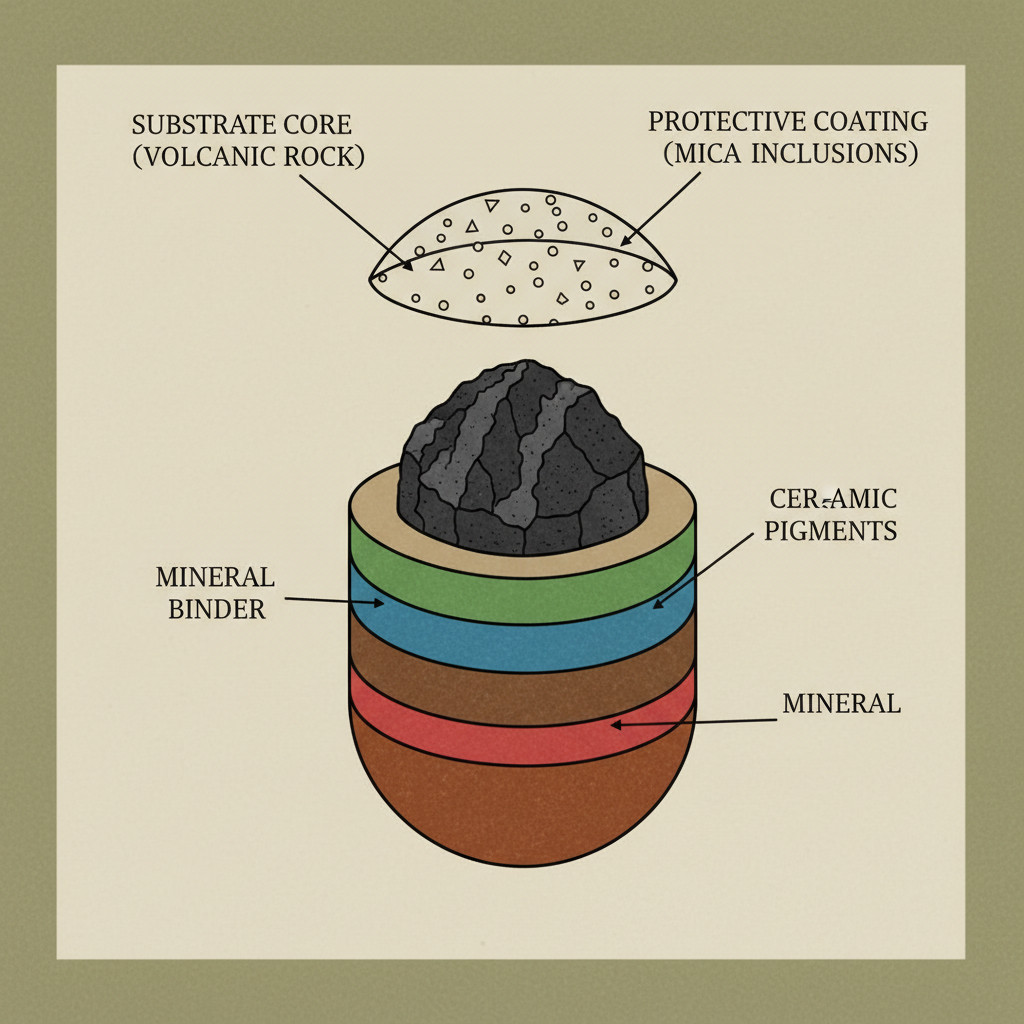
Several key factors contribute to the effectiveness of terrace cooling sheet. Firstly, the material composition is crucial, with specialized coatings designed for high reflectivity and durability. These coatings often incorporate titanium dioxide or other reflective pigments. Secondly, the installation process is vital – proper application ensures uniform coverage and maximizes the reflective properties of the sheet.
Thirdly, the substrate material plays a significant role, influencing the sheet's overall performance and lifespan. Fourthly, the sheet's ability to withstand UV radiation and weathering is essential for long-term effectiveness. Fifth, proper maintenance, including periodic cleaning, helps preserve reflectivity. Finally, the thermal emittance of the sheet, influencing how heat is radiated away, contributes to overall cooling performance.
The scalability of terrace cooling sheet is also a critical component, allowing for adaptation to various roof types and building sizes. Cost-efficiency is another essential factor, influencing its widespread adoption. Finally, the environmental impact of the sheet’s production and disposal must be considered to ensure overall sustainability.
Global Applications and Implementation
Terrace cooling sheet are finding applications across diverse geographical locations and industries. In hot and arid climates, they are used extensively to reduce cooling loads in residential and commercial buildings. In urban areas, they contribute to mitigating the urban heat island effect, improving air quality, and reducing energy consumption. In post-disaster relief operations, lightweight and rapidly deployable terrace cooling sheet provide temporary shelter and cooling for affected populations.
Several countries are actively promoting the adoption of terrace cooling sheet through government incentives and building codes. For example, California in the United States has implemented Cool Roof Ordinance, requiring new and renovated buildings to meet certain reflectivity standards. Similar initiatives are underway in Australia, Japan, and various European countries. In remote industrial zones, where energy access may be limited, terrace cooling sheet offer a cost-effective and sustainable cooling solution.
Organizations like the US Green Building Council and the Leadership in Energy and Environmental Design (LEED) certification program recognize and reward the use of terrace cooling sheet as a sustainable building practice. This drives demand for these materials and promotes their adoption in environmentally conscious construction projects.
Terrace Cooling Sheet Performance Comparison
Advantages and Long-Term Value Proposition
The tangible benefits of terrace cooling sheet are numerous. Significant cost savings are realized through reduced energy consumption for cooling, lowering electricity bills for building owners. Sustainability is enhanced by reducing the carbon footprint and promoting environmentally responsible construction practices. The social impact is positive, as reduced urban heat island effects improve public health and quality of life.
The long-term value proposition of terrace cooling sheet extends beyond these immediate benefits. Increased building lifespan due to reduced thermal stress and UV damage contributes to lower lifecycle costs. The reliability of these sheets ensures consistent performance over time, minimizing maintenance requirements. Furthermore, the adoption of this technology demonstrates a commitment to innovation and responsible environmental stewardship, building trust with stakeholders.
Future Trends and Innovation in Terrace Cooling Sheet
The future of terrace cooling sheet is likely to be shaped by several key trends. Advancements in materials science are leading to the development of even more reflective and durable coatings, incorporating nanotechnology and bio-based materials. Integration with smart building technologies will allow for dynamic control of reflectivity, optimizing cooling performance based on real-time weather conditions. Further advancements will include self-cleaning coatings, reducing maintenance needs.
The convergence of terrace cooling sheet with green energy solutions, such as solar panel integration, will create hybrid systems that generate electricity while simultaneously reducing heat absorption. Digital transformation, through the use of sensors and data analytics, will enable precise monitoring of sheet performance and predictive maintenance. The ongoing focus on sustainability will drive the development of fully recyclable and biodegradable terrace cooling sheet options.
Challenges and Solutions in Terrace Cooling Sheet Deployment
Despite the numerous benefits, the widespread adoption of terrace cooling sheet faces certain challenges. Initial installation costs can be a barrier, particularly for retrofitting existing buildings. Ensuring proper installation and maintaining reflectivity over time requires skilled labor and regular maintenance. Limited awareness and understanding of the technology among building owners and contractors can hinder its uptake.
To overcome these challenges, government incentives and subsidies can help offset initial costs. Training programs for installers can ensure proper application and maintenance. Educational campaigns can raise awareness and promote the benefits of terrace cooling sheet. Ongoing research and development efforts can focus on reducing material costs and improving sheet performance. Innovative financing models, such as energy performance contracts, can make terrace cooling sheet more accessible to building owners.
The need for standardized testing and certification processes for terrace cooling sheet is crucial to ensure quality and performance. Furthermore, developing lifecycle assessment tools can help quantify the environmental benefits and economic savings associated with the technology, fostering greater adoption.
Analysis of Terrace Cooling Sheet Deployment Factors
| Deployment Region |
Installation Cost (USD/sqm) |
Expected Energy Savings (%) |
Maintenance Frequency (Years) |
| North America |
$8 - $15 |
15% - 25% |
3-5 |
| Europe |
$10 - $20 |
10% - 20% |
2-4 |
| Asia-Pacific |
$5 - $12 |
20% - 30% |
1-3 |
| Middle East & Africa |
$7 - $14 |
25% - 35% |
2-4 |
| Latin America |
$6 - $13 |
12% - 22% |
3-5 |
| Australia |
$9 - $16 |
18% - 28% |
1-3 |
FAQS
The lifespan of terrace cooling sheet typically ranges from 10 to 25 years, depending on the material quality, climate conditions, and maintenance practices. High-quality materials with strong UV resistance and proper installation can significantly extend the lifespan. Regular cleaning and inspections are recommended to maintain optimal performance and prevent premature degradation. The longevity represents a strong return on investment.
Properly installed terrace cooling sheet do not negatively affect the structural integrity of a building. These sheets are typically lightweight and designed to distribute weight evenly across the roof surface. However, it's crucial to ensure that the roof structure is capable of supporting the added weight, particularly during installation and in areas with heavy snow loads. Consulting a structural engineer is advisable in such cases.
Building codes and regulations regarding terrace cooling sheet installation vary by region. Many jurisdictions have adopted Cool Roof Ordinances or similar requirements that mandate the use of reflective roofing materials. It’s essential to check local building codes and obtain any necessary permits before commencing installation. Compliance ensures the project meets safety standards and qualifies for potential incentives.
Regular maintenance is crucial for maximizing the performance of terrace cooling sheet. This includes periodic cleaning to remove dirt, debris, and algae growth. Avoid using abrasive cleaners or high-pressure washers, as they can damage the reflective coating. Inspections should be conducted annually to identify and address any issues, such as punctures or loose seams.
Terrace cooling sheet are effective in a wide range of climates. In hot climates, they significantly reduce cooling loads and improve indoor comfort. In colder climates, they can help reduce heat loss during winter by reflecting radiant heat back towards the building. They also perform well in humid climates by minimizing moisture buildup and preventing mold growth.
The environmental impact of terrace cooling sheet depends on the materials used and manufacturing processes. Choosing products made from recycled materials and manufactured using sustainable practices can minimize the carbon footprint. Proper disposal is also important, and some manufacturers offer recycling programs for end-of-life sheets. Look for certifications indicating environmental responsibility.
Conclusion
Terrace cooling sheet represent a powerful and sustainable solution to combatting the urban heat island effect and reducing building energy consumption. Their ability to reflect solar radiation, lower rooftop temperatures, and decrease cooling loads makes them a valuable asset for architects, building owners, and policymakers alike. The long-term benefits – cost savings, environmental responsibility, and enhanced building lifespan – make them a compelling investment for a more sustainable future.
Looking ahead, continued innovation in materials science, integration with smart technologies, and supportive government policies will further accelerate the adoption of terrace cooling sheet. By embracing this technology, we can create more resilient, comfortable, and environmentally friendly urban environments. To learn more about terrace cooling sheet and explore suitable solutions for your needs, visit our website: www.coolroofmaterials.com.