0%

Table of Contents

Granulated roll roofing represents a cost-effective and versatile solution for a wide range of roofing applications, particularly where speed of installation and affordability are paramount. Its composition, typically asphalt saturated felt coated with mineral granules, offers a balance of weather resistance and durability, making it a popular choice for sheds, garages, and outbuildings. Understanding its properties and applications is crucial for both homeowners and building professionals seeking practical and efficient roofing solutions.

The global demand for affordable and accessible building materials is constantly increasing, driven by population growth and the need for rapid infrastructure development. Granulated roll roofing directly addresses this need by offering a lightweight, easily transportable, and relatively simple-to-install roofing system. Organizations like Habitat for Humanity and disaster relief agencies frequently utilize similar materials for emergency shelter construction, highlighting its importance in humanitarian contexts.

Effective roofing systems are critical for protecting buildings and their occupants from the elements, contributing to overall safety and structural integrity. Granulated roll roofing, while often considered a budget option, still provides a vital barrier against rain, snow, and UV radiation. Its widespread use, particularly in regions prone to extreme weather, demonstrates its essential role in protecting property and livelihoods.

Comprehensive Guide to Granulated Roll Roofing Applications and Performance

Introduction to Granulated Roll Roofing

Comprehensive Guide to Granulated Roll Roofing Applications and Performance

Granulated roll roofing is often the first choice for structures where budget constraints are significant, yet a weather-resistant roof is still required. Its ease of application, particularly on low-slope roofs, minimizes labor costs and project timelines.

The material’s composition, featuring a base of asphalt-saturated felt and a protective layer of mineral granules, provides a crucial defense against the elements. This combination offers a degree of waterproofing, UV protection, and fire resistance, making it a reliable roofing solution in many climates.

Defining Granulated Roll Roofing

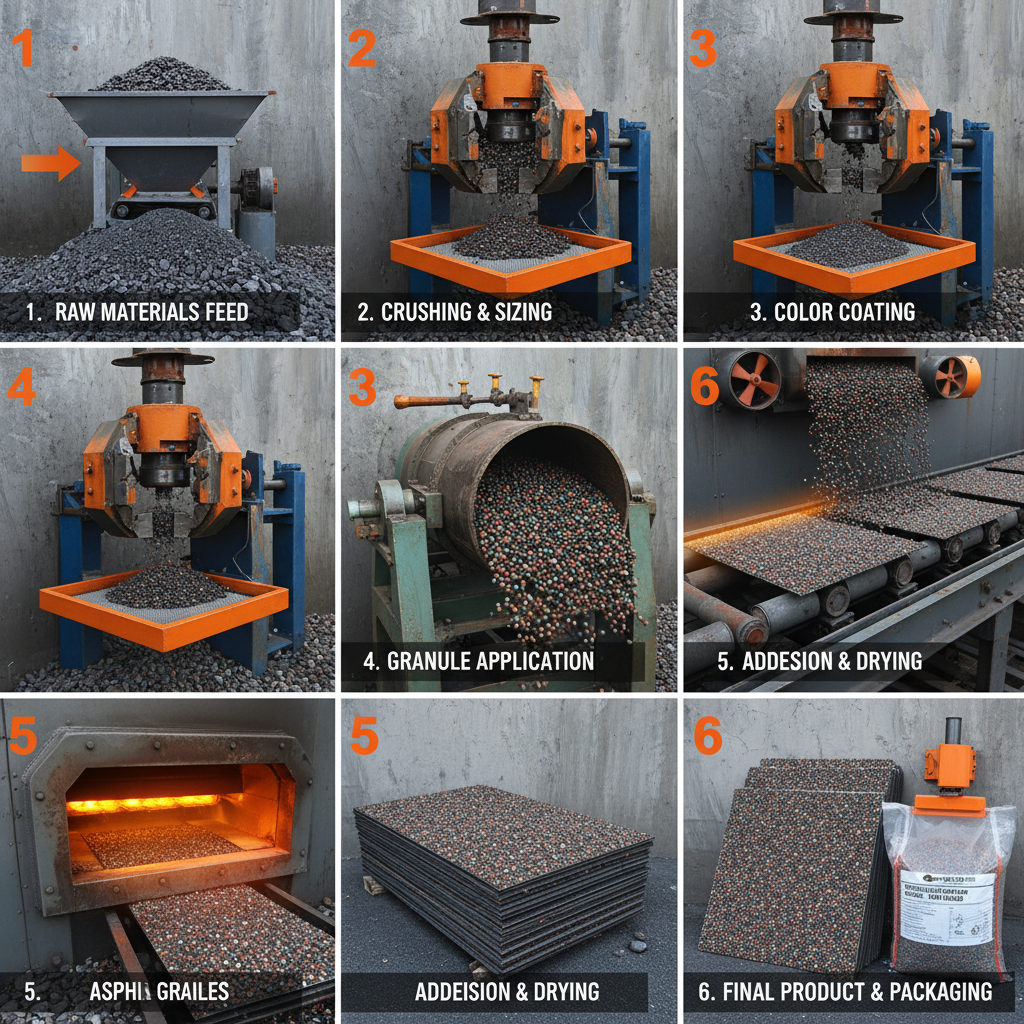
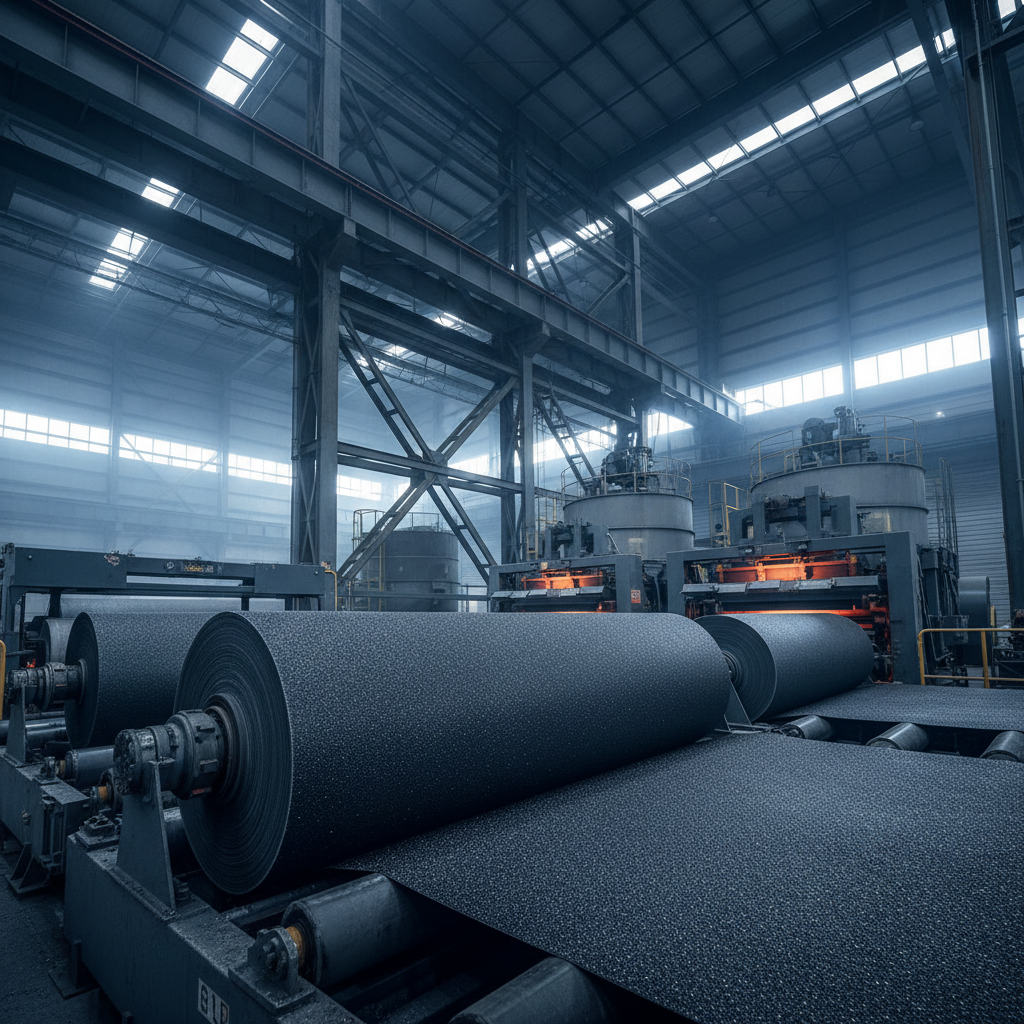
Granulated roll roofing is a prefabricated roofing material consisting of a continuous sheet of asphalt-saturated felt, coated on one side with asphalt and covered with mineral granules. These granules serve a dual purpose: protecting the asphalt from UV degradation and providing a decorative, textured surface. It’s typically supplied in rolls of varying widths and lengths, making it easy to cut and install.

Unlike individual shingles, granulated roll roofing offers a seamless surface, reducing the risk of water penetration at overlapping joints. This makes it particularly well-suited for low-slope or flat roofs where traditional shingle systems might be less effective.

Its connection to modern industry lies in its efficient manufacturing process and ease of transport. It’s a prime example of a mass-produced building material designed to meet the needs of a rapidly urbanizing world.

Core Components and Characteristics

The foundational element of granulated roll roofing is the felt base, typically made from organic materials like cellulose or recycled paper fibers. This felt is saturated with asphalt, providing waterproofing and flexibility. The quality of the asphalt significantly impacts the overall durability and longevity of the roofing material.

The mineral granules are a critical component. They protect the asphalt layer from the damaging effects of ultraviolet (UV) radiation, which can cause cracking and deterioration over time. The granules also contribute to the roof’s fire resistance and provide a visually appealing finish. Different granule colors are available, offering aesthetic options.

Other key characteristics include its weight (relatively lightweight compared to other roofing options), its roll format (facilitating easy handling and installation), and its inherent flexibility, which allows it to conform to roof contours.

Key Factors Influencing Performance

Durability is significantly impacted by the quality of the asphalt and the thickness of the felt base. Higher-quality materials resist cracking, tearing, and water absorption more effectively.

Weather resistance depends heavily on the granule coating and its adherence to the asphalt. Properly bonded granules prevent UV damage and offer protection from rain, snow, and hail.

Performance Factors for Granulated Roll Roofing


Global Applications and Use Cases

Granulated roll roofing is extensively used on outbuildings like sheds, garages, and workshops in residential settings worldwide. Its affordability and ease of installation make it a popular choice for DIY projects.

In post-disaster relief operations, materials similar to granulated roll roofing are often deployed for constructing temporary shelters. Their lightweight nature and rapid installation capabilities are invaluable in emergency situations. In remote industrial zones or agricultural settings, granulated roll roofing provides a cost-effective solution for covering large structures like barns or warehouses.

Advantages and Long-Term Value

The most significant advantage of granulated roll roofing is its cost-effectiveness. It's considerably cheaper than many other roofing materials, making it accessible to a wider range of homeowners and builders. The material's lightweight nature reduces structural requirements, potentially lowering construction costs further.

Its relatively simple installation process translates to reduced labor costs and faster project completion times. While its lifespan may be shorter than that of more expensive materials, proper installation and occasional maintenance can extend its service life considerably.

Future Trends and Innovations

Research is focusing on developing more sustainable asphalt alternatives, utilizing bio-based materials to reduce the environmental impact of granulated roll roofing. Improvements in granule technology are aimed at enhancing UV resistance and fire retardancy.

Digital tools and automated installation techniques are emerging, promising to streamline the installation process and improve accuracy. The integration of smart sensors into roofing materials is also being explored, enabling real-time monitoring of roof conditions and early detection of potential problems.

The drive for increased energy efficiency may lead to the development of granulated roll roofing with improved reflective properties, reducing heat absorption and lowering cooling costs for buildings.

FAQS

What is the typical lifespan of granulated roll roofing?

The lifespan of granulated roll roofing generally ranges from 5 to 15 years, depending on the quality of the materials, the climate, and the level of maintenance. Exposure to harsh weather conditions, such as intense sunlight or prolonged periods of standing water, can shorten its lifespan. Regular inspections and prompt repairs of any damage can help to maximize its longevity. The asphalt quality greatly affects this number.

Is granulated roll roofing suitable for all roof slopes?

Granulated roll roofing is best suited for low-slope or flat roofs. While it can be used on slightly pitched roofs, it’s not recommended for steep slopes, as the material may be prone to sliding or detachment. A proper underlayment is crucial for ensuring a watertight seal, especially on roofs with minimal slope.

How do I properly install granulated roll roofing?

Proper installation involves ensuring a clean, dry substrate, applying an appropriate underlayment, and carefully overlapping the roofing rolls according to the manufacturer's instructions. Proper sealing of seams and edges is critical to prevent water intrusion. It's often recommended to use roofing nails or adhesives designed for asphalt-based materials.

What maintenance is required for granulated roll roofing?

Regular inspections are crucial to identify any signs of damage, such as cracks, blisters, or loose granules. Promptly repair any damaged areas to prevent water infiltration. Removing debris, such as leaves and branches, can also help to extend the roof’s lifespan. Periodic cleaning can remove algae or moss growth.

Is granulated roll roofing fire resistant?

Granulated roll roofing offers a degree of fire resistance due to the mineral granules that cover the asphalt. However, it’s not completely fireproof. The level of fire resistance depends on the specific formulation of the material and local building codes. It's essential to check local regulations regarding fire safety requirements.

Is granulated roll roofing an environmentally friendly option?

Traditional granulated roll roofing utilizes asphalt, a petroleum-based product. However, ongoing research explores bio-based asphalt alternatives to reduce its environmental impact. Additionally, some manufacturers use recycled materials in their products. Proper disposal of old roofing material is essential to minimize landfill waste.

Conclusion

Granulated roll roofing continues to be a valuable and widely utilized roofing solution, offering a compelling combination of affordability, ease of installation, and adequate weather protection. Its versatility makes it suitable for a range of applications, from residential outbuildings to emergency shelters. Understanding its strengths and limitations is key to making informed decisions regarding its suitability for specific projects.

As materials science advances, we can expect to see further improvements in the sustainability and performance of granulated roll roofing. Embracing these innovations and prioritizing proper installation and maintenance will ensure that this cost-effective roofing option remains a reliable choice for years to come.

Kevin Rodriguez

Kevin Rodriguez

Kevin Rodriguez is the Content and Communications Specialist for Hebei Chida. He is responsible for creating compelling content – including blog posts, articles, and case studies – that showcases the benefits of HlREFLE cool roof materials. With a background in journalism and a keen interest in sustainability, Kevin ensures that
Previous Exploring the Durability and Applications of Granulated Roofing Systems
Next Exploring the Applications and Benefits of Granulated Rolled Roofing Materials
Copyright © 2026 Hebei Chida Manufacture and Trade Co., Ltd. All Rights Reserved. Sitemap | Privacy Policy | Top Blog | Global Service