Granulated roofing represents a significant advancement in roofing technology, offering a durable, cost-effective, and aesthetically pleasing solution for a wide range of applications. Its composition, typically involving a base material coated with mineral granules, provides both protection against the elements and a variety of color and style options. Understanding the intricacies of granulated roofing is crucial for architects, builders, homeowners, and anyone involved in the construction and maintenance of buildings.
Globally, the demand for durable and affordable roofing solutions is consistently high, particularly in regions prone to harsh weather conditions or experiencing rapid urbanization. Granulated roofing addresses this need by offering a robust alternative to traditional materials like slate, tile, or wood shakes. Its relatively lightweight nature also simplifies installation and reduces structural load requirements. The widespread adoption of granulated roofing demonstrates its practical benefits.
At its core, granulated roofing is designed to withstand the tests of time and nature. The mineral granules not only enhance its aesthetic appeal but also reflect sunlight, contributing to energy efficiency. The manufacturing process has evolved, leading to improved resistance to cracking, fading, and impact damage. This makes it an ideal choice for both residential and commercial properties worldwide.
The Core Principles of Granulated Roofing
Granulated roofing’s effectiveness hinges on the synergy between its core components: the base material, typically fiberglass or organic felt, and the protective layer of mineral granules. The base provides strength and stability, while the granules shield against UV radiation, impact, and fire. This combination extends the lifespan of the roof and reduces maintenance costs.
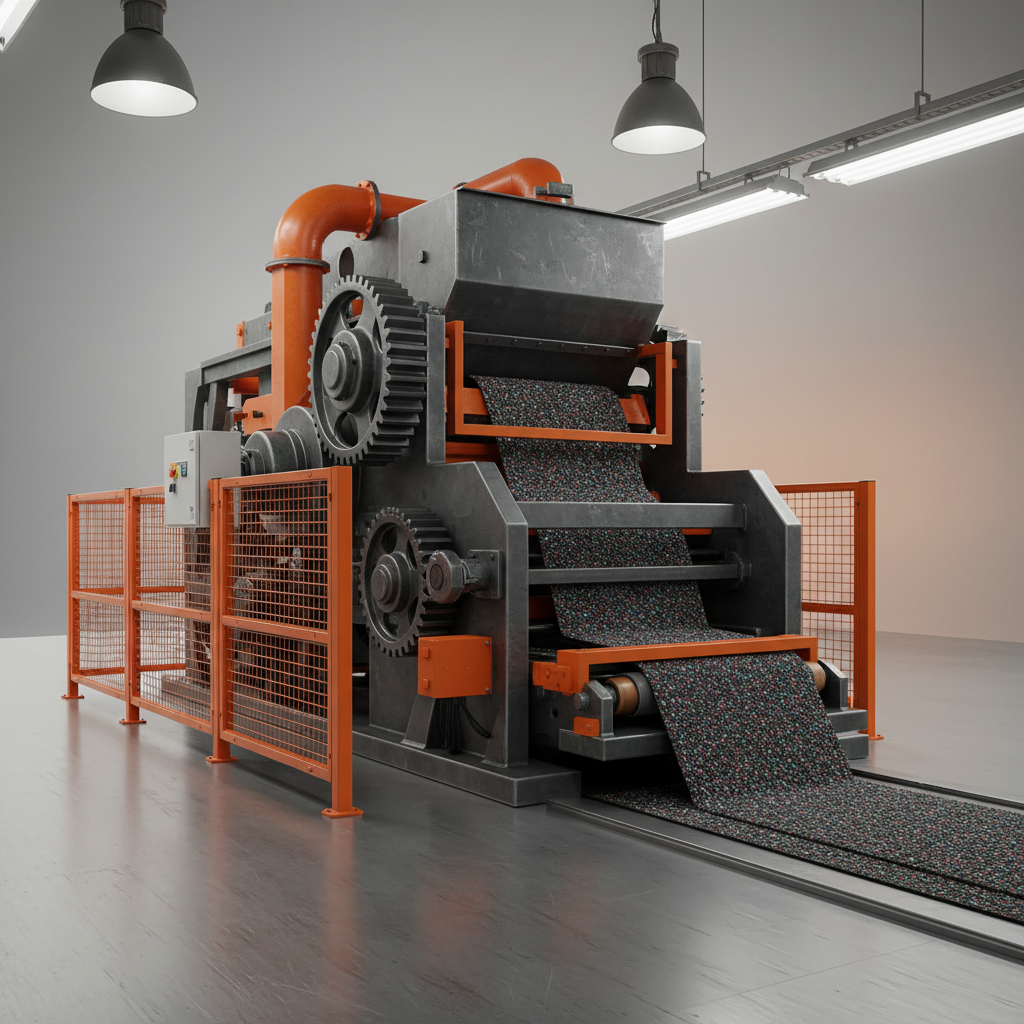
The manufacturing process is carefully controlled to ensure consistent quality and performance. Variations in granule size, color, and composition allow for customization, making granulated roofing a versatile option for diverse architectural styles and climate conditions.
Global Market Trends for Granulated Roofing
The global market for roofing materials is experiencing steady growth, driven by factors such as increasing construction activity, infrastructure development, and a growing demand for energy-efficient buildings. Granulated roofing has carved out a significant share of this market due to its competitive pricing and reliable performance. Asia-Pacific currently represents the largest market, with substantial growth expected in developing economies.
According to recent reports, the demand for sustainable building materials is influencing consumer preferences, further boosting the popularity of granulated roofing. Manufacturers are responding by developing eco-friendly formulations and incorporating recycled materials into their products. The increasing adoption of green building standards and certifications is also playing a role.
Statistics from organizations like the UN and World Bank demonstrate a clear correlation between urbanization and the need for resilient and affordable housing solutions. Granulated roofing offers a practical and scalable option for meeting this demand, particularly in regions prone to natural disasters.
Defining Granulated Roofing: A Comprehensive Overview
Granulated roofing, also known as asphalt shingles, is a composite roofing material comprised of a base layer (typically felt or fiberglass mat) saturated with asphalt and then coated with colored mineral granules. These granules provide protection from UV radiation, impact damage, and fire, while also adding aesthetic appeal. It’s a common and widely used roofing solution globally.
Its connection to modern industry is rooted in the development of asphalt production and the subsequent need for a durable, cost-effective roofing material. Initially a relatively simple product, granulated roofing has undergone significant innovation, leading to improved performance characteristics and a wider range of design options. It directly addresses the needs of rapid urbanization and affordable housing initiatives.
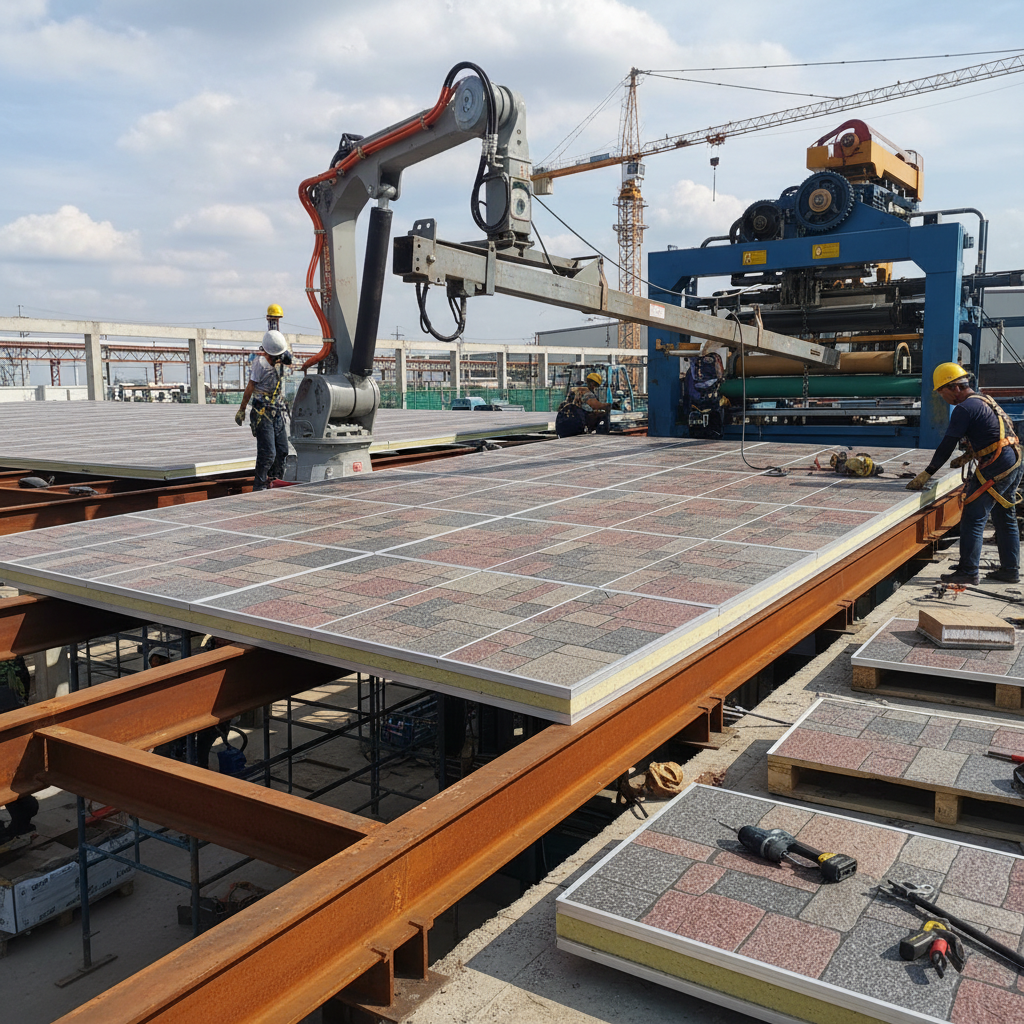
The use of granulated roofing extends beyond residential applications, finding utility in commercial buildings, industrial facilities, and even emergency shelters. Its versatility and ease of installation make it a preferred choice for a broad spectrum of projects.
Key Characteristics of Granulated Roofing
Durability is a cornerstone of granulated roofing. The asphalt and mineral granule combination provides excellent resistance to weathering, UV degradation, and impact damage, resulting in a roof that can withstand harsh environmental conditions for decades.
Scalability represents another key benefit. Granulated roofing can be easily adapted to various roof shapes, sizes, and complexities, making it suitable for both small residential projects and large-scale commercial developments. The modular nature of shingles simplifies installation and allows for quick repairs.
Granulated Roofing Performance Metrics
Real-World Applications of Granulated Roofing
In post-disaster relief operations, granulated roofing has proven to be a valuable resource for providing temporary and semi-permanent shelter. Its relatively lightweight nature and ease of installation allow for rapid deployment in affected areas, offering immediate protection from the elements.
In remote industrial zones, where access to traditional roofing materials may be limited, granulated roofing offers a practical and cost-effective solution. Its durability and low maintenance requirements make it ideal for applications such as warehouses, workshops, and storage facilities.
Advantages and Long-Term Value of Granulated Roofing
The cost-effectiveness of granulated roofing is a significant advantage, particularly for large-scale projects. Compared to other roofing materials, it offers a competitive price point without compromising on quality or durability. This makes it an accessible option for a wider range of budgets.
Sustainability is increasingly a key consideration, and granulated roofing is responding to this demand. Manufacturers are incorporating recycled materials into their products and developing more environmentally friendly formulations. This reduces the environmental footprint of roofing projects and contributes to a more sustainable construction industry.
Future Innovations in Granulated Roofing Technology
Research and development efforts are focused on enhancing the performance and sustainability of granulated roofing. New formulations are being explored to improve fire resistance, impact resistance, and UV protection. The integration of nanotechnology could lead to even more durable and energy-efficient roofing materials.
The rise of smart roofing systems is also influencing the future of granulated roofing. Sensors embedded in the roofing material can monitor temperature, moisture levels, and structural integrity, providing valuable data for maintenance and repairs. This predictive maintenance approach can extend the lifespan of the roof and reduce overall costs.
Green energy initiatives, such as solar-reflective granules, are gaining traction. These granules help reduce heat absorption, lowering cooling costs and minimizing the urban heat island effect. This aligns with broader efforts to promote energy efficiency and reduce carbon emissions.
Analysis of Granulated Roofing Material Performance
| Material Composition |
Lifespan (Years) |
Cost per Square Foot |
Sustainability Rating (1-10) |
| Fiberglass-Based |
25-30 |
$3.50 |
6 |
| Organic Felt-Based |
20-25 |
$3.00 |
5 |
| Architectural Shingles |
30-50 |
$4.50 |
7 |
| Premium Designer Shingles |
40-60 |
$6.00 |
8 |
| Algae-Resistant Granules |
25-35 |
$3.75 |
6.5 |
| Solar-Reflective Granules |
20-30 |
$4.00 |
7.5 |
FAQS
The lifespan of granulated roofing varies depending on the quality of the materials used, the climate, and proper installation. However, most granulated roofing systems are designed to last between 20 and 50 years. Architectural shingles generally have a longer lifespan than standard three-tab shingles. Regular inspections and maintenance can help extend the roof's life.
Granulated roofing is considered fire-resistant, meaning it can slow the spread of fire. The mineral granules help protect the asphalt base from ignition. Most granulated roofing products are Class A fire-rated, the highest level of fire protection available for roofing materials. However, it's important to note that no roofing material is completely fireproof.
Granulated roofing is designed to perform well in a wide range of climates. It can withstand high winds, heavy rain, and extreme temperatures. In colder climates, the shingles are flexible enough to prevent cracking during freeze-thaw cycles. In warmer climates, the granules reflect sunlight, helping to reduce cooling costs. Specific granule compositions can enhance performance in certain climates.
Granulated roofing requires minimal maintenance. Regular inspections should be conducted to identify any damaged or missing shingles. It's also important to keep the roof clean of debris, such as leaves and branches, which can trap moisture and promote the growth of algae. Occasional moss or algae removal may be necessary.
The environmental impact of granulated roofing is increasingly being addressed. Manufacturers are incorporating recycled materials into their products and developing more sustainable formulations. Some shingles are designed to be recyclable at the end of their lifespan. Additionally, solar-reflective granules can help reduce energy consumption, contributing to a lower carbon footprint.
Granulated roofing is generally one of the most cost-effective roofing materials available. Its installation is relatively quick and easy, which can also lower labor costs. While materials like slate or tile offer longer lifespans, they come with a significantly higher price tag. Considering the balance between cost, durability, and performance, granulated roofing represents a good value for many homeowners and businesses.
Conclusion
In conclusion, granulated roofing stands as a testament to innovation in building materials. Its combination of durability, affordability, and versatility has solidified its position as a leading choice for both residential and commercial applications worldwide. From withstanding harsh weather conditions to contributing to energy efficiency, the benefits are multifaceted and substantial. Understanding these advantages is crucial for making informed decisions regarding roofing investments.
Looking ahead, continued advancements in materials science and manufacturing processes promise even more sustainable and high-performing granulated roofing solutions. Embracing these innovations will be essential for meeting the evolving needs of the construction industry and ensuring the long-term integrity and resilience of our built environment. Visit our website at www.coolroofmaterials.com to learn more about our range of granulated roofing products and services.