

Apr . 16, 2026 02:15 Back to list
Elevating Modern Design with High Quality Flat Mosaic Tiles
Elevating Modern Design with Flat Mosaic Tiles: A Complete Guide
When it comes to interior and exterior surface design, the choice of material can redefine the entire atmosphere of a space. flat mosaic tiles offer a sophisticated blend of artistic versatility and structural durability, making them a preferred choice for architects and homeowners alike. Unlike traditional large-format tiles, these small-scale elements allow for intricate patterns and seamless transitions across curved or flat surfaces. In this comprehensive guide, we will explore the unique advantages, installation insights, and design applications of these stunning materials to help you make an informed decision for your next project.
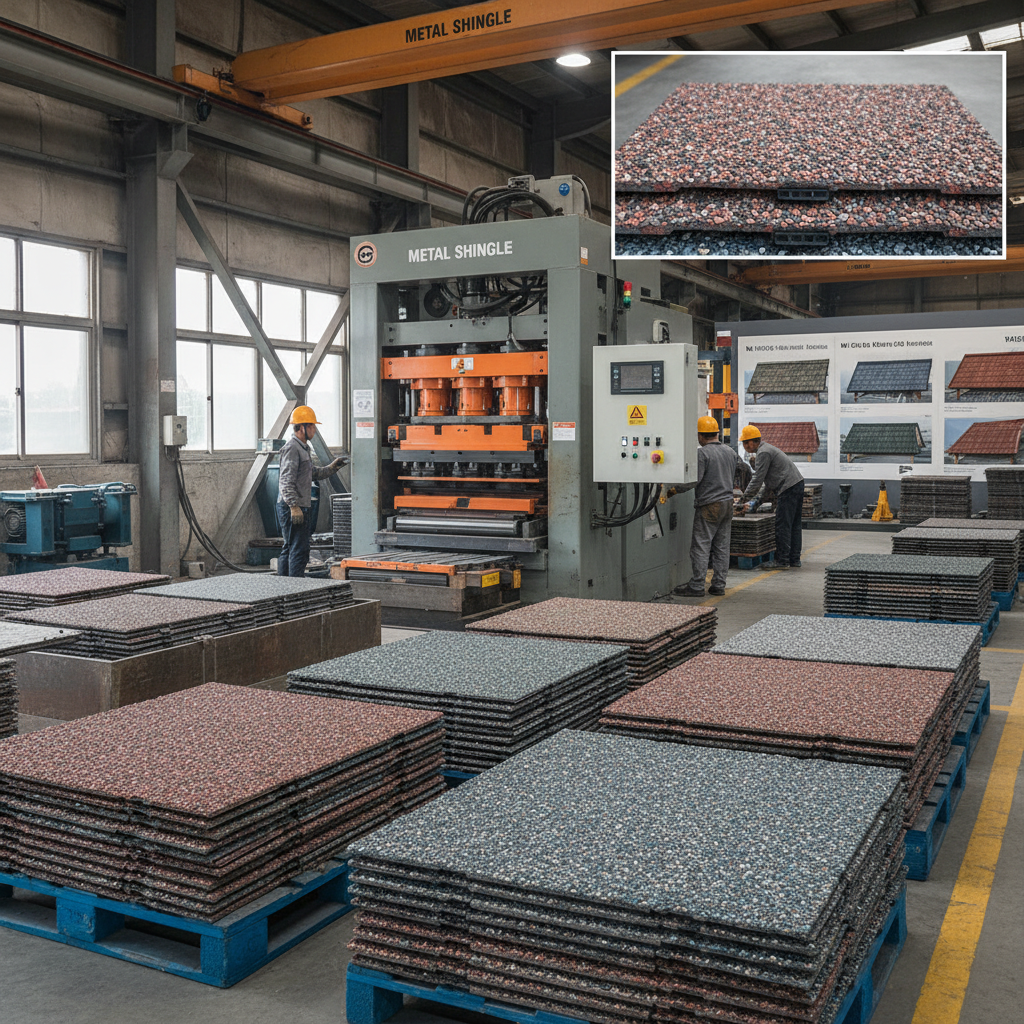
Why Choose Flat Mosaic Tiles for Your Project?
The primary appeal of flat mosaic tiles lies in their exceptional flexibility. Because they are typically mounted on mesh sheets, they are significantly easier to install than individual small tiles. Durability is another key factor; high-quality mosaics are often crafted from glass, ceramic, or natural stone, ensuring they withstand high-traffic areas and moisture. Additionally, the numerous grout lines provide a natural slip-resistant quality, making them ideal for bathroom floors and swimming pool surrounds. By integrating these tiles, you combine a timeless aesthetic with modern performance standards.
Key Highlights: Easy installation via mesh backing, superior slip resistance due to frequent grout joints, and high compatibility with various substrates including concrete and waterproof membranes.
Comparing Materials: Flat Mosaic Tiles vs. Standard Tiles
Selecting the right tile depends on the specific requirements of the area. While standard large tiles offer a clean, minimalist look with fewer grout lines, flat mosaic tiles excel in areas where detail and grip are paramount. The smaller format allows them to conform to curved walls or undulating surfaces without the need for complex cutting. Furthermore, the visual texture created by mosaics can hide imperfections in the subfloor more effectively than large-format slabs. Below is a detailed comparison to help you visualize the difference.
Design Applications for Flat Mosaic Tiles
The application range for flat mosaic tiles is nearly limitless. In residential settings, they are frequently used for kitchen backsplashes to add a pop of color or a sophisticated shimmer. In bathrooms, they create luxury walk-in showers and accent walls that mimic high-end spa environments. Beyond interiors, these tiles are widely used in commercial swimming pools and water features due to their water-resistant properties and ability to create vibrant, undulating patterns underwater. Whether you are aiming for a mid-century modern look or a contemporary minimalist vibe, the variety of shapes and colors available makes them a versatile tool for any designer.
Technical Specifications of Premium Mosaic Tiles
When sourcing flat mosaic tiles, it is essential to consider technical parameters to ensure longevity. Factors such as the water absorption rate and the PEI (Porcelain Enamel Institute) rating determine where the tile can be installed. For instance, glass mosaics are virtually non-porous, making them perfect for wet areas, while stone mosaics offer a more organic, earthy feel but may require sealing. Understanding these specifications ensures that the beauty of the installation is matched by its performance.
Installation and Maintenance Tips
To get the most out of your flat mosaic tiles, proper installation is non-negotiable. Start with a perfectly level substrate to avoid "lippage" (where some tiles stick out more than others). Use a high-quality thin-set mortar and a small notched trowel to ensure full coverage behind the mesh. Grouting is where the magic happens; choosing a contrasting grout color can make the tile pattern pop, while a matching color creates a seamless, monochromatic look. For maintenance, a gentle wipe with a pH-neutral cleaner is usually sufficient to keep the surfaces shimmering without damaging the grout.
Sustainability and the Future of Mosaic Surfaces
As the construction industry moves toward greener practices, the production of flat mosaic tiles has also evolved. Many manufacturers are now utilizing recycled glass and sustainably sourced stone to reduce the environmental footprint. These eco-friendly options do not compromise on aesthetics; in fact, they often provide unique textures and colors that are impossible to replicate with virgin materials. By choosing sustainable mosaics, designers can create luxurious spaces that align with global environmental goals, ensuring that beauty and responsibility go hand in hand.
Conclusion: Transforming Spaces with Artistic Precision
Incorporating flat mosaic tiles into your design project is more than just a flooring or walling choice; it is an investment in artistry and durability. From their ability to gracefully handle curved surfaces to their inherent slip-resistance and immense variety, these tiles provide a solution for almost any architectural challenge. By prioritizing quality materials and professional installation, you can ensure a stunning finish that stands the test of time. Elevate your next project with the timeless charm and modern versatility of high-quality mosaics.
Frequently Asked Questions (FAQs)
Are flat mosaic tiles difficult to install?
Not necessarily. While laying individual small tiles would be incredibly time-consuming, most flat mosaic tiles come pre-mounted on mesh backing sheets. This allows you to install larger sections at once, ensuring the spacing between tiles remains consistent. However, precision is key during the layout phase, and ensuring the substrate is flat will prevent uneven surfaces. For large-scale or complex patterns, hiring a professional installer is recommended to ensure a seamless finish.
Can these tiles be used outdoors?
Yes, but it depends on the material. Glass and porcelain mosaics are excellent for outdoor use because they have very low water absorption and are resistant to freeze-thaw cycles. Natural stone mosaics can also be used outdoors, provided they are properly sealed to prevent moisture penetration and staining. It is always important to check the "frost-proof" rating of the tile if you are installing them in regions with harsh winters to prevent cracking over time.
How do I choose the right grout color for my mosaics?
Grout color can either blend in or highlight the tiles. For a seamless, modern look, choose a grout color that closely matches the primary tone of your flat mosaic tiles. If you want to emphasize the individual shapes and create a geometric pattern, a contrasting color (like light grey grout with dark blue tiles) works best. Always test a small sample area to see how the grout looks when dry, as it often changes shade during the curing process.
How do I clean and maintain mosaic surfaces?
Maintenance is relatively simple. For daily cleaning, use a soft mop or cloth with warm water and a mild, pH-neutral detergent. Avoid using abrasive scrubbers or harsh acidic cleaners (like bleach or ammonia), as these can erode the grout lines and dull the finish of the tiles. For natural stone mosaics, we recommend applying a penetrating sealer once a year to keep the surface protected from stains and moisture. Regular cleaning prevents grime buildup in the grout joints, keeping your space looking fresh.
Latest news
-
Flat Liner Tile Guide for Roof Durability and Modern Aesthetics
NewsApr.09,2026
-
Exploring the Benefits of Durable Flat Interlocking Tiles for Modern Roofing Systems
NewsApr.07,2026
-
Choosing the Best Flat Interlocking Roof Tiles for Modern Homes
NewsApr.04,2026
-
Exploring the Versatility and Benefits of Flat Grey Tile for Modern Designs
NewsMar.31,2026
-
Comprehensive Guide to Choosing the Best Flat Grey Roof Tiles for Your Project
NewsMar.28,2026
Copyright © 2026 Hebei Chida Manufacture and Trade Co., Ltd. All Rights Reserved. Sitemap | Privacy Policy | Top Blog | Global Service