
Apr . 04, 2026 02:25 Back to list
Choosing the Best Flat Interlocking Roof Tiles for Modern Homes
Choosing the Right Flat Interlocking Roof Tiles for Your Project
Selecting the ideal roofing material is crucial for protecting your property and enhancing its aesthetic appeal. Flat interlocking roof tiles offer a sleek, modern look combined with excellent durability and weather resistance. This article will explore the benefits, installation considerations, and different types of flat interlocking roof tiles available, guiding you through the process of making the best choice for your construction or renovation project. At Cool Roof Materials, we specialize in providing high-quality roofing solutions tailored to your needs.
Understanding Flat Interlocking Roof Tiles
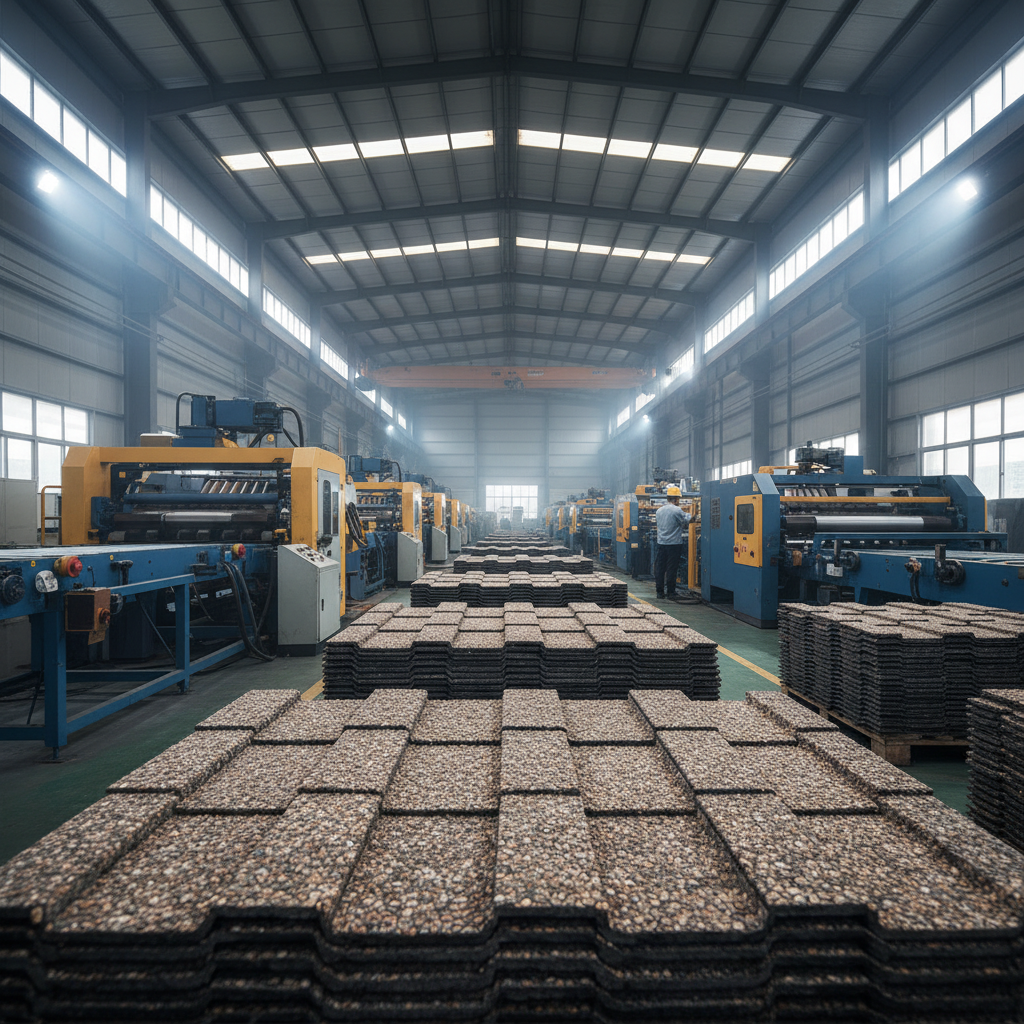
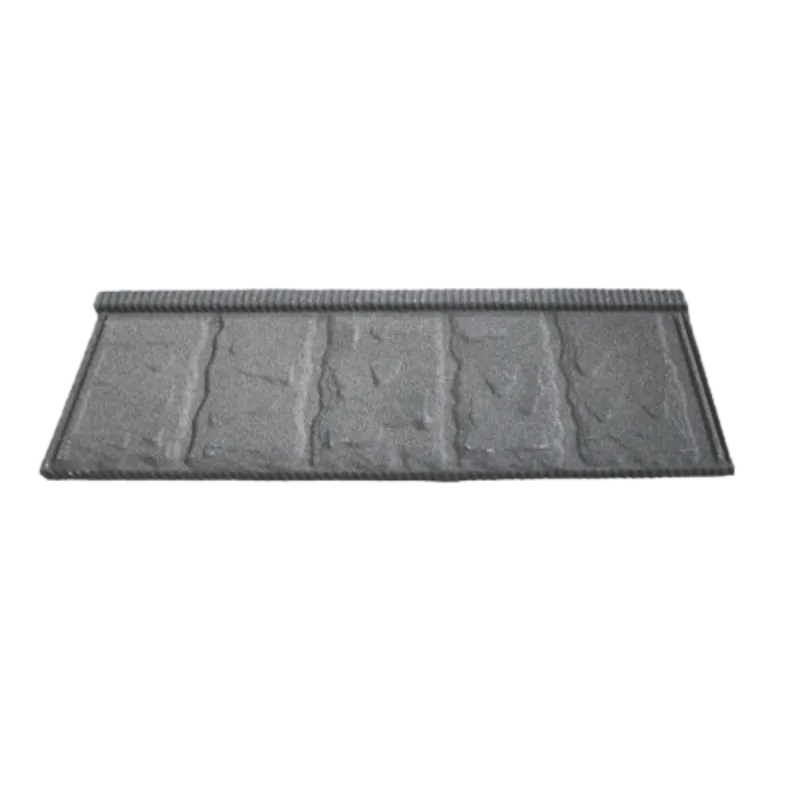
Unlike traditional roof tiles with prominent overlapping profiles, flat interlocking roof tiles feature a low profile and interlocking edges. This design creates a seamless, contemporary aesthetic and enhances the roof's resistance to wind uplift. The interlocking mechanism ensures a secure fit, minimizing the risk of water penetration. These tiles are often made from materials like concrete, clay, or polymer, each offering unique advantages in terms of weight, durability, and cost. They are particularly well-suited for modern architectural styles and low-slope roofs.
Key Advantages: Enhanced wind resistance, sleek aesthetic, minimized water penetration, and compatibility with modern designs.
Materials Used in Flat Interlocking Roof Tiles
The choice of material significantly impacts the performance and lifespan of your roof. Concrete tiles are known for their strength and affordability, offering excellent fire resistance. Clay tiles are a more traditional option, prized for their natural beauty and longevity, but they tend to be heavier and more expensive. Polymer tiles, a newer alternative, are lightweight, durable, and often incorporate recycled materials, making them an eco-friendly choice. Each material requires specific installation techniques and maintenance practices. Cool Roof Materials offers a diverse selection to meet your budget and aesthetic preferences.
Material Comparison:
• Concrete: Strong, affordable, fire-resistant.
• Clay: Beautiful, long-lasting, heavier.
• Polymer: Lightweight, durable, eco-friendly.
Installation Considerations for Flat Interlocking Roof Tiles
Proper installation is critical for ensuring the long-term performance of your roofing system. It’s highly recommended to hire a qualified roofing contractor experienced in working with flat interlocking roof tiles. Key considerations include roof pitch, underlayment selection, and adherence to manufacturer's instructions. The interlocking mechanism requires precise alignment to prevent water leakage. Additionally, adequate ventilation is essential to prevent moisture buildup and prolong the lifespan of the roof.
Comparing Flat Interlocking Roof Tiles with Other Roofing Options
When considering roofing materials, it’s important to compare flat interlocking roof tiles with alternatives like asphalt shingles, metal roofing, and traditional tile. Asphalt shingles are typically the most affordable option but have a shorter lifespan and lower aesthetic appeal. Metal roofing offers excellent durability and energy efficiency but can be expensive. Traditional tiles are visually appealing but heavy and prone to breakage. Flat interlocking roof tiles strike a balance between cost, durability, and aesthetics, making them a compelling choice for many homeowners and builders.
Maintaining Your Flat Interlocking Roof Tiles
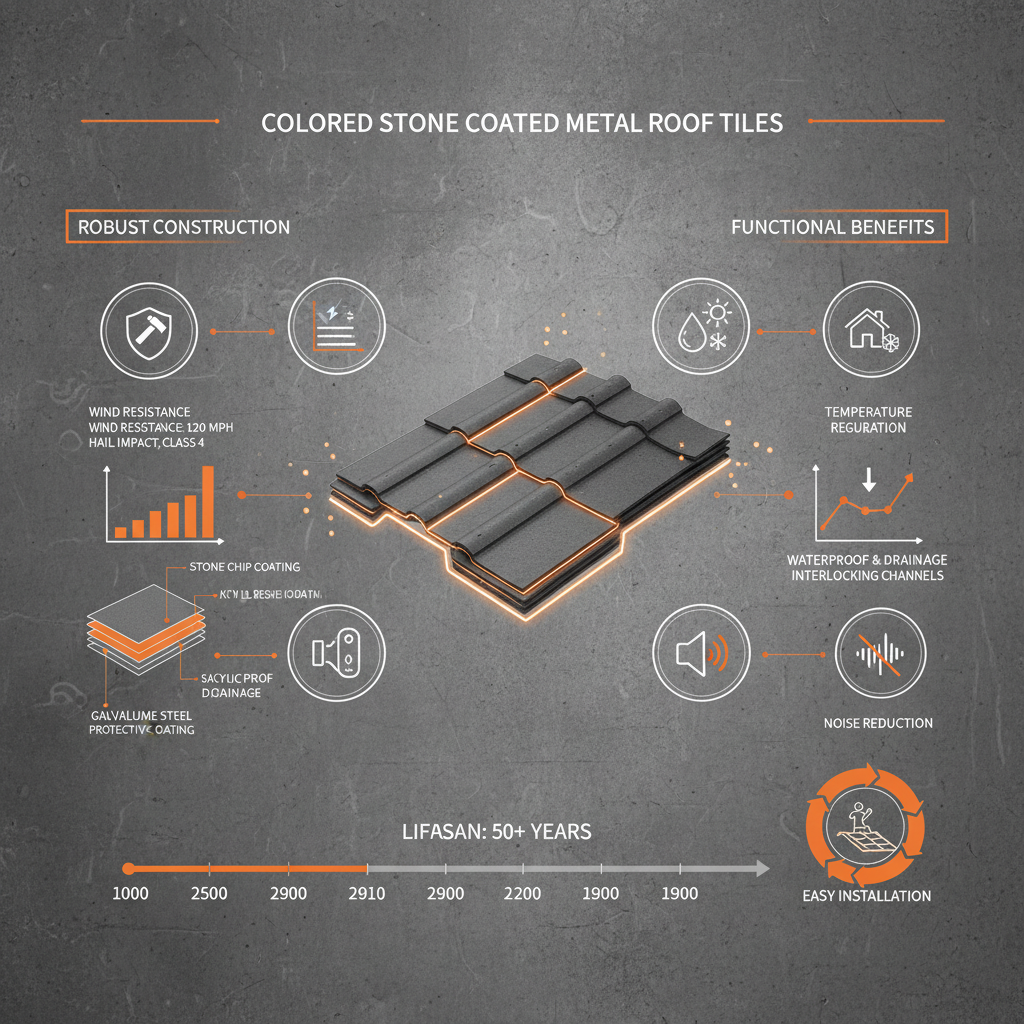
Regular maintenance is essential for maximizing the lifespan of your roof. Inspect your roof at least twice a year for cracked, damaged, or missing tiles. Remove any debris, such as leaves and branches, to prevent moisture buildup. Clean the tiles periodically with a mild detergent and water. Address any minor repairs promptly to prevent them from escalating into major problems. With proper care, your flat interlocking roof tiles will provide years of reliable protection and aesthetic appeal.
Conclusion: Investing in Quality Roofing
Choosing the right flat interlocking roof tiles is a significant investment in your property. By considering the material, installation, and maintenance requirements, you can ensure a durable, aesthetically pleasing, and long-lasting roofing system. Cool Roof Materials is dedicated to providing you with the highest quality products and expert guidance. Contact us today to discuss your roofing needs!
Frequently Asked Questions (FAQs)
What is the typical lifespan of flat interlocking roof tiles?
The lifespan of flat interlocking roof tiles varies depending on the material. Concrete tiles can last 50-100 years, clay tiles 75-100 years, and polymer tiles 30-50 years. Proper installation and regular maintenance significantly extend the lifespan. Factors like climate, UV exposure, and quality of materials also play a role. Choosing high-quality tiles from a reputable supplier like Cool Roof Materials ensures long-term durability.
Are flat interlocking roof tiles suitable for all roof pitches?
While flat interlocking roof tiles are versatile, they are best suited for low to medium-slope roofs. The interlocking design relies on gravity to keep the tiles secure. Steeper slopes may require additional fastening methods. It's crucial to consult with a roofing professional to determine the suitability of these tiles for your specific roof pitch.
How do flat interlocking roof tiles perform in extreme weather conditions?
Flat interlocking roof tiles are generally highly resistant to extreme weather. Their interlocking design provides excellent wind uplift resistance, and the materials used (concrete, clay, or polymer) are durable and weather-resistant. They can withstand heavy rain, snow, and hail. However, in areas prone to severe storms, it’s essential to ensure proper installation and maintenance to maximize their protective capabilities.
What is the cost of installing flat interlocking roof tiles?
The cost of installing flat interlocking roof tiles varies depending on factors like the material chosen, roof size, complexity of the roof design, and labor costs. Generally, they are priced competitively with other high-quality roofing materials. Getting a quote from a reputable roofing contractor like the team at Cool Roof Materials will provide you with an accurate estimate for your project.
Latest news
-
Elevating Modern Design with High Quality Flat Mosaic Tiles
NewsApr.16,2026
-
Flat Liner Tile Guide for Roof Durability and Modern Aesthetics
NewsApr.09,2026
-
Exploring the Benefits of Durable Flat Interlocking Tiles for Modern Roofing Systems
NewsApr.07,2026
-
Exploring the Versatility and Benefits of Flat Grey Tile for Modern Designs
NewsMar.31,2026
-
Comprehensive Guide to Choosing the Best Flat Grey Roof Tiles for Your Project
NewsMar.28,2026
Copyright © 2026 Hebei Chida Manufacture and Trade Co., Ltd. All Rights Reserved. Sitemap | Privacy Policy | Top Blog | Global Service