Roof sheet cooling is becoming increasingly crucial in a world grappling with rising global temperatures and the urgent need for sustainable building practices. The ability to effectively manage heat gain through roofing materials isn’t merely about comfort; it’s about reducing energy consumption, mitigating urban heat island effects, and creating more livable environments. Understanding the principles and applications of roof sheet cooling is paramount for architects, builders, and policymakers alike, leading to more resilient and environmentally responsible infrastructure.
Globally, the demand for efficient building materials is driven by both economic and environmental pressures. The United Nations Sustainable Development Goals (SDGs), particularly SDG 11 (Sustainable Cities and Communities) and SDG 7 (Affordable and Clean Energy), directly benefit from advancements in roof sheet cooling technologies. Furthermore, organizations like the World Bank are actively promoting energy-efficient building standards in developing nations, recognizing the potential for significant cost savings and reduced carbon emissions.
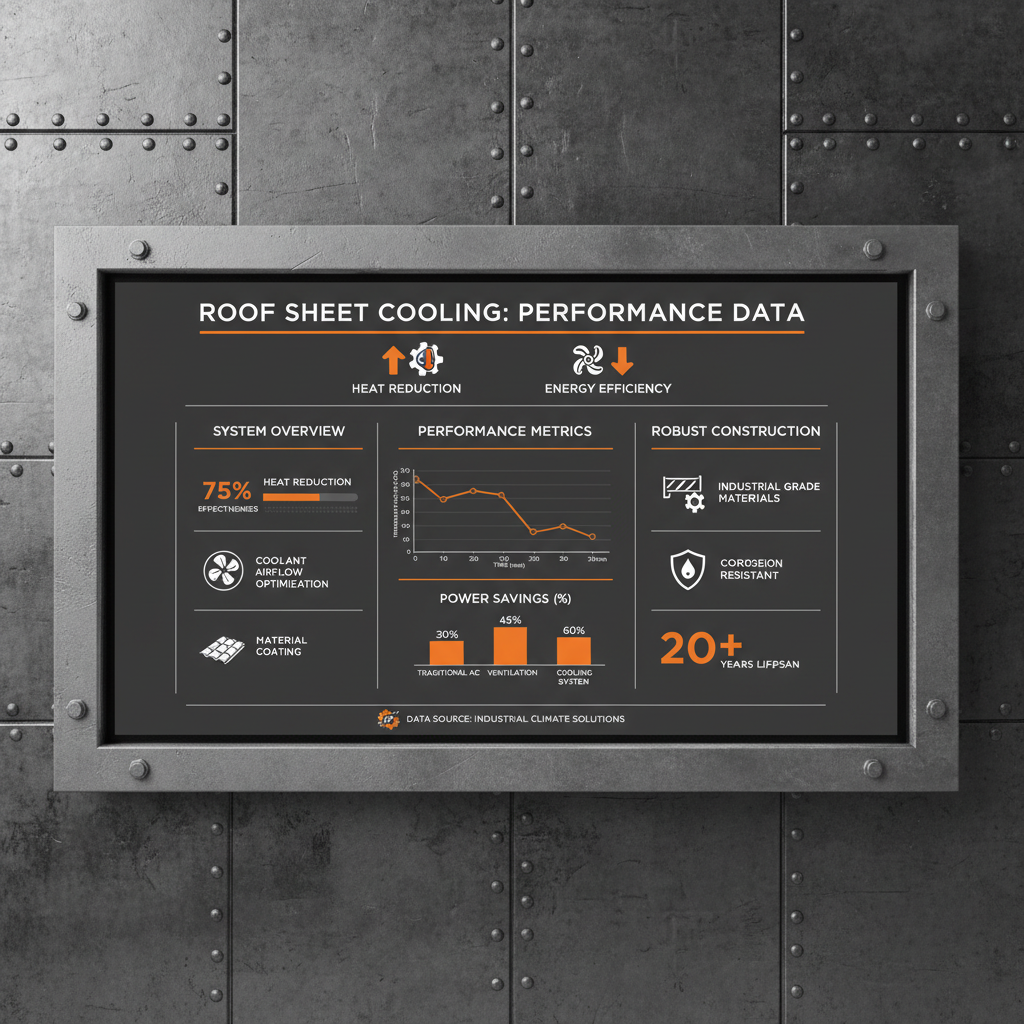
Essentially, roof sheet cooling encompasses a range of techniques and materials designed to minimize heat transfer into buildings. This can involve reflective coatings, advanced insulation layers, innovative material compositions, and even integrated ventilation systems. Its significance lies in its ability to address pressing challenges related to climate change, energy efficiency, and the overall wellbeing of populations living in increasingly hot climates.
Introduction: Global or Industry Context
The global construction industry is a significant contributor to greenhouse gas emissions, and a substantial portion of that impact stems from building energy consumption. Roof sheet cooling offers a practical and scalable solution to reduce this impact by minimizing the need for air conditioning and lowering overall energy demands. The adoption of innovative roofing materials is increasingly being incentivized through government regulations and green building certifications like LEED, driving market growth and technological advancement in roof sheet cooling solutions.
The economic benefits of roof sheet cooling extend beyond reduced energy bills. Prolonged roof lifespan due to reduced thermal stress, lower maintenance costs, and increased building property values all contribute to a compelling return on investment. In regions prone to extreme heat, effective roof sheet cooling can also improve indoor air quality and enhance occupant comfort, leading to increased productivity and reduced healthcare costs.
Definition & Meaning
Roof sheet cooling, at its core, refers to techniques and materials employed to lessen the amount of heat absorbed by a building's roof. This isn't just about keeping interiors cooler; it's about managing the entire thermal environment of a structure. Different approaches achieve this through various mechanisms – reflecting sunlight, increasing thermal emittance, providing insulation, or facilitating airflow. These methods collectively reduce heat transfer, contributing to lower indoor temperatures and diminished reliance on artificial cooling systems.
The concept is deeply connected to modern sustainability practices and has humanitarian applications in disaster relief and emergency housing. In regions lacking reliable electricity, passive roof sheet cooling can be a lifeline, providing thermal comfort without the need for energy-intensive solutions. Moreover, as urban populations grow, the need to mitigate the urban heat island effect – a phenomenon where cities are significantly warmer than surrounding areas – makes effective roof sheet cooling strategies essential.
Ultimately, roof sheet cooling represents a proactive approach to building design that prioritizes energy efficiency, environmental responsibility, and occupant wellbeing. It's a crucial component of creating more resilient and sustainable built environments for the future.
Key Factors or Core Components
Reflectivity: A key component of roof sheet cooling is the ability to reflect a significant portion of incoming solar radiation. Materials with high solar reflectance indices (SRI) are particularly effective, bouncing sunlight back into the atmosphere rather than absorbing it as heat. This is often achieved through specialized coatings or the use of light-colored roofing materials.
Thermal Emittance: While reflectivity addresses incoming heat, thermal emittance deals with how easily a material releases absorbed heat. High-emittance materials radiate heat away from the building, preventing it from accumulating and contributing to indoor warming. This is particularly effective during cooler nighttime hours.
Insulation: Effective insulation is crucial for preventing heat transfer, regardless of the roof material. High-performance insulation materials act as a barrier, slowing down the movement of heat both into and out of the building. Combining insulation with reflective or high-emittance materials maximizes the benefits of roof sheet cooling.
Global Applications & Use Cases
In the arid regions of the Middle East, roof sheet cooling is vital for maintaining comfortable indoor temperatures in residential and commercial buildings, drastically reducing air conditioning loads. Similarly, in Southeast Asia, where humidity exacerbates the effects of heat, these technologies are becoming increasingly widespread. For instance, Singapore actively promotes cool roof initiatives to mitigate the urban heat island effect.
In post-disaster relief operations, rapidly deployable shelters often incorporate reflective roofing materials to provide immediate thermal comfort for displaced populations. These solutions are especially valuable in hot climates where access to electricity for cooling is limited or non-existent. Organizations like the Red Cross and UNHCR are increasingly utilizing these technologies in their emergency housing programs.
Furthermore, in remote industrial zones – such as mining operations in Australia or oil fields in Africa – roof sheet cooling can significantly reduce energy costs and improve working conditions for personnel. The lower energy demand translates to reduced operational expenses and a smaller environmental footprint, making these solutions attractive for businesses operating in challenging environments.
Comparison of Roof Sheet Cooling Methods
Advantages & Long-Term Value
The benefits of implementing roof sheet cooling are multi-faceted. From a purely economic standpoint, reduced energy consumption translates to lower utility bills for building owners. This can represent substantial savings over the lifespan of a building, especially in regions with high energy costs. Additionally, by lessening the strain on power grids during peak demand, roof sheet cooling contributes to grid stability and reduces the risk of blackouts.
Sustainability is a core advantage, as reduced energy consumption directly equates to lower greenhouse gas emissions. This aligns with global efforts to combat climate change and promote environmentally responsible building practices. Furthermore, the use of durable and long-lasting roof sheet cooling materials minimizes the need for frequent replacements, reducing waste and conserving resources. These are benefits that create lasting value.
Future Trends & Innovations
The future of roof sheet cooling is closely tied to advancements in materials science and nanotechnology. Researchers are developing new coatings with even higher solar reflectance and thermal emittance properties, along with self-cleaning capabilities that minimize maintenance. Phase change materials (PCMs) integrated into roofing systems are another promising innovation, offering the ability to store and release thermal energy, providing enhanced temperature regulation.
The integration of smart technologies, such as sensors and automated ventilation systems, is also poised to play a significant role. These systems can dynamically adjust roof ventilation based on real-time weather conditions and building occupancy, maximizing energy savings and optimizing thermal comfort. Furthermore, the development of building information modeling (BIM) tools that accurately simulate the performance of different roof sheet cooling strategies will empower architects and engineers to make more informed design decisions.
Challenges & Solutions
One of the primary challenges in widespread adoption is the initial cost, which can be higher than traditional roofing materials. However, life-cycle cost analysis consistently demonstrates that the long-term savings from reduced energy consumption often outweigh the upfront investment. Government incentives and tax credits can help bridge this gap and encourage broader adoption.
Another challenge is ensuring consistent performance in diverse climates. Roof sheet cooling solutions must be tailored to specific regional conditions, taking into account factors such as humidity, rainfall, and temperature fluctuations. This requires careful material selection and proper installation techniques. Standardization of testing methods and performance metrics can also help to ensure that products meet established quality standards.
Finally, educating building professionals and raising public awareness about the benefits of roof sheet cooling are crucial for driving demand and fostering innovation in this rapidly evolving field.
Summary of Roof Sheet Cooling Challenges and Potential Solutions
| Challenge |
Impact on roof sheet cooling Adoption |
Potential Solution |
Implementation Difficulty (1-5, 5=High) |
| High Initial Cost |
Discourages investment, especially for smaller projects. |
Government incentives, life-cycle cost analysis promotion. |
3 |
| Climate Specificity |
Performance varies significantly based on local conditions. |
Tailored material selection, regional performance data. |
4 |
| Lack of Awareness |
Limited demand due to insufficient understanding of benefits. |
Educational campaigns for builders and consumers. |
2 |
| Installation Complexity |
Improper installation reduces performance and longevity. |
Certified installer programs, detailed installation guidelines. |
3 |
| Performance Measurement |
Difficult to accurately assess the real-world energy savings. |
Standardized testing protocols, remote monitoring systems. |
4 |
| Material Durability |
Some materials degrade over time, reducing effectiveness. |
Research into more durable and weather-resistant materials. |
3 |
FAQS
The primary benefits of roof sheet cooling include reduced energy consumption for cooling, lower utility bills, improved indoor comfort, a decreased urban heat island effect, and a smaller environmental footprint. By minimizing heat absorption, these technologies reduce the demand for air conditioning, leading to significant cost savings and a more sustainable building operation. They also contribute to better air quality and a more pleasant living environment.
While the initial cost of roof sheet cooling materials can sometimes be higher than traditional options, a life-cycle cost analysis often reveals significant long-term savings. These savings stem from reduced energy consumption, lower maintenance requirements, and potentially extended roof lifespan due to decreased thermal stress. Government incentives and tax credits can further offset the upfront investment, making roof sheet cooling a financially viable solution.
Roof sheet cooling is effective in a wide range of climates, but the optimal approach varies depending on specific regional conditions. In hot, sunny climates, reflective coatings and high-emittance materials are particularly beneficial. In humid climates, proper ventilation and moisture management are crucial. A tailored approach, considering factors like temperature, humidity, and rainfall, is essential for maximizing performance.
Maintenance requirements vary depending on the specific type of roof sheet cooling system. Reflective coatings may require periodic cleaning to maintain their reflectivity. Green roofs necessitate regular watering and plant care. Generally, regular inspections to identify and address any damage or debris buildup are recommended to ensure optimal performance and prolong the lifespan of the system.
Determining the best solution requires a careful assessment of your building’s specific needs and local climate conditions. Consider factors like roof orientation, insulation levels, building usage, and budget. Consulting with a qualified roofing contractor or energy efficiency expert can provide valuable insights and recommendations tailored to your situation. Energy modeling software can also help predict performance and identify the most cost-effective options.
While generally environmentally beneficial, some roof sheet cooling materials may have environmental considerations. For example, the production of certain coatings can involve volatile organic compounds (VOCs). However, manufacturers are increasingly developing low-VOC and eco-friendly alternatives. Choosing sustainable materials and ensuring proper disposal practices can minimize environmental impacts.
Conclusion
Roof sheet cooling represents a crucial step towards a more sustainable and energy-efficient built environment. From reducing energy consumption and mitigating the urban heat island effect to improving indoor comfort and lowering operating costs, the benefits are substantial and far-reaching. The technologies and materials available continue to evolve, offering increasingly effective and affordable solutions for buildings of all types and in diverse climates.
Looking ahead, broader adoption of roof sheet cooling requires continued innovation, supportive policies, and increased public awareness. Investing in research and development, incentivizing the use of cool roofing materials, and educating building professionals and homeowners are all essential steps. By embracing these technologies, we can create more resilient, sustainable, and livable communities for future generations. For more information on implementing roof sheet cooling solutions, visit our website: www.coolroofmaterials.com.