
Dec . 03, 2025 19:18 Back to list
How Long Should Architectural Shingles Last? Expert Insights on Roof Longevity
How Long Should Architectural Shingles Last? Understanding Longevity for Better Roofing Choices
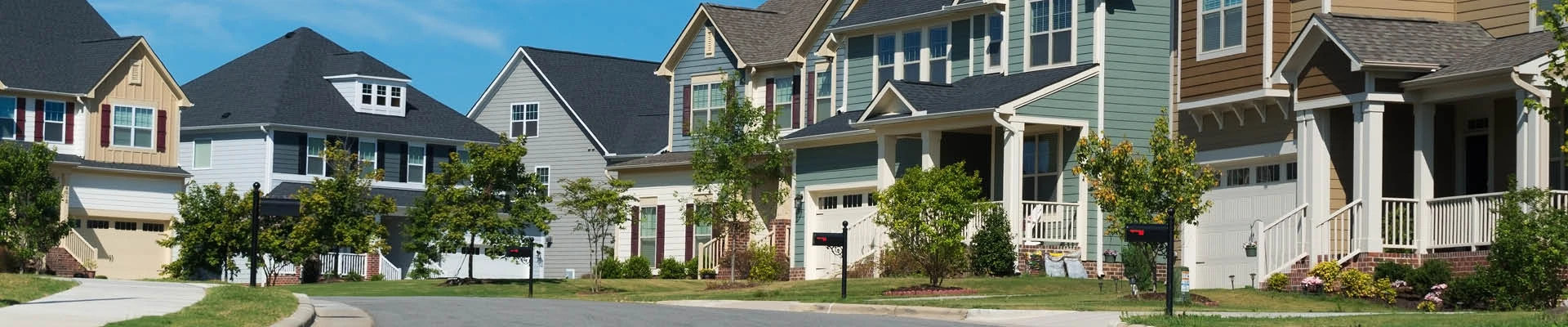
Architectural shingles — you’ve probably seen them on countless homes, giving roofs that textured, dimensional look. But beyond aesthetics, one of the questions that many homeowners and roofing professionals ask is, how long should architectural shingles last? It turns out that getting this right doesn't just affect property values, but also sustainability, building safety, and financial planning worldwide.
The Global Importance of Architectural Shingle Durability
Roofing materials, especially shingles, are essential components of housing infrastructure globally. According to the United Nations Sustainable Development Goals, affordable, resilient shelter is central to improving quality of life, especially in urbanizing areas. Understanding how long architectural shingles last helps builders design safer homes, reduce waste, and lower long-term costs — a triple win despite the odd challenges of weather and climate variation.
For example, residential roofs in North America commonly use architectural shingles due to their balanced cost and durability. But extreme climates—from the harsh Canadian winters to hot, humid Southeast Asian summers—affect shingles’ lifespans drastically. Industry reports suggest the average service life can range anywhere from 20 up to 50 years, if well maintained. But what dictates that lifespan? Let’s break it down.
What Does “How Long Should Architectural Shingles Last” Actually Mean?
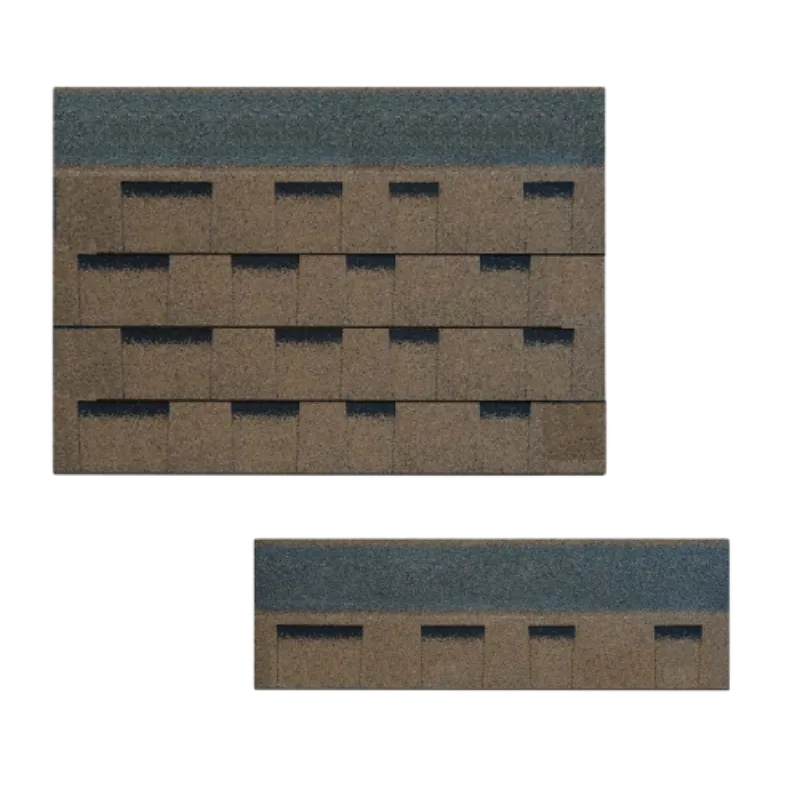
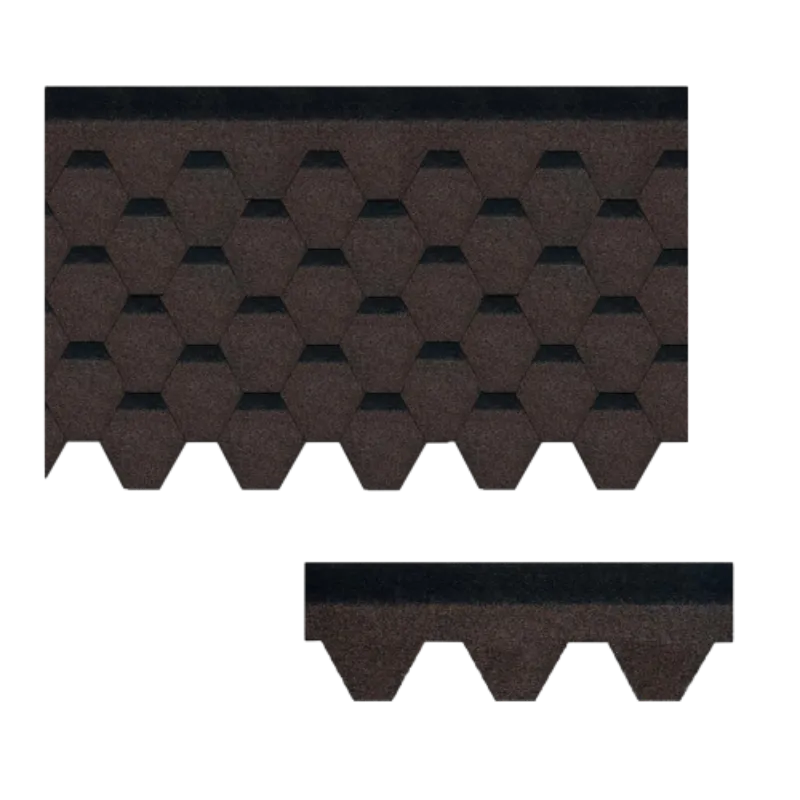
At its core, the question asks: what is the expected useful service life of architectural shingles under normal conditions? More specifically, it looks at the balance between aesthetics, protection from elements (rain, wind, UV), and structural integrity over time. Architectural shingles, also called laminated or dimensional shingles, typically have overlapping layers to give a thicker profile, making them more robust than traditional 3-tab shingles.
This lifespan concept ties in with building codes, insurance criteria, and maintenance schedules. It’s also linked with humanitarian needs—durable roofs protect families in vulnerable areas from weather shocks, providing basic safety and dignity amid crises. Understanding shingle longevity can influence aid programs that rebuild homes after disasters.
Key Factors Affecting Architectural Shingle Longevity
1. Durability and Material Quality
Originally made of asphalt, today’s architectural shingles vary widely in granule coating, fiberglass mat quality, and polymer modifiers. These technical details influence how well they resist cracking, granule loss, and algae growth. Premium shingles might have warranties up to 50 years, but those are often “manufacturers’ estimates” assuming ideal installation and climate.
2. Climate and Environmental Exposure
Sunlight, wind, moisture, and temperature swings all play enemies to shingles. UV light can degrade asphalt binders, while freeze-thaw cycles cause microcracks, eventually leading to leaks. Coastal homes face salt spray and algae infestations, which reduce lifespan. A home in the Pacific Northwest will face totally different challenges than one in Arizona.
3. Installation Practices
Oddly enough, the workmanship dramatically affects how long shingles last. Even the best shingle can fail in 10 years if installed improperly—think about wrong nails, poor underlayment, or inadequate ventilation. Roofing pros often stress the importance of ventilation to avoid excessive attic heat which shortens roof life.
4. Maintenance and Upkeep
Regular inspections, gutter cleaning, and prompt repairs extend the life of shingles. Neglect often causes premature failure. Also, trimming tree branches can prevent physical damage. Maintenance is sometimes overlooked in lifespan discussions but frankly it’s as important as material quality itself.
Product Specifications: Typical Architectural Shingles
| Feature | Typical Range | Notes |
|---|---|---|
| Warranty | 20–50 years | Manufacturer coverage periods |
| Material Composition | Asphalt & fiberglass mat | Polymer modifiers for flexibility |
| Thickness | 3/16 to 1/4 inch | Varies by brand and style |
| Weight per square | 230–350 lbs | Influences roof load capacity |
| Wind resistance | Up to 130 mph | Varies by installation & sealant |
Global Applications & Use Cases
Architectural shingles aren’t just North American staples. They’re gaining traction worldwide—in Europe, Asia Pacific, and parts of Latin America—where modern suburban-style housing is expanding rapidly. In post-disaster reconstruction zones, NGOs often choose architectural shingles for their balance of cost, durability, and visual appeal.
For instance, in hurricane-prone areas of the Caribbean, the choice of shingles with high wind rating is crucial. Meanwhile, in dry, sunny regions such as Australia, UV resistance and heat reflection are top priorities. Building codes increasingly require roofing materials to meet certain longevity standards, encouraging manufacturers to innovate.
Vendor Comparison: Leading Architectural Shingle Brands
| Brand | Warranty Length | Price Range | Key Feature |
|---|---|---|---|
| GAF Timberline HD | 25–50 years | $$$ | StainGuard™ algae resistance |
| Owens Corning Duration | 25 years | $$ | SureNail® technology for grip |
| CertainTeed Landmark | 25–40 years | $$$ | Highly impact-resistant |
Advantages and Long-Term Value
Why bother with architectural shingles? Well, they offer excellent value for money, frankly. Their thicker design means they typically last longer than standard 3-tab shingles. This durability saves homeowners money over time in avoided repairs or premature re-roofing. And their improved aesthetics add curb appeal—important when the emotional “feel” of a home matters for families.
From a sustainability viewpoint, durable shingles mean less frequent replacement, which cuts down on waste and resource consumption. For communities facing natural disasters, a reliable roof can be the difference between home loss and safety.
Emerging Trends and Innovations in Shingle Longevity
Manufacturers are continually pushing boundaries: blending polymers to resist heat, creating reflective granules to reduce attic temperatures, and even integrating solar shingles for energy generation. Digital monitoring of roof health might seem sci-fi, but some companies are experimenting with embedded sensors alerting homeowners before problems occur.
Green building certifications increasingly reward long-lasting, recyclable roofing materials, nudging the market toward sustainability. So, the future of how long architectural shingles last is intertwined with tech and eco-awareness — exciting times ahead.
Challenges and Solutions
Of course, real-world challenges persist. Shingles improperly installed can fail early. Extreme weather tests limits, and unknown sub-roof issues sometimes shorten lifespan. What to do? Industry guidelines stress working with certified professionals, following best practices, and scheduling routine inspections.
Some experts advocate for hybrid roofing solutions or premium coatings to extend life. For instance, algae-resistant treatments or impact-resistant shingles help in high-risk zones. Educating homeowners about preventative maintenance is also a game changer.
FAQ: Frequently Asked Questions About How Long Should Architectural Shingles Last
-
Q: How do I know if my architectural shingles need replacement?
A: Look for curling, missing granules, cracked shingles, or leaking spots indoors. Most asphalt laminate shingles last 20–30 years; if yours are older or damaged, a roofing pro should inspect them. -
Q: Can architectural shingles withstand hurricanes or heavy storms?
A: Many are rated to resist winds up to 110–130 mph but installation quality is crucial. Reinforced underlayment and proper nailing patterns help meet wind-resistance standards. -
Q: Are architectural shingles more expensive than regular shingles?
A: Generally yes, due to their thicker layers and enhanced features, but their longer lifespan and improved aesthetics often offset initial costs. -
Q: How does climate affect shingle lifespan?
A: Hot, sunny, or humid climates accelerate degradation due to UV damage and algae. Cold climates cause freeze-thaw damage. Proper ventilation and quality materials mitigate this.
Conclusion
In sum, knowing how long architectural shingles last helps homeowners, builders, and policymakers make informed choices — balancing upfront costs, durability, and environmental impacts. These dynamic roof coverings represent a smart investment, blending beauty and protection while adapting to evolving climates and tech advances.
For more insights, and to explore products designed to weather your specific region, visit https://www.coolroofmaterials.com.
Takeaway: Proper material selection, climate consideration, and regular maintenance are keys to maximizing architectural shingles’ lifespan—protecting your home and peace of mind for decades.
References:
Latest news
-
Elevating Modern Design with High Quality Flat Mosaic Tiles
NewsApr.16,2026
-
Flat Liner Tile Guide for Roof Durability and Modern Aesthetics
NewsApr.09,2026
-
Exploring the Benefits of Durable Flat Interlocking Tiles for Modern Roofing Systems
NewsApr.07,2026
-
Choosing the Best Flat Interlocking Roof Tiles for Modern Homes
NewsApr.04,2026
-
Exploring the Versatility and Benefits of Flat Grey Tile for Modern Designs
NewsMar.31,2026
-
Comprehensive Guide to Choosing the Best Flat Grey Roof Tiles for Your Project
NewsMar.28,2026

Copyright © 2026 Hebei Chida Manufacture and Trade Co., Ltd. All Rights Reserved. Sitemap | Privacy Policy | Top Blog | Global Service