
Dec . 03, 2025 19:40 Back to list
How Long Should Asphalt Roof Last? Expert Insights on Longevity & Value
How Long Should Asphalt Roof Last: A Practical, Global Perspective
So, you’ve probably wondered, how long should asphalt roof last anyway? On the surface, it seems like a straightforward question, but it’s oddly important — not just for your house or office, but globally. With millions of roofs worldwide made from asphalt shingles, understanding their lifespan impacts everything from urban planning to disaster recovery. Knowing this can help homeowners save money, engineers design better buildings, and disaster relief organizations choose the right materials. Frankly, it’s one of those seemingly modest questions with surprising breadth.
Introduction: Asphalt Roofs and Their Global Impact
Asphalt roofing is the most widespread roofing material in North America and widely used globally. According to the Asphalt Roofing Manufacturers Association, around 75% of residential roofs in the U.S. are asphalt-based. That’s millions of structures relying on a material expected to last for decades. Globally, the need for durable and cost-effective roofing is acute: the UN estimates that by 2050, nearly 70% of the world’s population will live in urban areas, ramping up demands on building materials that withstand various climates.
The challenge? Weather, installation quality, maintenance, and materials vary widely — affecting lifespan considerably. Whether it’s a hurricane-prone coast or a scorching desert town, how long asphalt roofs last can make or break budgets and safety.
What Does “How Long Should Asphalt Roof Last” Really Mean?
Simply put: it’s about the expected service life of an asphalt roof — the time it performs its protective function before needing significant repair or replacement. Typically, asphalt roofs last anywhere from 15 to 30 years, but this figure isn’t fixed. It’s highly influenced by material grade, installation methods, and environmental factors. It connects with everything from construction industry standards to humanitarian strategies aimed at providing shelter quickly and affordably.
Key Factors Affecting Asphalt Roof Longevity
1. Material Quality
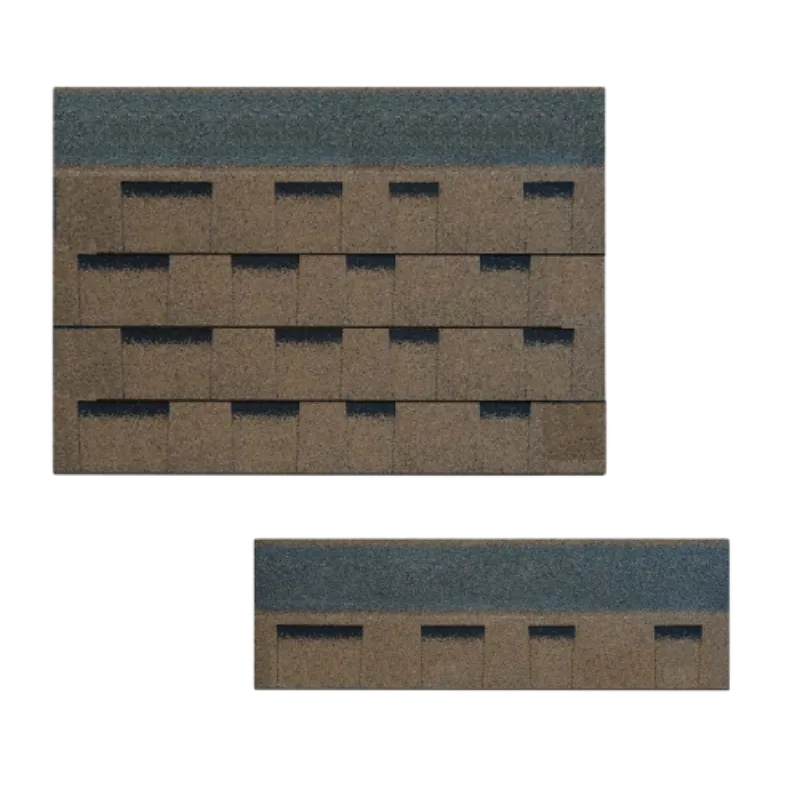
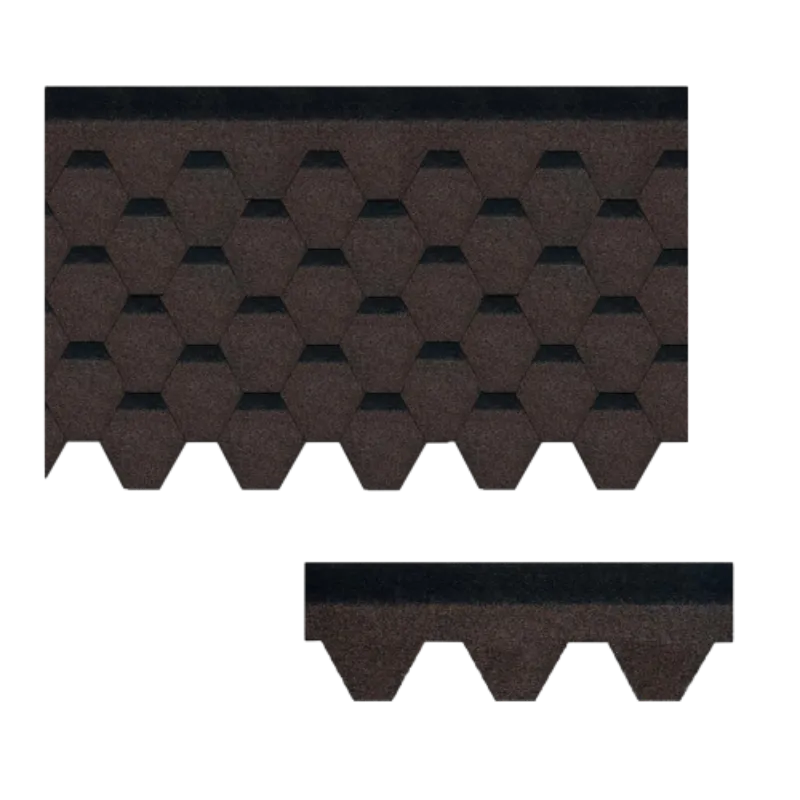
There’s a world of difference between basic 3-tab shingles and architectural or laminate shingles. The latter often last significantly longer because they’re thicker and more robust.
2. Installation and Craftsmanship
Even the best roofing materials won’t perform well if installed poorly. Proper nailing, ventilation, and roof deck condition all matter.
3. Climate and Environmental Exposures
Extreme heat, hail, intense UV rays, or cold freeze-thaw cycles all chip away at asphalt’s integrity faster.
4. Maintenance
Simple upkeep like debris removal and prompt repairs to minor damage can add years.
5. Roof Slope and Design
Steeper slopes tend to shed water and debris better, prolonging lifespan.
Quick Takeaway:
- Expect 15–30 years from an asphalt roof depending on quality and care.
- Harsh weather and poor installation can halve typical lifespans.
Asphalt Roofing Product Specifications
| Type | Typical Lifespan | Thickness (mm) | Warranty |
|---|---|---|---|
| 3-Tab Shingles | 15-20 years | 4.5 - 5.5 | 20-25 years |
| Architectural Shingles | 25-30 years | 6 - 8 | 30-50 years |
Global Applications of Asphalt Roofing
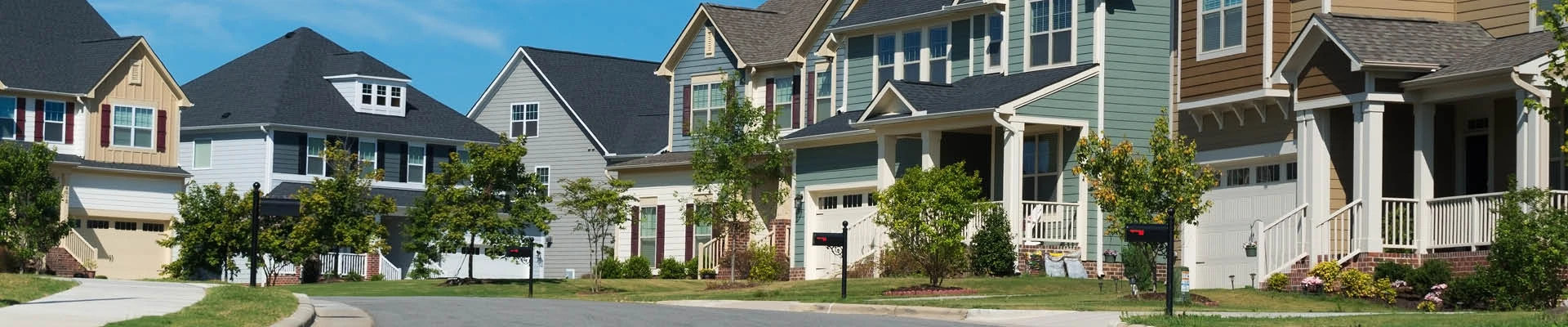
In many parts of North America and Europe, asphalt roofs are the standard for residential buildings, prized for affordability and ease of installation. Oddly enough, in some tropical countries, asphalt is becoming popular for quick housing solutions due to its weather resistance. In post-disaster relief efforts, for example, NGOs often weigh how long should asphalt roof last because it affects the frequency of rebuilding and costs. Industrial zones, especially in moderate climates, also use asphalt roofing for warehouses because it balances durability and budget constraints.
Vendor Comparison: Asphalt Roofing Providers
| Vendor | Product Range | Price Range | Warranty |
|---|---|---|---|
| GAF | 3-Tab, Architectural | $$$ | Up to 50 years |
| CertainTeed | Premium Architectural | $$$$ | Up to 50 years |
| Owens Corning | 3-Tab, Architectural | $$$ | Up to 40 years |
Advantages and Long-Term Value of Asphalt Roofs
From a homeowner’s perspective, asphalt roofs are appealing because they offer solid protection and value for the cost. Then there’s the sustainability angle: Asphalt shingles can often be recycled into road pavement, reducing landfill waste. The social impact is notable too — in less wealthy areas, economical roofing provides dignity and safety in homes, which can ripple positively through communities. Longevity means fewer disruptions, less risk from leaks or damage, and more peace of mind.
Emerging Trends and Future Innovations
Green roof technology is mixing with traditional asphalt materials, creating reflective, energy-saving shingles that reduce heat absorption — which, oddly enough, can extend lifespan by reducing thermal stress. Digital toolsets now help installers optimize placement and spot early issues, improving outcomes. As climate change intensifies, expect more investment in impact-resistant shingles. Plus, some firms are developing bio-based asphalt alternatives, responding to sustainability calls.
Challenges Facing Asphalt Roof Longevity
Of course, no material is perfect. Asphalt roofs can be vulnerable to hail, wind uplift, or granule loss with age, especially when budgets force cheaper options. Installation errors remain common, and maintenance is often neglected. Experts recommend better certification and training for installers, plus education campaigns for homeowners on simple upkeep tasks.
Frequently Asked Questions About How Long Should Asphalt Roof Last
- Q: What factors most shorten the lifespan of an asphalt roof?
A: Poor installation, extreme weather exposures like hail or intense sun, and lack of maintenance are primary culprits. Choosing higher-grade materials can mitigate some risks. - Q: Are architectural asphalt shingles worth the extra cost?
A: Generally, yes. Architectural shingles are thicker and more durable, offering longer lifespans (up to 30+ years) and better aesthetics compared to basic 3-tab types. - Q: How often should an asphalt roof be inspected?
A: Ideally, twice a year—typically in spring and fall—and after major storms to catch issues early. - Q: Can asphalt roofs withstand extreme climates around the world?
A: With the right selection and installation, yes. However, in highly severe climates, supplemental protective measures may be advisable.
Conclusion: Why Understanding Asphalt Roof Longevity Matters
In real terms, asking how long should asphalt roof last is key to making informed, cost-effective decisions—whether you’re a homeowner, builder, or part of a global relief effort. Knowing what affects roof lifespan lets you prepare, protect assets better, and even embrace innovations. At the end of the day, it’s about safety, economy, and sustainability all rolled together.
If you want to dive deeper, visit our comprehensive guide at https://www.coolroofmaterials.com for detailed specs, installation tips, and maintenance advice.
Here’s to roofs that last and protect well into the future.
References
Latest news
-
Elevating Modern Design with High Quality Flat Mosaic Tiles
NewsApr.16,2026
-
Flat Liner Tile Guide for Roof Durability and Modern Aesthetics
NewsApr.09,2026
-
Exploring the Benefits of Durable Flat Interlocking Tiles for Modern Roofing Systems
NewsApr.07,2026
-
Choosing the Best Flat Interlocking Roof Tiles for Modern Homes
NewsApr.04,2026
-
Exploring the Versatility and Benefits of Flat Grey Tile for Modern Designs
NewsMar.31,2026
-
Comprehensive Guide to Choosing the Best Flat Grey Roof Tiles for Your Project
NewsMar.28,2026


Copyright © 2026 Hebei Chida Manufacture and Trade Co., Ltd. All Rights Reserved. Sitemap | Privacy Policy | Top Blog | Global Service