
Feb . 11, 2026 02:15 Back to list
Comprehensive Guide to Installing Ceramic Tile on Flat Roof Systems
Ceramic Tile on Flat Roof: A Comprehensive Guide
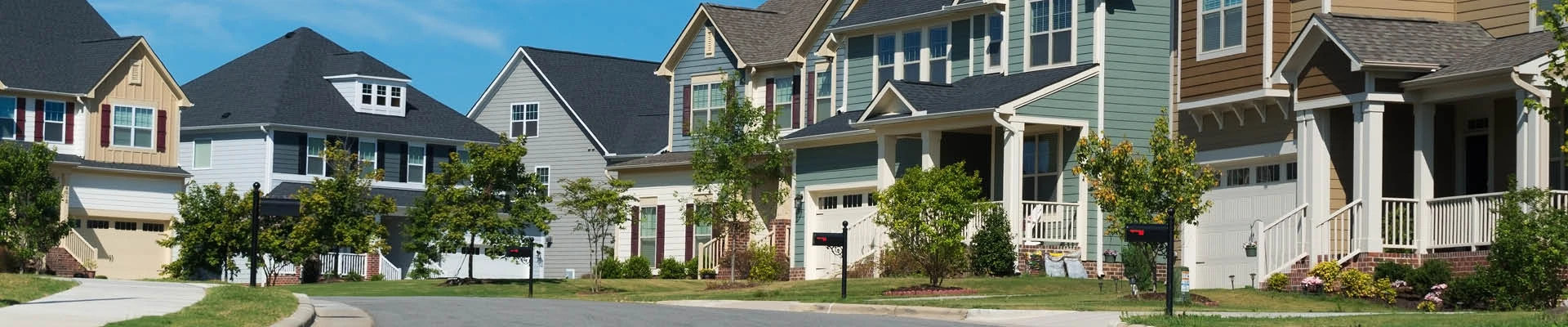
Considering ceramic tile for your flat roof? This durable and aesthetically pleasing option offers numerous benefits, but requires careful consideration. This article provides a detailed overview of using ceramic tile on flat roofs, including installation, benefits, drawbacks, and maintenance. We’ll explore how this roofing material can enhance your property’s value and longevity. Understanding the nuances of ceramic tile roofing is crucial for making an informed decision.
Benefits of Ceramic Tile on Flat Roofs
Ceramic tile offers several advantages for flat roofing. Its exceptional durability ensures a long lifespan, often exceeding 50 years with proper maintenance. The material is also fire-resistant, providing increased safety for your building. Furthermore, ceramic tile’s reflective properties can reduce heat absorption, lowering cooling costs and enhancing energy efficiency. The aesthetic appeal of ceramic tile significantly boosts a property's curb appeal and overall value. Choosing ceramic tile represents a long-term investment in both protection and aesthetics.
Installation Considerations for Ceramic Tile on Flat Roofs
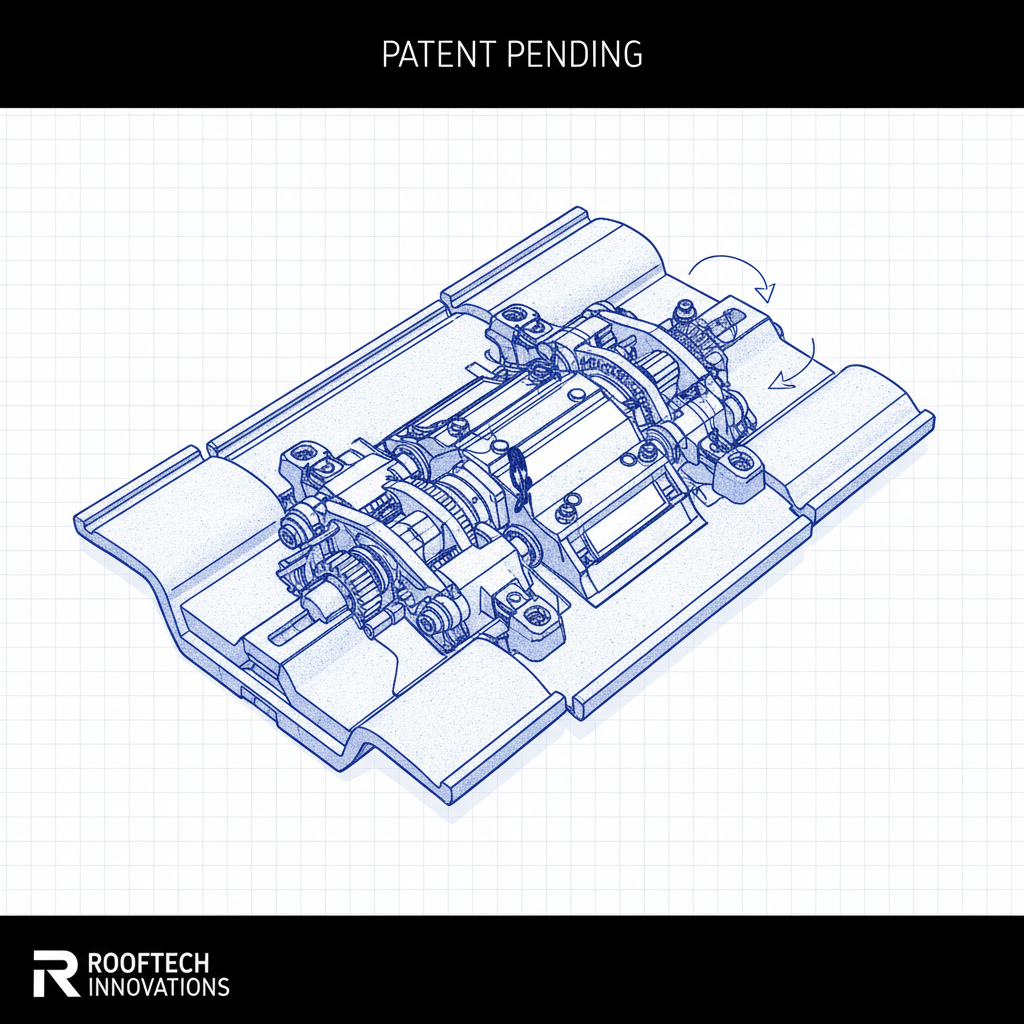
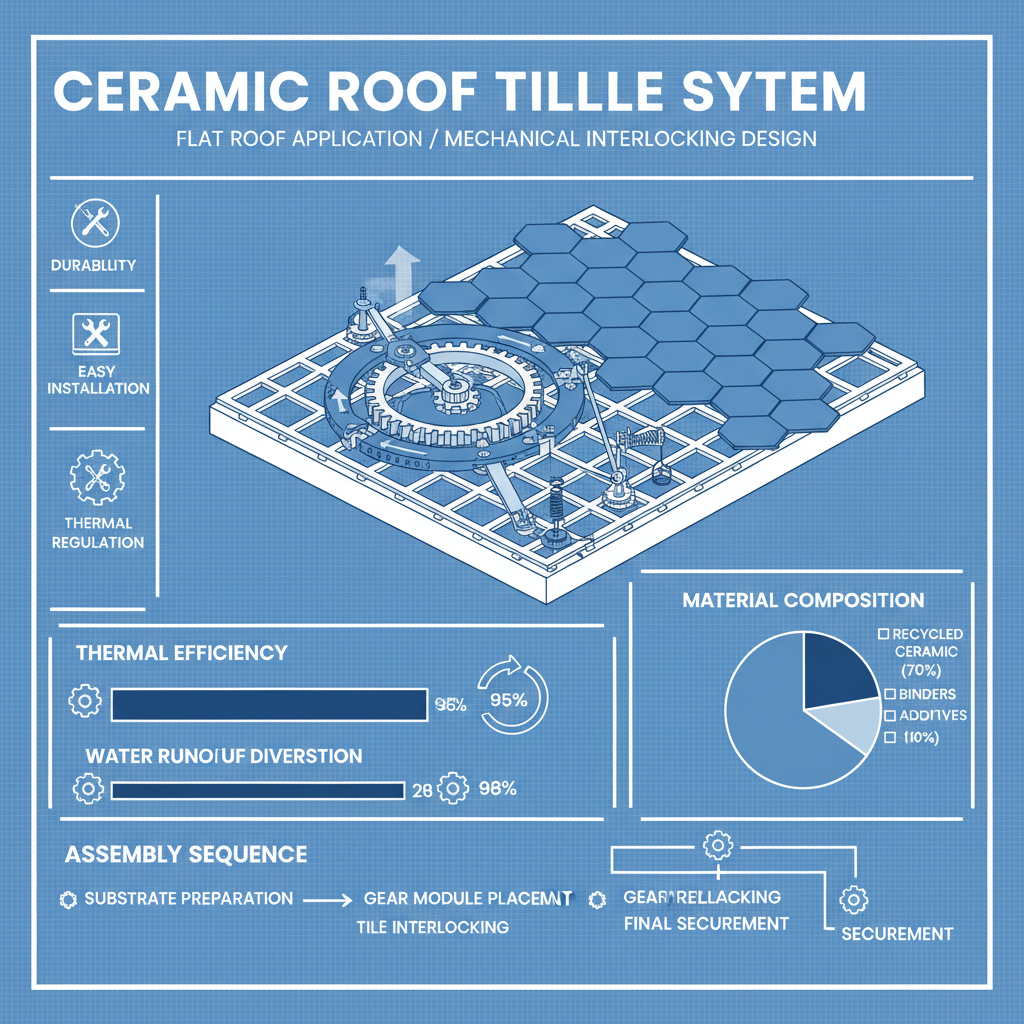
Installing ceramic tile on a flat roof requires meticulous planning and execution. Unlike pitched roofs, flat roofs need a robust waterproofing membrane underneath the tile to prevent water accumulation and potential leaks. A properly sloped substrate is also critical to ensure effective water runoff. It’s highly recommended to hire experienced roofing professionals specializing in flat roof tile installations. The tiles are typically installed using a mortar bed and require appropriate spacing for expansion and contraction. Furthermore, adequate flashing around roof penetrations (vents, chimneys, etc.) is essential to prevent water intrusion.
Key Considerations: Proper waterproofing membrane, adequate roof slope, professional installation, appropriate tile spacing, and secure flashing around penetrations.
Ceramic Tile vs. Other Flat Roofing Materials
When considering materials for a flat roof, ceramic tile competes with options like modified bitumen, TPO, and EPDM. Compared to these, ceramic tile offers superior longevity and aesthetic appeal. However, it’s also significantly heavier and more expensive to install. Modified bitumen is cheaper but has a shorter lifespan. TPO and EPDM are lightweight and affordable but lack the visual charm and durability of ceramic tile. The optimal choice depends on your budget, aesthetic preferences, and structural considerations. Ceramic tile stands out as a premium option for those prioritizing long-term value and visual elegance.
Maintaining Ceramic Tile on a Flat Roof
Regular maintenance is vital to preserving the integrity and lifespan of your ceramic tile roof. This includes periodic inspections for cracked or broken tiles, especially after severe weather events. Keep the roof surface clean of debris, such as leaves and branches, to prevent water pooling. Inspect flashing around roof penetrations annually and repair any damage promptly. Addressing minor issues quickly can prevent them from escalating into major, costly repairs. Professional roof cleaning services can also help remove algae or moss growth, maintaining the tile's aesthetic appearance and preventing damage.
Choosing the Right Ceramic Tile for Your Flat Roof
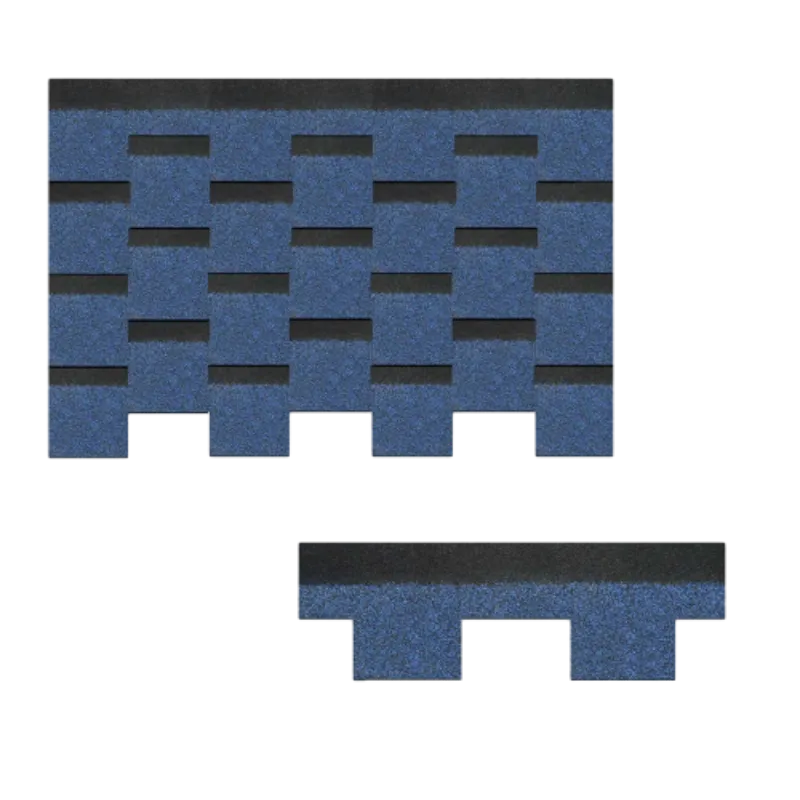
Not all ceramic tiles are created equal. For flat roof applications, select tiles specifically designed for exterior use and rated for freeze-thaw cycles. Consider tiles with a non-slip surface to enhance safety during maintenance. Cool Roof Materials offers a range of high-quality ceramic tiles suitable for flat roofing, designed to withstand harsh weather conditions and provide long-lasting performance. Choosing the right tile type and ensuring proper installation are crucial for maximizing the benefits of this roofing material.
Conclusion: Is Ceramic Tile Right for Your Flat Roof?
Ultimately, ceramic tile on a flat roof can be a beautiful and durable option. However, it requires careful planning, professional installation, and regular maintenance. If you're looking for a long-lasting, aesthetically pleasing roofing solution and are willing to invest in quality materials and workmanship, ceramic tile is definitely worth considering.
Frequently Asked Questions (FAQs)
Can ceramic tile be used on all flat roofs?
Not all flat roofs are suitable for ceramic tile. The roof structure must be strong enough to support the weight of the tile, the underlayment, and any associated materials. A structural engineer should assess the roof's load-bearing capacity before installation. Additionally, the roof must have a slight slope (typically ¼ inch per foot) to ensure proper water drainage. If the roof cannot accommodate these requirements, alternative roofing materials should be considered.
What is the cost of installing ceramic tile on a flat roof?
The cost of installation varies depending on the size of the roof, the complexity of the design, and the labor rates in your area. As a general estimate, expect to pay between $10 and $20 per square foot for materials and installation. This cost typically includes the ceramic tile, underlayment, mortar, flashing, and labor. It's essential to obtain quotes from multiple contractors to get an accurate estimate for your specific project.
How do I prevent leaks with ceramic tile on a flat roof?
Preventing leaks requires a multi-faceted approach. First, ensure a properly installed, high-quality waterproofing membrane is in place underneath the tile. Second, proper flashing around all roof penetrations (vents, chimneys, skylights) is critical. Third, regular inspections and prompt repairs of any cracked or damaged tiles are essential. Finally, maintaining a clean roof surface free of debris will help prevent water from pooling and potentially seeping into the roof structure. Cool Roof Materials can provide guidance on best practices for leak prevention.
Latest news
-
Elevating Modern Design with High Quality Flat Mosaic Tiles
NewsApr.16,2026
-
Flat Liner Tile Guide for Roof Durability and Modern Aesthetics
NewsApr.09,2026
-
Exploring the Benefits of Durable Flat Interlocking Tiles for Modern Roofing Systems
NewsApr.07,2026
-
Choosing the Best Flat Interlocking Roof Tiles for Modern Homes
NewsApr.04,2026
-
Exploring the Versatility and Benefits of Flat Grey Tile for Modern Designs
NewsMar.31,2026
-
Comprehensive Guide to Choosing the Best Flat Grey Roof Tiles for Your Project
NewsMar.28,2026

Copyright © 2026 Hebei Chida Manufacture and Trade Co., Ltd. All Rights Reserved. Sitemap | Privacy Policy | Top Blog | Global Service