
Apr . 09, 2026 02:15 Back to list
Flat Liner Tile Guide for Roof Durability and Modern Aesthetics
The Ultimate Guide to Flat Liner Tile: Enhancing Roof Durability and Aesthetics
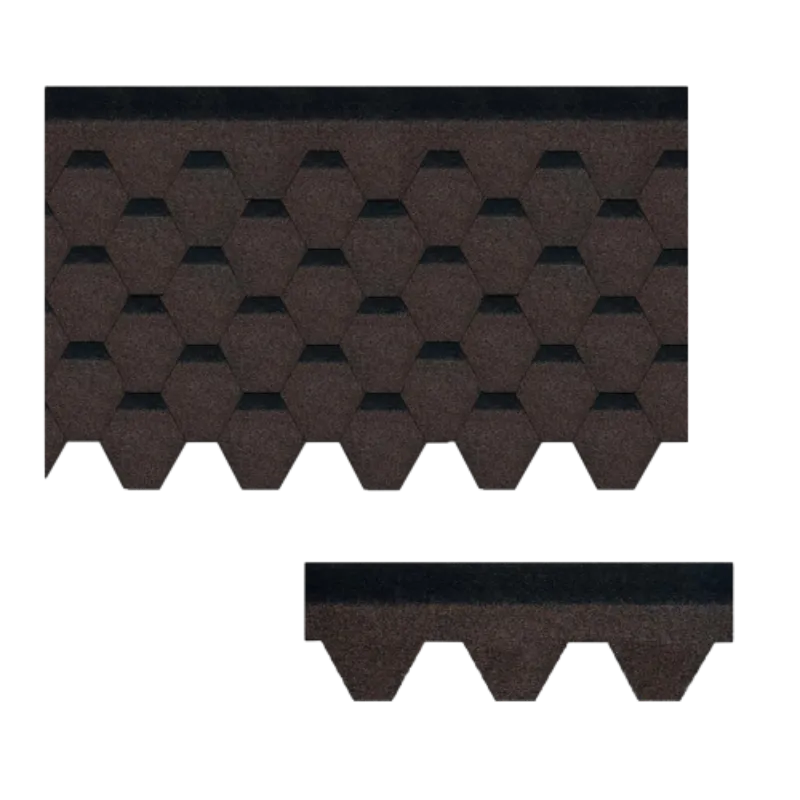
When designing a modern roofing system, the balance between structural integrity and visual appeal is critical. The flat liner tile has emerged as a premier choice for architects and contractors seeking a sleek, low-profile finish without compromising on protection. Unlike traditional bulky tiles, these specialized liners provide a seamless barrier that protects the underlying roof structure from water ingress and thermal expansion. In this comprehensive guide, we will explore the technical advantages, installation nuances, and the long-term value that a high-quality liner system brings to any commercial or residential project.
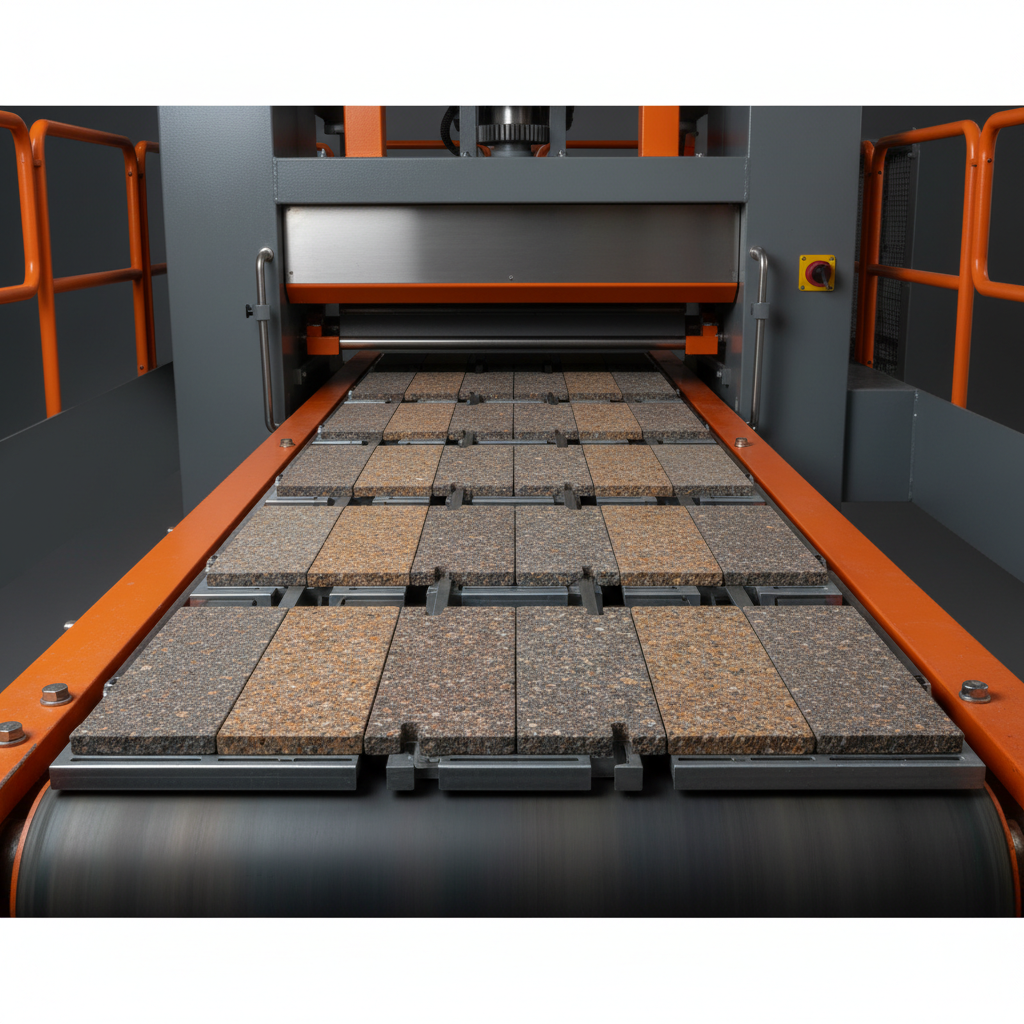
Why Choose Flat Liner Tile for Modern Roofing?
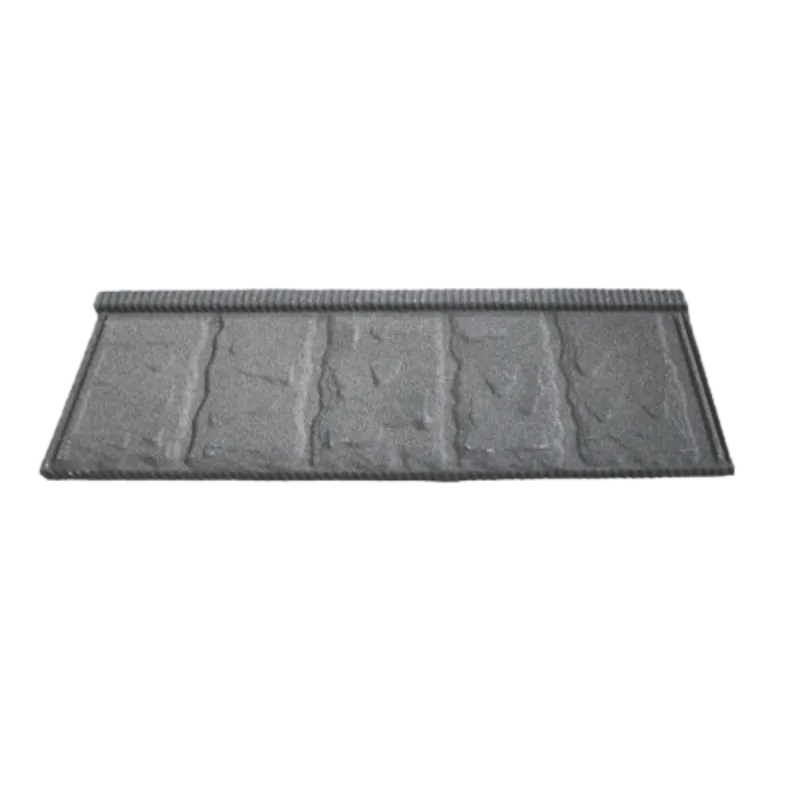
The primary appeal of the flat liner tile lies in its ability to create a uniform surface that minimizes wind lift and water pooling. In many traditional roofing setups, gaps between tiles can become vulnerability points during heavy rainfall or storms. A flat liner acts as a continuous protective skin, ensuring that moisture is directed efficiently toward drainage systems. Furthermore, the modern minimalist aesthetic makes it highly desirable for contemporary architectural designs, offering clean lines and a professional finish that increases the overall property value.
Core Benefit: By reducing the profile of the roofing material, these tiles significantly lower the risk of wind damage during high-velocity weather events, making them ideal for coastal or high-altitude regions.
Material Composition and Durability of Flat Liner Tile
Durability is the cornerstone of any roofing material. A professional-grade flat liner tile is typically engineered from high-density polymers or reinforced composites designed to withstand extreme UV exposure and temperature fluctuations. These materials are chemically treated to resist algae growth and oxidation, ensuring that the roof remains pristine for decades. When compared to standard asphalt or basic ceramic tiles, the liner system offers superior elasticity, allowing it to expand and contract without cracking under the scorching summer sun or freezing winter temperatures.
Performance Comparison: Flat Liner Tile vs. Traditional Tiles
To truly understand the advantage of this system, one must look at the performance metrics. Traditional tiles often suffer from weight-related stress on the building's frame and are prone to individual breakage. In contrast, the flat liner tile distributes weight more evenly and provides a redundant layer of waterproofing. Below is a detailed comparison based on industry standard performance tests.
Installation Best Practices for Flat Liner Tile
To maximize the lifespan of your roofing system, proper installation of the flat liner tile is non-negotiable. First, the roof deck must be completely cleaned and leveled to avoid air pockets that could cause the liner to bubble. Using high-grade adhesives or mechanical fasteners ensures that the tiles remain secure during extreme weather. It is also recommended to overlap edges according to the manufacturer's specifications to create a watertight seal. Experienced contractors prefer this system because it reduces the number of joints, which are typically the first points of failure in any roof.
Technical Specifications of the Flat Liner Tile System
For procurement managers and engineers, the technical data is what drives the decision. The flat liner tile is engineered to meet international standards for fire resistance and thermal reflectivity. By utilizing "Cool Roof" technology, these tiles can reflect a significant portion of solar radiation, thereby reducing the cooling load of the building and lowering energy costs. The specifications below outline the standard capabilities of our premium liner series.
Conclusion: A Smarter Investment in Roofing
Choosing the right roofing material is a long-term decision that affects both the safety and efficiency of a building. The flat liner tile offers a sophisticated blend of modern engineering and timeless durability. By providing a seamless, lightweight, and thermally efficient barrier, it solves many of the problems associated with traditional roofing. Whether you are upgrading an existing structure or starting a new project, investing in high-quality liner tiles ensures peace of mind and reduced maintenance costs for years to come.
Frequently Asked Questions (FAQs)
How does the flat liner tile contribute to energy savings?
The flat liner tile is designed with high solar reflectance properties. By reflecting a larger percentage of the sun's rays away from the roof, it prevents the building from absorbing excessive heat. This "Cool Roof" effect significantly lowers the interior temperature of the building, reducing the reliance on air conditioning systems and leading to a noticeable decrease in monthly energy bills. It is an eco-friendly solution that helps reduce the urban heat island effect in densely populated areas.
Is the flat liner tile suitable for all roof slopes?
Yes, the flat liner tile is highly versatile and can be used on various slopes, including completely flat roofs and low-to-medium pitched roofs. Because of its seamless nature and superior adhesion properties, it is particularly effective on flat roofs where water pooling is a common risk. For steeper slopes, its low profile prevents the tiles from sliding or being displaced by strong winds, making it a safer and more reliable alternative to overlapping shingles or heavy tiles.
What maintenance is required for a flat liner tile system?
One of the greatest advantages of the flat liner tile is its low maintenance requirement. Unlike traditional tiles that may crack or leak at the joints, the liner system is largely seamless. We recommend a bi-annual inspection to clear debris from drainage areas and a gentle wash with water to remove accumulated dust, which helps maintain the solar reflectance index. No expensive chemical sealants are typically needed, making it a cost-effective choice over the lifecycle of the roof.
How long does a typical installation take?
Installation time varies based on the project size, but generally, the flat liner tile system is installed 30% to 50% faster than traditional tiling. This is due to the larger surface area of the liners and the streamlined fastening process. By reducing the labor hours required for installation, project owners can save on costs and reduce the time the building is exposed during a roof replacement. For more specific timelines, we recommend consulting the technical team at Cool Roof Materials.
Latest news
-
Elevating Modern Design with High Quality Flat Mosaic Tiles
NewsApr.16,2026
-
Exploring the Benefits of Durable Flat Interlocking Tiles for Modern Roofing Systems
NewsApr.07,2026
-
Choosing the Best Flat Interlocking Roof Tiles for Modern Homes
NewsApr.04,2026
-
Exploring the Versatility and Benefits of Flat Grey Tile for Modern Designs
NewsMar.31,2026
-
Comprehensive Guide to Choosing the Best Flat Grey Roof Tiles for Your Project
NewsMar.28,2026
Copyright © 2026 Hebei Chida Manufacture and Trade Co., Ltd. All Rights Reserved. Sitemap | Privacy Policy | Top Blog | Global Service