Guide to Price of Architectural Shingles per Square and Value
When evaluating the long-term value of a roofing project, many contractors and property owners focus heavily on the initial price of architectural shingles per square. However, the true cost of a roof is measured not just by the materials' purchase price, but by their thermal performance, durability against extreme weather, and the resulting energy efficiency of the building. In the current market, there is a significant shift toward "cool roof" technologies that mitigate heat absorption and reduce cooling costs.
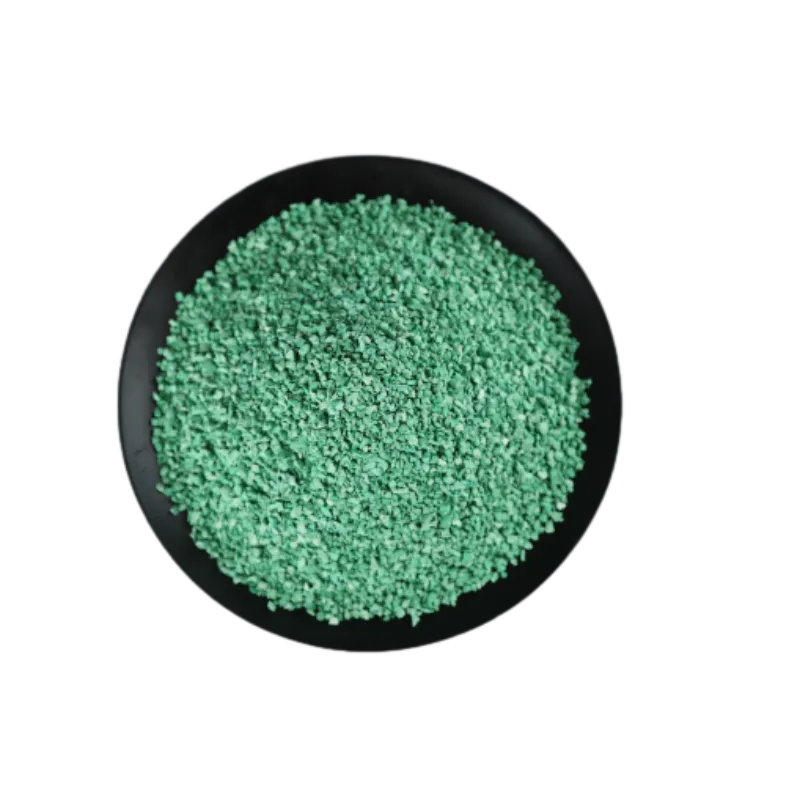
Modern roofing solutions, such as those incorporating high-reflective HlREFLE granules, are redefining how we view architectural shingles and metal tiles. By integrating advanced mineral science into the surface layer, these materials provide a critical barrier against UV radiation, which not only extends the lifespan of the roof but also lowers the internal temperature of the structure. This technical evolution moves the conversation from simple cost-per-square metrics to a broader analysis of life-cycle value and energy sustainability.

Understanding the Composition and Performance of Modern Architectural Shingles
Architectural shingles, also known as dimensional or laminate shingles, are engineered to provide a thicker, more textured appearance than traditional 3-tab shingles. Their construction typically involves multiple layers of asphalt and fiberglass, topped with mineral granules. These granules serve a dual purpose: they protect the asphalt from UV degradation and determine the aesthetic color of the roof. For those seeking superior energy efficiency, the integration of reflective granules is a game-changer.
Hebei Chida Manufacture and Trade Co., Ltd has leveraged mineral field expertise to develop HlREFLE granules, a high-reflective material specifically designed for cool roofs. Unlike standard granules that absorb solar heat, these specialized minerals reflect a significant portion of the solar spectrum. This reduces the "heat island" effect in urban areas and prevents the roof deck from reaching extreme temperatures, which in turn reduces the thermal stress on the underlying structural components.
- Multi-layered Structure: Enhanced thickness for better wind resistance and depth.
- UV Protection: High-grade mineral coatings prevent asphalt cracking.
- Thermal Reflectivity: Specialized granules lower surface temperatures.
- Geometric Flexibility: Capable of covering complex roof slopes and shapes.

Comparing Asphalt Shingles with Stone Coated Metal Roof Tiles
While asphalt shingles are widely used due to their versatility, stone coated metal roof tiles offer a compelling alternative for those prioritizing longevity and extreme weather resistance. The core difference lies in the substrate; where shingles rely on fiberglass and asphalt, metal tiles use a galvanized steel or aluminum base coated with stone granules. This combination yields a product that is inherently waterproof, fireproof, and highly resistant to acid and alkali corrosion.
From an installation perspective, asphalt shingles are praised for their soft texture and ability to be freely cut, making them ideal for roofs with intricate geometric shapes. Metal tiles, on the other hand, provide a lightweight solution that reduces the load-bearing pressure on the building's frame, thereby increasing overall structural stability. Both options can now be enhanced with cool roof technology to improve the building's energy profile.
When choosing between the two, buyers must consider the specific environmental challenges of their location. For areas prone to high winds or wildfires, the fireproof and wind-resistant nature of stone coated metal tiles provides a significant safety advantage. For residential projects focusing on aesthetic variety and ease of installation, asphalt shingles remain a top choice, provided they are sourced from manufacturers utilizing high-quality reflective granules.
Key Technical Features for Long-Term Roofing Sustainability
A sustainable roof must balance aesthetics with technical performance. The primary goal is to ensure the material can withstand environmental degradation while minimizing the energy required to cool the interior. This is achieved through a combination of material density, chemical resistance, and surface reflectivity. Products that are acid and alkali resistant are particularly valuable in industrial zones or coastal areas where airborne pollutants can erode standard roofing materials.
Weight is another critical engineering factor. Lightweight roofing materials reduce the stress on the roof truss and supporting walls. By utilizing advanced composite materials, manufacturers can create shingles and tiles that offer the look of heavy slate or clay but with a fraction of the weight. This not only simplifies transportation and storage but also accelerates the construction process, reducing labor costs associated with roof replacement.
Moreover, the ability of a material to resist aging—preventing the loss of granules and the brittleness of the asphalt—is what determines the actual replacement cycle. By using R&D-driven materials like HlREFLE, the degradation process is slowed significantly, ensuring that the roof maintains its protective and reflective properties for a much longer period than conventional alternatives.
Roofing Material Specification and Performance Comparison
| Feature | Asphalt Shingles | Stone Coated Metal | Cool Roof (HlREFLE) |
|---|---|---|---|
| Installation Ease | High (Flexible cut) | Medium | High |
| Fire Resistance | Standard | Excellent (Fireproof) | Enhanced |
| Structural Load | Medium | Low (Lightweight) | Medium/Low |
| Thermal Reflectivity | Low to Medium | Medium | Very High |
| Corrosion Resistance | Medium | High (Acid/Alkali) | High |
Procurement Considerations for Commercial and Residential Roofing
For procurement managers and distributors, the evaluation of roofing materials should extend beyond the initial unit price. A comprehensive cost-benefit analysis includes the "installed cost," which comprises material, labor, and waste. Because architectural shingles can be cut to fit complex shapes, waste is often minimized in residential applications. However, in large-scale commercial projects, the durability and lower maintenance of stone coated metal tiles may offer a better return on investment over a 20-year period.
Supplier capability is equally important. Working with a manufacturer that specializes in the R&D of reflective materials ensures that the product is not just a commodity but a technical solution. Hebei Chida's focus on HlREFLE granules allows them to supply materials that are specifically engineered for energy saving, making them a preferred partner for those aiming for LEED certification or other green building standards.
When sourcing, buyers should verify the following:
- Granule Adhesion: Ensure granules are bonded securely to prevent shedding.
- Waterproofing Certification: Confirm the material's performance under heavy rainfall.
- Reflectivity Rating: Check the Solar Reflectance Index (SRI) for cool roof products.
- Compatibility: Ensure the roofing system is compatible with existing underlayments.
Future Trends in Energy-Efficient Roofing Systems
The roofing industry is moving rapidly toward "smart" materials that can actively manage heat. The integration of high-reflectivity granules is the first step in this transition. As global temperatures rise, the demand for cool roofs will increase, shifting the market preference toward materials that can reduce the energy load of air conditioning systems. This trend is particularly strong in the North American market, where energy codes are becoming more stringent.
We expect to see a greater convergence of materials, such as metal tiles that incorporate the flexibility and aesthetic range of asphalt shingles, all while maintaining the reflective properties of advanced minerals. The focus will remain on reducing the carbon footprint of the construction process, from the energy used in manufacturing the granules to the energy saved during the building's operational life.
Ultimately, the most successful roofing projects will be those that treat the roof as a dynamic thermal shield rather than a static cover. By selecting materials designed for high reflectivity and durability, owners can ensure their properties remain comfortable, efficient, and valuable for decades to come.
Common Questions Regarding High-Performance Roofing Materials
What is the primary difference between standard shingles and cool roof shingles?
The primary difference is the type of granules used on the surface. Standard shingles absorb most solar radiation, whereas cool roof shingles use specialized materials like HlREFLE granules to reflect sunlight, significantly lowering the roof surface temperature.
Are stone coated metal tiles more durable than asphalt shingles?
Yes, generally they are. Stone coated metal tiles offer superior fireproofing, wind resistance, and acid/alkali resistance compared to traditional asphalt shingles, though they may be less flexible for complex geometric shapes.
How do reflective granules contribute to energy savings?
By reflecting a higher percentage of solar energy away from the building, these granules reduce the amount of heat transferred into the attic and living spaces, which lowers the demand for air conditioning and reduces electricity bills.
Can architectural shingles be used on all types of sloping roofs?
Yes, due to their soft texture and ability to be cut, architectural shingles are widely used on various sloping roofs, including those with complex geometric designs.
What should I look for when choosing a roofing supplier for commercial projects?
Look for suppliers with strong R&D capabilities in material science, a proven track record in reflective technology (like HlREFLE), and the ability to provide materials that meet local fire and wind safety standards.
Do cool roof materials affect the aesthetic of the building?
Not necessarily. Modern reflective technology allows for a rich variety of colors and shapes, meaning you can achieve high energy efficiency without sacrificing the architectural style of the home or building.
Technical Resources and Industry Standards
- U.S. Department of Energy - Energy Efficient Home Design
- Cool Roof Rating Council (CRRC) Standards
- Asphalt Roofing Manufacturers Association (ARMA) Guidelines
- ASTM International - Roofing Material Testing Standards
Selecting the right roofing material is a balance of initial investment and long-term operational savings. By prioritizing high-reflective technology and durable construction, you can ensure a roof that protects your asset while contributing to global energy efficiency.
Industry Insights and Technical Guides