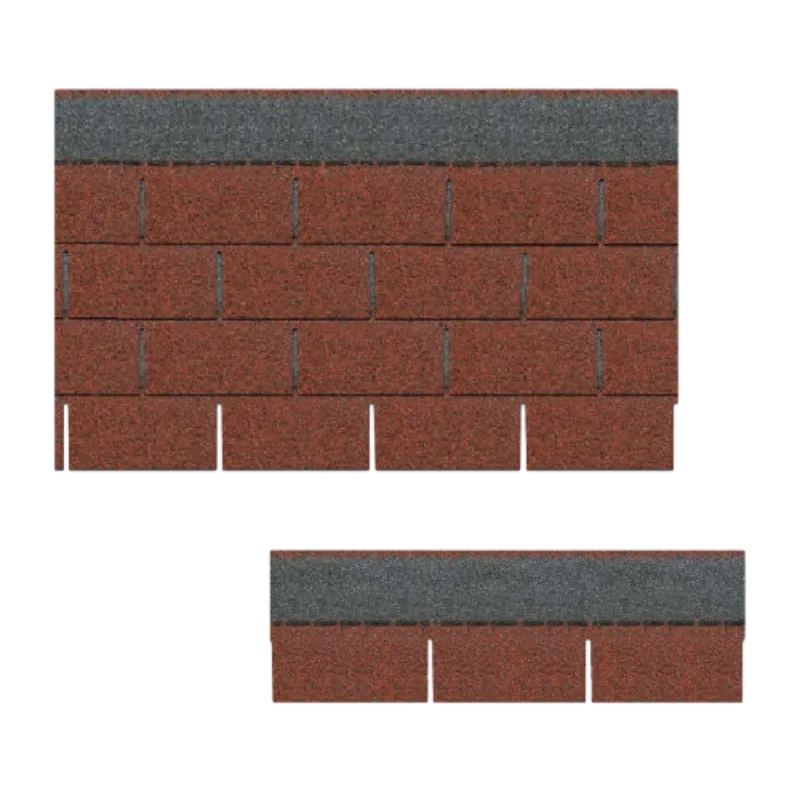
Dimensional Shingles Price per Square vs Metal Roof Tiles
When evaluating roofing investments, many property owners focus heavily on the dimensional shingles price per square without considering the long-term technical value of the material. While traditional asphalt options are common, the shift toward high-performance alternatives like stone coated metal roof tiles is driven by a need for superior durability and energy efficiency. These modern systems combine the aesthetic appeal of traditional clay with the lightweight strength of Al-Zn plating, offering a sustainable solution for various sloping roof structures.
For procurement managers and engineers, the real value lies in the intersection of initial installation costs and life-cycle maintenance. By utilizing advanced materials such as HlREFLE reflective granules, manufacturers are now able to reduce solar heat gain, directly impacting the building's energy consumption. This transition from standard dimensional shingles to engineered metal solutions represents a strategic upgrade in building envelope performance.

Advanced Composition of Stone Coated Metal Roof Tiles
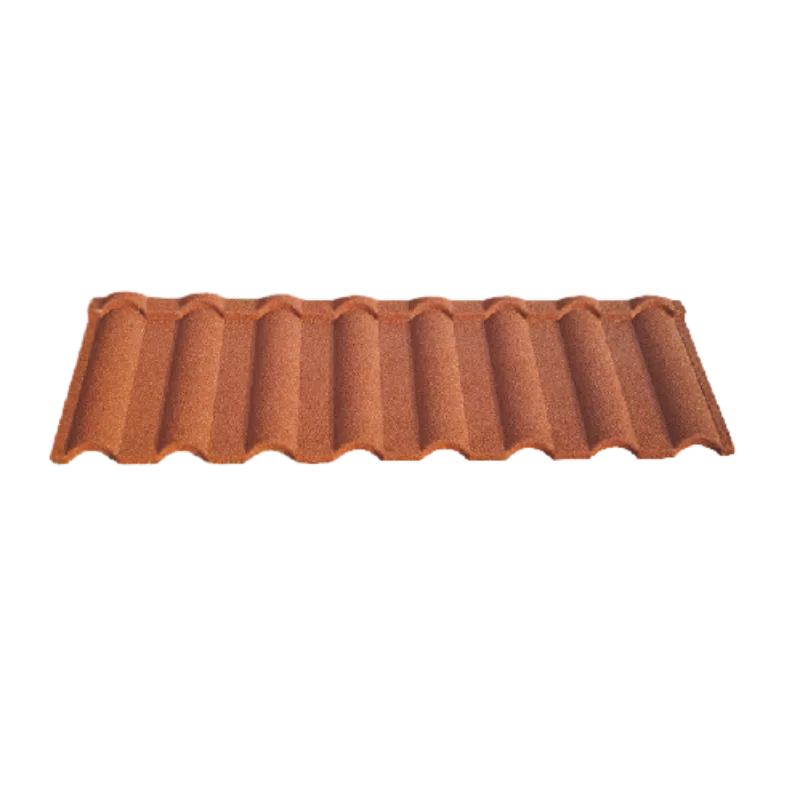
Unlike conventional roofing, stone coated metal tiles are engineered using a sophisticated multi-layer approach. The foundation consists of a high corrosion resistant Al-Zn plate, which provides the structural integrity and weatherproofing necessary for extreme environments. To ensure the bonding of decorative elements, a high-quality waterproof acrylic resin is applied as an adhesive, creating a permanent seal between the metal core and the surface finish.
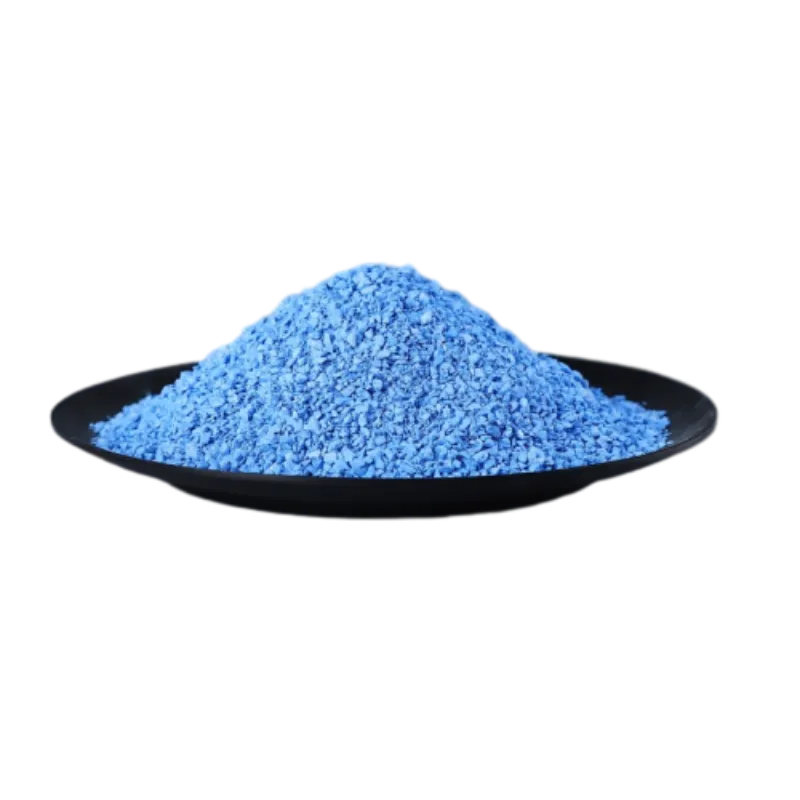
The exterior is finished with natural stone particles or inorganic color pigments. This specific combination ensures that the tiles maintain their color and texture despite prolonged exposure to UV radiation and weathering. This hybrid construction allows the product to mimic the deep, decorative properties of traditional clay tiles while remaining significantly lighter and more durable.
- Core Material: Al-Zn alloy for maximum oxidation resistance.
- Binding Agent: Waterproof acrylic resin for long-term adhesion.
- Surface Layer: Natural stone granules for aesthetic depth and UV protection.
- Performance: High weathering resistance compared to organic asphalt layers.

Engineering Advantages and Resilience Standards
The primary engineering goal of modern roofing is to mitigate risk from environmental stressors. Stone coated metal tiles are specifically designed to be hail, storm, and wind resistant. Because the metal substrate is rigid yet flexible, it does not crack under the impact of hail or warp during extreme temperature fluctuations, a common failure point for lower-cost dimensional shingles.
Furthermore, the fire-resistant nature of the Al-Zn plate makes these tiles an ideal choice for regions prone to wildfires. The absence of flammable petroleum-based components—unlike traditional asphalt shingles—significantly improves the safety profile of the building. From an engineering perspective, the lightweight nature of these tiles also reduces the dead load on the roof structure, making them compatible with wood, steel, and concrete frameworks without requiring additional structural reinforcement.
Application Scenarios and Structural Compatibility
These high-tech roofing products are versatile enough to be applied to both original new builds and renovation projects. Their suitability for all sloping roofs allows architects to maintain a traditional aesthetic while upgrading the building's performance. Whether the underlying structure is concrete, steel, or wood, the installation process is streamlined to ensure efficiency and reduce labor costs.
In commercial applications, the focus often shifts to energy saving. The integration of HlREFLE granules—a specialized high-reflective material—allows the roof to reflect a significant portion of solar radiation. This "cool roof" technology reduces the amount of heat transferred into the building, lowering air conditioning costs and extending the lifespan of the roofing system by reducing thermal expansion and contraction cycles.
Roofing Material Performance Comparison Matrix
| Feature | Stone Coated Metal | Traditional Clay | Asphalt Shingles | Impact Level |
|---|---|---|---|---|
| Weight Load | Low | High | Medium | Structural Stress |
| Installation Speed | Fast | Slow | Medium | Labor Cost |
| Fire Resistance | Excellent | Excellent | Limited | Safety Risk |
| Lifespan | Very Long | Long | Medium | Replacement Cycle |
| Wind Resistance | High | Medium | Moderate | Storm Stability |
Procurement Considerations for Industrial Buyers
When sourcing roofing materials at scale, buyers must look beyond the simple price per unit. A comprehensive cost-benefit analysis should include installation speed, the cost of structural reinforcement, and the projected maintenance interval. Stone coated metal tiles are often more cost-effective over a 20-year horizon because they eliminate the frequent replacement cycles associated with organic materials.
Quality assurance is paramount. Buyers should verify the corrosion resistance of the Al-Zn plate and the stability of the acrylic adhesive. Suppliers like Hebei Chida, who specialize in R&D for reflective materials, provide an added layer of value by offering products that contribute to LEED certification or other green building standards through their cool roof capabilities.
Future Trends in Reflective Roofing Technology
The industry is moving rapidly toward "active" roofing systems that do more than just shield a building from rain. The development of new energy-saving materials, such as the HlREFLE series, indicates a trend where the roof becomes a tool for thermal management. We expect to see an increase in the adoption of high-reflectivity granules to combat the urban heat island effect in metropolitan areas.
Additionally, the push for environment-friendly high-tech products is leading to more recyclable components in roof construction. By combining long-lasting metal substrates with inorganic stone particles, the industry is reducing the volume of landfill waste generated by the frequent replacement of traditional shingles. This evolution ensures that roofing is no longer just a protective cover, but a critical component of energy-efficient architecture.
Technical Insights and Frequently Asked Questions
What makes stone coated metal tiles more durable than asphalt shingles?
The durability stems from the Al-Zn alloy core, which provides superior corrosion resistance and structural strength, combined with stone granules that protect the surface from UV degradation, unlike the petroleum-based materials in asphalt shingles that brittle over time.
Can these tiles be installed over existing roofing structures?
Yes, they are suitable for original buildings and various structure types including wood, steel, and concrete. Their lightweight design allows for installation on most sloping roofs without requiring extensive structural modifications.
How does the HlREFLE granule technology work?
HlREFLE granules are high-reflective materials designed to reflect a larger spectrum of solar radiation. This prevents the roof surface from absorbing heat, thereby reducing the internal temperature of the building and lowering energy costs for cooling.
Are stone coated metal tiles resistant to extreme weather?
Yes, they are specifically engineered to be hail, storm, wind, and earthquake resistant, making them highly reliable in geographically volatile regions where traditional tiles might crack or blow away.
What is the primary maintenance requirement for these roofs?
Maintenance is minimal compared to clay or asphalt. Because the Al-Zn plate is corrosion-resistant and the stone coating is inorganic, the main requirement is occasional debris removal to ensure proper drainage.
How do I evaluate a supplier for high-reflective roofing materials?
Evaluate their R&D capabilities in mineral fields, their ability to provide certified reflective performance data, and their experience in adapting products to local building codes and climate conditions.
Technical References and Industry Standards
- International Roofing Standards and Material Guidelines
- U.S. Department of Energy - Cool Roof Energy Efficiency
- ASTM International Standards for Metal Roofing Performance
- Green Building Council - Sustainable Roofing Materials
Selecting the right roofing material requires a balance between initial budget and long-term structural performance. For those seeking a combination of traditional aesthetics and modern engineering, stone coated metal tiles offer a compelling alternative to conventional shingles.
Related Technical Resources