Understand the Average Price for Asphalt Shingle Roof Replacement
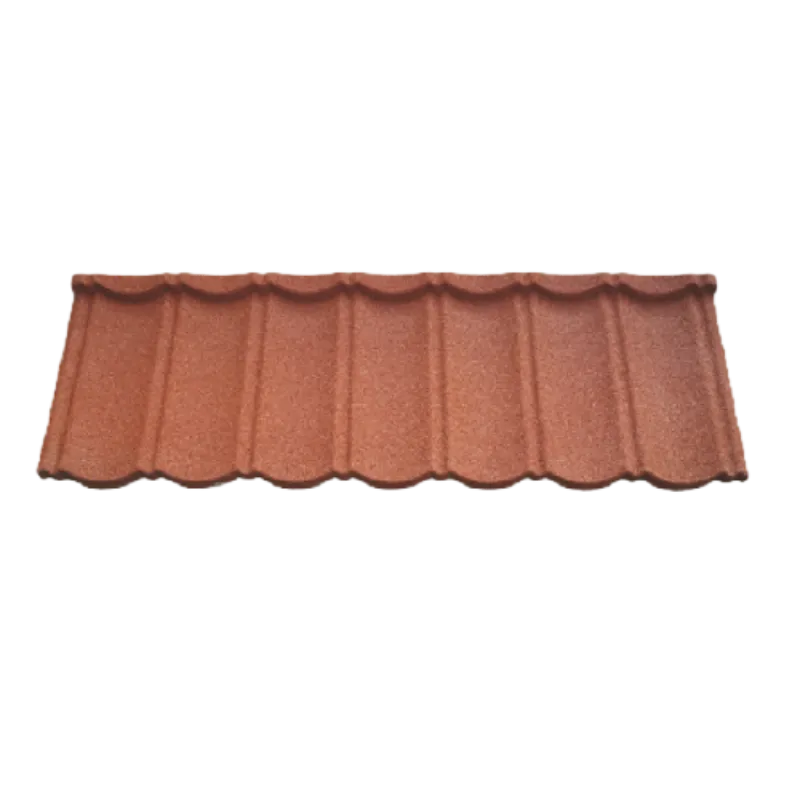
Homeowners often face a difficult decision when their current roofing system reaches the end of its lifespan: whether to stick with traditional materials or upgrade to a high-performance alternative. While many search for the average price for asphalt shingle roof replacement to budget their projects, the conversation is shifting toward long-term value and energy efficiency. Traditional shingles offer a familiar aesthetic, but they often fall short in extreme weather conditions and thermal regulation. This is where advanced materials, such as stone coated metal roof tiles, redefine the standard for modern residential and commercial structures by blending the classic look of clay or slate with the structural integrity of engineered steel.
By integrating high-reflective technologies like HlREFLE granules, the industry is now providing solutions that not only protect a building from the elements but actively reduce cooling costs. For those evaluating the total cost of ownership, comparing the upfront installation of standard shingles against the durability of stone coated metal reveals a significant difference in lifecycle expenditure and environmental impact.

The Evolution of Modern Roofing: Beyond Traditional Asphalt Shingles
For decades, asphalt shingles have been the default choice for residential roofing due to their accessibility. However, the inherent limitations of organic and fiberglass-based mats lead to inevitable degradation under UV exposure and thermal cycling. In contrast, the industry has seen a surge in the adoption of stone coated metal roof tiles. These products utilize a high-corrosion-resistant Al-Zn plate as the core, providing a structural foundation that is fundamentally superior to the composite layers of a shingle.
The engineering behind these tiles involves a sophisticated multi-layer approach: a durable metal base, a high-quality waterproof acrylic resin adhesive, and a surface of natural stone particles or inorganic color pigments. This combination ensures that the roof possesses the decorative depth of traditional clay tiles while maintaining the lightweight and strong performance of modern metallurgy. As building codes evolve to require higher wind and fire resistance, the shift toward these hybrid materials becomes a necessity rather than a luxury.
Furthermore, the integration of cool roof technology is transforming how we view roofing. By utilizing reflective materials, buildings can significantly lower their heat absorption, which directly impacts the interior temperature and reduces the load on HVAC systems. This represents a transition from passive protection to active energy management.

Technical Superiority and Performance Characteristics of Stone Coated Metal
When evaluating a roofing material, the primary concern is its ability to withstand environmental stressors. Stone coated metal tiles excel in areas where traditional materials fail. Because they are based on Al-Zn alloy plates, they offer exceptional resistance to corrosion and oxidation, ensuring the roof does not rust even in humid or coastal environments. Their structural composition makes them naturally fire-resistant and capable of withstanding severe hail and storm impacts that would typically shred or displace asphalt shingles.
Key performance advantages include:
- Extreme Weather Resilience: Engineered to be wind-resistant and earthquake-resistant, making them ideal for high-risk geographic zones.
- Installation Efficiency: Despite their robust nature, they are designed for easy installation, reducing the labor hours required for complete roof coverage.
- Structural Versatility: These tiles are suitable for all sloping roofs, regardless of whether the underlying structure is wood, steel, or concrete.
- Environmental Sustainability: The use of inorganic pigments and recyclable metal components reduces the ecological footprint compared to petroleum-based products.
The synergy of lightweight design and high strength means that these roofs do not place undue stress on the building's frame, which is a critical consideration for original buildings undergoing renovation or for new constructions seeking to optimize material costs without sacrificing quality.
Strategic Selection: Balancing Upfront Costs with Lifecycle Value
Many procurement managers and homeowners focus initially on the immediate expenditure. While the average price for asphalt shingle roof replacement may appear lower at the point of purchase, a comprehensive financial analysis must include the frequency of replacement and maintenance costs. Asphalt shingles typically require replacement every 15 to 30 years, whereas stone coated metal is designed for long-term durability, often lasting twice as long or more.
The "Cost Effective" nature of stone coated metal is realized through several vectors. First, the reduction in maintenance—such as replacing missing tabs or patching leaks—saves significant capital over time. Second, the energy-saving capabilities provided by reflective granules, such as HlREFLE, lead to lower monthly utility bills. When these factors are aggregated, the total cost of ownership often drops below that of traditional shingle systems.
Additionally, the aesthetic value of stone coated metal often translates to higher property appraisal. The sophisticated appearance of "Classic" or "Roman" styles mimics expensive natural materials but without the weight or the prohibitive cost of genuine slate or clay. This makes it a strategic choice for those looking to enhance the curb appeal and market value of their assets.
Comparative Analysis: Stone Coated Metal vs. Traditional Shingles
| Evaluation Factor | Asphalt Shingles | Stone Coated Metal | Impact on Ownership |
|---|---|---|---|
| Service Lifespan | Medium (15-30 Years) | High (50+ Years) | Lower Replacement Frequency |
| Weather Resistance | Moderate | Exceptional | Reduced Insurance Risks |
| Thermal Reflectivity | Low to Moderate | Very High (with HlREFLE) | Lower Energy Consumption |
| Installation Weight | Medium | Low | Reduced Structural Load |
| Maintenance Need | Regular | Minimal | Reduced Labor Expenditure |
Manufacturing Excellence and Quality Assurance in Reflective Roofing
The quality of a roof is fundamentally determined by the precision of its manufacturing. Hebei Chida Manufacture and Trade Co., Ltd has leveraged years of technical expertise in the mineral field to develop the HlREFLE granules, a breakthrough in reflective roofing materials. This R&D-driven approach ensures that the reflective particles are not merely a surface coating but are integrated into the product to maintain performance over decades of exposure.
The manufacturing process emphasizes the bond between the Al-Zn plate and the stone granules. By using high-grade waterproof acrylic resin, the company ensures that the decorative surface remains intact even under extreme wind loads or hail impact. This focus on adhesive quality prevents the "shedding" commonly seen in lower-quality stone coated products, maintaining both the aesthetic and the protective properties of the roof.
As a specialist in cool roof materials, the company provides a comprehensive series including metal tiles and asphalt shingles enhanced with HlREFLE technology. This allows clients to choose the specific material weight and style they need while still benefiting from the core energy-saving advantages of high-reflectivity granules. This level of customization is essential for meeting the varied architectural requirements of international markets.
Future Trends in Sustainable Roofing and Procurement Advice
The roofing industry is moving toward a "Net Zero" philosophy, where the building envelope acts as a tool for energy generation and conservation. The adoption of cool roof materials is a primary driver of this trend. Future developments will likely see a deeper integration of reflective materials with smart sensors and solar technologies, making the roof an active component of the building's energy grid.
For buyers and distributors, the recommendation is to move away from selecting materials based solely on the lowest initial bid. Instead, prioritize "performance-to-cost" ratios. When sourcing, evaluate the supplier's R&D capabilities—specifically their ability to provide documented reflective properties and corrosion resistance. A supplier that specializes in both the mineral granules and the metal substrate, like Hebei Chida, offers a more cohesive quality control process than a mere assembler.
In conclusion, whether you are managing a large-scale residential development or a specialized commercial project, the transition to stone coated metal tiles represents a forward-thinking investment. By prioritizing durability, energy efficiency, and aesthetic versatility, building owners can ensure their properties remain resilient and cost-effective for the next half-century.
Expert Insights on Roofing Material Selection
What makes stone coated metal tiles different from standard metal roofing?
Unlike standard metal roofs that have a smooth or ribbed finish, stone coated metal tiles are covered in natural stone granules. This provides the aesthetic of clay or slate while retaining the strength of steel, and the granules significantly reduce noise from rain and wind compared to bare metal.
How do HlREFLE granules contribute to energy savings?
HlREFLE granules are high-reflective materials designed to bounce a significant portion of solar radiation away from the roof. This prevents heat from penetrating the building attic, thereby reducing the need for air conditioning and lowering energy costs.
Can stone coated metal tiles be installed over existing roofs?
Yes, in many cases, they are suitable for original buildings and can be applied to various structure types including wood, steel, and concrete, provided the existing deck is structurally sound.
Are these tiles truly resistant to extreme weather?
Yes, the Al-Zn plate base provides high corrosion resistance, while the interlocking design and material strength make them resistant to hail, storms, wind, and even earthquake-related movements.
What should I look for when choosing a cool roof material supplier?
Look for suppliers with strong R&D capabilities in mineral reflective materials and a proven track record in manufacturing the specific adhesive resins that bond stone to metal, as this ensures the longevity of the product.
Is the installation process more complex than asphalt shingles?
While it requires specific training, stone coated metal tiles are designed for easy installation. Their lightweight nature and interlocking systems often allow for a faster and more secure installation than traditional heavy clay tiles.
Technical References and Industry Standards
- U.S. Department of Energy: Energy Efficient Roofing
- International Roofing Standards Association
- Cool Roof Rating Council (CRRC) Guidelines
- ASTM International Standards for Roofing Materials
Choosing the right roofing system is a balance of immediate budget and long-term asset protection. By shifting the focus from the initial cost of replacement to the lifecycle value of high-performance materials, building owners can achieve superior durability and significant energy savings.
Related Technical Analysis