

Mar . 14, 2026 02:15 Back to list
Comprehensive Guide to Flat Drop Ceiling Tiles Installation and Benefits
Understanding Flat Drop Ceiling Tiles: A Comprehensive Guide
Flat drop ceiling tiles are a popular choice for both residential and commercial spaces, offering an easy and cost-effective way to conceal wiring, plumbing, and ductwork. They also provide aesthetic appeal and can improve acoustic performance. This article will explore the benefits, types, installation, and maintenance of flat drop ceiling tiles, helping you make informed decisions for your project. We'll cover everything from material selection to ensuring a long-lasting, visually appealing finish.
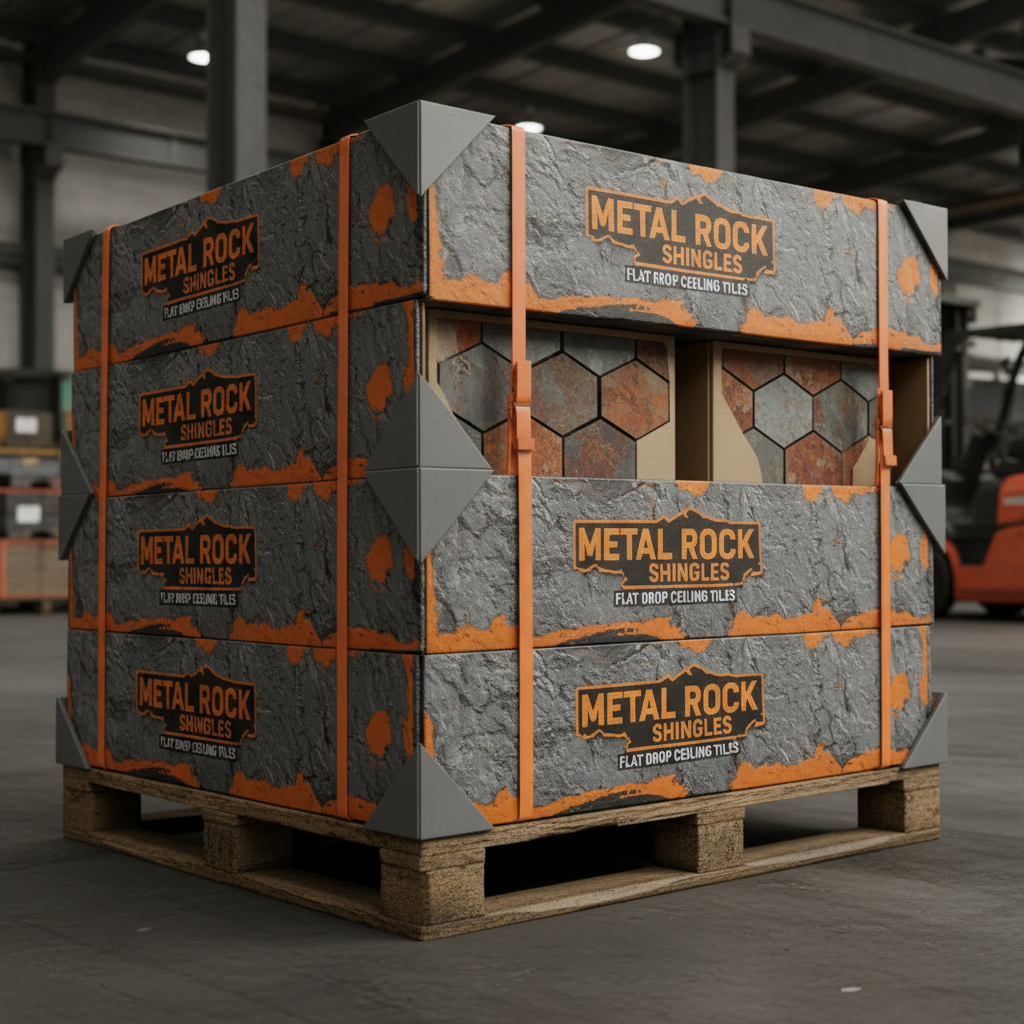
The Benefits of Choosing Flat Drop Ceiling Tiles
The advantages of using flat drop ceiling tiles are numerous. Primarily, they offer easy access to the space above for maintenance and repairs to pipes, wiring, and HVAC systems. They significantly improve the aesthetics of a room by concealing unsightly utilities. Furthermore, certain tile materials provide excellent sound absorption, reducing noise levels within a space. Installation is relatively straightforward, making it a cost-effective solution compared to other ceiling finishes. Properly installed flat drop ceiling tiles can also contribute to improved energy efficiency by providing an air space that aids in insulation.
Key Benefits: Easy access for maintenance, improved aesthetics, enhanced acoustic performance, cost-effective installation, potential energy efficiency gains.
Types of Flat Drop Ceiling Tiles: Materials and Properties
Various materials are used in the manufacturing of flat drop ceiling tiles, each with its own characteristics. Mineral fiber tiles are a common and affordable option, offering good sound absorption. Fiberglass tiles are lightweight and resistant to mold and mildew, making them suitable for damp environments. Metal tiles provide a sleek, modern look and are known for their durability and fire resistance. Finally, vinyl-faced tiles offer a cost-effective solution with a variety of finishes and are easy to clean. The choice of material depends on the specific needs of the space and budget considerations. Selecting the correct tile based on the environment is crucial for longevity and performance.
Material Comparison:
• Mineral Fiber: Affordable, good sound absorption.
• Fiberglass: Lightweight, mold/mildew resistant.
• Metal: Durable, fire-resistant, modern aesthetic.
• Vinyl-Faced: Cost-effective, easy to clean, variety of finishes.
Flat Drop Ceiling Tiles: Comparing Performance Metrics
Choosing the right tile requires understanding key performance metrics. Noise Reduction Coefficient (NRC) measures the tile’s ability to absorb sound. A higher NRC value indicates better sound absorption. Light Reflectance Value (LRV) indicates how much light the tile reflects, impacting the brightness of the room. Fire Resistance rating determines the tile’s ability to withstand fire exposure. Sag Resistance measures the tile’s ability to maintain its flatness over time, especially in humid environments. Considering these factors alongside your project’s needs ensures optimal performance and long-term satisfaction. Cool Roof Materials offers detailed specifications for all their ceiling tile products.
Installation of Flat Drop Ceiling Tiles: A Step-by-Step Guide
Installing flat drop ceiling tiles generally involves suspending a grid system from the existing ceiling structure. This grid provides the support for the tiles. The process includes accurately measuring the room, installing the grid runners and cross tees, and then carefully placing the tiles into the grid. Proper leveling of the grid is critical to ensure a professional finish. Cutting tiles to fit around obstacles requires a utility knife and careful measurements. For larger projects, or if you’re not comfortable with DIY work, professional installation is recommended.

Maintenance and Longevity of Your Ceiling
Maintaining your flat drop ceiling tiles is relatively simple. Regular dusting with a soft cloth or vacuum cleaner attachment will prevent dirt and dust buildup. Avoid using harsh chemicals or abrasive cleaners, as these can damage the tile surface. For stains, a mild soap and water solution is usually sufficient. Inspect the tiles periodically for signs of damage, such as sagging or water stains, and replace any damaged tiles promptly. Proper maintenance will extend the lifespan of your ceiling and keep it looking its best.
Conclusion: Enhancing Your Space with Flat Drop Ceiling Tiles
Flat drop ceiling tiles offer a versatile, cost-effective, and aesthetically pleasing solution for a wide range of applications. By understanding the different types of tiles, their performance characteristics, and proper installation techniques, you can create a functional and attractive space. Explore the selection of high-quality flat drop ceiling tiles at Cool Roof Materials to find the perfect fit for your project.
Frequently Asked Questions (FAQs)
How do I choose the right size ceiling tiles?
Standard flat drop ceiling tiles typically come in 2ft x 2ft or 2ft x 4ft sizes. The choice depends on the existing grid system, if any. If you're installing a new grid, consider the room dimensions and aesthetic preferences. Larger tiles often create a more modern look, while smaller tiles provide more flexibility for complex layouts. Measure your room accurately and plan the layout before purchasing tiles to minimize waste and ensure a seamless fit. It’s recommended to purchase a few extra tiles to account for cuts and potential damage.
Can flat drop ceiling tiles be painted?
Yes, most flat drop ceiling tiles can be painted, but it's essential to use the right type of paint. Water-based latex paint is generally recommended, as it's less likely to damage the tile surface. Avoid using oil-based paints, as they can cause the tiles to sag or warp. Before painting, clean the tiles thoroughly to remove any dirt or dust. It’s also a good idea to prime the tiles first to ensure better paint adhesion and a more uniform finish.
What are the benefits of using a suspended ceiling?
A suspended ceiling, or drop ceiling, offers numerous advantages. It conceals unsightly wiring, plumbing, and ductwork, creating a cleaner, more finished look. It improves acoustic performance by absorbing sound, reducing noise levels. It provides easy access to utilities for maintenance and repairs without disturbing the entire space. And, it can improve energy efficiency by creating an air space for insulation. It's also a relatively inexpensive way to renovate a room.
Are flat drop ceiling tiles suitable for bathrooms?
Yes, but it's crucial to choose moisture-resistant tiles. Fiberglass or vinyl-faced tiles are the best options for bathrooms, as they are less susceptible to mold and mildew growth. Ensure proper ventilation in the bathroom to minimize moisture buildup. Avoid using mineral fiber tiles in bathrooms, as they can absorb moisture and deteriorate over time. Also, consider a waterproof ceiling paint to further protect the tiles from moisture damage.
Previous:
Latest news
-
Elevating Modern Design with High Quality Flat Mosaic Tiles
NewsApr.16,2026
-
Flat Liner Tile Guide for Roof Durability and Modern Aesthetics
NewsApr.09,2026
-
Exploring the Benefits of Durable Flat Interlocking Tiles for Modern Roofing Systems
NewsApr.07,2026
-
Choosing the Best Flat Interlocking Roof Tiles for Modern Homes
NewsApr.04,2026
-
Exploring the Versatility and Benefits of Flat Grey Tile for Modern Designs
NewsMar.31,2026
-
Comprehensive Guide to Choosing the Best Flat Grey Roof Tiles for Your Project
NewsMar.28,2026

Copyright © 2026 Hebei Chida Manufacture and Trade Co., Ltd. All Rights Reserved. Sitemap | Privacy Policy | Top Blog | Global Service