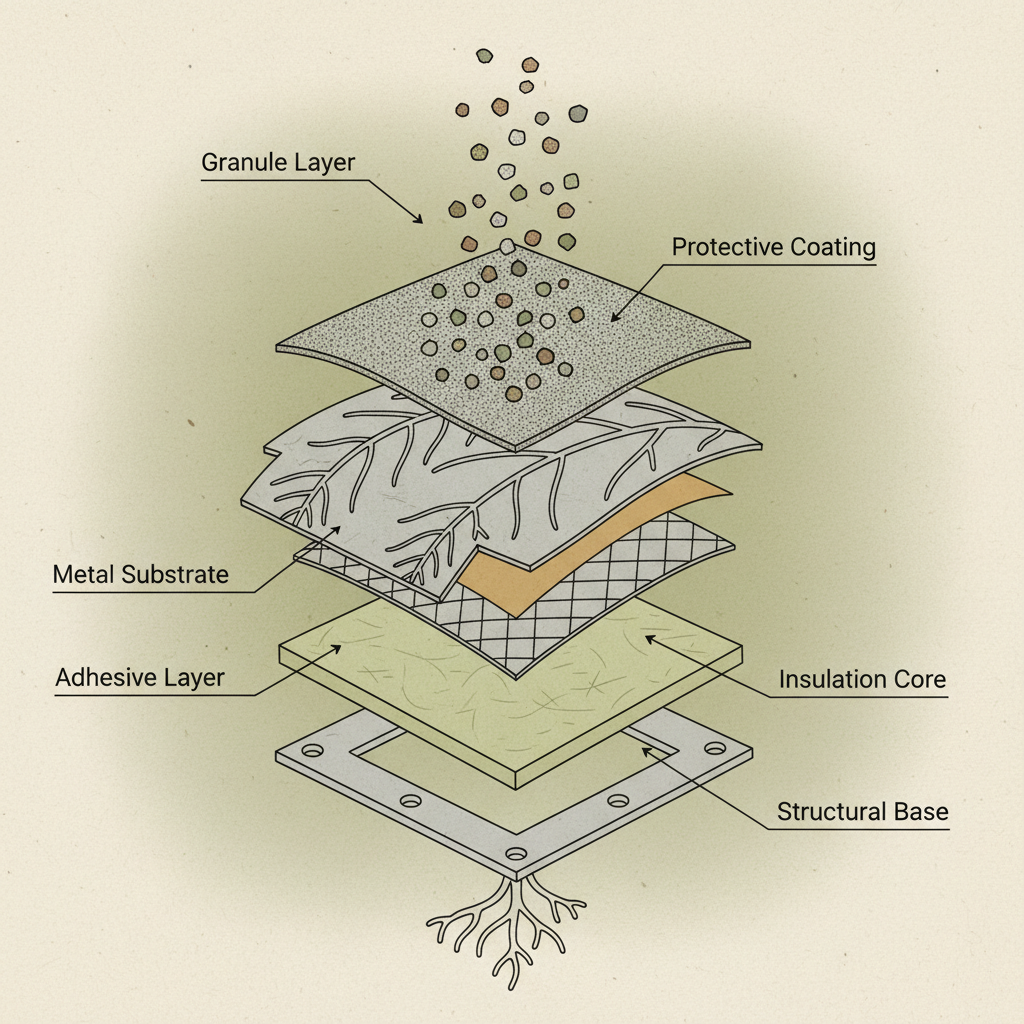
When planning a home renovation or a new construction project, understanding the architectural shingle roof cost is one of the most critical steps in budgeting. Roofing represents a significant portion of a building's exterior investment, and the choice between traditional materials and modern alternatives can drastically impact both the initial outlay and long-term maintenance requirements.
Beyond the initial price tag, the architectural shingle roof cost is influenced by a variety of factors, including the complexity of the roof slope, the quality of the underlayment, and the specific durability ratings of the chosen shingles. For many homeowners, the goal is to find a balance between aesthetic appeal and a price point that offers a sustainable return on investment through increased property value.
However, as material science evolves, many are discovering that alternatives like stone coated metal roof tiles provide a superior value proposition when compared to the standard architectural shingle roof cost, offering extreme durability and fire resistance without sacrificing the classic look of traditional shingles.
Global Market Trends in Roofing Investment
On a global scale, the construction industry is seeing a shift in how homeowners perceive the architectural shingle roof cost. With the rise of extreme weather events and stricter building codes established by international standards, there is an increasing demand for materials that offer more than just basic shelter. Investors and homeowners are now looking at the "lifecycle cost" rather than just the upfront installation price.
In many developed markets, the trend is moving toward high-performance materials. While traditional asphalt shingles remain popular due to their accessibility, the integration of stone coated metal and high-reflective ceramic granules is becoming common in regions where energy efficiency and fire safety are prioritized to reduce overall insurance and utility costs.
Defining the Components of Roofing Expenses
To truly understand the architectural shingle roof cost, one must break down the total expense into its primary components. This typically includes the cost of raw materials, the labor for removal of the old roof, the installation of the underlayment, and the final application of the shingles. Labor costs can vary wildly depending on the geographic region and the complexity of the roof's geometry.
Material quality plays a pivotal role in the final pricing. Higher-grade architectural shingles feature thicker layers and better granule adhesion, which increases the initial cost but extends the time between replacements. When compared to stone coated metal roof tiles, asphalt shingles are often cheaper initially but may require more frequent maintenance.
Additional expenses often overlooked include flashing, ridge vents, and the disposal fees for old materials. A comprehensive budget must account for these "hidden" costs to avoid surprises during the construction phase, ensuring that the total architectural shingle roof cost aligns with the project's financial goals.
Durability Factors Affecting Long-Term Value
The long-term value of a roof is measured by its ability to withstand environmental stressors. When calculating the architectural shingle roof cost, it is essential to consider how wind resistance and waterproof capabilities affect the frequency of repairs. A roof that fails every ten years is far more expensive than one that lasts thirty.
Materials like Stone Coated Metal Roof Tiles offer a distinct advantage over the traditional architectural shingle roof cost because they are inherently fireproof and acid/alkali resistant. This makes them an ideal choice for industrial zones or coastal areas where salt spray and pollution can degrade standard asphalt materials quickly.
Furthermore, the structural stability of the building is impacted by the weight of the roofing material. Lightweight options, such as specialized asphalt shingles or stone coated metal, reduce the load-bearing pressure on the roof, which can potentially lower the cost of structural reinforcements during the building process.
Cost Efficiency of Modern Material Alternatives
When analyzing the architectural shingle roof cost, it is helpful to compare it against high-efficiency alternatives. While asphalt shingles offer flexibility in cutting for complex geometric shapes, stone coated metal tiles provide a superior blend of aesthetics and longevity. The cost-effectiveness of metal tiles is found in their extreme durability and ease of installation.
For those focused on energy savings, High Reflective Ceramic Granules (HIREFLE) for cool roofs provide a way to lower the "operational cost" of a building. By reflecting sunlight, these materials reduce indoor temperatures and air conditioning bills, effectively offsetting the initial investment relative to a standard architectural shingle roof cost.
Comparative Analysis of Roofing Investment Value
Global Applications in Diverse Climates
The application of roofing materials varies significantly by region. In tropical areas with high humidity and salt air, the architectural shingle roof cost is often a secondary concern to the material's resistance to rot and corrosion. This is where stone coated metal tiles shine, as they provide waterproof and acid-resistant properties that prevent premature decay.
In contrast, in colder northern climates, the focus shifts to snow-load capacity and heat retention. The lightweight nature of modern asphalt shingles reduces structural stress, while the availability of various shapes and colors allows for seamless integration into a wide range of architectural styles, from rustic cabins to urban townhomes.
Sustainability and the Environmental Cost
Sustainability is becoming a primary driver in the conversation surrounding the architectural shingle roof cost. Traditional asphalt shingles, while cost-effective, often end up in landfills at the end of their lifecycle. This creates an environmental "hidden cost" that many modern developers are seeking to avoid by choosing more recyclable materials.
Eco-friendly alternatives, such as metal roof tiles with high-reflective coatings, contribute to the reduction of the urban heat island effect. By lowering the amount of heat absorbed by the roof, these materials decrease the energy demand for cooling, making the long-term financial outlook more favorable than a standard asphalt installation.
Moreover, the ease of transportation and storage for lightweight roofing products reduces the carbon footprint associated with logistics. When the architectural shingle roof cost is evaluated alongside carbon credits and energy savings, sustainable materials often emerge as the logically superior choice for forward-thinking builders.
Future Innovations in Roof Material Pricing
The future of roofing is being shaped by automation and material science. We are seeing the emergence of "smart" materials that can self-heal or change color based on temperature. These innovations will likely shift the architectural shingle roof cost from a static purchase to a dynamic investment in building intelligence.
Digital transformation in the manufacturing process is also lowering costs. Precision cutting and automated granule application mean that high-quality, complex shapes can be produced more efficiently, making premium aesthetics more accessible to the average homeowner without a massive price hike.
As green energy policies become more stringent, we expect to see an integration of solar-ready roofing materials. The architectural shingle roof cost will soon include the capability for energy generation, turning the roof from a passive protective layer into an active asset for the household.
Comparison of Material Performance and Long-Term Cost Impact
| Material Type |
Initial Cost Rating |
Lifespan (Years) |
Maintenance Need |
| Standard Asphalt |
Low (4/10) |
15-20 |
High |
| Architectural Shingle |
Medium (6/10) |
25-30 |
Moderate |
| Stone Coated Metal |
High (8/10) |
50+ |
Low |
| Ceramic Granule Roof |
Medium-High (7/10) |
40+ |
Low |
| Premium Composite |
High (9/10) |
30-40 |
Moderate |
| Traditional Slate |
Very High (10/10) |
75+ |
Low |
FAQS
While the initial architectural shingle roof cost is generally lower, stone coated metal is often more cost-effective over 50 years. Metal tiles are fireproof, waterproof, and highly resistant to acid and alkali, meaning you avoid the cost of multiple roof replacements that occur with asphalt shingles.
The primary drivers are material grade, roof pitch, and labor. Complex roof geometries with many valleys and peaks increase labor time and material waste, which significantly raises the total architectural shingle roof cost compared to a simple gable roof.
Yes, lightweight materials like asphalt shingles or stone coated metal reduce the load-bearing pressure on your home's structure. This can lead to lower structural reinforcement costs during construction and easier transportation and installation, reducing overall labor expenses.
Absolutely. By using High Reflective Ceramic Granules (HIREFLE), you can significantly reduce the amount of solar heat absorbed by your roof. This lowers your monthly energy bills for cooling, which provides a financial return that offsets the initial material cost over time.
In many cases, yes. Investing in fireproof materials like stone coated metal can lower your homeowners' insurance premiums. When you factor in these savings and the reduced risk of catastrophic loss, the higher initial cost is a prudent investment in safety and financial security.
Most architectural shingles are rated for 25 to 30 years. However, actual longevity depends on the climate and maintenance. For those seeking a permanent solution, switching to stone coated metal can extend this window to over 50 years, eliminating the recurring architectural shingle roof cost.
Conclusion
Navigating the architectural shingle roof cost requires a balance between immediate budget constraints and long-term property value. While asphalt shingles offer an accessible and flexible solution for many, the emergence of stone coated metal tiles and high-reflective ceramic granules has redefined what homeowners should expect in terms of durability, safety, and energy efficiency. Understanding that the cheapest single installation is rarely the most economical long-term choice is key to making a smart investment.
As we move toward a future of greener building practices and more extreme weather patterns, prioritizing materials that offer fire resistance, waterproof capabilities, and high solar reflectance will be essential. We recommend evaluating your local climate and long-term residency plans before selecting a material to ensure your roof provides maximum protection and value. Visit our website for more professional guidance: www.coolroofmaterials.com