The global construction industry is witnessing a significant shift toward high-performance roofing materials that combine aesthetic appeal with environmental responsibility. Among these innovations, the concept of a metal tile shake has emerged as a premier choice for homeowners and commercial developers seeking the rustic charm of traditional wood shakes without the associated maintenance burdens or fire risks.
Modern architectural demands require materials that can withstand extreme weather conditions while simultaneously reducing the carbon footprint of the building. By integrating advanced coatings and reflective technologies, the industry is moving toward "cool roof" solutions that actively combat the urban heat island effect, ensuring that residential and industrial structures remain sustainable in an era of rising global temperatures.
Central to this evolution is the application of high-performance granules, such as HIREFLE, which enhance the longevity and energy efficiency of a metal tile shake system. These specialized materials provide the necessary protection against UV radiation and weather erosion, transforming a standard metal roof into a sophisticated thermal barrier.
The Engineering Evolution of Metal Tile Shake
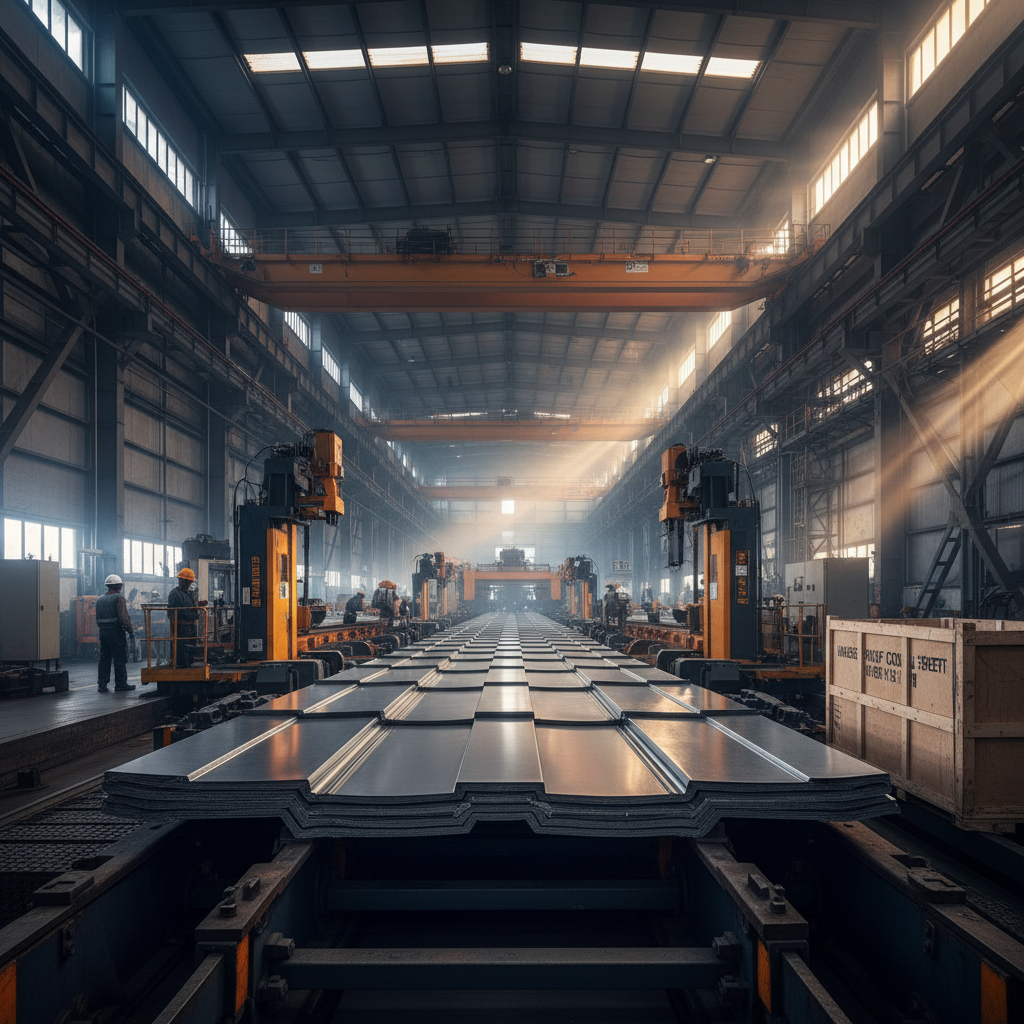
The transition from traditional cedar shakes to the modern metal tile shake represents a leap in material science. Engineers have successfully replicated the organic texture and depth of natural wood using precision-stamped metal alloys, which are then coated with specialized ceramic granules to ensure a realistic appearance and superior durability.
Unlike organic materials that decay over time, these engineered systems utilize multi-layered protection. The base metal provides structural rigidity, while the outer layer of HIREFLE granules provides the essential shield against the elements, ensuring that the roof does not just look beautiful but functions as a high-efficiency thermal envelope.
Defining the Technical Standards of Modern Roofing
In professional terms, a metal tile shake is a high-performance roofing system designed to simulate the aesthetic of wood shakes while leveraging the strength of steel or aluminum. It is defined by its ability to combine architectural elegance with rigorous industrial standards for fire resistance and wind uplift.
From a manufacturing perspective, the quality of these tiles is determined by the precision of the metal forming and the adhesion quality of the protective granules. The integration of cool-roof technology means these products are no longer just covers; they are active components in a building's energy management strategy.
This intersection of aesthetics and engineering addresses a critical humanitarian and urban need: the creation of durable, fire-safe housing in high-risk areas. By replacing flammable wood with treated metal, cities can significantly reduce the risk of catastrophic fire spread during wildfires or urban accidents.
Core Performance Factors of Reflective Granules
The effectiveness of a metal tile shake is largely dependent on the granules applied to its surface. High solar reflectivity is the primary factor, as it allows the roof to bounce a significant portion of the sun's rays back into the atmosphere rather than absorbing them as heat.
Beyond reflectivity, UV opacity is critical for the longevity of the metal tile shake. HIREFLE granules provide a dense barrier that prevents ultraviolet rays from penetrating the underlying coatings, which prevents cracking and fading, thereby extending the roof's lifespan by decades.
Finally, superior weathering and staining resistance ensure that the roof maintains its professional appearance. With good self-cleaning performance and precise size distribution control, these granules minimize dust accumulation and prevent the growth of organic pollutants, reducing the need for chemical cleaning.
Comparative Analysis of Thermal Efficiency
When comparing different roofing methodologies, the impact of solar reflectance is evident in the internal temperature of the building. A standard dark roof can reach temperatures exceeding 70°C (158°F) in direct summer sun, whereas a system utilizing reflective granules remains significantly cooler.
The adoption of HIREFLE technology in metal tile shake designs results in lower cooling loads for HVAC systems, directly translating to reduced electricity consumption and lower carbon emissions for the building owner.
Thermal Performance Rating of Roofing Materials
Global Applications in Diverse Climates
In the arid regions of the Middle East and the Southwestern United States, the metal tile shake is utilized primarily for its high solar reflectivity. By reflecting the intense radiation of the desert sun, these roofs protect the structural integrity of the building and provide a safer internal environment for inhabitants.
Conversely, in coastal regions prone to high humidity and salt spray, the superior weathering resistance of the ceramic granules prevents corrosion. This makes the system an ideal choice for luxury resorts and residential complexes in tropical zones where traditional materials would degrade rapidly due to oxidation and moisture.
Long-Term Economic and Ecological Value
The initial investment in a premium metal tile shake is offset by the drastic reduction in long-term maintenance costs. Unlike asphalt or wood, which require frequent replacements or chemical treatments, these metal systems are designed for a multi-decade lifespan with minimal intervention.
From an ecological standpoint, the use of low-density, low-consumption materials during production reduces the overall embodied energy of the roof. The ability to reflect heat also means a lower demand for air conditioning, which reduces the strain on local power grids and lowers greenhouse gas emissions.
Furthermore, the durability of the metal substrate ensures that the roof does not end up in a landfill every 15-20 years. The recyclability of the base metal, combined with the inert nature of the ceramic granules, makes this one of the most sustainable roofing choices available in the modern market.
Future Innovations in Sustainable Roofing
The future of the metal tile shake lies in the further refinement of "smart" materials. We are seeing a trend toward granules that can not only reflect heat but also actively neutralize airborne pollutants through photocatalytic properties, contributing to cleaner city air.
Integration with green energy is another burgeoning field. Future iterations of metal shakes may include thin-film photovoltaic layers beneath the reflective granules, allowing a roof to generate electricity without sacrificing the traditional "shake" aesthetic.
As global building codes increasingly mandate higher energy efficiency (such as LEED or BREEAM certifications), the demand for high-reflectivity materials will only grow. The focus will shift toward precise size distribution control to maximize the reflective surface area while maintaining a natural look.
Comparative Analysis of HIREFLE Enhanced Metal Roofing Systems
| Performance Metric |
Standard Metal Shake |
HIREFLE Enhanced Shake |
Impact on Energy Cost |
| Solar Reflectivity |
Moderate |
High |
Significant Reduction |
| UV Protection |
Standard |
Superior Opacity |
Extended Lifespan |
| Weather Resistance |
Average |
Superior |
Lower Maintenance |
| Self-Cleaning Ability |
Low |
Excellent |
Reduced Cleaning Cost |
| Dust Accumulation |
Moderate |
Extremely Low |
Maintains Albedo |
| Material Density |
Standard |
Low Density |
Lower Install Weight |
FAQS
It works through high solar reflectivity. By using specialized granules like HIREFLE, the roof reflects a larger portion of solar radiation away from the building. This prevents the attic and upper floors from heating up, which significantly reduces the workload on air conditioning systems during hot months, thereby lowering electricity bills.
In many ways, it is more durable. While ceramic and slate are strong, they are brittle and can crack. A metal tile shake combines the strength of steel with the protective layer of ceramic granules, making it resistant to impact, hail, and thermal expansion and contraction without the risk of cracking.
Unlike standard paint, HIREFLE granules are engineered for high UV opacity. This means they act as a physical shield that prevents the sun's rays from breaking down the pigments and coatings. While all materials experience some aging, these granules are designed for extreme weathering resistance to maintain their color and reflectivity for decades.
Yes, they are excellent for snowy climates. The smooth yet textured surface of the metal allows snow to slide off more easily than wood shakes, preventing dangerous snow load buildup. Additionally, the metal substrate does not absorb moisture, eliminating the risk of rot and mold that plagues traditional shakes in damp, cold environments.
Low density means that more coverage can be achieved with less material weight. This reduces the overall load on the building's structural frame and lowers shipping costs. For the installer, it means easier handling and a more efficient application process without sacrificing the protective thickness of the coating.
In many cases, yes, depending on local building codes and the condition of the existing deck. Because metal tile shakes are lightweight compared to concrete or slate, they often don't require the same structural reinforcement, making them a viable option for retrofitting older homes to improve energy efficiency.
Conclusion
The integration of HIREFLE granules into the metal tile shake system represents a perfect synergy of architectural beauty and environmental science. By focusing on high solar reflectivity, UV opacity, and superior weathering resistance, these roofing solutions address the dual challenge of maintaining aesthetic standards while drastically reducing building energy consumption.
As the world moves toward stricter sustainability mandates and faces more volatile weather patterns, investing in high-performance, cool-roof materials is no longer a luxury but a necessity. We encourage developers and homeowners to prioritize materials that offer long-term value through energy savings and structural durability. Visit our website for more information: www.coolroofmaterials.com