
Nov . 26, 2025 19:50 Back to list
Imitation Clay Tile Roofing – Affordable, Durable & Sustainable Roofing Solutions Worldwide
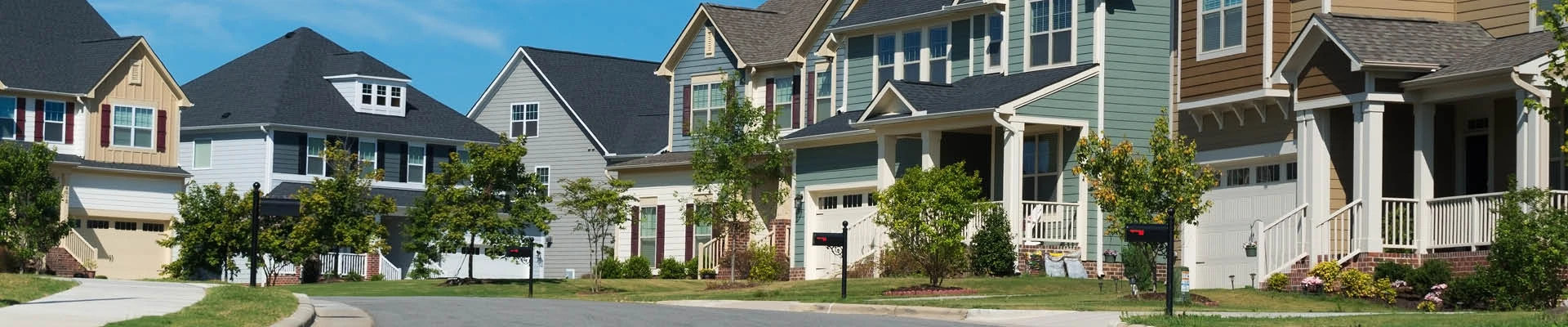
Understanding Imitation Clay Tile Roofing: A Global Perspective
If roofs could tell stories, I imagine imitation clay tile roofing would whisper tales of innovation, sustainability, and affordability. Though it may sound niche at first, its influence spans continents — from quaint residential neighborhoods to large-scale humanitarian projects. Globally, the demand for sustainable, cost-effective, and aesthetically pleasing roofing solutions grows each day. Understanding imitation clay tile roofing not only sheds light on current construction trends but also highlights pivotal shifts toward eco-friendlier and disaster-resilient infrastructure.
Why does it matter worldwide? According to the United Nations (UN Habitat), over 1 billion people live in substandard or unsafe housing conditions — and roofs are central to that problem. Imitation clay tile roofing offers a tangible solution by balancing traditional looks with modern materials. It’s a conversation starter for architects, homeowners, NGOs, and policy-makers alike.
Mini Takeaway:
Imitation clay tile roofing isn’t just about looks — it’s a practical response to global housing challenges, blending cost, durability, and style.
Why Imitation Clay Tile Roofing Has Gained Global Relevance
A quick glance at global housing data reveals a pressing need for roofing that resists extreme weather, is affordable, and respects local aesthetics. The World Bank reports that damaged or inappropriate roofs contribute significantly to climate vulnerability, especially in developing nations. Clay tiles have long been favored for durability and heat resistance, but their real clay counterparts come with high costs and weight.
Enter imitation clay tile roofing: lightweight, easier to install, and significantly less costly. This roofing type addresses problems like:
- Affordability for low-income and post-disaster areas
- Compatibility with environmentally sensitive zones
- Speed of installation compared to traditional clay tile
The International Organization for Standardization (ISO) and other bodies are starting to outline standards that include these innovative materials, acknowledging their rising importance in sustainable construction.
Mini Takeaway:
As budgets tighten and climate risks grow, imitation clay tile roofing emerges as a practical global roofing choice.
What Exactly Is Imitation Clay Tile Roofing?
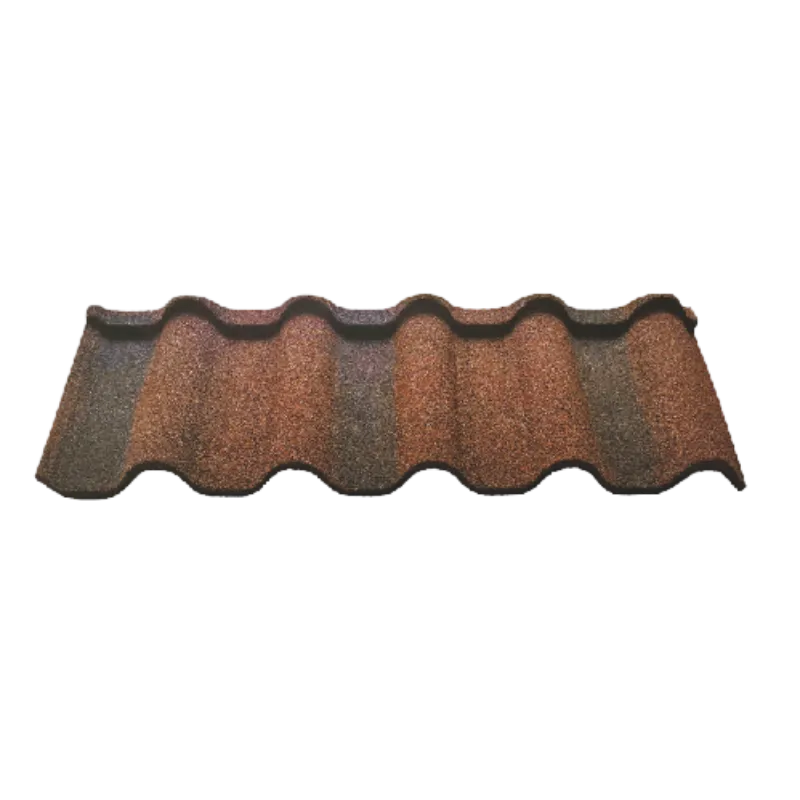
Simply put, imitation clay tile roofing consists of roofing materials designed to replicate the classic appearance of traditional fired clay tiles but are made from alternative materials such as concrete composites, polymers, or fiber cement. This makes them lighter and often more flexible in application.
Unlike traditional clay tiles, which require careful handling and specialized installation, these imitation tiles are engineered for speed and durability without compromising the tile’s signature aesthetic. They cater to those who want the charm of Mediterranean or Spanish-style clay roofs but need a product that fares better under budget constraints or environmental demands.
Beyond aesthetics, these tiles connect to broader needs in the building sector: reducing carbon footprints, improving energy efficiency, and providing disaster-resistant solutions — all deeply relevant to humanitarian architects and green builders alike.
Mini Takeaway:
Imitation clay tile roofing cleverly bridges tradition with innovation, making classic designs accessible and resilient.
Key Features of Imitation Clay Tile Roofing
1. Durability and Weather Resistance
Many imitation clay tile products boast impressive resistance to weather extremes — UV rays, heavy rain, hail, and even seismic stresses. For example, fiber cement tiles can endure harsh tropical storms better than traditional clay, which can crack under mechanical stress.
2. Lightweight and Easier Installation
Weight plays a massive role in roofing choices. While clay tiles can weigh over 700 pounds per square (100 sq ft), imitation tiles often weigh less than half that, making for easier transport, faster installation, and sometimes, reduced structural demands on buildings.
3. Cost Efficiency
The materials used often drive the price down dramatically, while installation times shorten significantly. For low-income housing projects, this cost saving can translate into more homes built or retrofitted.
4. Aesthetic Versatility
Manufacturers offer a range of colors, finishes, and textures — everything from aged terracotta looks to sleek modern designs — ensuring nobody has to sacrifice curb appeal for performance.
5. Sustainability
Unlike fired clay tiles, many imitation tiles incorporate recycled materials or are recyclable themselves. Some products even offer better insulation, reducing energy bills and carbon footprints over the roofing’s lifetime.
6. Fire Resistance
Certain composite materials used in imitation tiles feature enhanced fire retardant properties, an important factor as wildfires increase globally.
Mini Takeaway:
The true strength of imitation clay tile roofing lies in pairing practical performance with aesthetic value.
Product Specifications: A Typical Imitation Clay Tile Roofing Panel
| Specification | Details |
|---|---|
| Material | Fiber cement composite |
| Weight per sq ft | 10 lbs |
| Fire Rating | Class A (ASTM E108) |
| Installation Time | ~2 days per 1,000 sq ft |
| Warranty | 25 years |
| Color Options | Terracotta, Brown, Copper Red, Charcoal |
| Recyclability | 75% recyclable materials |
Global Applications & Notable Use Cases
In post-disaster relief operations, quick roofing solutions are invaluable. For instance, after the 2010 Haiti earthquake, NGOs experimented with imitation clay tile roofing to replace damaged traditional roofs, providing safer shelter faster than firing and installing pure clay tiles would allow.
Remote industrial zones — like those in Southeast Asia’s rainforest-heavy areas — benefit from imitation tiles because they combine sturdiness with lightness. This cuts transport costs and lessens environmental impact, a huge win for companies with green mandates.
In Mediterranean countries like Spain and Italy, where heritage preservation is key, imitation clay tile roofing keeps the visual identity intact while going easier on budgets and meeting modern safety codes. Some wealthy urban projects in the US and Australia also use these tiles as a nod to classic style without the weight or fragility.
Mini Takeaway:
Whether rebuilding homes after a disaster or upholding cultural aesthetics, imitation clay tiles prove their worth worldwide.
Comparing Popular Imitation Clay Tile Roofing Vendors
| Vendor | Material Type | Warranty | Sustainability Features | Price per sq ft |
|---|---|---|---|---|
| EcoTile Roofing | Polymer-Concrete Blend | 30 years | Contains 40% recycled content | $4.50 |
| TileTech Systems | Fiber Cement Composite | 25 years | Fully recyclable, low VOC | $3.90 |
| Heritage Replicas | High-Density Polymer | 20 years | UV resistant, non-toxic | $4.20 |
The Long-Term Value of Imitation Clay Tile Roofing
Cost, sustainability, and style — it feels like a triple win with imitation clay tile roofing. On a financial level, the lower production costs and ease of installation save money upfront. Logically, if you factor in lower maintenance and energy savings from better insulation, the total cost of ownership tilts even more favorably.
On an emotional level, many homeowners report increased pride and satisfaction because their roofs mimic the timeless beauty of clay but feel modern and durable. Rescue organizations praise the safety aspects — offering disaster victims more than just shelter but dignity and protection.
In real terms, it meets the need for solutions that don’t trade off either beauty or practicality, and that makes it a trustworthy choice going forward.
Mini Takeaway:
Imitation clay tile roofing delivers balanced long-term advantages for budgets, the planet, and communities alike.
Future Trends Shaping Imitation Clay Tile Roofing
Looking ahead, the roofing industry leans heavily into sustainability and smart tech integration. Imitation clay tile roofing is evolving with:
- Green energy integration — tiles embedded with solar photovoltaic cells or solar-thermal layers.
- Advanced composites — materials that self-clean or adapt to temperature shifts.
- Digital fabrication — 3D printing allowing exact customization for complex roof shapes.
- Policy support — more international building codes recognizing composite tiles as standard options.
These innovations mean that imitation clay roofing might soon not only mimic tiles visually but actually outperform traditional clays at a fraction of the environmental cost.
Mini Takeaway:
Innovation is set to make imitation clay tile roofing lighter, smarter, and greener than ever.
Challenges & How Experts Are Tackling Them
Of course, it’s not all sunshine and smooth installs. Some challenges remain:
- Perceived authenticity: Purists sometimes argue imitation doesn’t match real clay’s heritage value.
- Material lifespan variability: Not all composites age equally well in harsh conditions.
- Regulatory hurdles: Not every region’s building code yet fully embraces imitation materials.
Experts encourage testing for local climate compatibility and working with manufacturers on warranties specific to environmental stressors. NGOs suggest hybrid approaches, combining imitation tiles with natural materials for high-impact zones.
Mini Takeaway:
Ongoing innovation and local testing will smooth out adoption bumps for imitation clay tiles.
FAQ: Your Top Questions About Imitation Clay Tile Roofing
Q1: How long does imitation clay tile roofing typically last?
A1: Most imitation clay tile products come with warranties between 20 to 30 years, but with proper maintenance, many will last well beyond 40 years depending on local weather conditions and installation quality.
Q2: Is imitation clay tile roofing suitable for all climates?
A2: Generally yes, but it depends on the specific material. Fiber cement composites perform well in wet and hot conditions, while polymer blends offer better freeze-thaw resistance. Always check local manufacturer guidelines.
Q3: How do costs compare to real clay tiles?
A3: Imitation clay tile roofing usually costs 30-50% less upfront and often saves on installation and structural reinforcement costs due to being lighter.
Q4: Can I replace existing clay tiles with imitation tiles on my roof?
A4: Often yes; installers value imitation tiles for retrofit projects because they reduce the need for structural reinforcements. However, consulting a structural engineer is recommended before replacing.
Q5: Where can I find sustainable imitation clay tile roofing?
A5: Many manufacturers now emphasize sustainability — look for products with recycled content and certifications like LEED or Green Seal. A quick online search or vendor inquiry should help locate nearby suppliers.
Wrapping Up: The Last Word on Imitation Clay Tile Roofing
From affordable housing efforts to stylish urban renovations, imitation clay tile roofing offers a smart balance of beauty, cost, and function. It respects tradition while embracing the future, making it a roofing choice with staying power.
If you’re curious to learn more or explore your options, visit our trusted resource on imitation clay tile roofing. Who knew roofs could be so much more than just shelter?
References:
Latest news
-
Expert Clay Roof Replacement Contractor Services: Durable, Sustainable & Authentic Roofing Solutions
NewsDec.02,2025
-
Comprehensive Guide to Clay Roof Replacement: Benefits, Trends & Best Practices
NewsDec.02,2025
-
Clay Roll Top Ridge Tiles: Durable, Sustainable Roofing for Every Climate
NewsDec.02,2025
-
Clay Ridge Tiles for Slate Roofs: Durable, Sustainable, and Elegant Roofing Solutions
NewsDec.02,2025
-
Comprehensive Guide to Clay Ridge Roof Tiles: Benefits, Applications & Future Trends
NewsDec.02,2025
-
Clay Red Roof Tiles – Durable, Sustainable & Timeless Roofing Solutions
NewsDec.02,2025
Copyright © 2026 Hebei Chida Manufacture and Trade Co., Ltd. All Rights Reserved. Sitemap | Privacy Policy | Top Blog | Global Service