
Nov . 26, 2025 21:40 Back to list
Durable & Sustainable Metal Clay Tile Roofs | Modern Roofing Solutions
Why Metal Clay Tile Roofs Matter More Than Ever
When we talk about roofs, most people imagine shingles or plain tiles. But what about metal clay tile roofs? These fascinating hybrids combine the durability and elegance of metal with the intricate, classic look of clay tiles. Globally, with increasing concerns about climate resilience and sustainable building practices, understanding these roofs is more than just a niche interest; it’s an industry-needed conversation. They promise centuries-long durability, enhanced protection from the elements, and a style that’s hard to beat.
As urban spaces densify and climate unpredictability grows more urgent, roofs that withstand harsh weather yet reduce maintenance costs matter a lot. Think about coastal regions battered by storms or historic districts craving authentic looks without the fragility. Metal clay tile roofing answers many of those problems without compromising aesthetics or sustainability.
The Global Context: How Metal Clay Tile Roofs Fit the Big Picture
Did you know that residential building materials account for roughly 30% of global energy consumption, according to the International Energy Agency (IEA)? In that light, roofing becomes a key player. Metal clay tile roofs are increasingly adopted from Europe to Asia Pacific and parts of North America because of their efficiency, eco-friendliness, and strong appeal in diverse climates.
Moreover, with the United Nations pushing for sustainable cities and communities as part of its SDGs (Sustainable Development Goals), roofing technology supports greener buildings. Traditional clay tiles, while beautiful, are heavy and prone to cracking. Metal roofing alone lacks that tactile charm many homeowners desire. Oddly enough, these hybrid tiles seem to bridge that gap — offering lightweight strength, lower energy footprint, and a look that helps preserve cultural architecture.
Global challenge? Providing roofing that endures harsh weather while respecting local styles and reducing carbon footprints.
What Exactly Is a Metal Clay Tile Roof?
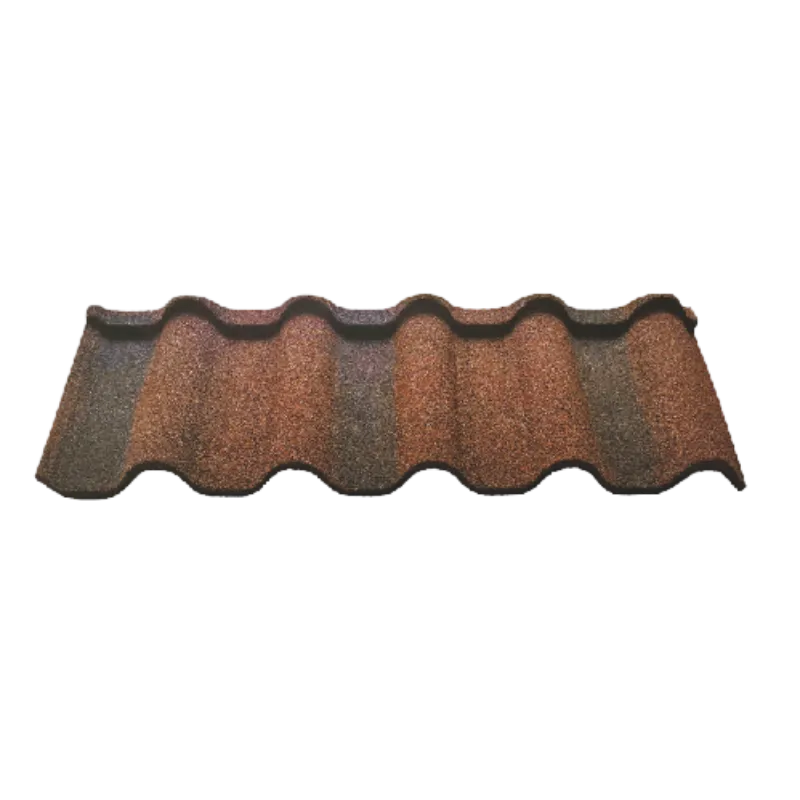
Simply put, a metal clay tile roof is a roofing system composed of tiles crafted from metal sheets shaped and textured to resemble traditional clay tiles. Unlike bare metal roofs, these tiles emulate the curves and ridges typical to clay roofing but boast all the benefits of metal such as rust resistance, flexibility, and lighter weight.
They’re not just a decorative trick. These tiles often employ metals like aluminum or coated steel, sometimes combined with advanced ceramic or polymer coatings that prevent corrosion and offer UV protection. This fusion helps in settings that are humid, salty, or prone to freeze-thaw cycles.
In humanitarian responses, such roofs provide fast, long-lasting shelter solutions, essential in rebuilding after natural disasters. Industries with remote operations — think mining camps or oil rigs — appreciate their longevity and minimal upkeep.
Core Components and What Makes Them Stand Out
1. Durability That Stands the Test of Time
Traditional clay tiles are brittle and heavy. Metal clay tiles dodge this by combining tough metals with careful design that shields against impact, hail, and aging. Many manufacturers guarantee 40 to 70 years—quite impressive compared to standard roofing materials.
2. Scalability and Ease of Installation
Unlike cumbersome terracotta tiles, the metal versions often come in interlocking designs that speed installation and reduce labor costs. In large-scale projects or rapid rebuilds, this is a massive plus.
3. Energy Efficiency and Sustainability
Metal reflects sunlight far better than dark asphalt or uncoated clay, lowering cooling needs indoors. Additionally, many metal clay tiles incorporate recycled content and are recyclable themselves, fitting well into circular economy principles.
4. Cost Efficiency Over Roof Lifecycle
While initial costs may seem higher than standard shingles, their lifespan and minimal maintenance translate to savings. You’re basically investing upfront to avoid frequent replacements or repairs.
5. Aesthetic Flexibility
Metal clay tile roofs come in various finishes—matte, glossy, or textured—and colors from terracotta reds to muted earth tones, making them adaptable for numerous architectural styles, old or new.
Where Are Metal Clay Tile Roofs Making Their Mark?
Pretty much everywhere it counts. In Mediterranean countries like Spain and Italy, they help preserve the historic look while upgrading durability. In Australia and South America, where wildfires and cyclones threaten, their fire resistance and resilience are lifesavers.
- Post-disaster rebuilding: NGOs rely on them to provide dignified, safe shelters that won’t degrade in months.
- Remote industrial camps: Low maintenance is critical. Metal clay tiles reduce downtime and repair costs.
- Urban heritage restoration: Keeping old-world charm with modern protection.
Tangible Benefits: Why Invest in Metal Clay Tile Roofs?
People often ask, "Is it worth it?" The bottom line: yes, it usually is. The upfront cost pays dividends in decades of protection, comfort, and style. Owners report feeling safer during storms; neighbors admire a home’s beauty that resists the years. Environmentally conscious builders appreciate the responsible sourcing and recyclability.
Emotionally speaking, these roofs symbolize trust and innovation—selling points in real estate markets where buyers care about longevity and sustainability. They're also great conversation starters.
What’s Next? Trends Shaping the Future of Metal Clay Tile Roofs
The green wave keeps rolling. Innovations include integrating photovoltaic cells into tiles, turning roofs into clean energy generators without losing aesthetic appeal. Digital fabrication techniques enable custom shapes and colors to order, matching any architectural demand.
Automation and robotics are also entering the roofing scene, promising faster production and precision installation — cutting waste and labor time.
Facing Challenges: What Stands in the Way?
Not everything’s perfect. One challenge is the initial investment, which can deter budget-conscious projects. Also, not all contractors are trained to install these tiles, leading to potential errors.
Yet, solutions are on the horizon. Training programs and leasing options help lower barriers. Meanwhile, material suppliers enhance compatibility and offer sample kits to ease decision-making.
Quick FAQ: Your Metal Clay Tile Roof Questions Answered
- Are metal clay tile roofs suitable for extreme weather?
- Yes, most metal clay tile roofs are tested for wind uplift, hail impact, and corrosion resistance, making them ideal for harsh climates.
- How long can metal clay tile roofs last in areas with heavy rainfall?
- Typically, these roofs can last 50+ years in rainy environments if installed correctly, thanks to their rust-resistant coatings and water-shedding profiles.
- Do these roofs require special maintenance?
- Maintenance is minimal—usually just periodic cleaning of debris and inspections. Unlike traditional clay, they don’t crack or absorb water.
- Is a metal clay tile roof more expensive than standard asphalt shingles?
- Upfront costs are higher — about 1.5 to 3 times depending on region and quality — but lifecycle costs can be lower due to durability and energy savings.
- Can metal clay tile roofs be recycled?
- Absolutely. Metals used are often recyclable, and manufacturers design tiles with end-of-life reuse in mind, supporting environmental goals.
Metal Clay Tile Roof Specification Table
| Specification | Typical Range / Feature | Comments |
|---|---|---|
| Material | Aluminum or Galvanized Steel | Lightweight, corrosion-resistant |
| Tile Dimensions | 12" x 16" (300 x 400 mm) | Standard modular size |
| Weight | 1.5 - 2.0 kg per tile | Much lighter than clay (~4 kg) |
| Coating | Ceramic / Polymer hybrid | Protects against UV and rust |
| Roof Pitch | 3:12 minimum | For proper water runoff |
| Lifespan | 40 - 70 years+ | Manufacturer dependent |
Vendor Comparison: Picking the Right Supplier
| Vendor | Material Options | Warranty | Installation Support | Sustainability Certifications |
|---|---|---|---|---|
| EverClay Metals | Aluminum, Galv. Steel | 50 years | Online & On-site | LEED, ISO 14001 |
| ClayMet Solutions | Aluminum only | 40 years | Regional training | Energy Star Certified |
| TerraMetal Inc. | Steel, Aluminum, Composite | 70 years | Full project consultation | Cradle to Cradle |
Wrapping it Up: Why the Metal Clay Tile Roof Is Here to Stay
In the end, the metal clay tile roof represents much more than just a surface overhead. It’s a smart, thoughtful evolution blending beauty with science and environmental care. Whether for a family home in the city or a remote humanitarian project, it offers tangible benefits and emotional reassurance that your shelter can last against time and tempest.
If you’re intrigued and want to learn more about how these roofs can fit your project, give us a visit at Cool Roof Materials. There’s a world of possibilities waiting under that stylish, resilient surface.
Mini Takeaways:
- Metal clay tile roofs combine classic aesthetics with modern metal durability.
- They’re increasingly vital in global sustainable building and disaster resilience.
- Longevity and low maintenance justify upfront investment over time.
- Future trends point to greener, smarter, and even more adaptable roofing systems.
References
Latest news
-
Expert Clay Roof Replacement Contractor Services: Durable, Sustainable & Authentic Roofing Solutions
NewsDec.02,2025
-
Comprehensive Guide to Clay Roof Replacement: Benefits, Trends & Best Practices
NewsDec.02,2025
-
Clay Roll Top Ridge Tiles: Durable, Sustainable Roofing for Every Climate
NewsDec.02,2025
-
Clay Ridge Tiles for Slate Roofs: Durable, Sustainable, and Elegant Roofing Solutions
NewsDec.02,2025
-
Comprehensive Guide to Clay Ridge Roof Tiles: Benefits, Applications & Future Trends
NewsDec.02,2025
-
Clay Red Roof Tiles – Durable, Sustainable & Timeless Roofing Solutions
NewsDec.02,2025
Copyright © 2026 Hebei Chida Manufacture and Trade Co., Ltd. All Rights Reserved. Sitemap | Privacy Policy | Top Blog | Global Service