
Dec . 08, 2025 03:50 Back to list
How Often Do Shingle Roofs Need to Be Replaced? Expert Insights
How Often Do Shingle Roofs Need to Be Replaced?
Having worked in the industrial equipment sector for well over a decade, I've seen my fair share of roofing jobs—especially those involving shingle roofs. Frankly, the question how often do shingle roofs need to be replaced is more nuanced than many assume. It’s never a one-size-fits-all answer. A variety of factors come into play that determine lifespan: climate, shingle quality, installation, and maintenance, for starters.
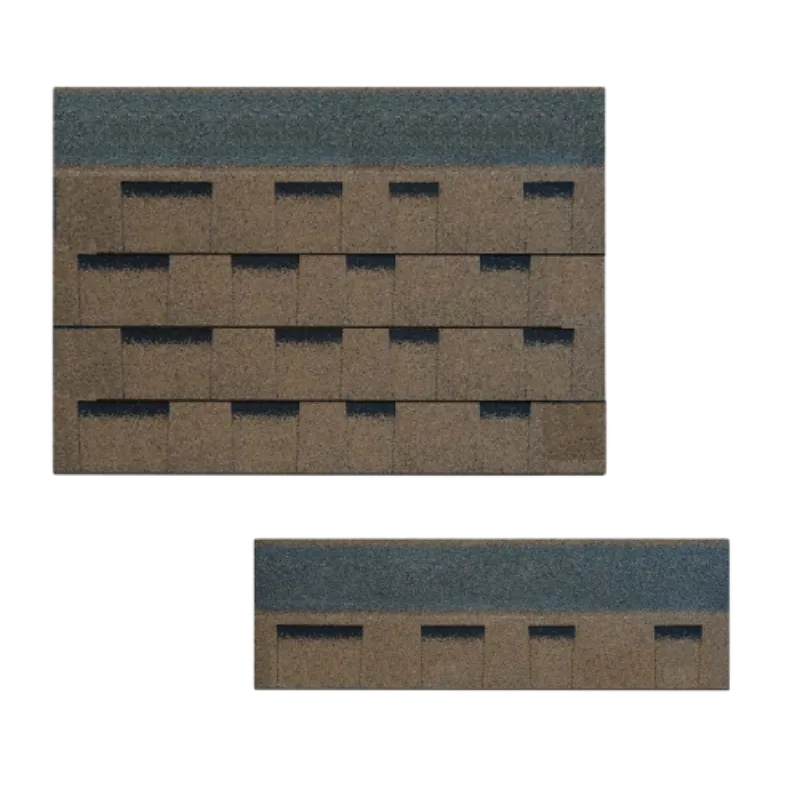
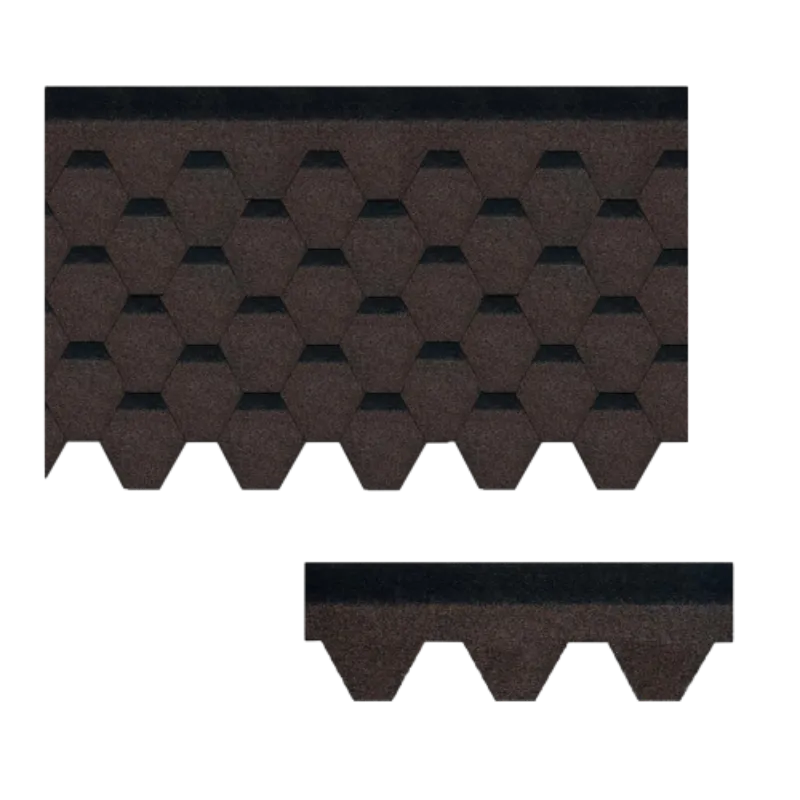
From the beginning, it’s important to understand that "shingles" covers a lot of territory—everything from basic asphalt to architectural and even premium designer options. Oddly enough, the asphalt shingle remains the most popular in residential and some industrial settings due to its cost-effectiveness and decent durability.
I remember a client who swore by the standard 3-tab asphalt shingles installed in their warehouse roof in the Midwest. After about 18 years with no major leaks, they assumed replacement was due. However, the roof was surprisingly still in pretty good shape. This was thanks largely to the quality product they chose initially and fairly regular inspections — which, honestly, many operators tend to skip.
Industry standard wisdom suggests asphalt shingles typically last between 15 to 30 years. Architectural or laminated shingles often ride closer to the upper end of that range, sometimes cracking 40 years if the environment cooperates. But things like sustained heavy wind, hail storms, or extreme UV exposure can accelerate wear-and-tear quickly.
That’s why, in real terms, I usually advise clients to schedule thorough roof assessments at least every 5 years after the first decade. A few damaged shingles here and there don’t mean the roof is toast; a professional eye can spot potential trouble spots early enough to save considerable costs.
When choosing shingle materials, the specs can seem overwhelming, so here’s a quick rundown of common types:
| Shingle Type | Average Lifespan | Typical Thickness | Cost per SQ (100 sq.ft.) |
|---|---|---|---|
| 3-tab Asphalt | 15-20 years | ~1/8 inch | $90 - $120 |
| Architectural Asphalt | 25-30 years | ~3/16 inch | $110 - $160 |
| Synthetic/Polymer | 30-50 years | Varies | $150 - $250+ |
Obviously, pricing varies by region, supplier, and market fluctuations, but this gives a solid ballpark.
On the topic of vendors, it’s interesting to note how different manufacturers stack up. I've worked closely with several and noticed their warranties and product performance can differ widely, sometimes even for what appears to be similar shingles.
| Vendor | Warranty Period | Wind Resistance | Notable Feature |
|---|---|---|---|
| GAF | 25-50 years | Up to 130 mph | Advanced Protection Layer |
| CertainTeed | 30-50 years | Up to 110 mph | Dual-layer technology |
| IKO | 25-40 years | Up to 120 mph | Reinforced nailing zone |
Many engineers and roofers I've talked to swear by GAF due to their robust warranties, especially when used with their full roofing system. But CertainTeed’s innovation in laminate designs is hard to beat, particularly in areas with harsher weather.
If you’re managing an industrial facility, it feels like managing roofing is almost like preventive equipment maintenance: schedule your inspections, note signs of moss, curling, or loose shingles, and replace sections before they escalate.
One last note: environmental factors are often underestimated. For example, a shingle roof in Arizona’s scorching sun is a different animal than one in the Pacific Northwest’s damp environment. UV protection coatings and algae-resistant products can add years to the lifespan, frankly saving a headache or two down the line.
So, to wrap it up — while the typical range for shingle roof replacement is somewhere between 15 to 30 years, with quality materials, proper installation, and vigilant maintenance, pushing beyond three decades isn’t out of the question. I suppose that’s the sort of balance every facility manager hopes for—cost efficiency paired with durability.
And, if ever in doubt, consulting with trusted vendors (like those listed above) who can tailor recommendations based on your exact site conditions is the smartest play. Because, after all, roofs don’t just protect buildings—they protect livelihoods.
Cheers to many more years of solid coverage!
References:
1. Asphalt Roofing Manufacturers Association - Longevity Facts
2. GAF Warranty Information - Official Product Guide
3. Industry Roofing Journal, 2023 Edition – Trends and Durability Insights
Latest news
-
Elevating Modern Design with High Quality Flat Mosaic Tiles
NewsApr.16,2026
-
Flat Liner Tile Guide for Roof Durability and Modern Aesthetics
NewsApr.09,2026
-
Exploring the Benefits of Durable Flat Interlocking Tiles for Modern Roofing Systems
NewsApr.07,2026
-
Choosing the Best Flat Interlocking Roof Tiles for Modern Homes
NewsApr.04,2026
-
Exploring the Versatility and Benefits of Flat Grey Tile for Modern Designs
NewsMar.31,2026
-
Comprehensive Guide to Choosing the Best Flat Grey Roof Tiles for Your Project
NewsMar.28,2026

Copyright © 2026 Hebei Chida Manufacture and Trade Co., Ltd. All Rights Reserved. Sitemap | Privacy Policy | Top Blog | Global Service