
Dec . 05, 2025 05:00 Back to list
How Long Will Architectural Shingles Last? Durability & Roofing Insights
How Long Will Architectural Shingles Last? Understanding Durability and Value
Architectural shingles are a popular roofing choice worldwide, and for good reasons—it’s a product that blends aesthetics, functionality, and durability. If you've ever asked yourself how long will architectural shingles last?, you are digging into a key aspect of building longevity, cost efficiency, and climate adaptability.
Understanding the lifespan of architectural shingles is more than a technical curiosity. In a global context shaped by climate change and increasing roof repair costs, knowing how long a roofing material lasts can save homeowners, property developers, and municipal planners heaps of money and hassle. Plus, it relates directly to sustainability and materials consumption—two pressing concerns worldwide. Let’s dive deeper.
Global Context: Roofing Durability as an Economic and Environmental Matter
Globally, roofing failure due to weather or wear-and-tear contributes significantly to urban maintenance costs. According to the International Organization for Standardization (ISO), sustainable construction materials lead to at least 20-30% energy consumption reduction in buildings over their life cycle (1). Architectural shingles provide a practical balance of durability and style in that arena.
Yet many regions suffer from premature roofing replacements due to lack of information, poor installation, or inferior products. This is a challenge in areas prone to extreme weather—think high winds, hail, or heavy moisture—as well as resource-scarce places where frequent renewals are a significant economic burden.
What Exactly Are Architectural Shingles and Their Expected Lifespan?
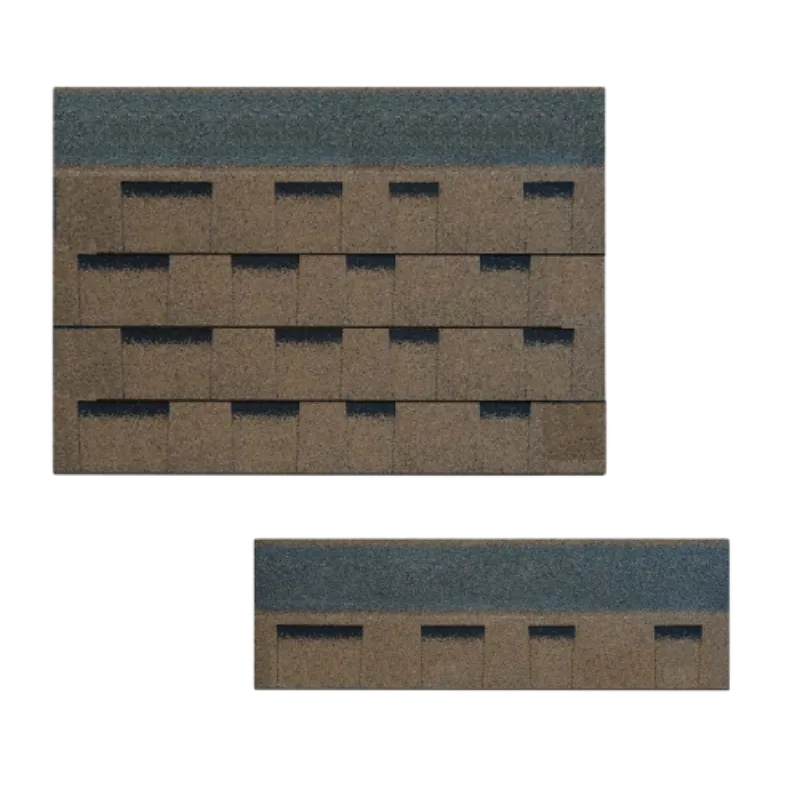
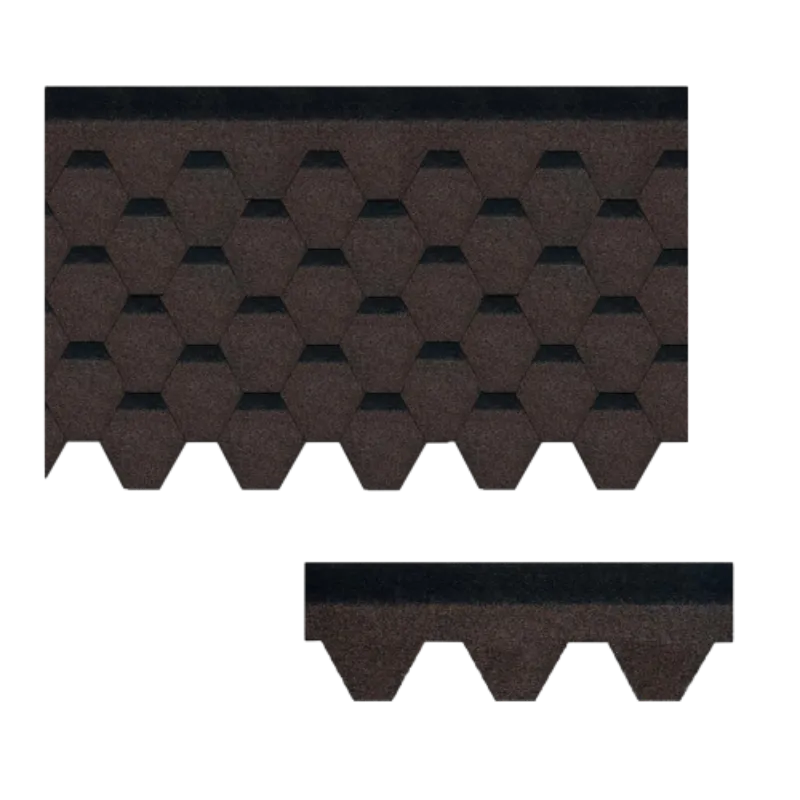
In simple terms, architectural shingles are laminated asphalt shingles layered to create a three-dimensional effect. Unlike traditional 3-tab shingles, their composition offers more strength, thicker layers, and often longer warranties.
Typically, architectural shingles last 25 to 30 years, sometimes even longer if installed correctly and maintained. This contrasts with basic asphalt shingles, which usually last about 15 to 20 years. They serve not just as a weather shield but also enhance curb appeal, often mimicking wood, slate, or tile roofs.
That lifespan, frankly, depends a lot on factors like climate, roof pitch, installation quality, and regular upkeep.
Key Factors Affecting How Long Architectural Shingles Last
Durability and Materials Quality
Quality of the raw materials—such as the asphalt blend, fiberglass mat, and granule coating—is foundational. Shingles using better-quality substrates resist cracking, fading, and moisture penetration better over time.
Installation Procedures
Even the best shingles are only as good as their installation. Correct nailing, underlayment, and ventilation prevent premature failure. For instance, improper ventilation can cause heat build-up leading to curling or blistering shingles.
Climate and Environmental Exposure
Regions with harsh sun, big temperature swings, or severe storms naturally wear shingles faster. Coastal areas face salt and moisture challenges, while northern zones wrestle with ice dams and freeze-thaw cycles.
Maintenance and Inspection Routine
Routine cleaning, debris removal, gutter upkeep, and inspecting for damage extend shingle lifespan. If you ignore minor issues early on, they can become costly complications later.
Roof Structure and Pitch
Roofs with steep pitches tend to shed water and debris better than flat roofs, reducing wear. Also, structural stability matters: a flexible roof can shift and damage shingles if not properly designed.
Architectural Shingles Product Comparison
| Product | Warranty (Years) | Thickness (inches) | Weight (lbs/100 sq.ft.) | Wind Resistance (mph) |
|---|---|---|---|---|
| GAF Timberline HD | 50 | 0.35 | 235 | 110 |
| Owens Corning Duration | 50 | 0.30 | 230 | 110 |
| CertainTeed Landmark | 50 | 0.40 | 270 | 130 |
Global Applications and Real-World Use Cases
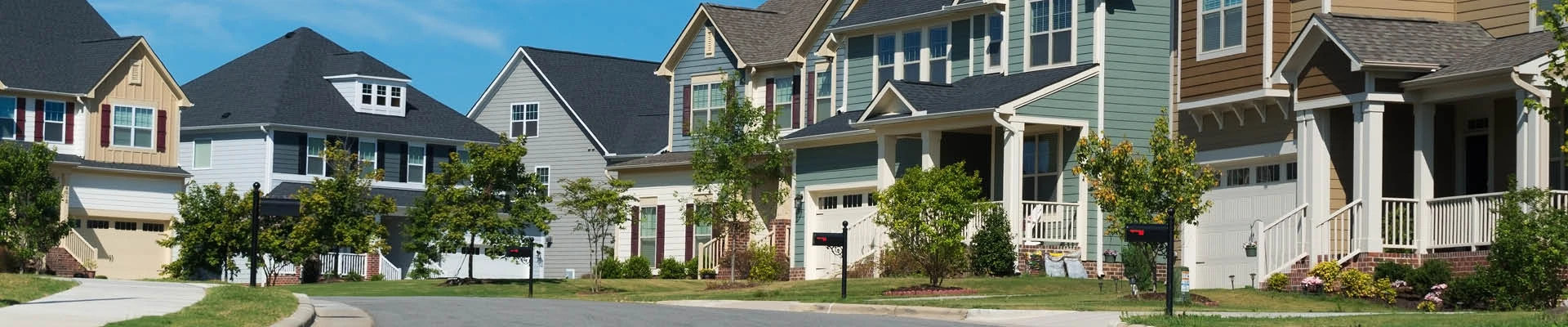
Architectural shingles have been adopted globally in residential and some light commercial buildings. In the United States and Canada, they dominate suburban housing markets because of their longevity and appearance.
Oddly enough, their use extends beyond North America. European architects are increasingly specifying architectural shingles for renovations, combining historic aesthetics with modern durability. Several disaster-relief shelters in temperate climates also utilize these shingles due to their relatively straightforward installation and durability—even if maintenance might be tricky for donated interim housing.
Regions with frequent hail storms, such as parts of the Midwest and Canadian Prairies, benefit from impact-resistant variants, which meet UL 2218 Class 4 standards—the highest for impact resistance.
Vendor Comparison: Top Architectural Shingle Manufacturers
| Vendor | Warranty Type | Environmental Certifications | Availability | Price Range (per sq.) |
|---|---|---|---|---|
| GAF | Limited Lifetime | Yes (GreenCircle Certified) | North America, Select Europe | $$$ |
| Owens Corning | Limited Lifetime | Yes (CertiLabel) | Global | $$$ |
| CertainTeed | Limited Lifetime | Yes (SCS Certified) | North America | $$$ |
Advantages and Long-Term Value of Architectural Shingles
From a cost perspective, the initial price is higher than basic asphalt shingles, but the extended lifespan and lower maintenance often balance those upfront costs. Couple that with better curb appeal—which can raise property value—and architectural shingles feel like a smart investment.
There’s also a sustainability angle. Durable roofing means less frequent replacement, fewer landfill contributions, and better energy efficiency, especially when reflective granules are used to lower heat absorption.
Emotionally speaking, a well-roofed home feels safer and more secure. Having a roof that lasts 30+ years offers peace of mind that shouldn't be underestimated, especially for families and communities in vulnerable regions.
Future Trends and Innovations in Architectural Shingles
The roofing industry is embracing sustainability with innovations like recycled materials and algae-resistant coatings that reduce streaking. Digital tools also help installers assess roofs better, minimizing errors that hurt shingle lifespans.
Green energy integration is growing, with solar-ready shingles or solar panel-compatible designs gaining traction, blending renewables and traditional roofing. Automation in manufacturing customizes shingles at scale, improving precision and reducing waste.
Challenges and Solutions in Architectural Shingle Longevity
Challenges? Well, a few come to mind. Extreme weather events—think hail and hurricanes—still threaten shingle lifespan. Also, incorrect installation remains a leading cause of premature failure. Supply chain disruptions can impact availability of premium shingles, raising costs unexpectedly.
Solutions involve better training for installers, improved material testing per ISO 9001 standards, and fostering local supply chains to mitigate logistics issues. Add in routine inspections and prompt repairs, and you’re well on your way to squeezing decades out of your roofing investment.
FAQ: Frequently Asked Questions About How Long Will Architectural Shingles Last
- Q: How can I maximize the lifespan of architectural shingles on my home?
A: Regular maintenance is key—clean gutters, remove debris, inspect for damage after storms, and ensure proper attic ventilation to reduce heat stress. - Q: Are architectural shingles worth the higher upfront cost compared to 3-tab shingles?
A: Yes, they typically last longer (25-30 years vs. 15-20), have better wind resistance, and improve curb appeal, offering better value long term. - Q: Can architectural shingles be installed in climates with heavy snowfall or coastal salt exposure?
A: Absolutely, but quality matters. Choose impact-resistant and salt-resistant options, and ensure expert installation to handle harsh conditions. - Q: Do warranties guarantee the shingles will last that long?
A: Warranties cover manufacturing defects but not damage from weather or poor installation. Proper maintenance is vital to meet warranty terms.
Conclusion: Long-Lasting Roofing for a Sustainable Future
So, how long will architectural shingles last? Typically around 25 to 30 years, sometimes more, if quality materials, craftsmanship, and care come together. This lifespan translates into financial savings, environmental benefits, and peace of mind. Choosing architectural shingles means investing in a roof that balances beauty and durability with modern industry demands.
For more insights and tips on roofing materials and maintenance, please visit our website: https://www.coolroofmaterials.com.
Mini takeaway: Durability isn’t just about product specs; it’s about real-world weather, installation skill, and ongoing care.
1. ISO 21930: Sustainability in Construction Materials.
2. UL 2218 Class 4 Impact Resistance Standard.
3. National Roofing Contractors Association (NRCA): Roofing Industry Handbook.
Latest news
-
Elevating Modern Design with High Quality Flat Mosaic Tiles
NewsApr.16,2026
-
Flat Liner Tile Guide for Roof Durability and Modern Aesthetics
NewsApr.09,2026
-
Exploring the Benefits of Durable Flat Interlocking Tiles for Modern Roofing Systems
NewsApr.07,2026
-
Choosing the Best Flat Interlocking Roof Tiles for Modern Homes
NewsApr.04,2026
-
Exploring the Versatility and Benefits of Flat Grey Tile for Modern Designs
NewsMar.31,2026
-
Comprehensive Guide to Choosing the Best Flat Grey Roof Tiles for Your Project
NewsMar.28,2026

Copyright © 2026 Hebei Chida Manufacture and Trade Co., Ltd. All Rights Reserved. Sitemap | Privacy Policy | Top Blog | Global Service