
Dec . 03, 2025 10:06 Back to list
How Long Does a Shingle Roof Typically Last? A Practical Guide to Durability and Value
Understanding How Long Does a Shingle Roof Typically Last: Key to Smart Roofing Decisions
When you’re thinking about your home or a commercial property, one question that’s always top of mind is how long does a shingle roof typically last. It’s not just a curious factoid—it deeply impacts budgeting, property value, and energy efficiency. On a global stage, roofing longevity ties into sustainable building practices and disaster preparedness, important issues for homeowners and industry professionals alike.
After all, roofs are the first line of defense against weather and wear. Knowing the typical lifespan of shingles helps avoid costly surprises and keeps properties safe for decades. So, let’s unpack this topic, which blends materials science, climate factors, and construction expertise.
Global Relevance: Why Roof Longevity Matters Now More Than Ever
The world is urbanizing fast. According to the UN, nearly 68% of the population is expected to live in cities by 2050¹. As buildings multiply, roof durability becomes crucial. Shingle roofs are a popular choice because of cost and ease of installation—but how they hold up over time has big ramifications.
Climate change adds complexity, with more extreme weather patterns causing accelerated roof wear in many regions. The World Bank has highlighted resilience in building materials as key to sustainable development². In this sense, understanding how long does a shingle roof typically last is no small issue—it’s a practical part of global housing and infrastructure strategy.
What Does “How Long Does a Shingle Roof Typically Last” Actually Mean?
Simply put, this phrase asks: “What is the average lifespan, in years, of roofing made from shingles before it requires replacement or major repair?”
Shingle roofs, often made from asphalt or composite materials, cover many residential and commercial buildings. Their lifespan varies by material quality, installation standards, and environment. But in the modern construction industry, this measure is a benchmark for performance and cost planning.
Key Factors Affecting Shingle Roof Lifespan
1. Material Quality
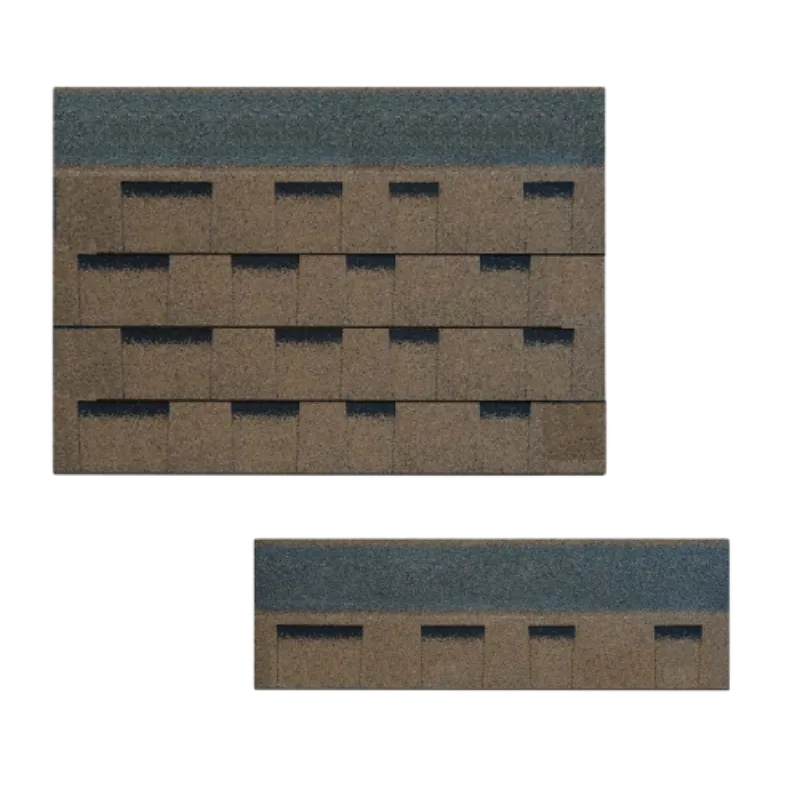
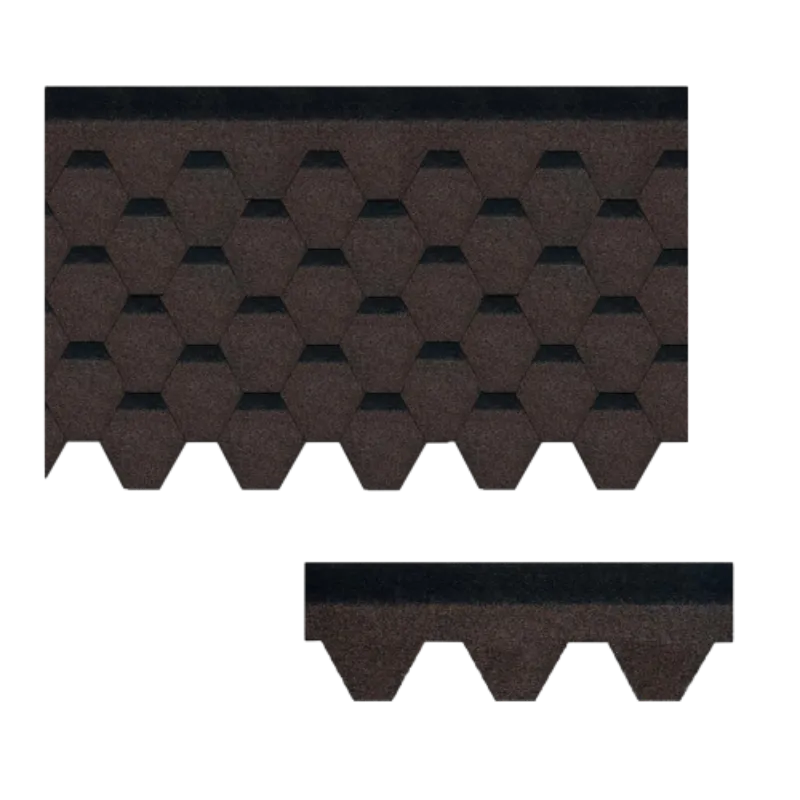
Not all shingles are created equal. Standard asphalt shingles typically last 15 to 25 years, while architectural or laminated shingles can stretch up to 30 or more. Premium designer shingles even exceed that, offering enhanced durability and style.
2. Installation Expertise
Poor installation can cut roof life short—improper nailing, ventilation, or flashing often leads to leaks and shingle damage.
3. Climate and Weather Conditions
Harsh sun, heavy snow, freezing temperatures, or intense winds weigh heavily on durability. For instance, southern states with lots of UV exposure might see faster asphalt shingle degradation.
4. Maintenance Routine
Regular inspections and cleaning prolong a roof’s life. Neglect invites moss growth and trapped moisture, accelerating shingle breakdown.
5. Roof Slope and Ventilation
Steeper roofs shed water better, reducing wear. Proper attic ventilation controls temperature extremes that can warp shingles.
Typical Specification Table for Asphalt Shingle Roofs
| Specification | Standard Asphalt | Architectural | Premium Designer |
|---|---|---|---|
| Typical Lifespan (Years) | 15-25 | 25-30 | 30-50 |
| Thickness (inches) | ~0.03 - 0.05 | ~0.05 - 0.075 | 0.075+ |
| Weight (lbs per square) | ~200 | ~250 | 300+ |
| UV Resistance | Moderate | Good | Excellent |
Real-World Applications Where Roof Longevity Counts
Understanding how long shingle roofs last isn’t just academic — it has practical real-world impact. For instance:
- Residential Buildings: Homeowners rely on these estimates to schedule inspections and plan replacements before leaks cause damage.
- Disaster-Prone Regions: NGOs and disaster relief teams assess roof life spans to design quicker recovery housing, balancing cost and durability.
- Commercial and Industrial Sites: Facility managers use roof lifespan data to avoid operational disruptions and budget strategically.
- Remote or Harsh Climate Zones: In colder or sunnier climates, choosing the right shingles extends service life and reduces maintenance challenges.
If curious, check out how long does a shingle roof typically last for more details.
Comparing Top Vendors of Shingle Roofs
| Vendor | Shingle Type | Warranty (Years) | Price Range | Lifespan Estimate |
|---|---|---|---|---|
| GAF | Architectural & Timberline | 25-50 (limited lifetime) | $$ - $$$ | 30-50 years |
| Owens Corning | Duration Series | Limited Lifetime | $ - $$ | 25-40 years |
| CertainTeed | Landmark Series | Limited Lifetime | $$ - $$$ | 30-40 years |
Advantages & Long-Term Value
Being in the know pays off in multiple ways:
- Cost Efficiency: Planning when to reroof avoids emergency repairs and unexpected expenses.
- Sustainability: Longer-lasting shingles reduce waste and resource consumption.
- Safety & Comfort: A sound roof means steady protection, avoiding leaks, mold, and insulation damage.
- Emotional Wellbeing: Knowing your roof has years left offers peace of mind. I suppose there’s something quietly reassuring about that.
Future Trends & Innovations
Technology and environment-conscious policies are nudging shingle roofs forward:
- Cool Roof Shingles: Reflective materials lower heat absorption, extending roof life and saving energy.
- Recycled and Sustainable Materials: Shingles incorporating recycled content are both eco-friendly and durable.
- Digital Roof Monitoring: Sensors now can alert owners early to damage or wear before it worsens.
- Improved Installation Methods: Automation and better training improve consistent quality.
Challenges & Solutions
Nature’s unpredictability remains a pesky challenge: hail storms, drastic temperature swings, and heavy rainfall cause damage faster than materials alone predict. Regular maintenance seems obvious but is often neglected. Experts recommend proactive inspection schedules and investing in quality installation rather than short-term savings. And oddly enough, sometimes the smallest ventilation fix doubles a roof's lifespan.
FAQ: Frequently Asked Questions About How Long Does a Shingle Roof Typically Last
- Q: What factors most affect the lifespan of a shingle roof?
A: Material quality, climate, installation, roof slope, and maintenance routines are the biggest influences. Each can shorten or extend expected lifespan by years. - Q: Can regular maintenance really extend shingle roof life?
A: Absolutely. Removing debris, checking seals, and fixing minor damage promptly can add 5 to 10 years to typical lifespan. - Q: Are architectural shingles worth the extra cost?
A: In many climates, yes. Their thicker design and better materials often provide longer-lasting protection and better aesthetics. - Q: How soon should I arrange for my roof inspection?
A: Ideally, once a year and after major storms. Timely inspections catch potential issues early. - Q: Is shingle roof replacement usually covered by warranties?
A: Warranties vary; many are limited lifetime but include fine print. Proper installation and maintenance are often required to keep warranty coverage valid.
Conclusion + Call to Action
So, why care about how long does a shingle roof typically last? Because it blends practical wisdom with financial sense and environmental responsibility. A roof isn’t just a shelter; it’s an investment in safety, comfort, and peace of mind. Staying informed empowers smarter choices that protect your home and the planet.
If you want to dive deeper into roofing materials and maintenance tips, head on over to our website. Stay roof-ready!
It’s always fascinating how something as everyday as a roof opens windows—not literally—onto science, industry, and community well-being.
References
Latest news
-
Elevating Modern Design with High Quality Flat Mosaic Tiles
NewsApr.16,2026
-
Flat Liner Tile Guide for Roof Durability and Modern Aesthetics
NewsApr.09,2026
-
Exploring the Benefits of Durable Flat Interlocking Tiles for Modern Roofing Systems
NewsApr.07,2026
-
Choosing the Best Flat Interlocking Roof Tiles for Modern Homes
NewsApr.04,2026
-
Exploring the Versatility and Benefits of Flat Grey Tile for Modern Designs
NewsMar.31,2026
-
Comprehensive Guide to Choosing the Best Flat Grey Roof Tiles for Your Project
NewsMar.28,2026

Copyright © 2026 Hebei Chida Manufacture and Trade Co., Ltd. All Rights Reserved. Sitemap | Privacy Policy | Top Blog | Global Service