When it comes to high-end architectural aesthetics combined with industrial-grade resilience, clay metal roofing stands as a premier choice for modern homeowners and commercial developers. This innovative hybrid system marries the timeless, Mediterranean elegance of traditional clay tiles with the structural integrity and lightweight properties of advanced metal alloys, effectively solving the age-old conflict between beauty and weight.
The global shift toward sustainable construction has pushed the roofing industry to seek materials that not only endure extreme weather but also reduce the carbon footprint of a building. By integrating high-reflective coatings and durable metal cores, this roofing solution addresses critical energy efficiency needs, particularly in urban heat islands where traditional dark roofs contribute to rising ambient temperatures.
Understanding the nuances of this material—from its stone-coated finish to its thermal performance—is essential for anyone looking to maximize the lifespan of their property. Whether you are renovating a historic estate or designing a contemporary eco-villa, choosing a system that balances thermal insulation with structural longevity ensures a safer, more efficient, and visually stunning environment.
The Structural Composition of Clay Metal Roofing
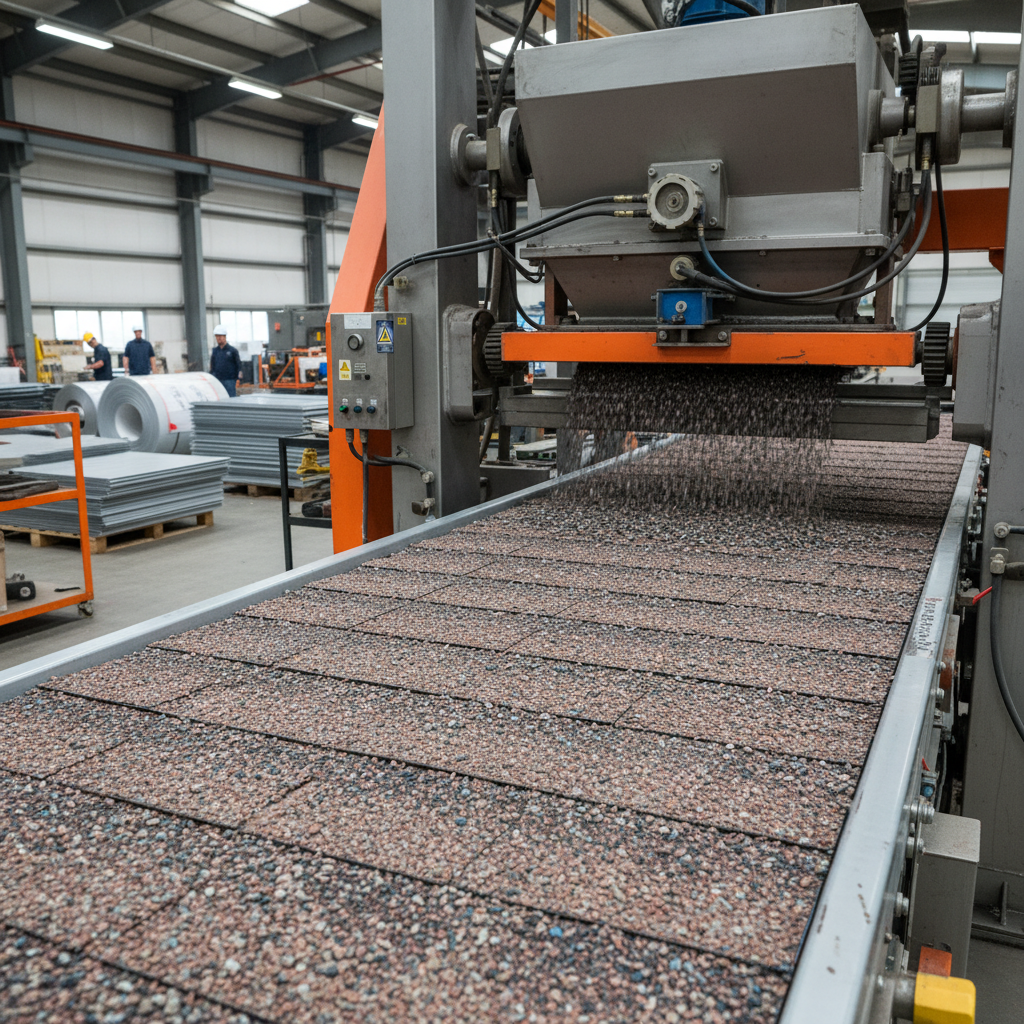
At its core, clay metal roofing is an engineered marvel. It typically consists of a high-grade steel or aluminum base, which is then coated with a protective layer of acrylic or polymer and finished with natural stone granules or ceramic coatings. This multi-layered approach ensures that the roof possesses the rigid strength of metal while mimicking the matte texture and color palette of authentic clay.
The integration of these materials eliminates the fragility associated with traditional terracotta. While a real clay tile can crack upon impact, the metal substrate of this hybrid system absorbs energy, making it significantly more resistant to hail and falling debris. This structural synergy provides peace of mind for property owners in regions prone to volatile weather patterns.
Global Market Demand and Industrial Standards
The demand for clay metal roofing has surged globally, driven by a growing preference for "low-maintenance luxury." In North America and Europe, strict building codes now emphasize wind uplift resistance and fire safety—areas where metal-based hybrids outperform traditional asphalt shingles and natural clay. Data from international construction standards indicates a trend toward materials that can withstand winds exceeding 120 mph.
In emerging markets, particularly across Southeast Asia and the Middle East, the focus is on thermal regulation. The intense solar radiation in these regions makes traditional metal roofs oppressive; however, the ceramic granules used in these hybrid systems act as a thermal break, reflecting a significant portion of UV rays and reducing the "oven effect" inside the attic.
Furthermore, ISO certifications for non-metallic mineral products have influenced how these materials are graded. By blending the characteristics of the ceramics industry with metallurgical precision, manufacturers are now producing roofs that meet rigorous environmental and safety benchmarks, ensuring that the product is not only aesthetically pleasing but industrially sound.
Thermal Performance and Energy Efficiency
One of the most compelling reasons to invest in clay metal roofing is its exceptional thermal reflectivity. Unlike traditional bitumen-based products that absorb heat, the high-reflective ceramic granules used in the coating redirect solar energy back into the atmosphere.
When examining the specific physics of clay metal roofing, the combination of an air gap created by the tile profile and the reflective outer layer creates a natural insulation barrier. This significantly lowers the cooling load on HVAC systems, leading to a reduction in monthly energy costs by as much as 15-25% during peak summer months.
This efficiency is further enhanced when paired with High Reflective Ceramic Granules (HIREFLE). By optimizing the albedo effect, these roofs help mitigate the urban heat island effect, making them a favorite for green building certifications like LEED and BREEAM, which reward projects that prioritize energy-saving envelopes.
Comparative Durability and Life Cycle Analysis
When evaluating the longevity of clay metal roofing, it is essential to look beyond the initial installation cost. While traditional shingles may need replacement every 15-20 years, a high-quality stone-coated metal system is designed to last 50 years or more. The metal core prevents the sagging and cracking common in organic materials, while the ceramic coating prevents corrosion and rust.
From a life cycle perspective, the value proposition is clear: lower frequency of replacement means less waste in landfills and lower long-term expenditure. The resilience against mold, mildew, and insect infestation further reduces the need for chemical treatments, making it a healthier choice for the surrounding ecosystem.
Performance Comparison of Roofing Materials
Practical Applications Across Diverse Climates
The versatility of clay metal roofing makes it suitable for a vast array of geographical locations. In coastal regions, where salt-spray corrosion typically destroys standard metal roofs, the protective ceramic and acrylic layers provide a critical shield, extending the life of the substrate and maintaining the roof's aesthetic appeal.
Conversely, in alpine or snowy regions, the sleek profile and strength of the metal core prevent snow accumulation from overloading the structure. The "clay look" ensures that the building blends into the natural landscape, while the technical performance ensures that the interior remains warm and dry throughout the harsh winter months.
Sustainable Manufacturing and Eco-Impact
Sustainability is no longer an option but a necessity in the manufacturing of clay metal roofing. Modern production lines utilize recycled steel and aluminum, significantly reducing the energy required for primary smelting. The process of applying ceramic granules is now optimized to minimize water waste and eliminate harmful volatile organic compounds (VOCs).
Beyond the factory, the ecological value lies in the product's recyclability. At the end of its long life cycle, the metal core can be recovered and recycled again, unlike asphalt shingles which predominantly end up in landfills. This creates a circular economy model that appeals to environmentally conscious architects and developers.
Furthermore, the reduction in energy consumption for indoor cooling (due to the high albedo effect) leads to a lower overall carbon footprint for the building over its entire lifespan. This synergy between sustainable production and sustainable usage defines the next generation of roofing materials.
Installation Innovations and Cost Optimization
One of the biggest hurdles with traditional clay is the immense weight, which often requires expensive structural reinforcement of the roof trusses. clay metal roofing solves this by offering a lightweight alternative that provides the same look without the crushing weight, thereby reducing overall construction costs.
Recent innovations in interlocking systems have streamlined the installation process. These "click-and-lock" mechanisms reduce the reliance on heavy adhesives and nails, speeding up the deployment time on site and minimizing the risk of human error during installation, which is often where leaks originate.
While the upfront cost may be higher than basic shingles, the total cost of ownership is remarkably lower. When factoring in the lack of structural reinforcement needs, reduced energy bills, and the absence of replacement costs for decades, this system represents a strategic financial investment.
Comparison of System Efficiency and Installation Factors
| Material Type |
Structural Weight |
Install Speed |
Life Expectancy |
| Clay Metal Hybrid |
Low |
Fast |
50+ Years |
| Traditional Clay |
Very High |
Slow |
40-60 Years |
| Asphalt Shingles |
Medium |
Fast |
15-20 Years |
| Concrete Tiles |
High |
Medium |
30-50 Years |
| Plain Aluminum |
Very Low |
Very Fast |
30-40 Years |
| Slate Tiles |
High |
Very Slow |
75+ Years |
FAQS
No, one of the primary advantages of this hybrid system is its significantly lower weight. While traditional clay tiles require reinforced roof structures to prevent sagging, clay metal roofing uses a lightweight steel or aluminum base, allowing for easier installation on a wider variety of buildings without requiring expensive structural upgrades.
Unlike standard metal roofs that can conduct heat into the home, this system utilizes a ceramic granule coating. These granules act as a thermal barrier and reflect a large portion of solar radiation, keeping the attic and living spaces much cooler and reducing reliance on air conditioning.
In many cases, yes. Because of its lightweight nature, clay metal roofing can often be installed as an overlay, provided the existing deck is structurally sound. However, we always recommend a professional inspection to ensure the roof can support the additional layer and to avoid trapping moisture.
High-quality clay metal roofing systems are typically engineered to last 50 years or more. The combination of a corrosion-resistant metal core and a UV-stable ceramic finish prevents the common failure points seen in asphalt or wood roofing, making it a lifelong investment for most homeowners.
Yes. Because the metal is coated with a thick layer of stone granules and acrylic, it dampens the "pinging" sound often associated with rain on metal roofs. The result is an acoustic experience very similar to that of traditional clay or concrete tiles.
Absolutely. It is highly sustainable because it uses recyclable metals and avoids the petroleum-based components found in asphalt. Additionally, its energy-saving properties reduce the building's carbon footprint, and its longevity means fewer materials end up in landfills over time.
Conclusion
In summary, clay metal roofing represents the perfect intersection of aesthetic tradition and industrial innovation. By combining the timeless appeal of clay with the unmatched durability and efficiency of metal, this system offers a comprehensive solution to the modern challenges of weather volatility, energy costs, and sustainable construction. From its superior thermal reflectivity to its lightweight structural profile, it is clear that this material provides long-term value that far exceeds its initial cost.
As we move toward a future of greener cities and more resilient architecture, adopting high-performance materials like stone-coated metal is a critical step. We encourage property owners and developers to prioritize life-cycle value over short-term savings to ensure a legacy of safety, beauty, and efficiency. For those ready to upgrade their building's envelope, visit our website: www.coolroofmaterials.com