
Jan . 03, 2026 06:45 Back to list
Durable & Classic Double Roman Terracotta Roof Tiles for Long-Lasting Roofs
Double Roman Terracotta Roof Tiles: Durable Tradition Meets Modern Needs
Having spent decades in the industrial equipment and construction sectors, I’ve seen my fair share of roofing materials come and go. Yet, double roman terracotta roof tiles remain a truly fascinating blend of old-world charm and modern functionality. It’s not just a roofing option; it’s something that sort of grew on me, especially after visiting a project site where the installer swore by these tiles for their balance of aesthetics and durability.
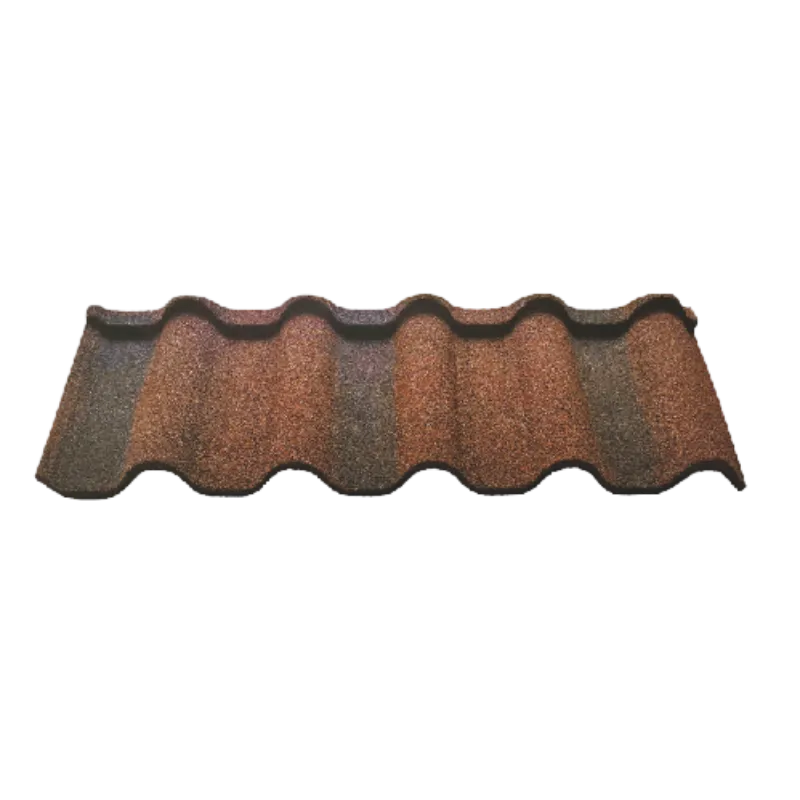
For those who haven’t encountered them much, double roman tiles are a step up from your typical flat or single roman tiles. Their distinctive profile features two raised “bulges,” which, frankly, improve the interlocking system. This design enhances water runoff and weather resistance — a point that engineers often highlight when specifying materials for Mediterranean-style homes or commercial buildings aiming for that classic yet robust look.
There's something oddly satisfying about how these tiles snap into place, making installation workflow smoother than you’d expect, especially on complicated roofs with varying slopes. I remember a site foreman mentioning how the double roman tiles reduced breakage during transport and fitting — not a small factor on large projects.
Why double roman terracotta roof tiles remain industry favorites
One of the key reasons these tiles endure is their raw material: terracotta. This fired clay provides natural insulation and, when glazed, offers impressive color retention. It feels almost paradoxical sometimes, how something so traditional is actually energy efficient by modern standards.
Manufacturers have refined these tiles over the years, tweaking thickness, curvature, and finish to improve strength without sacrificing that beautiful texture. Plus, terracotta tiles excel in thermal regulation — something I’ve confirmed through conversations with roof consultants specializing in sustainable design. This makes a significant difference when combined with insulation layers beneath.
In fact, the tiles’ durability is notable: many come with warranties of 50 years or more. What’s more, given their resistance to freeze-thaw cycles and UV exposure, replacements tend to be infrequent if the initial installation was well done.
| Specification | Typical Range | Notes |
|---|---|---|
| Material | Fired Clay (Terracotta) | Natural, inorganic, eco-friendly |
| Dimensions | 420 x 330 mm (varies slightly) | Standard to fit most roofs |
| Weight per Tile | 3.5 - 4.5 kg | Depends on thickness and glaze |
| Water Absorption | Below 10% | Ensures freeze-thaw resistance |
| Warranty | 30 – 50+ years | Varies by manufacturer |
Comparing top vendors of double roman terracotta tiles
In my years of consulting, I’ve come across a few reliable vendors who stand out because of quality consistency, logistics, and after-sale support. Here’s a quick breakdown of three popular suppliers. It’s interesting to see how they each tackle packaging, delivery, and product variation — things that can make a tangible difference on-site.
| Vendor | Tile Thickness | Color Options | Lead Time | Warranty |
|---|---|---|---|---|
| Mediterranean Clays | 10 – 12 mm | Terracotta Red, Rustic Brown | 3 – 4 weeks | 50 years |
| Sunset Roof Tiles | 9 – 11 mm | Classic Red, Earth Brown, Rustic Orange | 2 – 3 weeks | 30 years |
| Old World Clay | 11 – 13 mm | Rustic Red, Solar Orange | 4 – 5 weeks | 40 years |
Truth be told, picking the right vendor can shape your whole roofing experience, especially on large jobs. I always recommend looking beyond just price — things like delivery reliability and product consistency catch you off guard if you overlook them. For example, one client I worked with initially went with a cheaper tile but faced delays and inconsistent thickness, which caused installation headaches and extra costs.
At the end of the day, double roman terracotta roof tiles are about marrying tradition with performance. Their timeless look won’t date your project, and frankly, their durability means fewer worries down the line. I suppose it’s not always easy to find a material that checks both style and substance boxes so nicely.
If you’re considering these tiles, be sure to specify exact colors, check sample batches, and confirm installation best practices — it really pays off. And if you need a starting point, the vendors above have proven track records in the field.
All in all, it feels great knowing that a roofing material with roots centuries old can still meet modern standards without compromise.
Final thought: The right double roman tile might just be your roof's best long-term investment.
- International Roofing Expo - Materials Insights, 2023
- Terracotta Roof Tiles: Durability and Energy Efficiency Study, GreenBuild Journal, 2021
- Interview with Senior Installer, Classic Roof Solutions, 2022
Latest news
-
Elevating Modern Design with High Quality Flat Mosaic Tiles
NewsApr.16,2026
-
Flat Liner Tile Guide for Roof Durability and Modern Aesthetics
NewsApr.09,2026
-
Exploring the Benefits of Durable Flat Interlocking Tiles for Modern Roofing Systems
NewsApr.07,2026
-
Choosing the Best Flat Interlocking Roof Tiles for Modern Homes
NewsApr.04,2026
-
Exploring the Versatility and Benefits of Flat Grey Tile for Modern Designs
NewsMar.31,2026
-
Comprehensive Guide to Choosing the Best Flat Grey Roof Tiles for Your Project
NewsMar.28,2026
Copyright © 2026 Hebei Chida Manufacture and Trade Co., Ltd. All Rights Reserved. Sitemap | Privacy Policy | Top Blog | Global Service