
Sep . 01, 2025 16:03 Back to list
Asphalt Granules For Creating Anti-Erosion Coastal Barriers
The relentless power of the ocean is both a source of beauty and a formidable force of nature. Coastal erosion, the gradual wearing away of shoreline by waves, currents, and tides, threatens properties, ecosystems, and vital infrastructure worldwide. Traditionally, solutions have ranged from massive, expensive concrete seawalls to rock revetments. However, a novel and surprisingly effective material is emerging from an unexpected industry: roofing. Specifically, engineered asphalt granules are being repurposed to create durable, efficient, and environmentally considerate anti-erosion coastal barriers, offering a new line of defense for our vulnerable coasts.
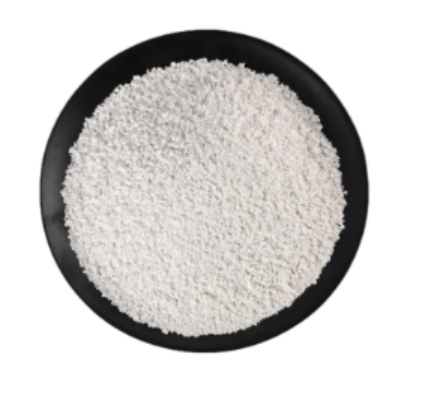
This innovative approach leverages decades of research and development from the cool roof sector. Hebei Chida Manufacture and Trade Co., Ltd, a specialized cool roofs materials supplier, is at the forefront of this application. With a strong foundation in mineral-based technical advantages, the company has independently developed high-reflective materials like HIREFLE granules. Originally designed to reflect solar energy and reduce building energy consumption, the exceptional properties of these granules make them uniquely suited to withstand the harsh marine environment, presenting a sustainable solution to a persistent global problem.
From Shelter to Shoreline: The Unlikely Journey of the Roofing Granule
To understand why roofing granule technology is so effective on coastlines, one must first appreciate its original purpose. On a roof, granules are not merely decorative; they are the first line of defense. They are embedded in asphalt shingles to protect the underlying asphalt from the sun's destructive ultraviolet (UV) rays, which cause cracking and degradation. They must also withstand decades of punishing weather—scorching heat, freezing ice, hail impact, and torrential rain—all while maintaining their integrity and reflective properties.
This requires a material with extraordinary resilience. The journey from rooftop to shoreline is a logical one. If a granule can protect a roof from the extreme elements of the atmosphere, it stands to reason that a granule of similar or enhanced durability can protect a shoreline from the extreme elements of the ocean. The core function remains the same: to form a protective, sacrificial layer that dissipates energy. On a roof, it’s the energy of the sun and weather. On a coast, it’s the kinetic energy of waves. The same characteristics that make a granule successful on a steep slope also make it effective on a dynamic shoreline, demonstrating a brilliant crossover of material science.
Engineering Resilience: The Properties of Asphalt Granules for Coastal Defense
Not all granules are created equal. The effectiveness of asphalt granules in an anti-erosion barrier hinges on a precise set of engineered parameters. These are not simple crushed rocks; they are highly refined products designed for maximum performance and longevity. The properties that make HIREFLE granules a leader in the roofing industry directly translate into their efficacy for coastal projects.
The following table outlines the core parameters of these advanced granules and how each property contributes to creating a robust coastal barrier:
|
Parameter |
Contribution to Coastal Defense |
|
High Solar Reflectivity |
While less critical for erosion, this indicates a high-purity, ceramic-coated surface that is less reactive and more durable in saltwater environments. |
|
High UV Opacity |
Crucial. Provides exceptional resistance to sun degradation, preventing the breakdown of the matrix binding the granules in the barrier, much like it protects asphalt on a roof. |
|
Superior Staining Resistance |
The non-porous, coated surface resists absorption of algae, pollutants, and organic matter, preventing biodeterioration and maintaining structural integrity. |
|
Superior Weathering Resistance |
The granule is engineered to resist freeze-thaw cycles, salt spray corrosion, and abrasive sand blasting, ensuring the barrier lasts for decades. |
|
Good Self-Cleaning Performance |
The smooth, coated surface allows wave action to easily wash away silt and debris, maintaining the permeability and weight of the barrier. |
|
Precise Size Distribution Control |
Allows for optimal packing density. Uniformly sized granules interlock perfectly, creating a stable, non-shifting matrix that dissipates wave energy efficiently. |
|
Extremely Low Dust |
Ensures a clean product that won't cloud water or compromise the integrity of the binding matrix used in articulated concrete blocks or gabions. |
|
Low Density, Low Consumption |
Reduces the overall weight of the barrier system, easing transportation and installation logistics, which can significantly lower project costs. |
This combination of traits creates a material that is not just a rock, but a sophisticated component in a system designed to work in harmony with natural forces.
A Brighter Reflection: The Strategic Advantage of White Roofing Granules
The color of the granule plays a more strategic role than one might assume. While darker roofing granule colors are common, the use of white roofing granules offers a distinct advantage for certain coastal applications. Their high reflectivity, or albedo, is their primary asset.
In coastal barrier systems, especially those in shallower water or intertidal zones, the high reflectivity of white granules helps to moderate local temperature extremes. By reflecting a significant portion of solar radiation rather than absorbing it, these granules help prevent the surrounding water and sediment from overheating. This can be beneficial for local marine ecosystems, particularly for temperature-sensitive species like certain types of algae, mollusks, and fish. A cooler barrier surface is also less prone to thermal expansion and contraction stress, adding to its long-term durability. Furthermore, in applications where the barrier is partially visible, such as on a revetment slope, the light color provides a more visually pleasing, natural appearance that blends better with sandy beaches compared to dark, industrial-looking materials.
FAQs About Roofing Granule
What are the advantages of using asphalt granules over traditional rock?
The advantages are multifold. Engineered asphalt granules offer a more consistent size, shape, and density than quarried rock, leading to a more stable and predictable barrier structure. Their low density reduces transportation costs, and their engineered coatings provide superior, long-term resistance to UV degradation, salt corrosion, and biological staining, which ordinary rock does not possess.
How do white roofing granules help the local environment?
White roofing granules contribute to a cooler microclimate at the water's edge by reflecting solar energy instead of absorbing it. This helps mitigate the "urban heat island" effect on developed coastlines and can prevent the barrier from becoming dangerously hot for local wildlife, such as nesting birds or crustaceans, supporting greater biodiversity.
Are these asphalt granule-based barriers durable in major storms?
Absolutely. The core design principle is energy dissipation. The precisely graded asphalt granules are designed to interlock, creating a flexible, porous matrix. When a wave hits, water flows through the gaps between granules, drastically reducing the wave's destructive force through friction and drag, rather than resisting it rigidly like a solid wall. This flexibility allows the barrier to withstand immense pressure without catastrophic failure.
What is the typical lifespan of a coastal barrier made with these asphalt granules?
Due to the superior weathering resistance and high UV opacity engineered into these granules, a properly installed barrier is designed for extreme longevity, often exceeding 30-50 years. This far surpasses the lifespan of many organic materials or poorly sourced rock and provides a long-term return on investment for coastal protection projects.
How are the asphalt granules held in place on the shoreline?
The granules are rarely used loose. They are typically the key component within larger systems. The most common methods include filling them into geotextile containers (geotubes or geobags) that are stacked to form a barrier, or using them as the aggregate in articulated concrete block systems or gabion baskets. These systems encapsulate the granules, creating large, heavy, and flexible units that are then placed along the shore.
In conclusion, the fight against coastal erosion demands innovative, sustainable, and cost-effective solutions. By looking beyond traditional construction and into advanced material science, we find a powerful ally in engineered asphalt granules. This technology, pioneered for energy efficiency on rooftops, proves equally potent in safeguarding our shorelines. With their unparalleled durability, environmental benefits, and engineering precision, these granules represent the future of coastal defense—a future where our buildings and our coastlines are protected by the same cutting-edge science.
Latest news
-
Flat Liner Tile Guide for Roof Durability and Modern Aesthetics
NewsApr.09,2026
-
Exploring the Benefits of Durable Flat Interlocking Tiles for Modern Roofing Systems
NewsApr.07,2026
-
Choosing the Best Flat Interlocking Roof Tiles for Modern Homes
NewsApr.04,2026
-
Exploring the Versatility and Benefits of Flat Grey Tile for Modern Designs
NewsMar.31,2026
-
Comprehensive Guide to Choosing the Best Flat Grey Roof Tiles for Your Project
NewsMar.28,2026
-
Exploring the Benefits of Durable Flat Grey Concrete Roof Tiles for Your Home
NewsMar.26,2026
Copyright © 2026 Hebei Chida Manufacture and Trade Co., Ltd. All Rights Reserved. Sitemap | Privacy Policy | Top Blog | Global Service