
Mar . 08, 2026 02:15 Back to list
The Enduring Appeal and Exceptional Durability of Flat Clay Tile Roofs
Understanding the Durability and Appeal of Flat Clay Tile Roofs
When considering roofing materials for your home or building, the timeless elegance and exceptional durability of a flat clay tile roof stand out. This traditional roofing solution offers a unique aesthetic, long-lasting performance, and excellent thermal properties. This article will explore the benefits, installation considerations, maintenance requirements, and cost factors associated with flat clay tile roofs, helping you determine if it’s the right choice for your project. Choosing the right roofing is a significant investment, and understanding the specifics of flat clay tile is key to making an informed decision.
The Benefits of Choosing a Flat Clay Tile Roof
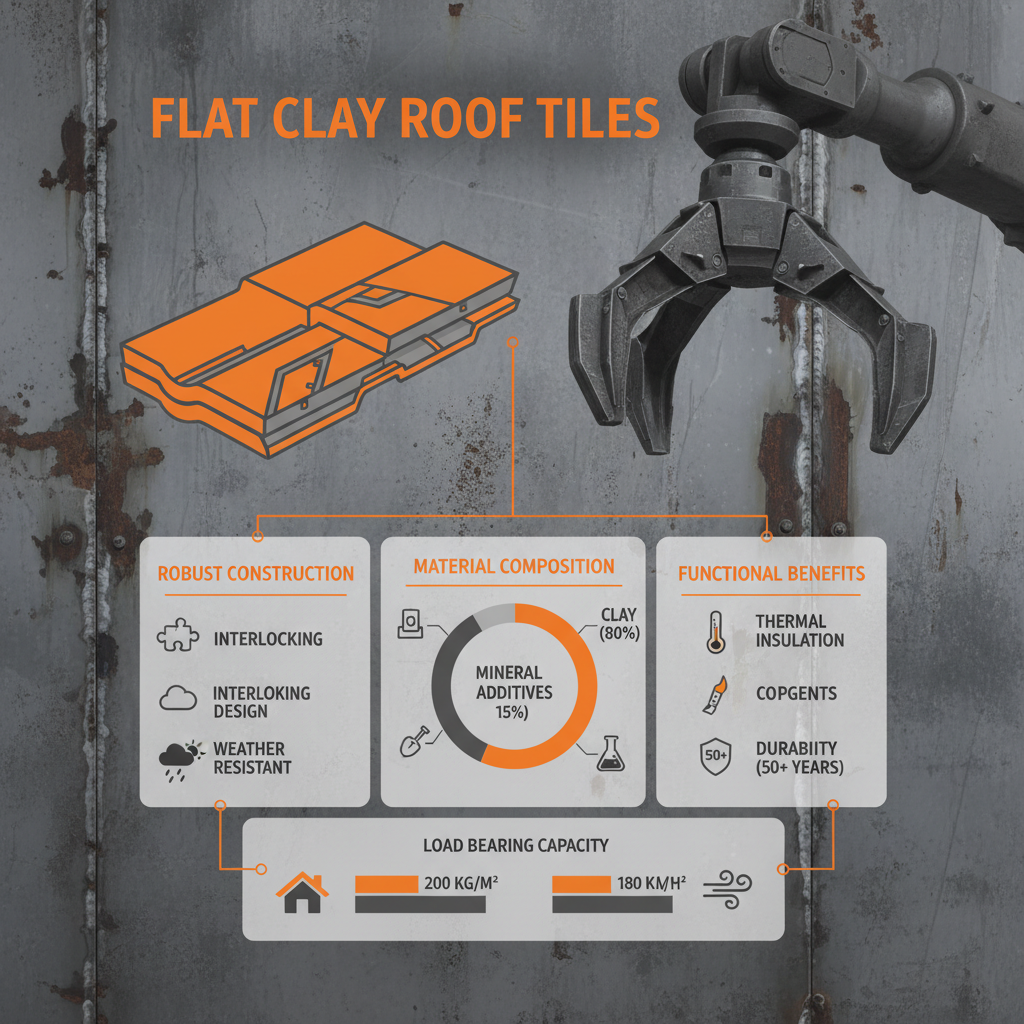
Flat clay tile roofs offer a wealth of advantages. Their inherent durability means they can withstand harsh weather conditions, including strong winds, heavy rainfall, and even earthquakes. Clay tiles are also naturally fire-resistant, providing an added layer of safety. Furthermore, clay’s thermal mass helps regulate indoor temperatures, reducing heating and cooling costs. They require minimal maintenance and offer a classic, aesthetically pleasing look that enhances property value. Beyond these benefits, clay tiles are environmentally friendly, often made from readily available natural materials.
Key Highlights: Exceptional durability, fire resistance, thermal regulation, low maintenance, and aesthetic appeal.
Flat Clay Tile Roof Installation: Considerations & Processes
Installing a flat clay tile roof requires skilled professionals due to the weight of the tiles and the precise installation techniques needed to ensure a watertight seal. The roof structure must be able to support the considerable weight of clay tiles – typically between 10-15 pounds per square foot. Proper underlayment is crucial to prevent moisture intrusion. The tiles are typically laid in overlapping rows, secured with fasteners or mortar, and sealed to prevent water penetration. Considerations include roof pitch, climate, and local building codes. A professional assessment is highly recommended to determine the feasibility and cost of installation.
Installation Key Points:
• Requires a structurally sound roof capable of handling the weight.
• Proper underlayment is essential for waterproofing.
• Precise tile overlapping and sealing are crucial.
• Professional installation is highly recommended.
Flat Clay Tile Roofs vs. Other Roofing Materials
When comparing flat clay tile roofs to other common materials like asphalt shingles, metal roofing, and wood shakes, several key differences emerge. Asphalt shingles are the most affordable upfront, but have a significantly shorter lifespan and require more frequent replacement. Metal roofing is durable but can be expensive and prone to noise during storms. Wood shakes offer aesthetic appeal, but require regular maintenance and are susceptible to fire. Flat clay tile offers a superior balance of longevity, durability, aesthetics, and low maintenance, making it a worthwhile investment in the long run.
Maintaining Your Flat Clay Tile Roof
Flat clay tile roofs are remarkably low-maintenance. However, periodic inspections are recommended to identify and address any potential issues, such as cracked or broken tiles. Removing debris, like leaves and branches, is important to prevent moisture buildup. Avoid walking directly on the tiles to prevent damage. In areas with heavy snowfall, ensure the roof structure can handle the added weight. With proper care, your flat clay tile roof will provide decades of reliable protection. Consider professional cleaning services every few years to remove algae or moss buildup, which can affect the roof’s appearance and longevity.
Cost Considerations for Flat Clay Tile Roofs
The initial cost of a flat clay tile roof is higher than many other roofing materials. The cost includes the price of the tiles themselves, underlayment, fasteners, and labor. However, considering the longevity and low maintenance requirements, the lifetime cost can be competitive. Factors influencing cost include roof size, complexity, and local labor rates. Investing in a high-quality installation from a reputable contractor is crucial to ensure long-term performance and minimize potential repair costs. Contact Cool Roof Materials for a detailed quote and expert advice.
Conclusion: A Timeless Investment in Quality and Durability
The flat clay tile roof represents a blend of timeless aesthetics, exceptional durability, and long-term value. While the initial investment may be higher than some alternatives, the benefits of reduced maintenance, energy efficiency, and a significantly extended lifespan make it a wise choice for homeowners and building owners alike. Choose quality, choose longevity – choose flat clay tile.
Frequently Asked Questions (FAQs)
What is the typical lifespan of a flat clay tile roof?
A properly installed and maintained flat clay tile roof can easily last 50 to 100 years, and even longer in some cases. This exceptional longevity is one of the key benefits of choosing clay tile over other roofing materials. The inherent durability of clay, combined with its resistance to fire, insects, and decay, contributes to its remarkable lifespan. Regular inspections and minor repairs, if needed, can further extend its service life. The material’s resistance to weathering and UV degradation also plays a significant role.
Are flat clay tile roofs suitable for all climates?
Yes, flat clay tile roofs are suitable for a wide range of climates. They perform exceptionally well in hot, sunny climates due to their thermal mass, which helps regulate indoor temperatures and reduce cooling costs. They are also resistant to freezing and thawing cycles, making them suitable for colder climates. However, in areas with extremely heavy snowfall, it's important to ensure the roof structure is adequately reinforced to handle the added weight. Proper installation and maintenance are essential regardless of the climate.
What is the weight of flat clay tile compared to other roofing materials?
Flat clay tile is significantly heavier than most other roofing materials. It typically weighs between 10 to 15 pounds per square foot. Asphalt shingles, on the other hand, weigh around 2 to 5 pounds per square foot. Metal roofing typically weighs between 0.5 to 1.5 pounds per square foot. Due to this weight, it’s crucial to ensure the roof structure is capable of supporting the load before installation. A structural engineer assessment is often recommended.
How does a flat clay tile roof contribute to energy efficiency?
Clay tiles possess excellent thermal mass, meaning they can absorb and store heat during the day and release it slowly at night. This helps regulate indoor temperatures, reducing the need for excessive heating and cooling. In hot climates, the tiles keep the interior cooler, and in cold climates, they help retain heat. This natural thermal regulation can lead to significant energy savings over the life of the roof. The air space between the tiles and the underlayment also provides additional insulation.
Latest news
-
Elevating Modern Design with High Quality Flat Mosaic Tiles
NewsApr.16,2026
-
Flat Liner Tile Guide for Roof Durability and Modern Aesthetics
NewsApr.09,2026
-
Exploring the Benefits of Durable Flat Interlocking Tiles for Modern Roofing Systems
NewsApr.07,2026
-
Choosing the Best Flat Interlocking Roof Tiles for Modern Homes
NewsApr.04,2026
-
Exploring the Versatility and Benefits of Flat Grey Tile for Modern Designs
NewsMar.31,2026
-
Comprehensive Guide to Choosing the Best Flat Grey Roof Tiles for Your Project
NewsMar.28,2026

Copyright © 2026 Hebei Chida Manufacture and Trade Co., Ltd. All Rights Reserved. Sitemap | Privacy Policy | Top Blog | Global Service | Hot Products