Understanding the lifespan of roofing materials is a critical consideration for homeowners and commercial developers globally. When evaluating options, a common question arises: how long does asphalt roll roofing last? This specific material is often chosen for its initial affordability and ease of application, but its long-term value depends heavily on environmental exposure and installation quality.
Across the global construction industry, the demand for durable, weather-resistant roofing is increasing as climate volatility rises. While traditional roll roofing serves a purpose, the industry is shifting toward materials that offer higher resistance to acid, alkali, and extreme temperatures. The debate over how long does asphalt roll roofing last often leads professionals to seek higher-performance alternatives that reduce the frequency of costly replacements.
For those analyzing their roofing budget, knowing how long does asphalt roll roofing last helps in calculating the total cost of ownership. While it provides a quick fix, integrating advanced solutions like Stone Coated Metal Roof Tiles or high-quality Asphalt Shingles can significantly extend the protection of a building's structure and enhance its overall stability.
Global Standards for Roofing Durability
In the international construction market, durability is measured by a material's ability to withstand UV radiation, precipitation, and thermal expansion. The question of how long does asphalt roll roofing last is often answered by looking at ISO standards for building materials, which emphasize the importance of water permeability and fire resistance.
Modern architectural requirements now demand materials that are not only waterproof but also acid and alkali resistant. This shift has led to the rise of Stone Coated Metal Roof Tiles, which combine the aesthetic of traditional tiles with the unmatched durability of metal, far exceeding the lifespan of basic roll products.
Defining the Lifespan of Roll Roofing
When we discuss how long does asphalt roll roofing last, we are referring to the period from installation until the material begins to crack, leak, or lose its granule protection. Typically, roll roofing is seen as a short-to-medium term solution, often used for flat roofs or low-slope areas where budget is the primary concern.
From an industrial perspective, the "lifespan" isn't just about the physical presence of the material, but its functional efficacy. Once a roof fails to be windproof or waterproof, it has reached the end of its life, regardless of how many years have passed since the installation.
Understanding this definition allows property managers to plan maintenance cycles. While some may ask how long does asphalt roll roofing last in ideal conditions, real-world application usually reveals a much shorter window than high-performance alternatives like asphalt shingles or ceramic granule cool roofs.
Key Factors Affecting Material Longevity
Several environmental variables dictate how long does asphalt roll roofing last, with temperature fluctuations being the most aggressive. Constant expansion and contraction cause the asphalt to become brittle over time, leading to fissures that allow water penetration.
Another critical factor is the chemical exposure of the roof. In industrial zones, acid rain and airborne pollutants can degrade the surface of the roof. When analyzing how long does asphalt roll roofing last in these areas, it is clear that materials with inherent acid/alkali resistance are far superior.
Finally, the slope of the roof plays a pivotal role. Because roll roofing is often used on low slopes, water tends to pool, accelerating the decay of the material. This is why switching to Stone Coated Metal Roof Tiles for sloping roofs is recommended for those who want to move past the limitations of how long does asphalt roll roofing last.
Performance Comparison of Roofing Systems
Comparing different materials reveals a stark contrast in longevity and structural load. For instance, asphalt shingles provide a soft texture and various shapes for complex geometries, offering a more durable alternative to roll roofing while remaining easy to cut and install.
When we evaluate the total lifecycle, the initial cost-effectiveness of roll roofing is offset by the superior stability and lightweight nature of advanced tiles, which reduce load-bearing pressure on the roof structure.
Comparative Durability: How Long Does Asphalt Roll Roofing Last vs Alternatives
Global Applications of Durable Roof Tiles
In diverse geographic regions, from the humid tropics to arid deserts, the choice of roofing material is a matter of survival for the building's interior. In remote industrial zones, where maintenance access is limited, the question of how long does asphalt roll roofing last is often answered with a need for more permanent solutions like Stone Coated Metal Roof Tiles.
These high-performance tiles are widely used in post-disaster relief operations and rapid-build industrial housing due to their easy installation and extreme fireproof and waterproof properties, ensuring long-term safety and dignity for occupants.
Long-Term Value and Sustainability
The true value of a roof is not found in the lowest bid, but in the lowest cost per year of service. While roll roofing is cheap today, the recurring cost of replacement makes it an expensive choice in the long run.
Sustainability is another key pillar. By choosing materials that are anti-aging and weather-resistant, we reduce the amount of construction waste entering landfills. Stone Coated Metal Roof Tiles provide a sustainable alternative that maintains aesthetic appeal without sacrificing structural integrity.
Ultimately, investing in fireproof and windproof materials provides peace of mind. The psychological value of knowing your roof will not fail during a storm far outweighs the marginal savings associated with wondering how long does asphalt roll roofing last.
Future Innovations in Roof Protection
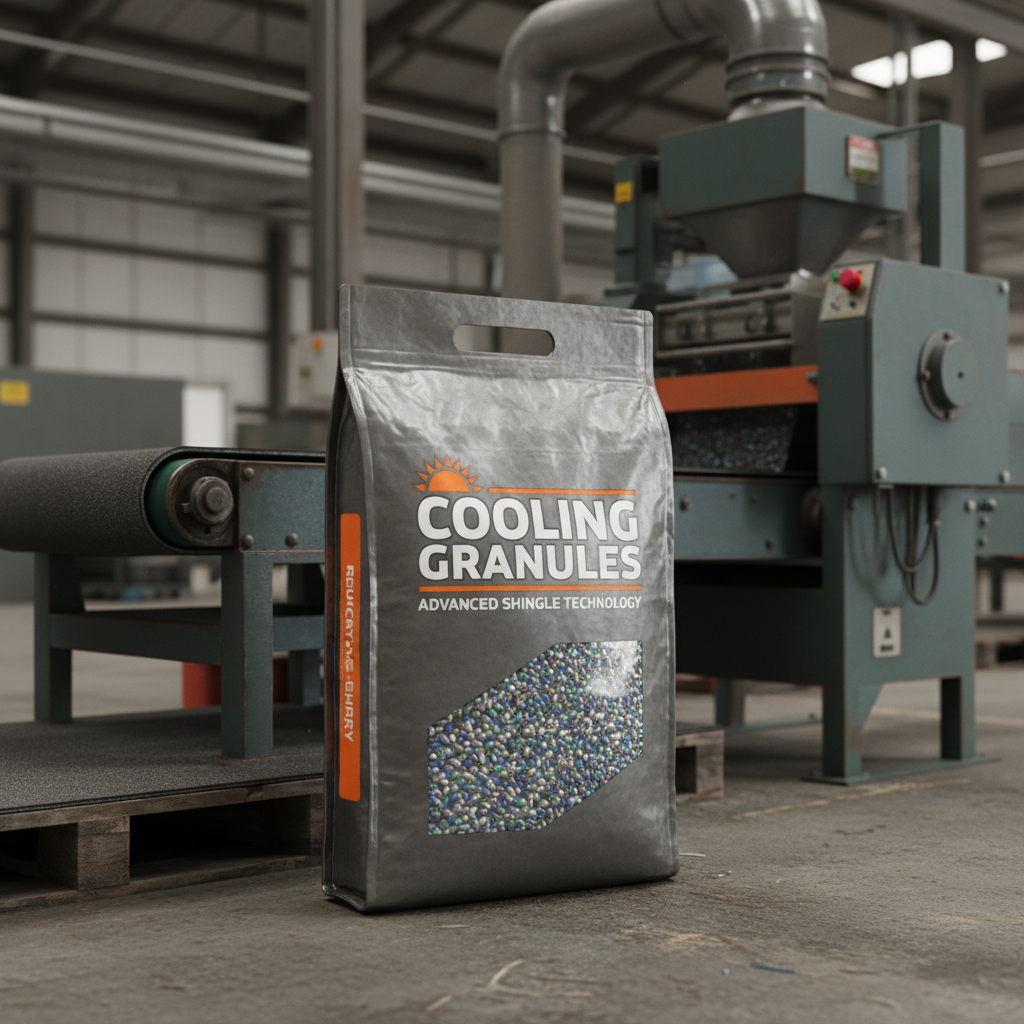
The future of roofing is leaning heavily toward "Cool Roof" technology. The development of High Reflective Ceramic Granules (HIREFLE) is transforming how buildings handle heat, significantly reducing energy costs and extending the life of the underlying roof structure.
Digital transformation in manufacturing has also allowed for more precise Stone Coated Metal Roof Tiles, which can be customized for any complex geometric shape while maintaining a lightweight profile that increases structural stability.
As green energy policies become more stringent globally, the industry is moving away from short-lived materials. The shift is clear: the market is no longer asking how long does asphalt roll roofing last, but rather how to implement a lifetime roofing solution that integrates thermal reflection and extreme durability.
Comparison of Advanced Roofing Materials vs. Traditional Roll Roofing
| Material Type |
Durability Score (1-10) |
Weather Resistance |
Installation Ease |
| Asphalt Roll Roofing |
4 |
Moderate |
Very Easy |
| Asphalt Shingles |
7 |
High |
Easy |
| Stone Coated Metal |
10 |
Extreme |
Moderate |
| HIREFLE Ceramic |
9 |
Extreme (Thermal) |
Easy |
| Standard Clay Tile |
8 |
High |
Difficult |
| Rubberized Membrane |
6 |
Moderate |
Moderate |
FAQS
On a flat roof, asphalt roll roofing typically lasts between 5 to 20 years, depending on the grade of the material. However, because water tends to pool on flat surfaces, the lower end of that spectrum is more common. To extend the life, regular inspections for punctures and seam failures are essential.
Yes, significantly. While roll roofing is a budget option, Stone Coated Metal Roof Tiles are fireproof, waterproof, and acid/alkali resistant. They offer a much longer lifespan and a more sophisticated aesthetic, making them a more cost-effective long-term investment for most sloping roofs.
Common signs include visible cracking (alligatoring), bubbling of the surface, missing granules, or water stains on the ceiling below. If you notice the material becoming brittle or peeling away from the seams, it is time to consider a more durable replacement.
Generally, it is not recommended. To ensure the windproof and waterproof integrity of new asphalt shingles, the old roll roofing should be removed. This prevents moisture from being trapped and allows for the proper installation of an underlayment, increasing the overall structural stability.
Extreme heat causes asphalt to soften and eventually evaporate its volatile oils, leading to brittleness. This is where High Reflective Ceramic Granules (HIREFLE) are beneficial, as they reflect sunlight and keep the roof cooler, thereby extending the life of the entire system.
Both are relatively convenient. Asphalt shingles are lightweight and can be freely cut for complex shapes. Stone Coated Metal Roof Tiles are also designed for easy installation and offer the added benefit of being significantly more durable and fireproof than standard shingles.
Conclusion
In summary, while the question of how long does asphalt roll roofing last is central to short-term budgeting, the evidence suggests that it is often a temporary solution. For those seeking true durability, the transition to Stone Coated Metal Roof Tiles or high-grade Asphalt Shingles offers a superior combination of waterproof, fireproof, and acid-resistant properties that protect the building's structure for decades.
As the global construction industry moves toward sustainable and energy-efficient materials, investing in high-reflective and lightweight roofing solutions is no longer just an option—it is a necessity. By choosing materials that reduce load-bearing pressure and resist aging, property owners can ensure safety, stability, and long-term financial value. Visit our website for more professional roofing solutions: www.coolroofmaterials.com